Since its highly anticipated debut, Pearl Abyss’s Crimson Desert has occupied a precarious position in the gaming landscape. While the title has garnered praise for its ambitious world-building, visual fidelity, and expansive scope, the launch period has been marred by technical friction and design choices that have frustrated a significant portion of its player base. Now, with the release of patch 1.00.03, the developers have begun the arduous process of refining the experience, signaling a commitment to addressing the “clunky” reality of the game’s current state.
Main Facts: What Does Patch 1.00.03 Change?
The deployment of patch 1.00.03 represents the first meaningful attempt by Pearl Abyss to reconcile the gap between the game’s vision and its execution. Available immediately on Steam and PlayStation platforms—with Xbox and Epic Games Store updates slated for the near future—the patch serves as a triage measure.
The most critical changes center on the input experience. Keyboard and mouse users, who have been particularly vocal regarding the game’s unintuitive control schemes and animation-locked movements, have received the bulk of the initial adjustments. Pearl Abyss has modified default presets and refined sensitivity parameters to make the action-RPG elements feel more responsive.
Beyond controls, the update introduces a long-requested quality-of-life feature: the Storage at Howling Hill Camp. This addition provides players with a dedicated space to manage their inventory, a move that directly addresses complaints regarding the game’s restrictive carry limits and cluttered UI management. Furthermore, the patch includes balance adjustments for enemy health pools and combat difficulty, as well as improvements to fast-travel convenience and NPC dialogue flow.
A Chronology of the Launch Window
To understand the weight of this patch, one must look at the timeline of the game’s rocky first week.
- Launch Day: Crimson Desert hits the market with significant fanfare. Initial sentiment is polarized; while the art direction is lauded, social media and forum boards are flooded with reports regarding unresponsive controls and animation weightiness.
- The Weekend Response: As player counts climb, the frustration becomes impossible for the developers to ignore. Despite the technical hurdles, the game sees a rise in peak concurrent players, proving the strength of the IP’s draw.
- The Saturday Letter: Pearl Abyss issues an open letter to the community. Rather than opting for corporate deflection, the developer explicitly acknowledges the "clunky" nature of the controls, identifying them as the primary obstacle to player enjoyment.
- Monday, Patch 1.00.03: The developer delivers on the promises made in the letter, pushing the first major stability and tuning update to live servers.
Supporting Data: Player Sentiment and Steam Trends
Despite the widespread criticism of the game’s underlying mechanics, Crimson Desert has demonstrated a resilient trajectory in terms of engagement. Data from the launch weekend indicates that the game actually saw an increase in peak concurrent player counts—a rare feat for a title facing significant performance backlash.
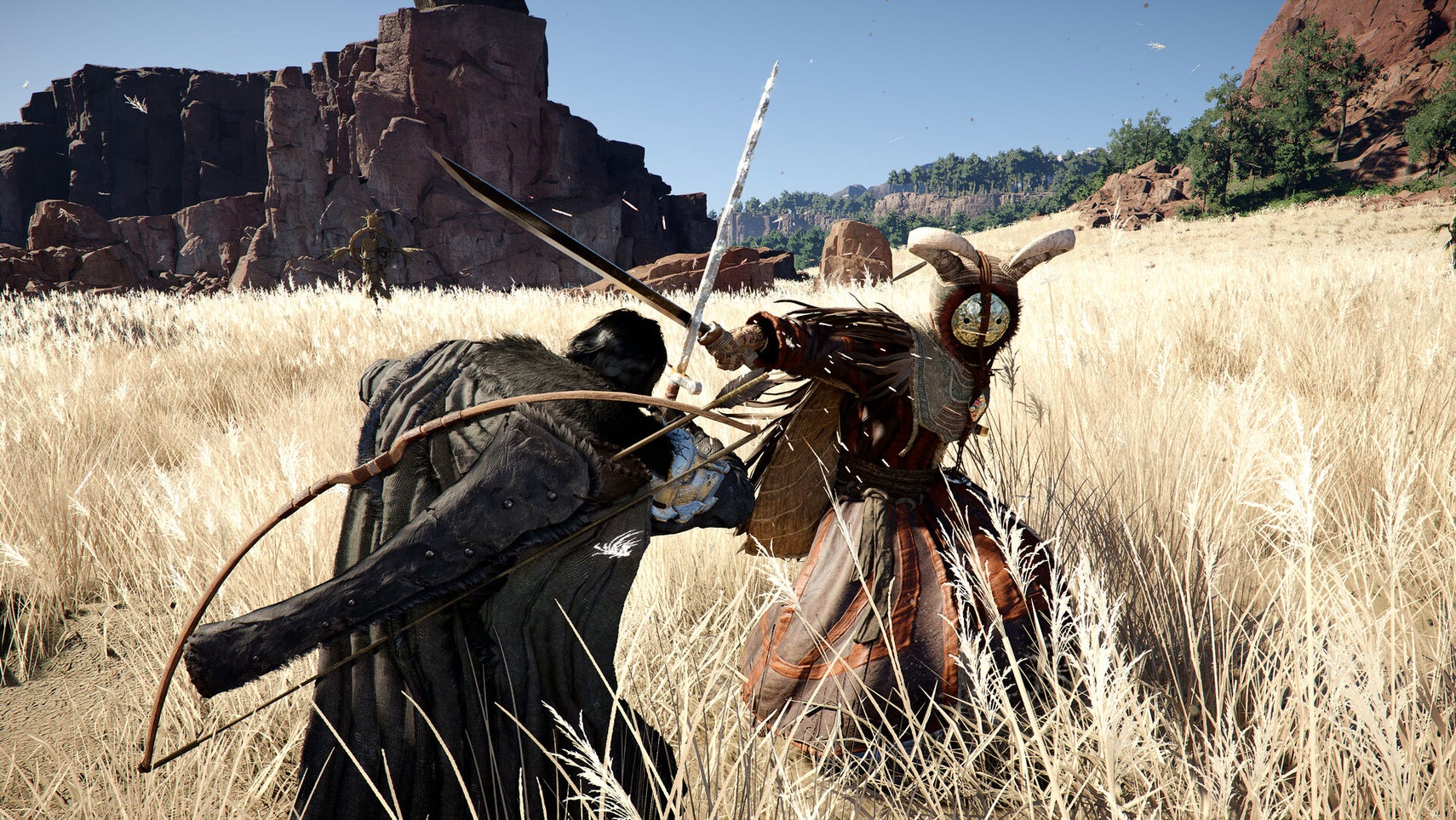
This trend suggests that the player base is largely willing to stick with the game if they see tangible progress from the development team. User review ratings on platforms like Steam, which were initially dragged down by “review bombing” related to technical issues, have shown signs of a slight recovery. This "cautious optimism" is a vital metric for Pearl Abyss; it indicates that while players are currently frustrated, they are not yet ready to abandon the world of Crimson Desert. The developers have successfully maintained a "wait and see" relationship with their audience, provided they continue to roll out meaningful updates at this cadence.
Official Responses: A Commitment to "Iterative Development"
The tone from Pearl Abyss has been one of humility and transparency. In their weekend address, the team did not attempt to mask the issues as design choices; they labeled them as problems to be solved.
"We hear you," the developers essentially stated, focusing on the friction between player intent and character action. By acknowledging that the animations—while visually stunning—were interfering with the fluidity of combat, Pearl Abyss opened the door for a more collaborative development process.
However, they have also been honest about the scope of the work ahead. They have explicitly stated that this patch is only an "initial set of fixes." Regarding the lack of controller-specific updates in this patch, the team was quick to manage expectations, noting that while they know the gamepad experience also requires refinement, it is currently in the queue for a future update. This level of communication is vital; by outlining what is not in the patch, they prevent the confusion and disappointment that often follows an update that doesn’t address every user’s personal grievance.
Implications: The Long-Term Viability of Crimson Desert
The release of patch 1.00.03 raises a larger question about the modern release cycle for massive, high-budget RPGs. Crimson Desert is a testament to the fact that technical polish cannot always be achieved before a hard release date.
The Control Problem
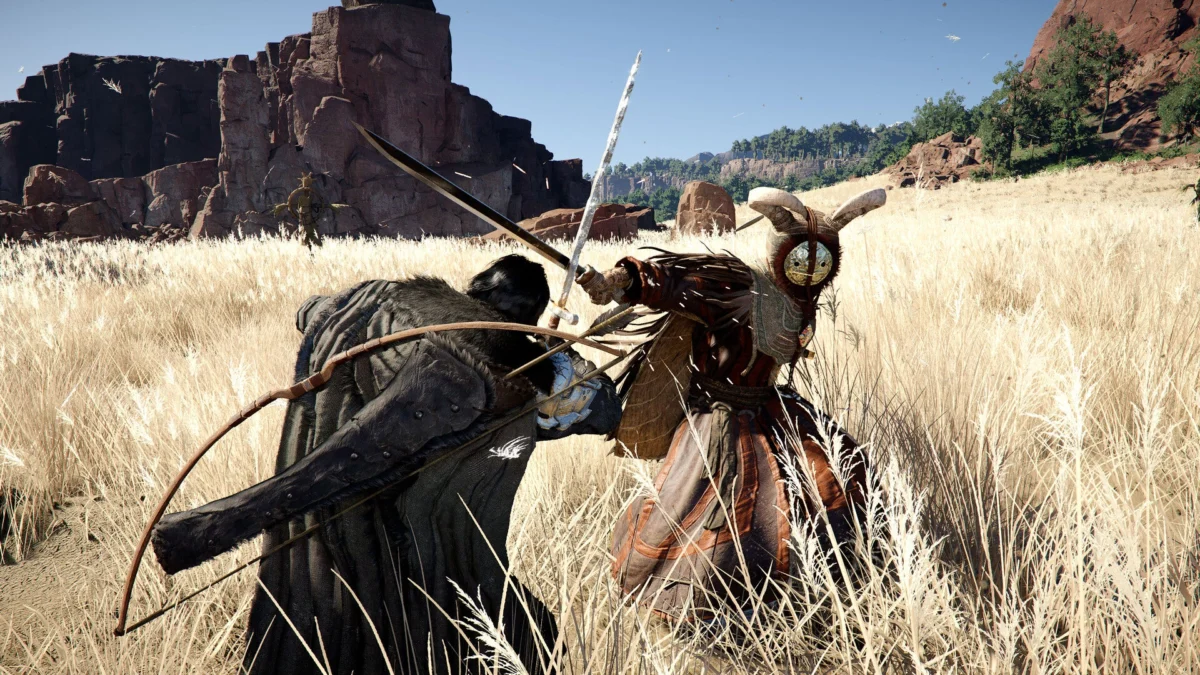
The primary implication here is the ongoing struggle with "animation-priority" combat. Many modern developers aim for a high level of cinematic realism, where every swing of a sword or dodge must be "weighted" by an animation. However, when this is not balanced with "input buffering" or responsive cancels, the player feels like they are fighting the game’s code rather than the enemies. If Pearl Abyss can successfully bridge this gap—maintaining the visual weight of the combat while tightening the input response—they could set a new standard for the genre. If they fail, the game risks being remembered as a "beautiful but unplayable" title.

Inventory and Systems Design
The inclusion of the Howling Hill Camp storage is a clear sign that the developers are willing to adjust their "vision" to suit player behavior. Sometimes, developers intend for players to struggle with inventory management to emphasize a "survivalist" feel. However, when that struggle becomes a barrier to the "fun" of exploration, it must be removed. This pivot is a positive indicator of the team’s agility.
What Comes Next?
The future of Crimson Desert depends on three pillars:
- Technical Stability: Continued optimization for a wider range of hardware configurations.
- Controller Optimization: Addressing the lack of precision in stick-based movement and camera control.
- Content Delivery: Ensuring that the world feels alive and rewarding as players progress past the early-game areas.
As the team continues to issue patches, the community will be watching to see if the "fundamental issues" are fully resolved or merely papered over. For now, the developers have earned a temporary reprieve. They have proven that they are listening, but the gaming industry is notoriously unforgiving of repeated failure. The next few weeks will be crucial. If the subsequent patches can address the remaining pain points—the controller mapping, the animation locking, and the remaining performance hiccups—Crimson Desert could very well salvage its reputation and live up to the immense hype that preceded its launch.
For those currently navigating the world, the advice remains the same: keep an eye on the patch notes, utilize the community guides for navigating the current, slightly unrefined systems, and stay engaged. The game you see today may look quite different by the time the next major update arrives. Whether that evolution is enough to satisfy the broader market remains the most compelling narrative of this launch season.