Neng Nana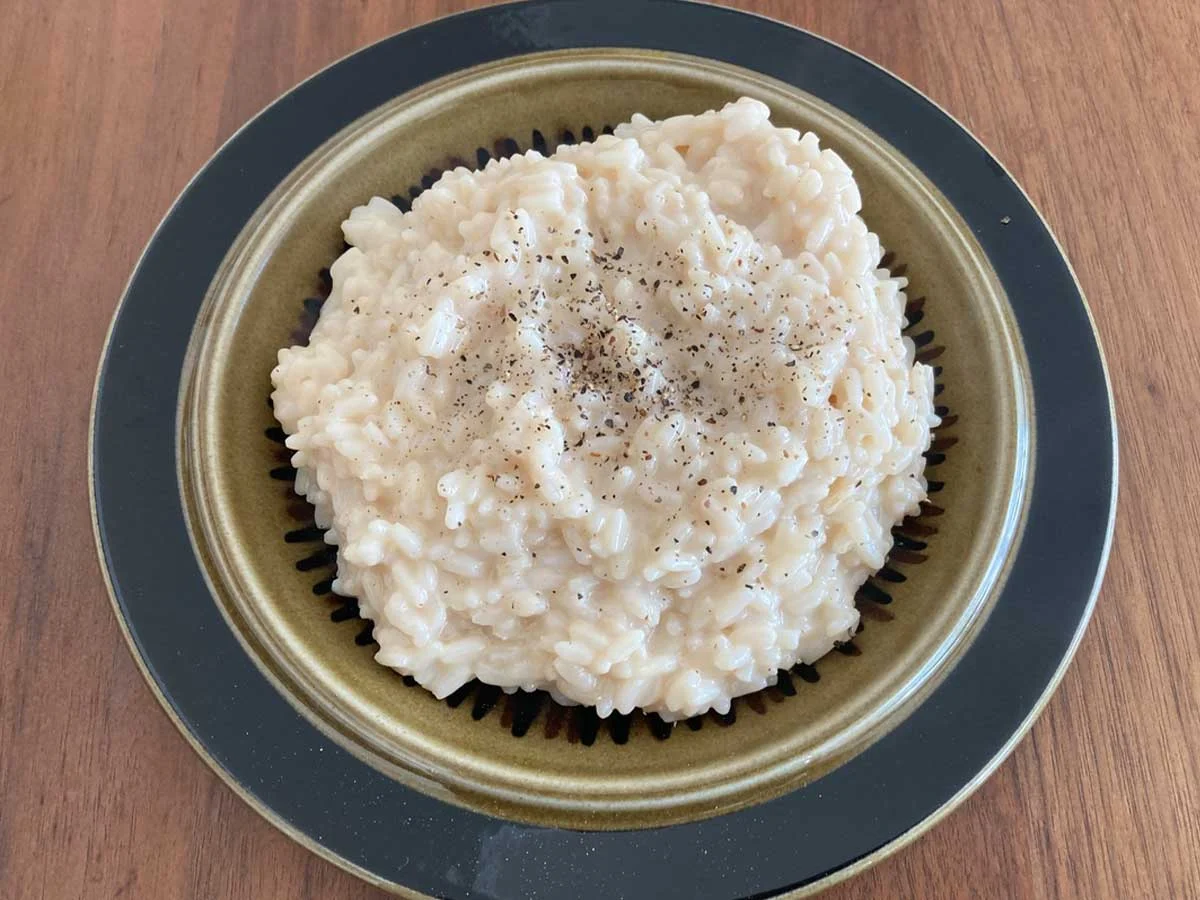
For decades, the Japanese retail giant MUJI (Mujirushi Ryouhin) has been synonymous with minimalist aesthetics, high-quality household organization, and sustainable living. However, in recent years, the brand has successfully pivoted into a destination for culinary discovery. Beyond their iconic stationary and clothing, MUJI has quietly cultivated a food department that challenges the stigma surrounding instant meals. From complex, spice-forward retort curries to freeze-dried soups that rival café-quality offerings, MUJI’s food section has become a playground for the busy urbanite.
The latest addition to this gastronomic lineup is the "Made-in-Italy" risotto series—a product line that promises an authentic European dining experience from the comfort of a home kitchen.
The Evolution of the MUJI Pantry
To understand the significance of the "Made-in-Italy" launch, one must look at the trajectory of MUJI’s food division. Historically, MUJI focused on dry goods and snacks. However, as consumer demand for high-quality, "convenience-plus" meals has spiked, the company has ramped up its research and development.
The strategy is clear: provide the consumer with the raw components of a meal while maintaining the simplicity of an "all-in-one" package. By sourcing authentic ingredients directly from Italy, MUJI is bridging the gap between mass-market instant noodles and the labor-intensive process of traditional Italian cooking.
The “Made-in-Italy” Series: A First Look
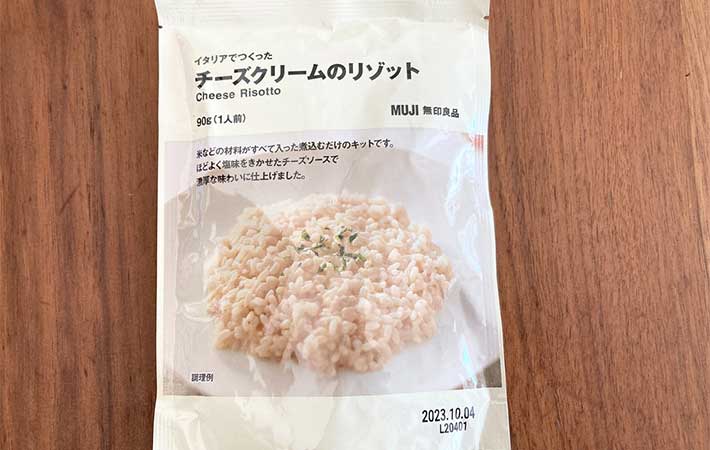
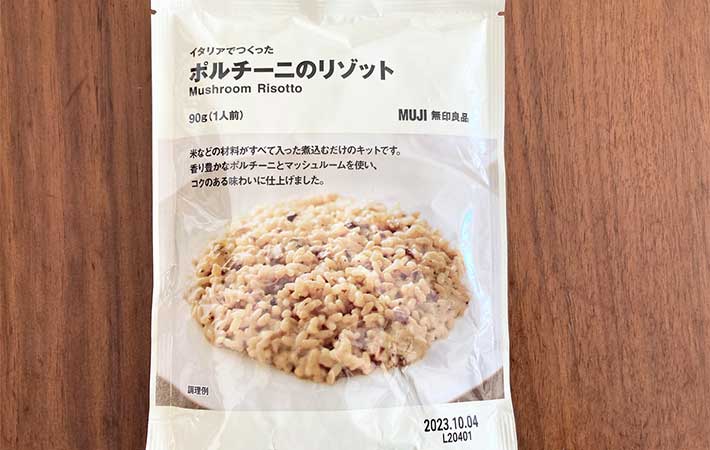
During a routine visit to a Tokyo-based MUJI outlet, we discovered the new risotto kits. The packaging, true to MUJI’s understated branding, is unassuming, yet the promise printed on the back—that these kits contain all the necessary ingredients—is a bold claim for a shelf-stable product.
To evaluate the quality, we selected two distinct flavors from the inaugural lineup: Cheese Cream and Porcini. Both are staples of Northern Italian cuisine, yet they represent two very different flavor profiles that test the consistency and quality of the dehydrated ingredients.
A Chronological Breakdown of the Cooking Process
The preparation of these risottos is an exercise in patience and precision, distinguishing them from the "just add boiling water" instant meals that currently saturate the market.
Phase 1: The Raw Materials
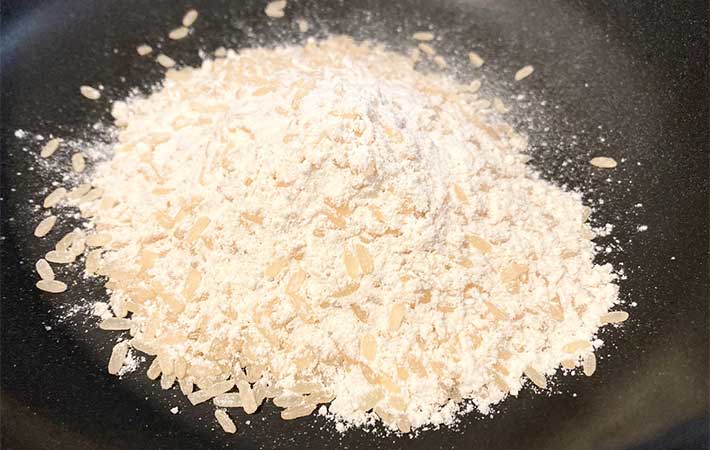
Upon opening the packages, the first surprise was the presence of actual Italian-grown arborio rice. Unlike many instant meals that rely on pre-cooked, dehydrated rice that often turns to mush, these kits provide the starch in its raw, high-quality state. This inclusion immediately suggests a higher tier of product; it is not a "rehydrated" meal, but a meal that is cooked from scratch.
Phase 2: The Simmering Process
The instructions are deceptively simple: combine the contents with a specified amount of water in a small saucepan.
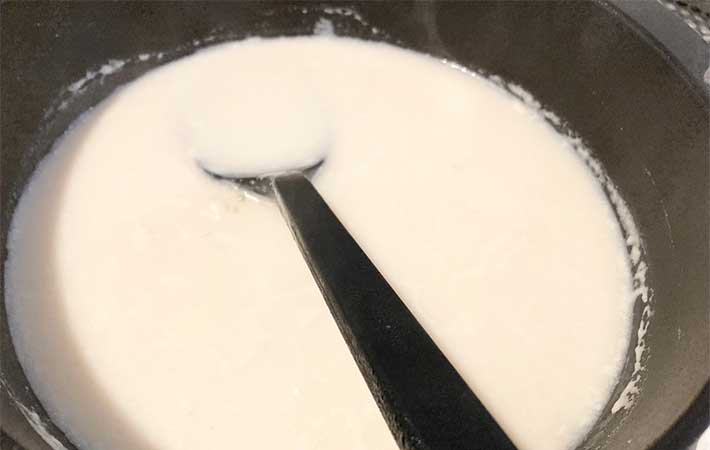
- Initial Boil: With the heat on high, the liquid is brought to a rapid boil. The aroma released during this stage is a strong indicator of the quality of the dried seasonings and aromatics packed within the foil.
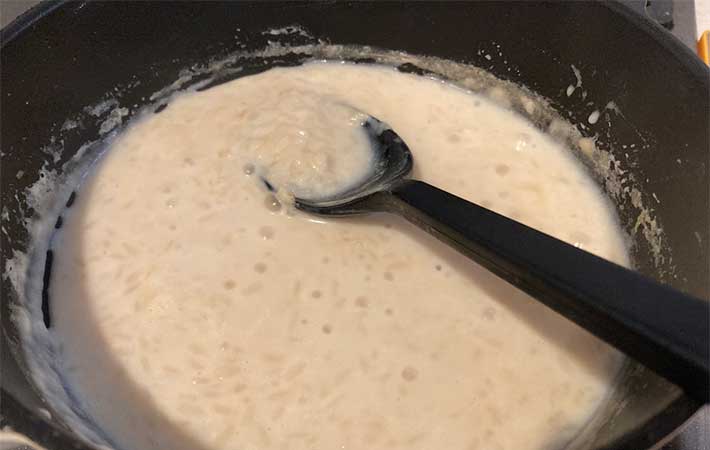
- The Reduction: Once boiling, the heat is reduced to medium. This is the crucial stage where the risotto develops its signature creamy texture. As the rice releases its starch, the liquid transforms into a rich emulsion.
- Constant Vigilance: The instructions emphasize the need for frequent stirring. This is not a meal you can walk away from. Much like a traditional stove-top risotto, the constant agitation is necessary to prevent the rice from scorching at the bottom of the pot.
Phase 3: The Finishing Touch
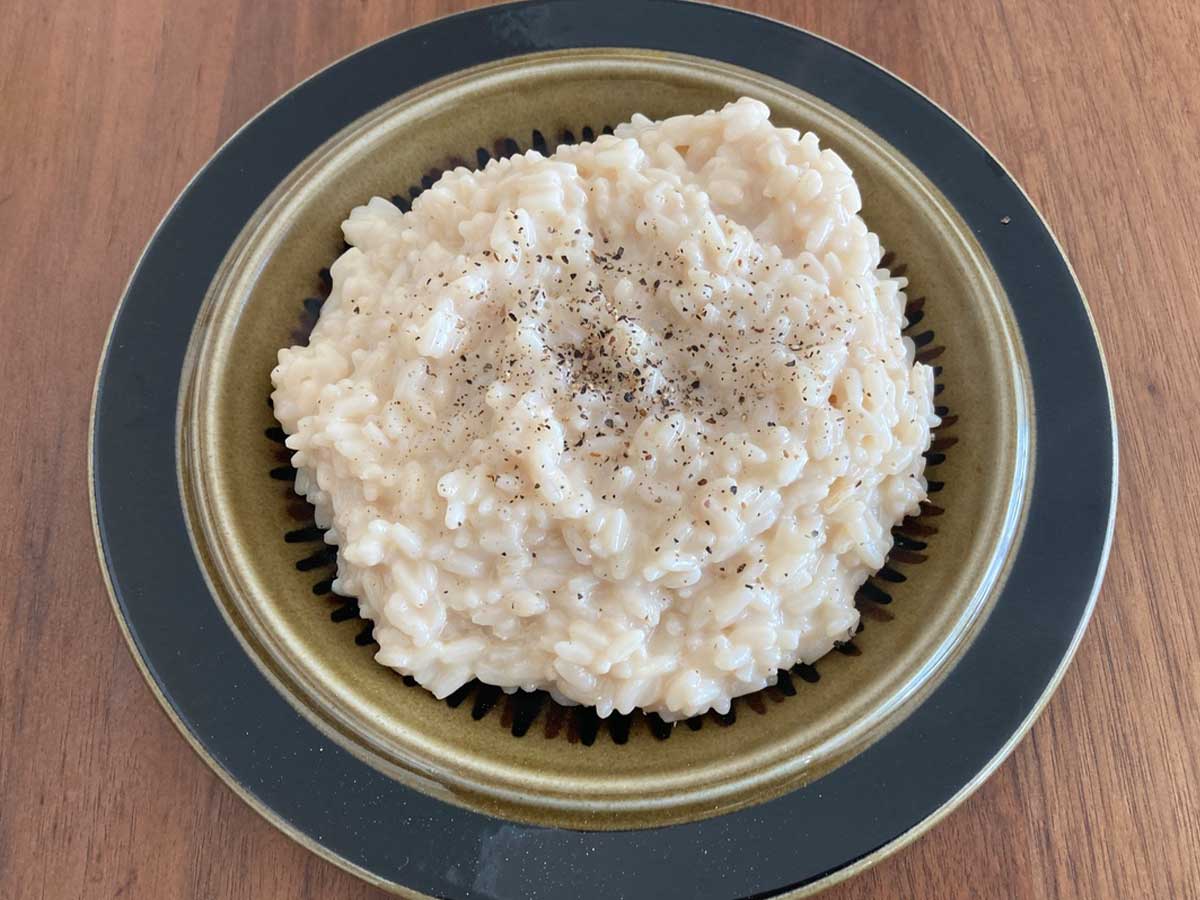
After approximately 20 to 25 minutes of simmering, the liquid evaporates, leaving behind a glossy, perfectly bound risotto. The final visual aesthetic is remarkably professional—a stark contrast to the typical "brown sludge" associated with instant rice dishes. For our test, we added a light dusting of freshly cracked black pepper, which served to elevate the plating and add a sharp, pungent finish.
Taste Test Analysis: Cheese Cream vs. Porcini
The sensory evaluation revealed the strengths and weaknesses of the series:
- The Cheese Cream Risotto: This variant is unashamedly rich. It captures the heavy, umami-laden profile of a classic Parmesan or Pecorino-based sauce. The cheese flavor is not synthetic; it carries a depth that usually requires high-quality dairy to achieve. When paired with the black pepper, the complexity increases, balancing the fat of the cream with the heat of the spice.
- The Porcini Risotto: This flavor profile is decidedly more sophisticated and subtle. The mushroom flavor is deep and earthy, serving as a reminder of the quality of the dried fungi used. While less aggressive than the Cheese Cream version, it offers a more refreshing, refined palate, ideal for those who prefer savory, woodland-inspired notes over dairy-heavy dishes.
Supporting Data and Economic Implications
At a price point of 290 yen (tax included) per package, the "Made-in-Italy" series presents a fascinating case study in consumer value.
In the current Japanese economy, where inflation has made dining out significantly more expensive, MUJI’s strategy offers a "premium-at-home" alternative. While the 30-minute preparation time—which includes the simmering process—is longer than that of a standard cup of instant noodles, the resulting nutritional and sensory value is vastly higher.
From an economic perspective, MUJI is capturing the demographic of "time-poor but quality-conscious" consumers. By keeping the price under 300 yen, they maintain the accessibility of a snack while delivering the experience of a restaurant-quality meal.
Official Stance and Brand Philosophy
While MUJI rarely issues formal "press releases" regarding individual food items, their corporate philosophy—Mujirushi Ryouhin literally translating to "no-brand quality goods"—remains the guiding force. The company’s focus on sourcing raw materials from their regions of origin (in this case, Italy) is part of a broader push to ensure that "simplicity" does not equate to "mediocrity."
By focusing on the process of cooking—requiring the user to stand at the stove and manage the heat—MUJI encourages a mindful approach to eating. It turns a quick dinner into a meditative, creative act.
Future Implications for the Retail Market
The success of this series suggests a shift in the Japanese food retail landscape. As consumers become more accustomed to high-quality "semi-prepared" meals, we can expect to see more retailers following MUJI’s lead. The reliance on authentic, imported ingredients—rather than relying solely on chemical flavorings—is becoming a competitive advantage.
Furthermore, this move positions MUJI as a serious contender in the "Home Meal Replacement" (HMR) market. By providing a product that requires just enough effort to feel like a "home-cooked" meal, they are effectively competing with frozen food services and meal-kit delivery companies, but without the logistical overhead of cold-chain distribution.
Conclusion
The MUJI "Made-in-Italy" risotto series is a triumph of product design. It manages to balance the brand’s minimalist aesthetic with a maximalist approach to flavor and ingredient quality.
For the home cook, it offers a reliable, inexpensive, and genuinely tasty solution for a midweek dinner. For the industry, it stands as a testament to the fact that convenience does not have to come at the expense of culinary integrity. Whether you choose the indulgent Cheese Cream or the earthy, refined Porcini, these packages serve as a reminder that with the right raw materials, even the simplest kitchen can produce something truly special.
As MUJI continues to expand its food offerings, one thing is certain: they are no longer just a store for the home—they are now a vital part of the kitchen itself.



 Asro
Asro