The gaming industry is currently navigating a seismic shift—a transition away from physical media and toward a purely digital, service-based landscape. As Sony and other industry giants push toward a future where discs are a relic of the past, a growing chorus of developers, archivists, and players are sounding the alarm. At the heart of this discourse is a fundamental question: When we "buy" a game today, do we actually own it, or are we merely leasing access to a product that can be deleted from existence at the flick of a server switch?
The Impending Discless Horizon
The movement toward a fully digital ecosystem has been accelerating for years, but recent signals from hardware manufacturers have solidified the industry’s direction. Reports that PlayStation is aiming for a fully digital infrastructure by 2028 have reignited a fierce debate regarding consumer rights and digital preservation.
For decades, the "physical" copy of a game represented a contract of sorts: a tangible piece of plastic that allowed the owner to play the game indefinitely, independent of internet connectivity or corporate whim. In a digital-only world, that contract is replaced by an End User License Agreement (EULA), which is almost universally interpreted by publishers as a revocable right to access content, rather than a transfer of property.
Hideo Kojima and the Philosophy of Loss
Among the most prominent voices to address this instability is legendary auteur Hideo Kojima. The Metal Gear Solid and Death Stranding creator, known for his philosophical approach to game design, took to social media to articulate a profound concern regarding the ephemeral nature of digital assets.
"Eventually, even digital data will no longer be owned by individuals on their own initiative," Kojima warned. His assessment cuts through the corporate jargon of "convenience" and "accessibility" to the core of the issue: vulnerability. Kojima highlights that our access to digital culture—movies, music, books, and games—is entirely contingent upon the stability of the entities providing them. "Whenever there is a major change or accident in the world, in a country, in a government, in an idea, in a trend, access to it may suddenly be cut off," he noted.
For a creator, this is a nightmare scenario. It implies that the art form itself is subject to the same decay as a faulty hard drive or a bankrupt corporation, rather than existing as a permanent contribution to human culture.

A Chronology of Digital Erosion
To understand why fears are mounting, one must look at the recent history of "live service" titles and digital storefront closures.
- The Early Warning Signs: Over the last decade, we have seen the gradual sunsetting of various online services. Games like Evolve, LawBreakers, and Battleborn saw their servers shuttered, effectively deleting the games from the playable landscape for those who purchased them.
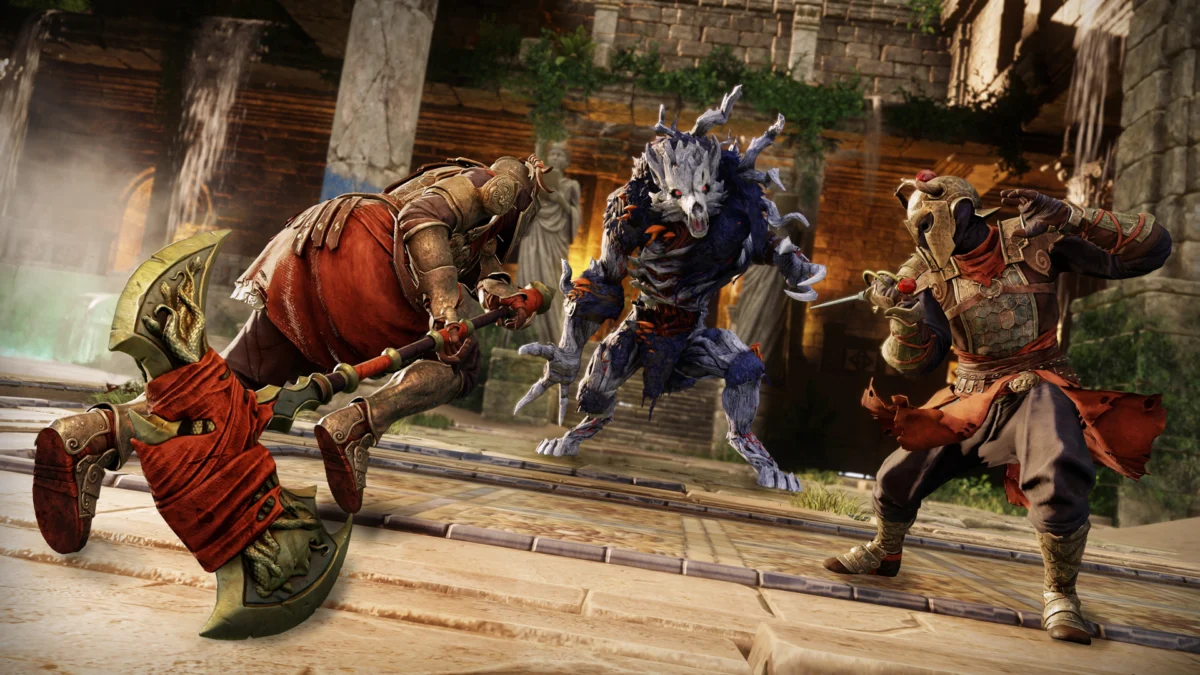
- The "New World" Precedent: Late last year, Amazon Games halted content updates for New World, an MMO that at one point commanded a peak concurrent player base of over 60,000. While servers remain operational for now, the message was clear: a game’s lifespan is tied to its ongoing profitability, not the community that loves it.
- The Destiny 2 Paradigm: Bungie’s approach to Destiny 2 has become a flashpoint for critics of digital distribution. By "vaulting" content—removing massive portions of the game that players had paid for—Bungie demonstrated that digital ownership is an illusion. Even with the game’s "final" chapters, players are left wondering what happens to their thousands of hours of progress and financial investment when the developer finally decides the project is no longer viable.
The Legislative Wall: The Failure of "Stop Killing Games"
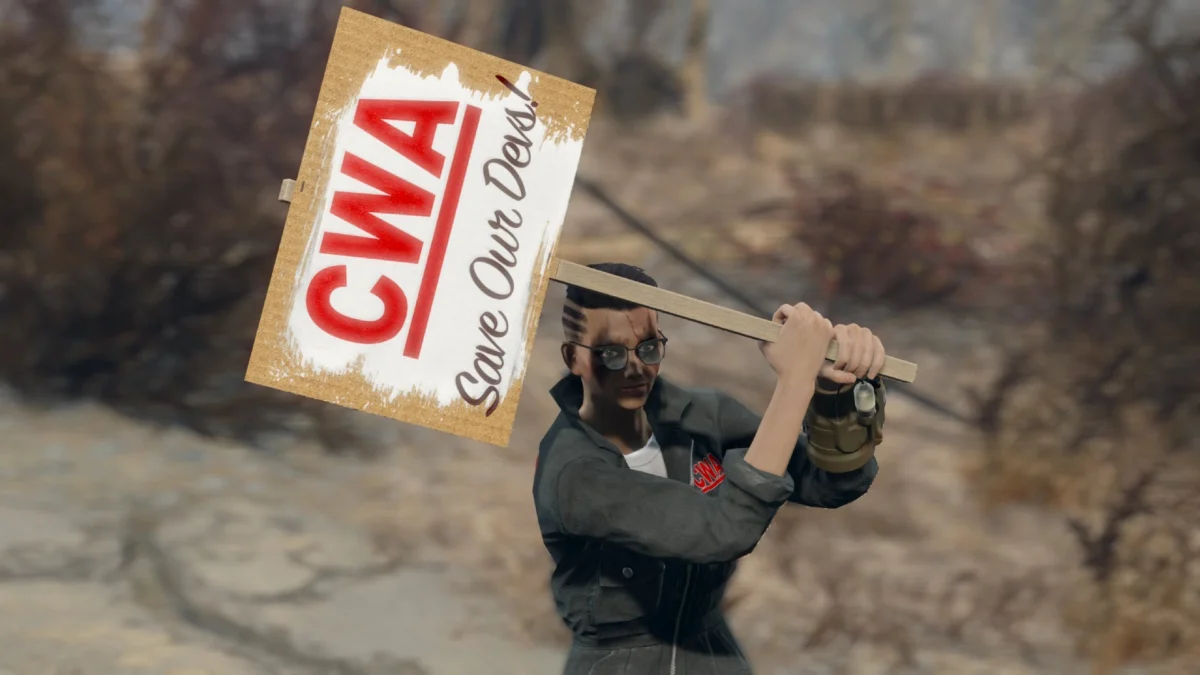
The industry’s push for digital control has met resistance from grassroots organizations, most notably the "Stop Killing Games" initiative. The campaign sought to force regulators to consider the act of shutting down a game’s servers—thereby rendering a purchased product unplayable—as a violation of consumer rights.
The initiative’s recent bid to the European Commission, however, was met with a sobering rejection. The Commission stated: "The Commission considers that at this stage it cannot propose a legal obligation to keep videogames playable after they stop being provided commercially. This is due, also, to existing intellectual property rights. Under EU copyright law, rights holders enjoy exclusive rights over their creations."
This response highlights a critical gap in modern law: our legal frameworks were built for an era of physical goods, and they are currently ill-equipped to handle the nuances of "software as a service." The legal reality is that publishers currently hold all the cards, and the preservation of culture is considered secondary to the protection of corporate intellectual property.
Supporting Data: The Cost of Convenience
The transition to digital is driven by profit, not just consumer preference. The elimination of physical media removes the overhead of manufacturing, distribution, shipping, and the massive secondary market (used game sales) that currently exists.
Industry analysts estimate that the shift to digital storefronts increases profit margins significantly for publishers. By controlling the platform, companies can dictate pricing, prevent resale, and harvest data on player habits with unprecedented precision. However, this creates a "single point of failure" scenario for the consumer. When the store goes down, or the account is banned, or the publisher pivots their strategy, the consumer has no recourse.

The Implications: Why Preservation Matters
If we accept that digital-only is the future, we must also accept that we are entering a "Dark Age" of gaming. The Video Game History Foundation has long argued that the vast majority of historical video games are currently commercially unavailable. Without the ability for third parties to archive and maintain these titles, we are allowing our digital history to be erased.
The irony is that piracy, long decried by the industry as a parasite, is increasingly being viewed by experts as the only viable method for long-term preservation. When official channels delete a game, the community-run archives are often the only places where the art survives. By creating a system where legal ownership is impossible, the industry is inadvertently driving consumers toward the very piracy they claim to be fighting.
Conclusion: A Call for Digital Reform
We are walking into an era of profound instability. The convenience of downloading a game at midnight is being weighed against the potential loss of that game in the coming decade. As we move closer to 2028, the industry faces a choice: continue to prioritize absolute control over intellectual property, or work with regulators and consumers to build a framework that guarantees the longevity of the medium.
Until such a framework exists, the words of Hideo Kojima remain a chilling reminder of the stakes. We are building our cultural library on shifting sand, and unless we advocate for stronger consumer protections and the right to maintain our own digital collections, we may soon find ourselves in a world where we own nothing at all, and the history of our favorite medium is little more than a memory—or a series of dead links on a corporate server.