Suro Senen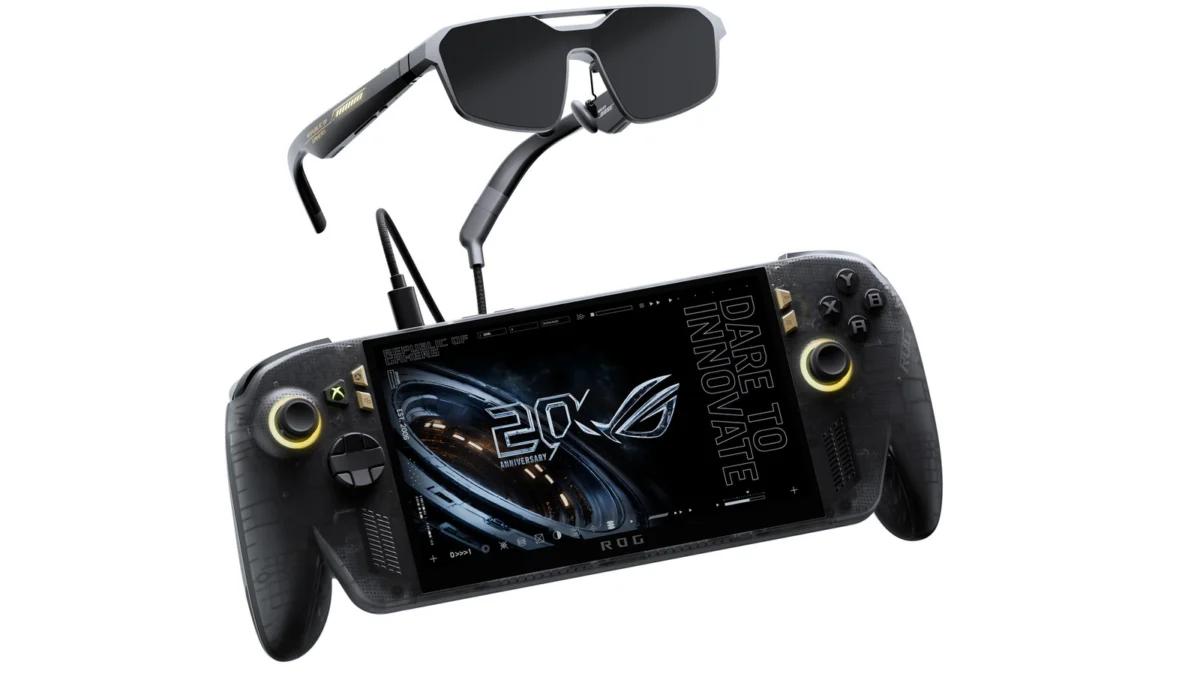
In the fast-evolving landscape of portable gaming, few milestones carry as much weight as the 20th anniversary of a major industry pillar. ASUS, through its Republic of Gamers (ROG) sub-brand, has spent two decades defining the boundaries of enthusiast-grade hardware. To commemorate this legacy, the company has officially pulled back the curtain on its most ambitious handheld offering to date: the ROG Xbox Ally X20.
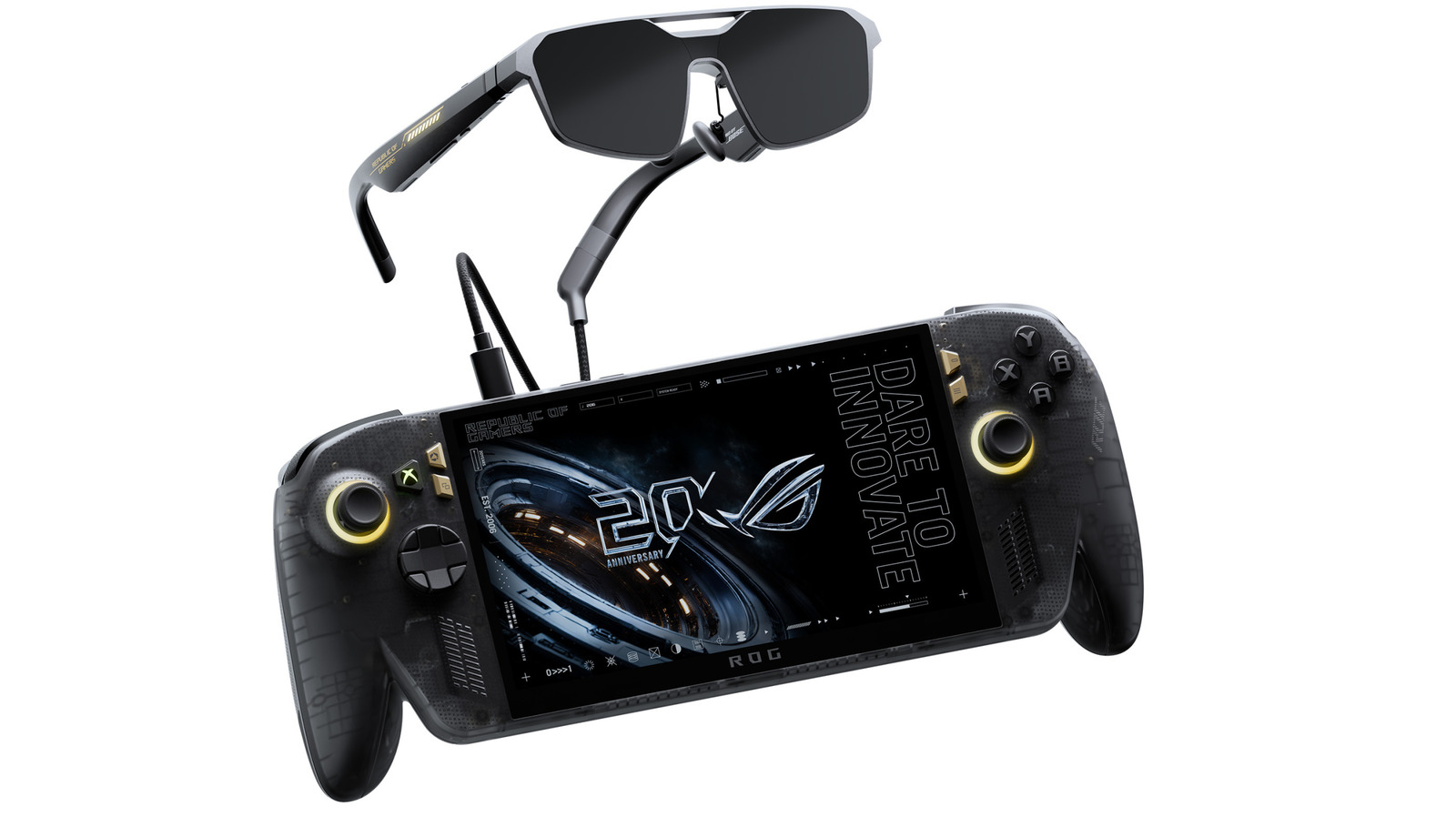
This limited-edition bundle represents more than just a hardware refresh; it is a convergence of high-end display technology, refined ergonomics, and augmented reality integration. By pairing a bespoke, collector-focused handheld with cutting-edge AR eyewear, ASUS is signaling a shift in how it expects users to consume AAA gaming on the go.
Main Facts: A Convergence of Power and Aesthetics
The ROG Xbox Ally X20 is designed to serve as both a functional powerhouse and a centerpiece for hardware enthusiasts. At its core, the device retains the architectural integrity of the original Ally X, but the similarities end where the user experience begins.
The standout feature is undoubtedly the 7.4-inch 1080p 120Hz OLED panel. This display technology is a significant leap forward, offering a peak brightness of 1,400 nits and AMD FreeSync Premium Pro support. The inclusion of a VESA DisplayHDR 1000 rating ensures that the device can handle high-contrast, high-dynamic-range content with professional-grade accuracy. Furthermore, the 0.2ms response time and the application of Corning DXC glass with anti-reflective coating address the primary pain points of mobile gaming: ghosting and glare in bright environments.
Beyond the visuals, the X20 features a distinctive aesthetic identity. The chassis is crafted from translucent black plastic, offering a window into the internal cooling systems and processing unit—a nostalgic nod to the tech aesthetic of the early 2000s. Complementing this "stealth" look are refined gold accents, branding the device as a premier collector’s item rather than a standard consumer unit.
A Brief Chronology: Two Decades of ROG Excellence
To understand the significance of the X20, one must look back at the trajectory of ASUS’s ROG division.
- 2004: ASUS launches the Republic of Gamers brand, initially focusing on high-performance motherboards and graphics cards for PC enthusiasts who demanded superior overclocking capabilities.
- 2010s: ROG expands into laptops, peripherals, and custom PC builds, cementing its status as a market leader in the desktop replacement category.
- 2023: ASUS enters the handheld market with the original ROG Ally, challenging the dominance of the Steam Deck by leveraging the versatility of the Windows ecosystem.
- 2024 (Mid-Year): The launch of the ROG Ally X provides a mid-cycle refresh, doubling battery capacity and improving RAM speeds, which set the foundation for the current X20 iteration.
- Present Day: The announcement of the ROG Xbox Ally X20 bundle serves as the grand finale for the 20th-anniversary celebration, integrating AR technology to expand the definition of "portable gaming."
Supporting Data: Technical Specifications and Performance
The X20 is not merely a cosmetic exercise; it is an engineering showcase. Under the hood, the device is powered by the AMD Ryzen AI Z2 Extreme processor. This silicon is designed to handle the heavy lifting required for modern titles, paired with 24GB of LPDDR5X RAM—an upgrade that allows for smoother multitasking and better handling of memory-intensive textures.
The storage solution remains a 1TB PCIe 4.0 NVMe drive, ensuring rapid load times for massive game files. A critical addition for the X20 is the "Auto SR" (Super Resolution) preview. Originally reserved for high-end Windows 11 Copilot+ PCs, this AI-driven upscaling allows the handheld to maintain high frame rates at higher resolutions without significantly taxing the thermal envelope of the device.
Ergonomics and Control Precision
ASUS has paid close attention to user feedback regarding the original Ally’s inputs. The X20 features new TMR (Tunneling Magnetoresistive) joystick technology. Unlike traditional potentiometers, TMR sensors are immune to stick drift and offer significantly higher precision and longevity.
The D-Pad has been overhauled into a "Transforming" eight-way input, providing more tactile feedback for fighting games and platformers. Furthermore, the face buttons have been redesigned to sit flush with the chassis, facilitating a smoother "sliding" motion for thumb-heavy gameplay. To ensure the device remains comfortable during marathon sessions, the rear handgrips now feature a high-grip rubberized coating.
The AR Experience: ROG Xreal R1 Edition 20
The bundle is completed by the ROG Xreal R1 Edition 20 AR glasses. These glasses are designed to transform the Ally X20 from a handheld device into a private, cinematic experience.
- Virtual Screen: Equivalent to a 171-inch display at a distance of 4 meters.
- Performance: 240Hz refresh rate and a staggering 0.01ms response time.
- Connectivity: USB-C tethering with native 3DoF (three degrees of freedom) head tracking, allowing the display to remain anchored in space as the user moves their head.
Official Responses and Strategic Positioning
ASUS has framed the ROG Xbox Ally X20 as a "true collector’s item." In press materials, the company emphasizes that the design choices—specifically the translucent casing and the internal cooling modifications—were made to satisfy the "most demanding of ROG fans."
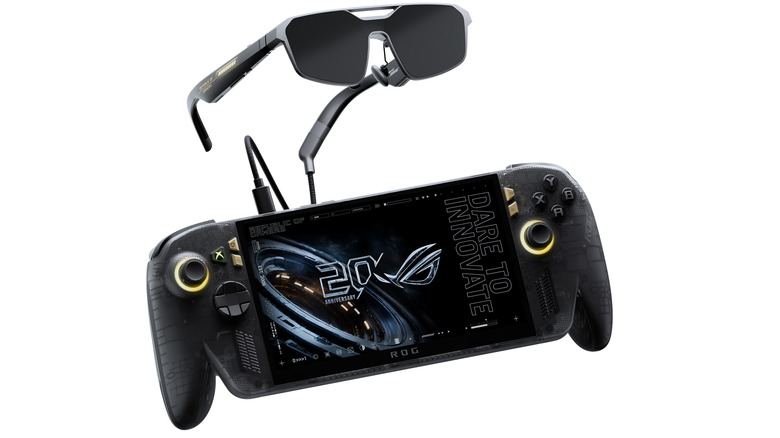
The decision to pair the device with AR glasses suggests that ASUS is attempting to diversify its portfolio. By moving into the "XR" (Extended Reality) space via this bundle, the company is positioning the ROG Ally ecosystem as a platform that can eventually supersede the need for physical monitors.
While ASUS has not provided a specific MSRP or release date, market analysts suggest the "collector" status and the high-end AR integration indicate a premium price point. Given that the standard Ally X retails for $1,000 and the Xreal R1 glasses are valued at $849, the bundle is widely expected to land in the $1,800 to $2,000 range.
Implications for the Handheld Market
The arrival of the ROG Xbox Ally X20 has several significant implications for the industry:
- The OLED Standard: With the X20, ASUS has moved the goalposts for handheld displays. The inclusion of an OLED panel with 1,400 nits of peak brightness puts immense pressure on competitors like Valve and Lenovo to upgrade their own screen technologies in future iterations.
- The Rise of Peripheral Integration: The focus on AR glasses as a primary accessory signals that the "handheld" category is evolving. It is no longer just about the screen on the device; it is about the peripheral ecosystem that expands the device’s capability.
- Windows 11 as a Competitive Advantage: By leaning into features like Auto SR and Copilot+ integration, ASUS is successfully differentiating its Windows-based handhelds from the more restrictive, Linux-based alternatives.
- Premium Positioning: By targeting collectors, ASUS is exploring a luxury tier for handhelds. This strategy mirrors the automotive industry, where special edition releases help maintain brand prestige and test high-end features that may eventually trickle down to entry-level models.
Final Thoughts
The ROG Xbox Ally X20 is an ambitious, if niche, addition to the ASUS lineup. By combining the best-in-class processing power of the Ally X with a gorgeous, high-brightness OLED panel and the novelty of AR eyewear, ASUS has created a device that is as much a statement piece as it is a gaming machine. Whether this bundle will define the next generation of handhelds or remain a celebratory artifact of the brand’s 20th year remains to be seen. However, for those looking for the absolute pinnacle of current portable gaming technology, the X20 is poised to be an unmatched, albeit expensive, experience.


 Asro
Asro