Dwi Wanna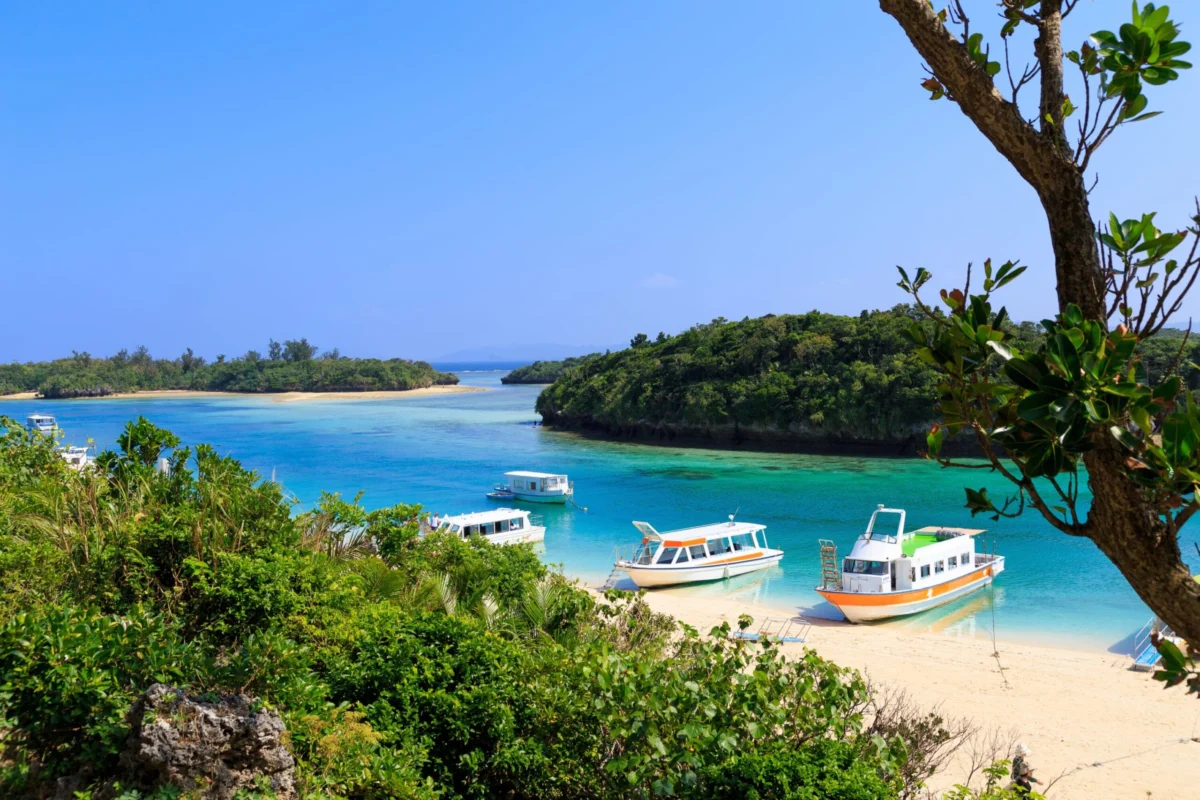
While the global perception of Japan is often anchored in the neon-lit vitality of Tokyo, the meditative silence of Kyoto’s Zen gardens, and the majestic, snow-dusted peak of Mount Fuji, there exists an entirely different facet of the archipelago waiting to be explored. Japan is, at its core, a maritime nation—an island chain defined by thousands of miles of breathtaking, diverse coastline. From the sub-tropical, azure horizons of Okinawa to the rugged, dramatic cliffs of Honshu, Japan’s beaches are not merely recreational spaces; they are ecological wonders that rival the most celebrated seaside destinations in the world.
Whether you are a seasoned surfer chasing the next great swell, a marine enthusiast hoping to snorkel alongside sea turtles, or a traveler seeking the solace of pristine, white-sand isolation, the Japanese coast offers a sanctuary for every archetype of explorer. This guide delves into the top seven beaches that define the Japanese summer, providing the logistical framework and cultural context necessary to navigate these coastal treasures.
Japan’s Top Beaches at a Glance
| Beach Name | Location | Primary Appeal |
|---|---|---|
| Nishihama Beach | Okinawa (Hateruma) | Untouched tropical solitude |
| Kabira Bay | Okinawa (Ishigaki) | Coastal aesthetics & glass-boat tours |
| Yonaha Maehama | Okinawa (Miyako) | Family-friendly, full-service amenities |
| Shirahama Beach | Shizuoka (Shimoda) | Surfing & convenient Tokyo escapes |
| Hirizo Beach | Shizuoka (Minami-Izu) | Exceptional, high-clarity snorkeling |
| Jodogahama Beach | Iwate | Volcanic rock formations & scenery |
| Tsunoshima Beach | Yamaguchi | Iconic bridge views & road trips |
The Tropical Oasis: The Okinawan Archipelago
The Okinawa Prefecture serves as Japan’s answer to the South Pacific. With a subtropical climate, emerald waters, and a distinct Ryukyuan culture, these islands offer an experience far removed from the mainland’s temperate rhythm.
1. Nishihama Beach (Hateruma Island)
For the traveler seeking the "End of the World" experience, Nishihama Beach is unparalleled. Located on Hateruma, the southernmost inhabited island in Japan, the beach is defined by what locals call "Hateruma Blue"—a shade of turquoise so vivid it seems to defy natural physics.
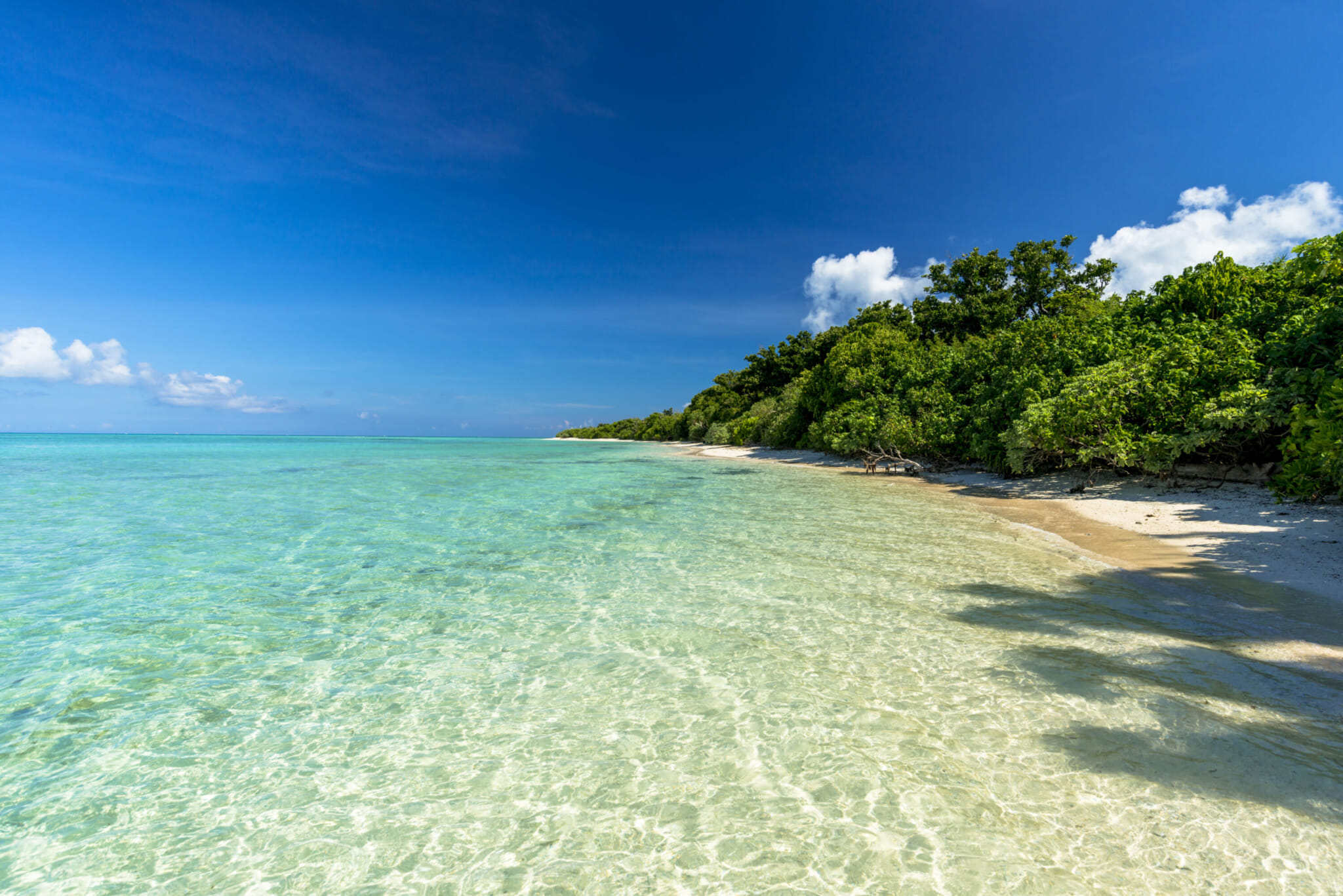
- The Experience: The beach is a haven of solitude. Because it lacks commercial development—no souvenir shops, no beach clubs, and no high-rise resorts—it remains a sanctuary of silence. The coral reefs just offshore are thriving, making it a dream for those who bring their own snorkeling gear.
- Logistics: Access requires a flight to New Ishigaki Airport, followed by a high-speed ferry ride. Travelers must arrive with everything they need, as the island demands a "leave no trace" policy.
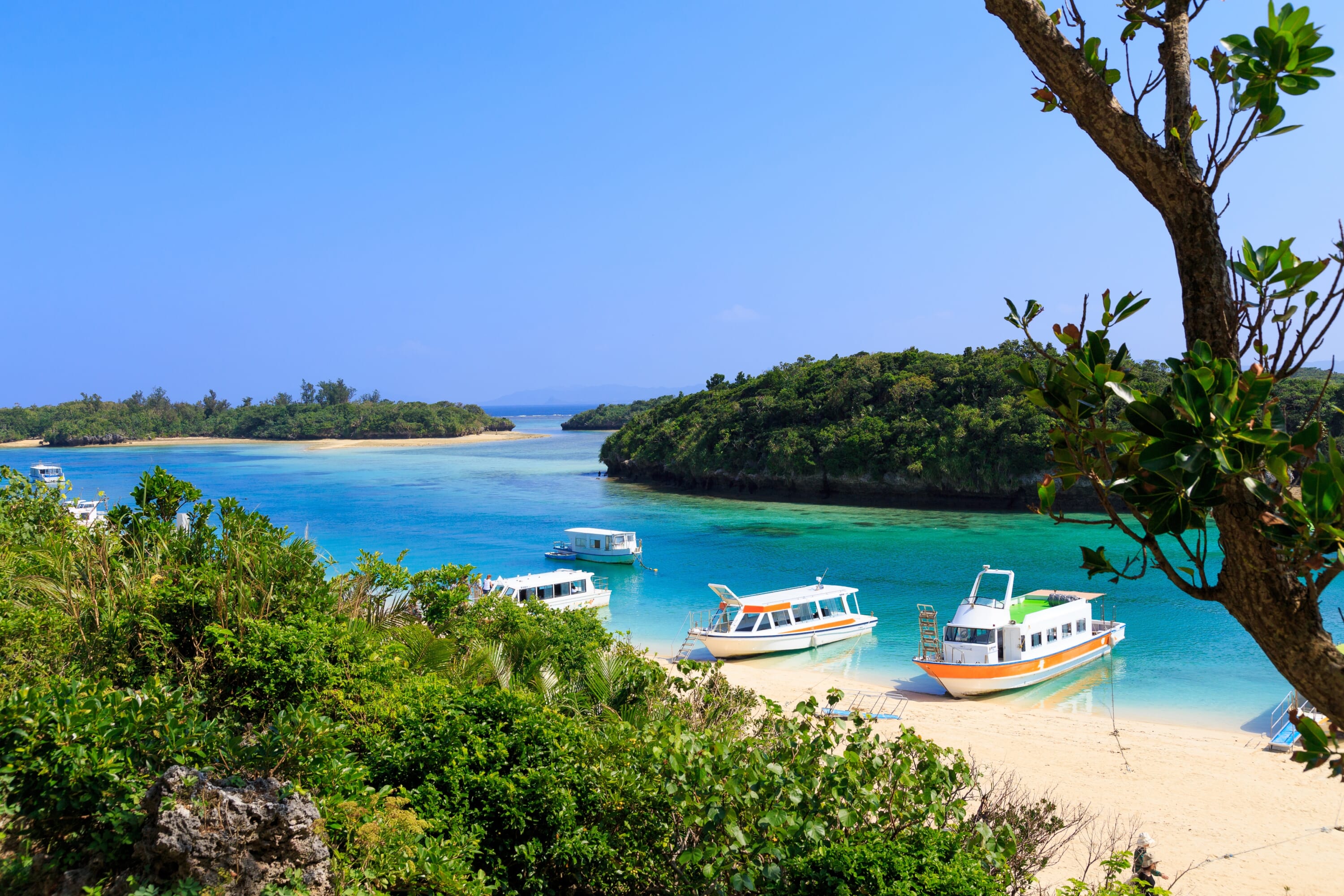
2. Kabira Bay (Ishigaki Island)
Kabira Bay is the crown jewel of Ishigaki’s coastal tourism. Frequently featured in national advertisements and awarded three stars by the Michelin Green Guide, the bay is a masterpiece of landscape gardening on a geological scale.
- The Experience: Swimming is strictly prohibited here, both for safety due to strong currents and to protect the delicate black pearl cultivation that takes place in the bay. Instead, visitors utilize glass-bottom boat tours. The sight of giant clams and intricate coral gardens beneath the emerald surface is a transformative experience.
- Logistics: Easily accessible via a 30-minute drive from the airport, the area is well-equipped with amenities, cafes, and professional tour operators.
3. Yonaha Maehama Beach (Miyako Island)
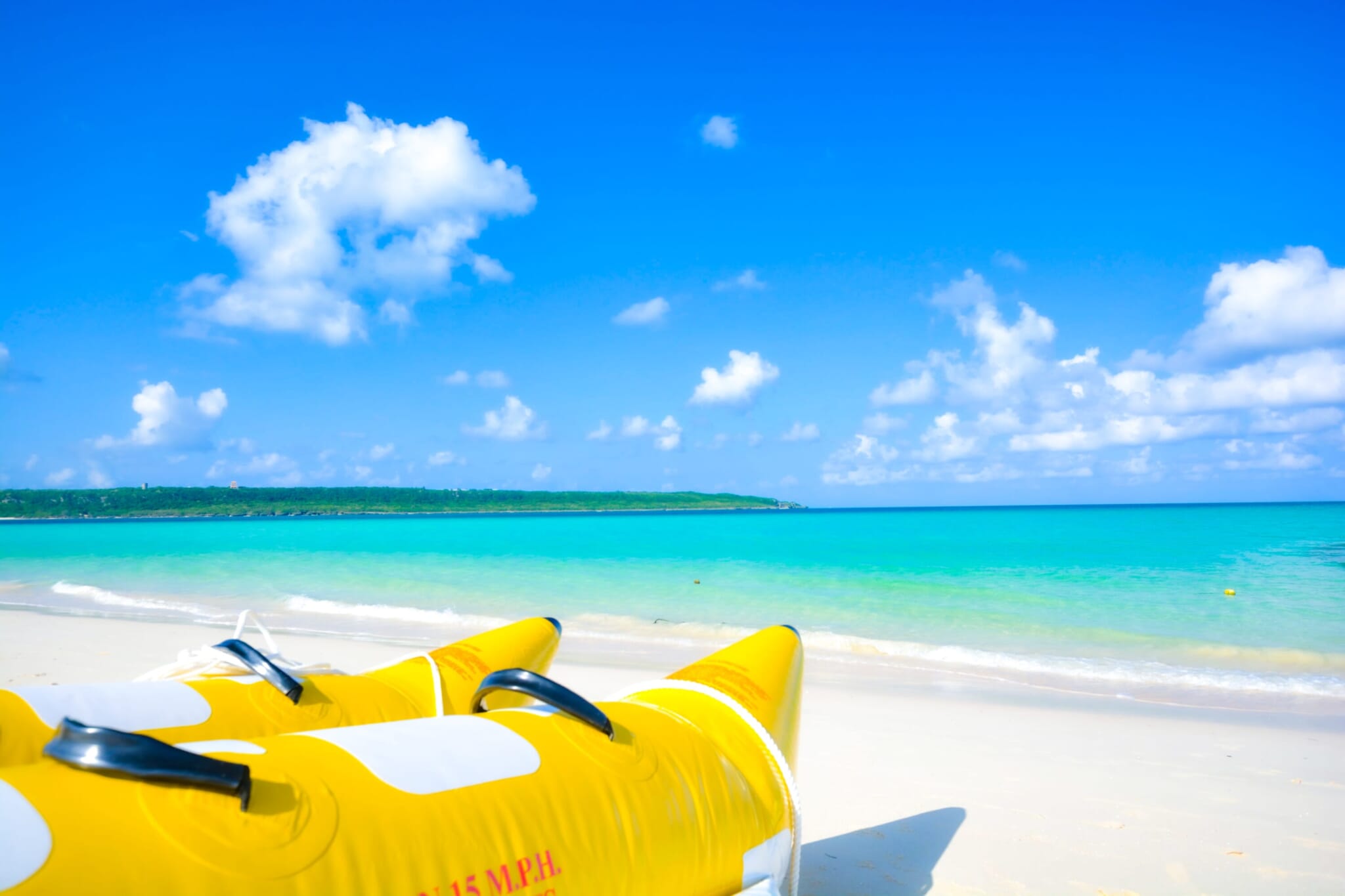
If Nishihama is for the hermit, Yonaha Maehama is for the family. Stretching seven kilometers along the southwestern coast of Miyako Island, this beach is widely regarded as the finest in Japan.
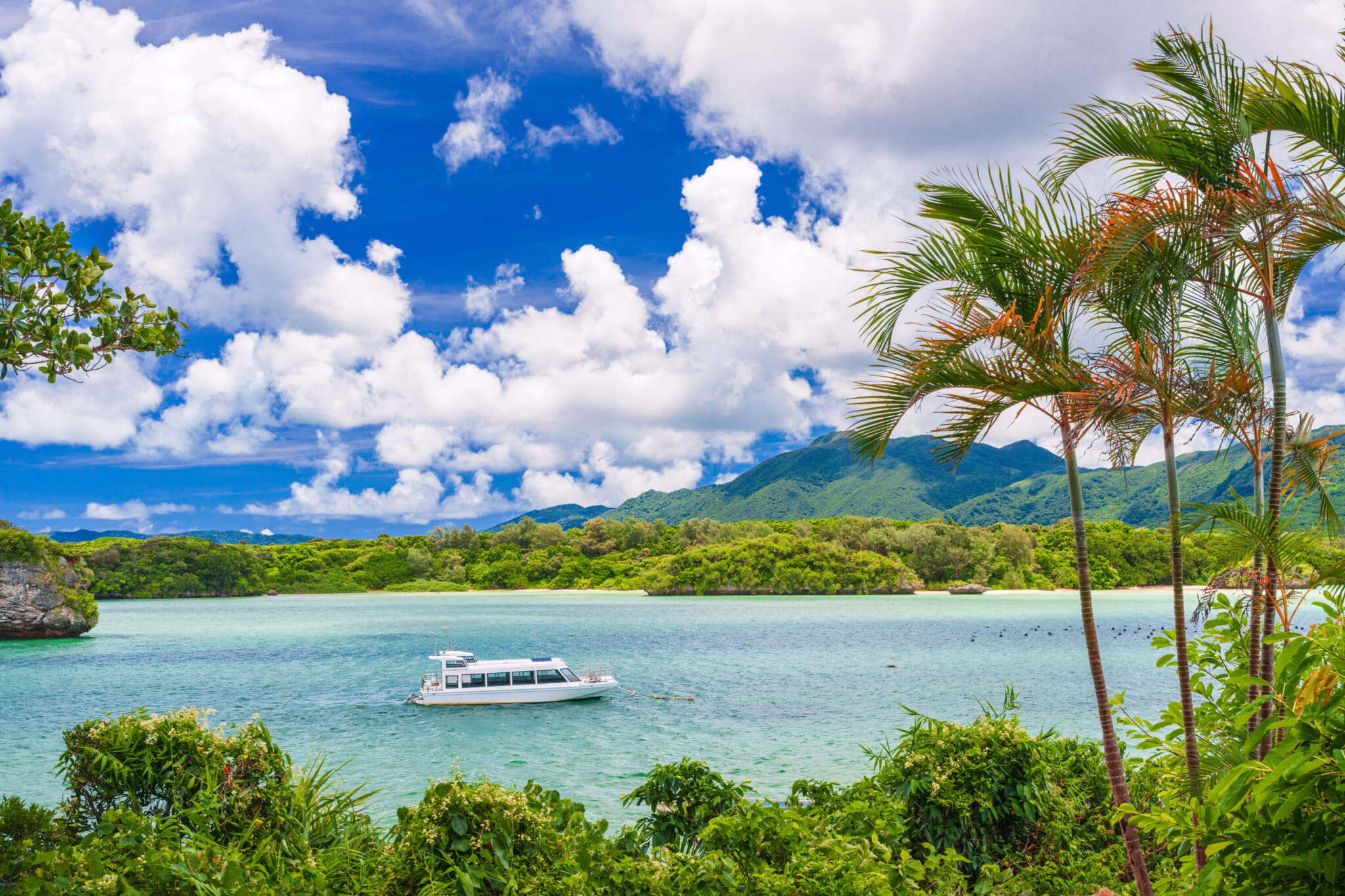
- The Experience: The sand here is remarkably fine, and the water is consistently shallow, creating a natural wading pool that is perfect for children. Unlike the wilder islands, Yonaha Maehama provides a full suite of amenities, including high-quality rental gear, jet-ski operations, and lifeguards during the peak season.
- Logistics: The island is reachable via direct flights from Tokyo, making it an accessible "luxury" beach experience without sacrificing the tropical aesthetic.
The Rugged North and Dynamic Honshu Coast
The mainland coast of Japan offers a starkly different, more dramatic beauty. Here, the landscape is shaped by volcanic activity and the shifting tides of the Pacific, creating a maritime experience that feels ancient and imposing.
4. Jodogahama Beach (Iwate Prefecture)
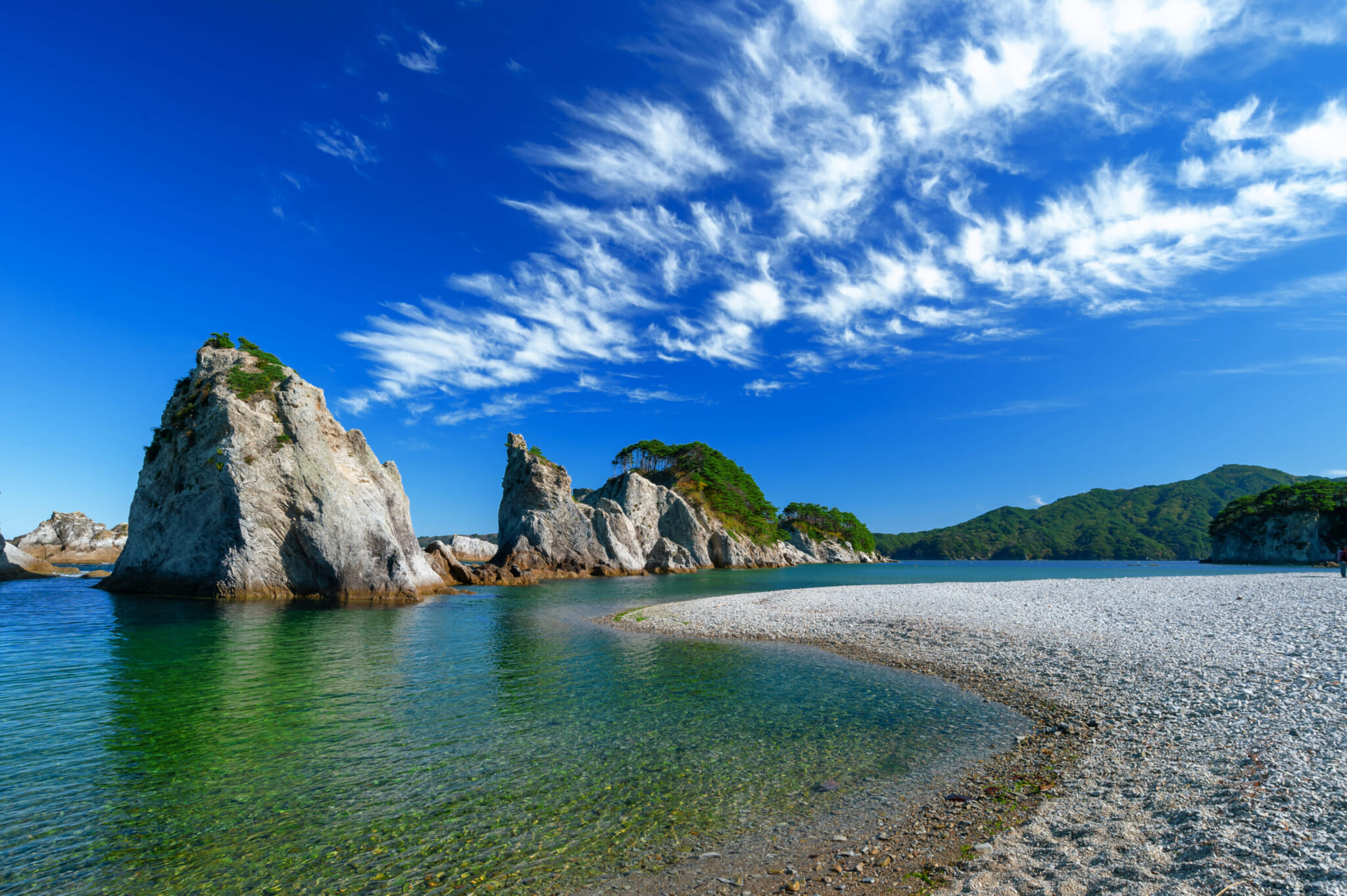
In the Tohoku region, Jodogahama—or "Pure Land Beach"—is a place of profound aesthetic beauty. According to local folklore, a Buddhist monk once stood upon the cliffs and remarked that the jagged, white volcanic rock towers rising from the sea resembled the Buddhist paradise.
- The Experience: The water is crystalline and calm, sheltered by the rock formations that define the bay. It is a premier location for sea kayaking and taking cruise boats into the mysterious "Blue Cave."
- Logistics: Getting here requires a journey via the Tohoku Shinkansen to Morioka, followed by bus transport. It is a destination for those who prefer the rugged, contemplative beauty of the north over the tropical warmth of the south.
5. Shirahama Beach (Shizuoka Prefecture)
For those residing in Tokyo, the Izu Peninsula is the traditional summer escape. Shirahama, located in the town of Shimoda, is the epicenter of this culture.
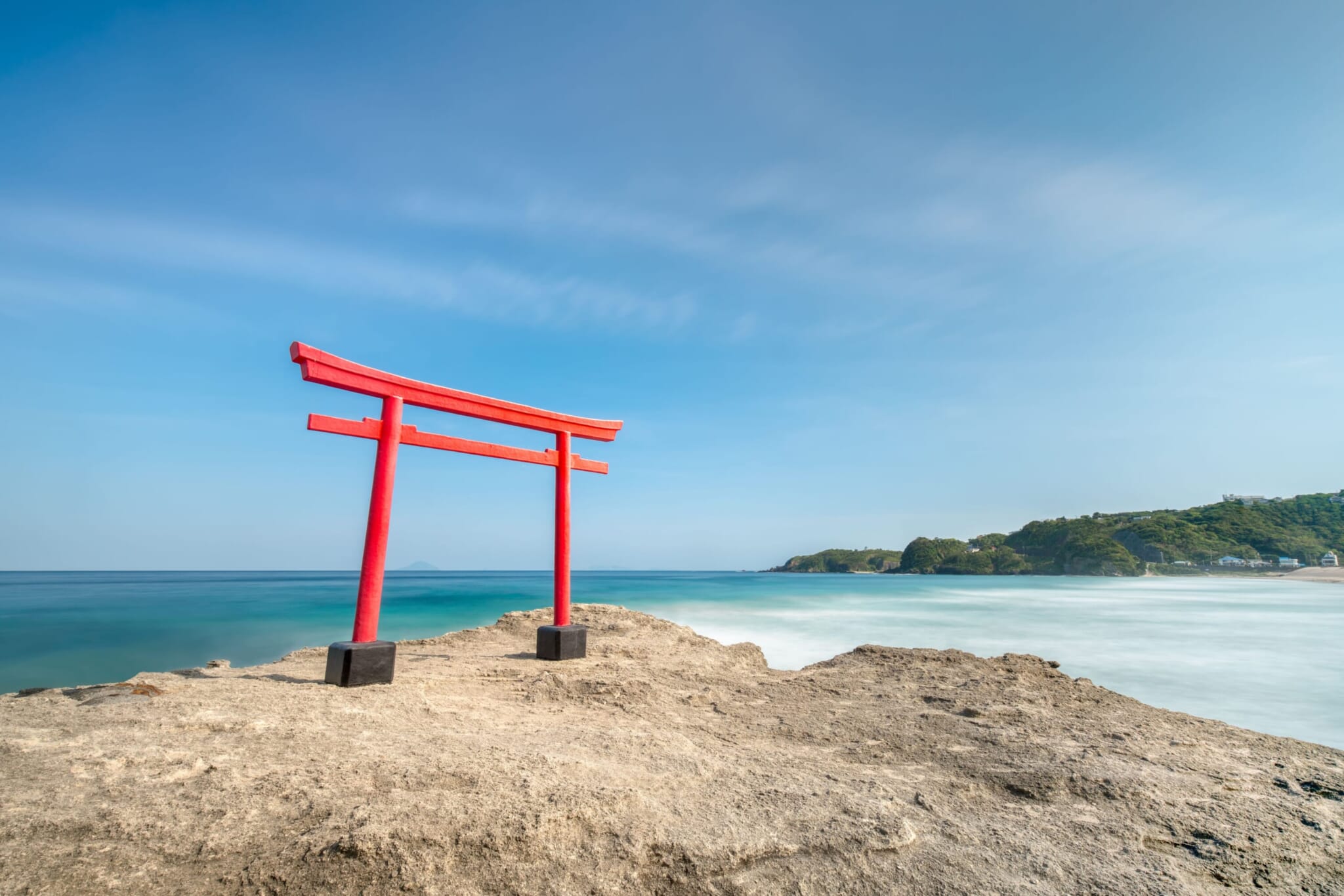
- The Experience: Shirahama is high-energy. It is a place to see and be seen, popular among surfers and young urbanites. The iconic red torii gate standing on the rocks provides a stark contrast to the blue ocean, serving as one of the most photographed spots on the coast.
- Logistics: A two-and-a-half-hour trip on the JR Odoriko limited express train brings you to the heart of the Izu coast, making it the most convenient beach for a weekend excursion.
6. Hirizo Beach (Shizuoka Prefecture)
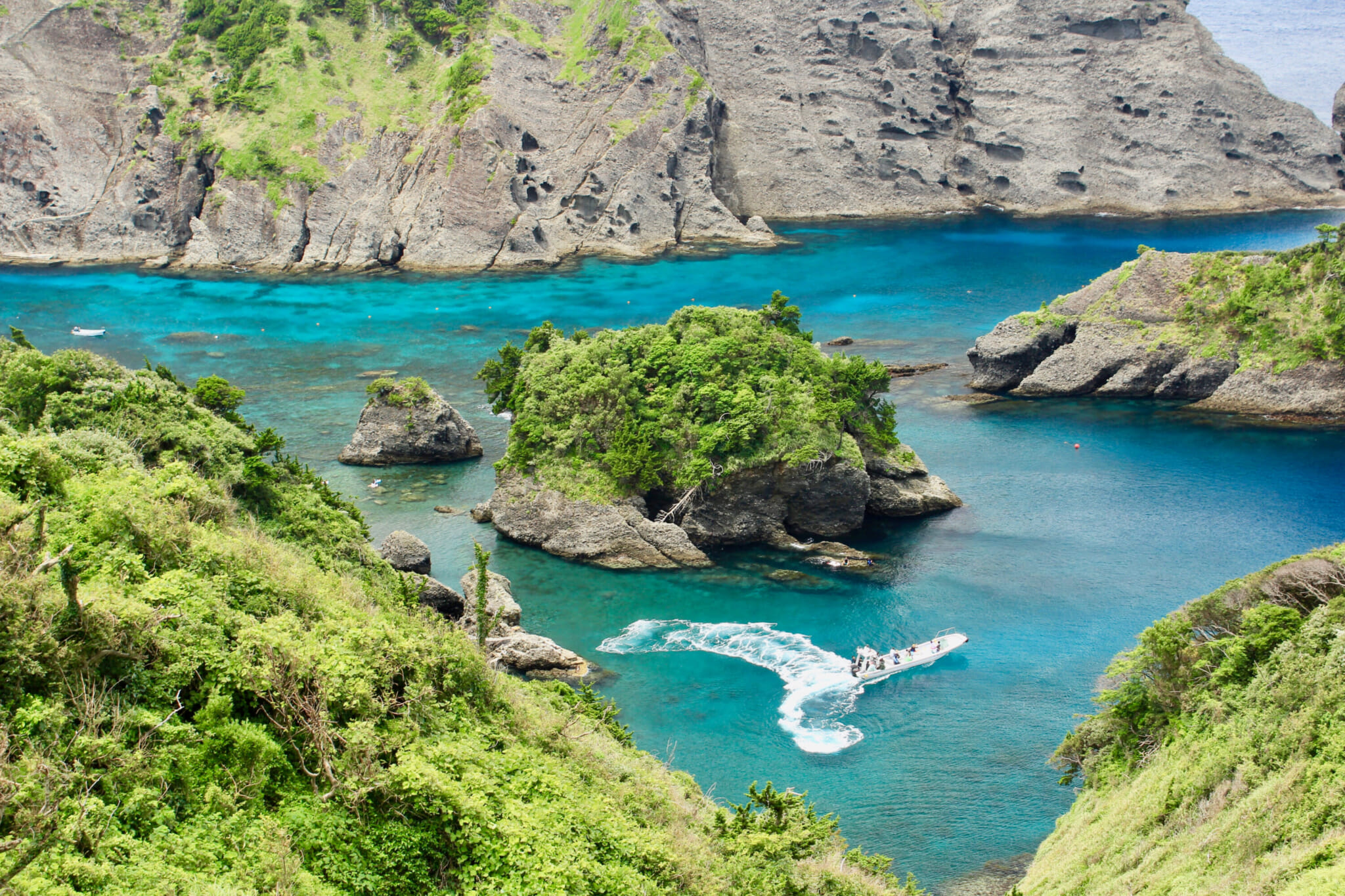
Tucked away from the crowds of Shirahama, Hirizo Beach is a testament to the power of geography. It is accessible only by a short ferry ride from Nakagi Harbor, as it is cordoned off by steep, impassable cliffs.
- The Experience: This is perhaps the best snorkeling site on the mainland. Because it is surrounded by a protected nature reserve and fed by the warm Kuroshio Current, the biodiversity here is immense. You will find tropical fish species that are rare this far north.
- Logistics: The ferry only runs from July to September. There are no facilities on the beach itself; all preparation must occur at the harbor before departure.
7. Tsunoshima Beach (Yamaguchi Prefecture)
Tsunoshima is the intersection of engineering and natural beauty. The beach is reached by driving across the Tsunoshima Bridge, which stretches nearly two kilometers over a bright, shallow sea.
- The Experience: The bridge itself is an architectural marvel that makes the commute to the beach a highlight of the trip. The island offers a blend of white-sand swimming and historic exploration, including a 19th-century lighthouse.
- Logistics: Accessible via a drive from Shin-Shimonoseki, this is a destination that rewards those who enjoy coastal road trips.
Critical Travel Considerations
The Official Swimming Season (Umi Biraki)
In mainland Japan, the official swimming season, or umi biraki, is a strictly observed period, typically lasting from mid-July to late August. During this time, the "sea opening" ceremony is held, lifeguards are stationed at designated spots, and beach huts (umi no ie) provide food and rental equipment. Visitors should note that swimming outside of these windows is often discouraged or prohibited, as lifeguards are not present. Okinawa, conversely, enjoys a much longer season, stretching from April to October.
Navigating Natural Risks
The summer months, while beautiful, coincide with the peak of Japan’s typhoon season. Storms moving through the Pacific can disrupt travel plans, grounding flights and suspending ferry services.
- Implications: Travelers should prioritize flexible insurance policies and always maintain a secondary, inland itinerary.
- Jellyfish Awareness: Late August often brings a surge in jellyfish, particularly on the mainland. In the southwest, the highly venomous Habu jellyfish are a genuine threat. Always adhere to local safety netting, which is installed at major resorts to protect swimmers.
Cultural Etiquette and Tattoos
Despite the modernization of Japan, social attitudes regarding tattoos remain conservative. In many public areas, particularly at high-traffic beaches or those with associated hot spring (onsen) facilities, visible tattoos may be restricted.
- Recommendation: To avoid friction with local beachgoers, it is common practice to cover ink with rash guards, swim leggings, or waterproof bandages.
Environmental Stewardship
Japan’s coastal beauty is a point of national pride. The "leave no trace" ethos is not just a suggestion—it is a cultural expectation. Visitors are expected to carry their trash off the beach and respect the noise ordinances that are common at many Japanese shorelines. By respecting these spaces, we ensure that these world-class coastal destinations remain pristine for the next generation of travelers.


 Neng Nana
 Asro
Asro