

While global audiences recognize Mujirushi Ryouhin—universally known as MUJI—for its "no-brand" minimalist philosophy, clean stationery, and functional household goods, a quiet revolution has been taking place in the aisles of their food section. For years, the Japanese retail giant has been diversifying its portfolio, moving away from purely lifestyle-oriented products toward a sophisticated culinary lineup. Among their recent successes are their line of instant curries, artisanal freeze-dried soups, and now, a premium entry into the home-cooking market: the "Made-in-Italy" risotto series.
This article explores the mechanics, the culinary experience, and the broader implications of MUJI’s latest foray into authentic European cuisine.
The Evolution of the MUJI Pantry
To understand the significance of this new risotto series, one must look at the trajectory of MUJI’s food department. Historically, MUJI focused on snack items and simple tea selections. However, consumer demand for "convenience with quality" has prompted the brand to pivot toward meal kits that require minimal intervention but yield high-end results.
The "Made-in-Italy" series is not merely a localized recreation of Italian food; it is a direct import-style experience. By sourcing genuine Italian ingredients—specifically the rice—MUJI is positioning itself as a curator of global flavors rather than just a manufacturer of convenience foods.
Chronology of the Tasting: A Step-by-Step Analysis
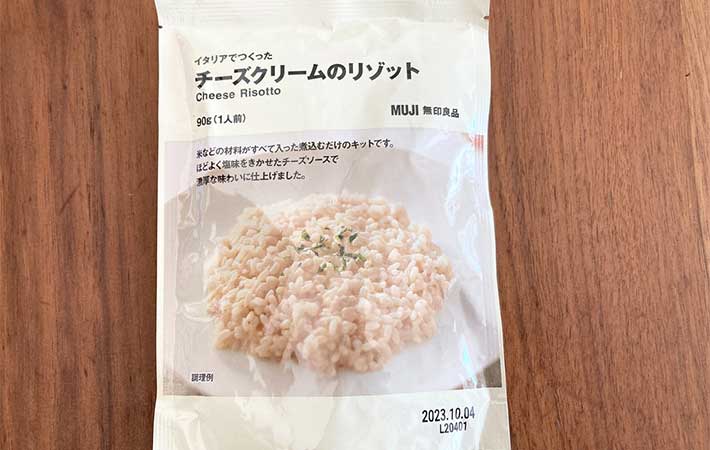
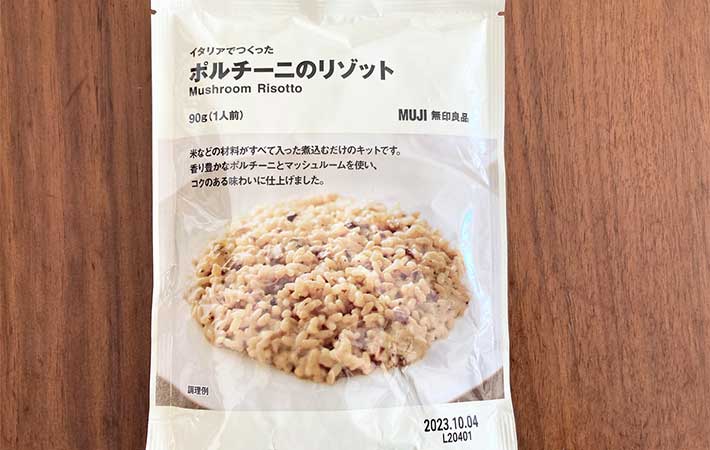
The editorial team recently conducted a controlled taste test of two flagship flavors from this series: Cheese Cream and Porcini. What follows is a detailed breakdown of the preparation process and the sensory profile of these dishes.
Phase 1: The Unboxing
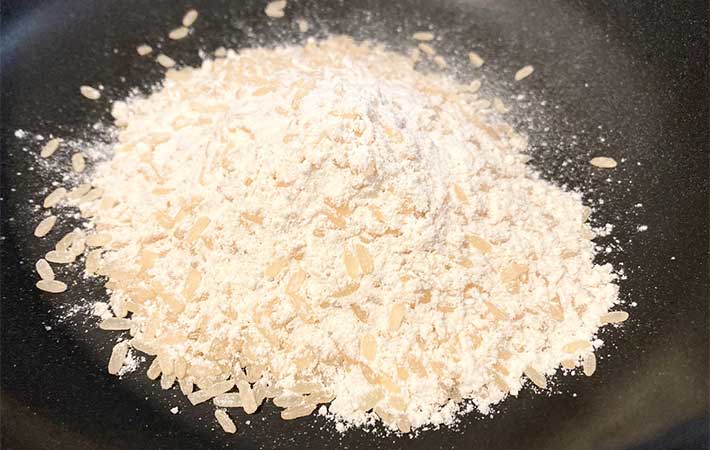
Upon opening the packaging, the immediate impression is one of surprise. Unlike traditional "instant" risottos that use precooked, dehydrated grains with a chalky texture, MUJI’s kit contains authentic, uncooked Italian rice. This inclusion serves as a testament to the brand’s commitment to texture, acknowledging that true risotto requires the starch to be released from the grain during the slow-cooking process.
Phase 2: The Cooking Ritual
The preparation is deceptively simple, yet it demands a level of engagement that distinguishes it from microwave-ready meals.
- The Base: The contents of the package are poured into a small pot.
- Hydration: A precise amount of water is added. The ratio is critical to achieving the all’onda (wavy) consistency characteristic of perfect risotto.
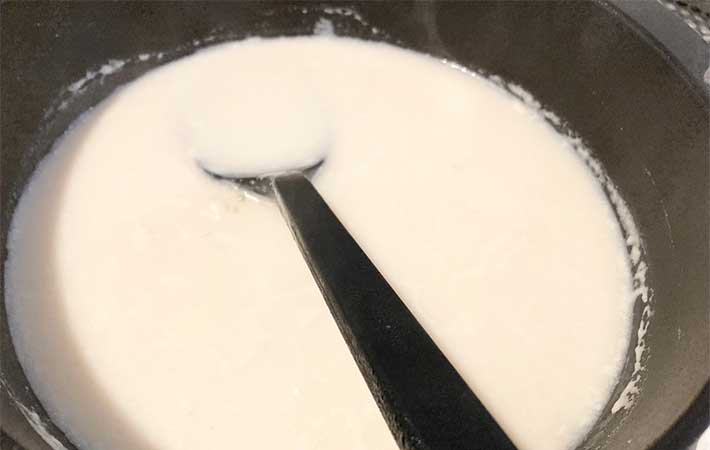
- The Simmer: After bringing the mixture to a boil, the heat is reduced. This is where the "Made-in-Italy" designation truly shines. The user must stir frequently—a meditative process that prevents the rice from scorching while coaxing the starch into a creamy emulsion.
- The Finish: Unlike a stew, this dish is not covered. Allowing the liquid to evaporate naturally ensures the rice remains al dente rather than turning into porridge.
Phase 3: Sensory Evaluation
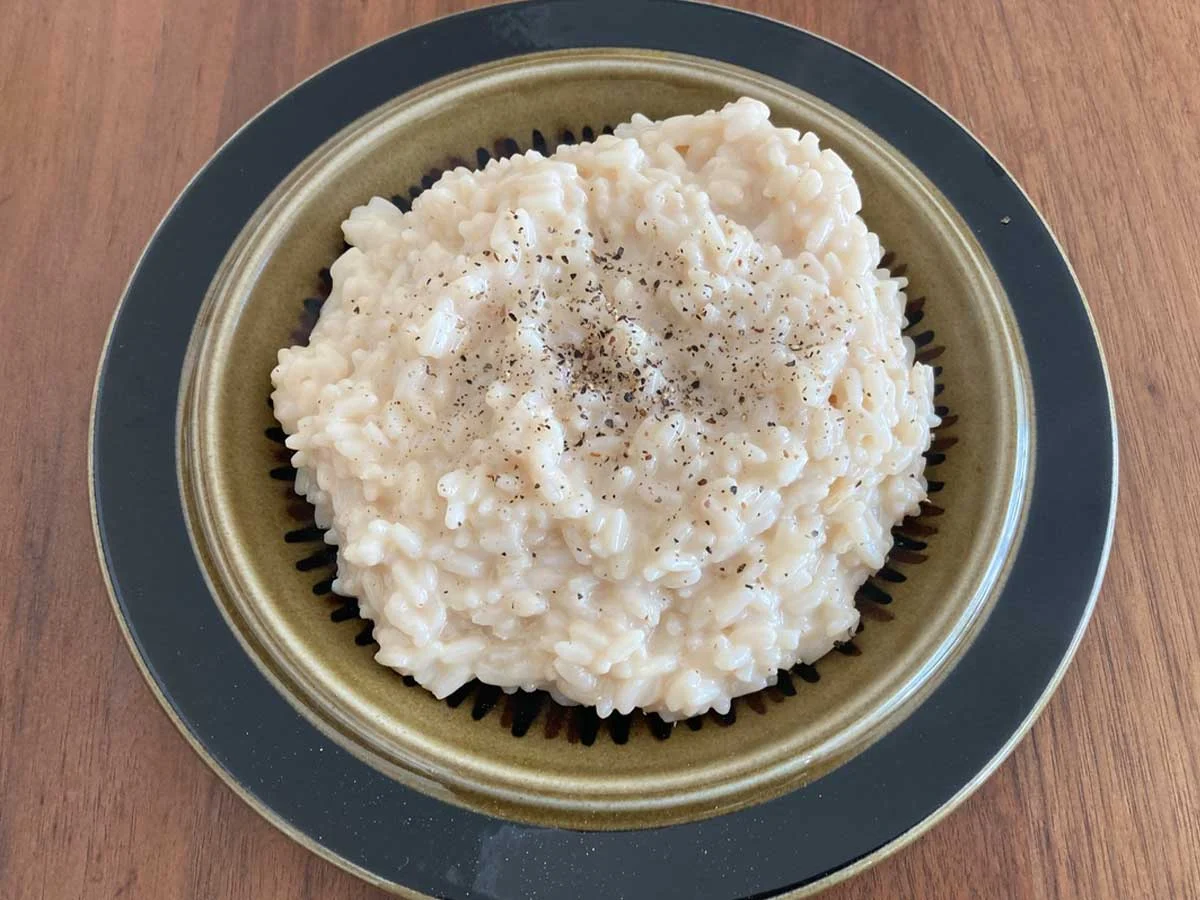
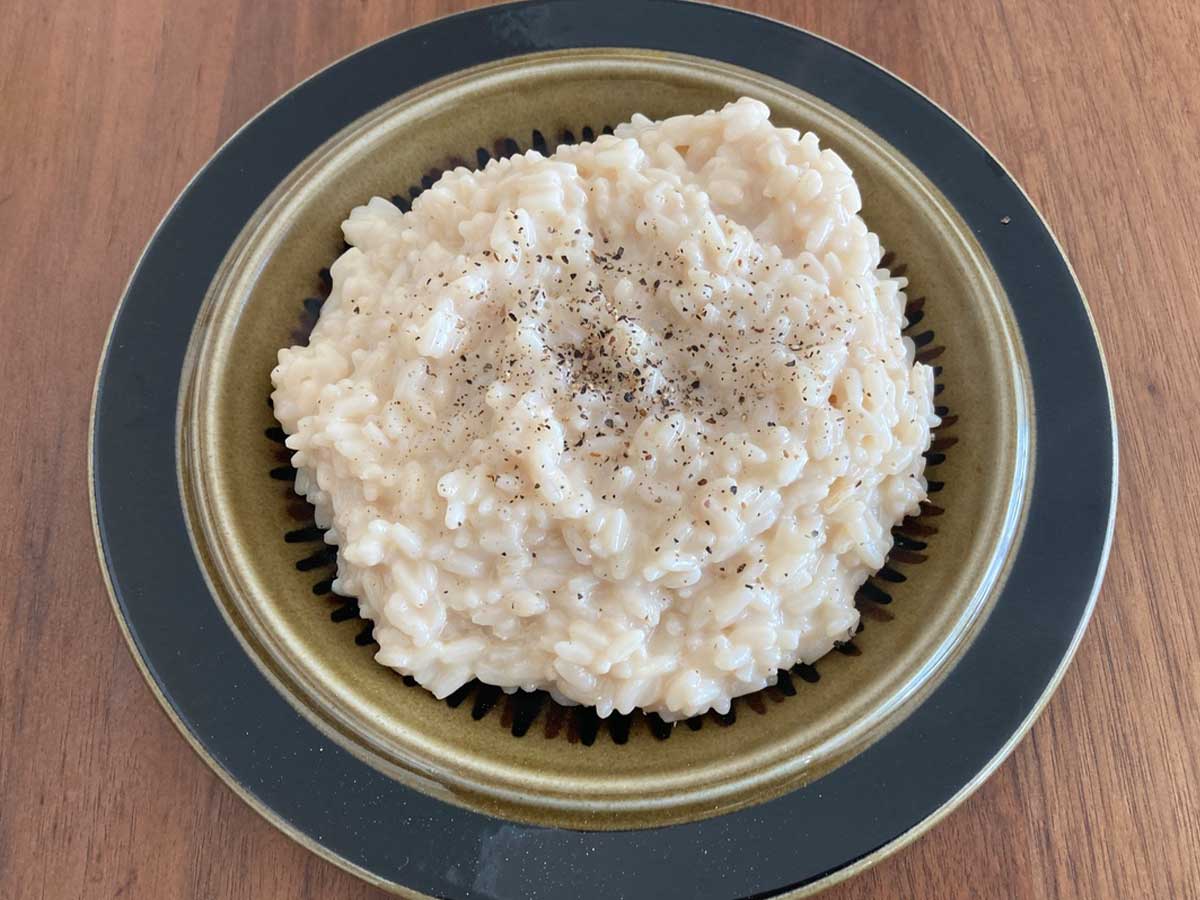
- Cheese Cream: This flavor profile is unapologetically bold. The richness of the cheese is immediate, coating the palate with a savory, buttery warmth. The addition of freshly cracked black pepper serves as a necessary sharp contrast, cutting through the density of the cream and elevating the complexity of the dish.
- Porcini: In contrast, the Porcini variety is a study in subtlety. It avoids the heavy saltiness often found in mass-market mushroom products. Instead, it relies on the deep, earthy umami of the dried mushrooms. It is a more refined, sophisticated experience that speaks to the "forest floor" essence of authentic Italian cooking.
Supporting Data and Market Analysis
Priced at 290 yen (tax included), the MUJI risotto series occupies a unique market niche.
- Cost-to-Value Ratio: In the context of the Tokyo food market, 290 yen is an aggressive price point. For less than the cost of a standard fast-food lunch, a consumer receives a product that rivals the quality of a mid-tier Italian bistro.
- Time Investment: The 30-minute preparation time is a crucial metric. While it is significantly longer than a 3-minute instant noodle cup, it is significantly shorter than preparing a risotto from scratch—which requires sourcing arborio rice, vegetable stock, aromatics, and cheeses separately. MUJI has successfully identified a "sweet spot" for the busy professional who desires a "slow food" experience within a "fast-paced" lifestyle.
Official Stance and Philosophy
While MUJI rarely issues formal press releases regarding individual food items, their corporate philosophy—MUJI is not a brand, but a system of living—is clearly visible here. The goal of the "Made-in-Italy" series is to remove the "barrier to entry" for home cooking. By providing the essential base and allowing the user to participate in the final assembly, MUJI preserves the human connection to the food.
By sourcing ingredients directly from Italy, they are also navigating the complex logistics of international supply chains to maintain their reputation for quality control. This move aligns with their broader strategy of global sourcing, ensuring that their retail footprint is not just a place to buy things, but a place to discover cultural traditions.
The Broader Implications: The "Premiumization" of Convenience
The success of these risotto packets signals a significant shift in consumer behavior.
1. The Rise of "Prosumer" Food
Consumers are increasingly identifying as "prosumers"—individuals who want to be part of the production process. They want the convenience of a kit but the pride of having "cooked" a meal. MUJI’s risotto perfectly facilitates this, allowing the cook to adjust the seasoning or the texture slightly, providing a sense of agency that a ready-to-eat bento box lacks.
2. Democratizing Fine Dining
Historically, high-quality risotto has been viewed as a restaurant-only dish due to the skill required to manage the rice’s starch release. By standardizing the process into a 290-yen package, MUJI is effectively democratizing fine dining. This has profound implications for urban demographics, where living spaces are small, and kitchen resources are often limited to a single burner.
3. Sustainability and Waste Reduction
The packaging design for these kits is characteristically efficient. By providing exactly the amount of rice and seasoning needed for a single or double serving, MUJI minimizes food waste—a cornerstone of their brand identity. For the eco-conscious consumer, this is a significant selling point.
Conclusion: A New Standard for Home Meals
MUJI’s "Made-in-Italy" risotto series is more than just a grocery item; it is a masterclass in product positioning. By balancing price, convenience, and culinary integrity, MUJI has successfully migrated from a retailer of "goods" to a facilitator of "experiences."
As we look toward the future of home dining, we can expect to see more of these "curated kits." Whether it is for the busy student, the professional with little time to spare, or the home cook looking to experiment with international flavors without the stress of complex recipes, MUJI has proven that quality does not need to be expensive or overly complicated.
For now, the Cheese Cream and Porcini risottos remain two of the most compelling reasons to visit your local MUJI store. At a price point that invites experimentation, they offer a low-stakes, high-reward culinary journey that transforms a mundane weeknight dinner into a thoughtful, deliberate, and undeniably tasty experience.
By: The Grape Japan Editorial Staff












No comments yet. Be the first to join the conversation!