Azzam Bilal Chamdy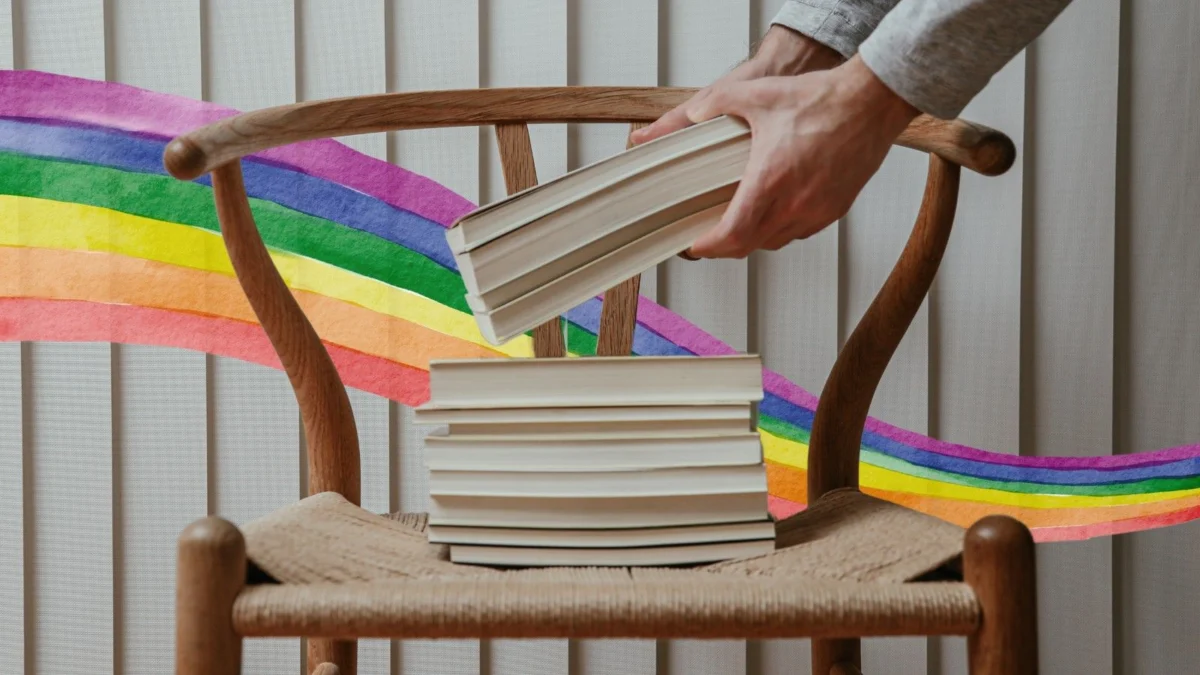
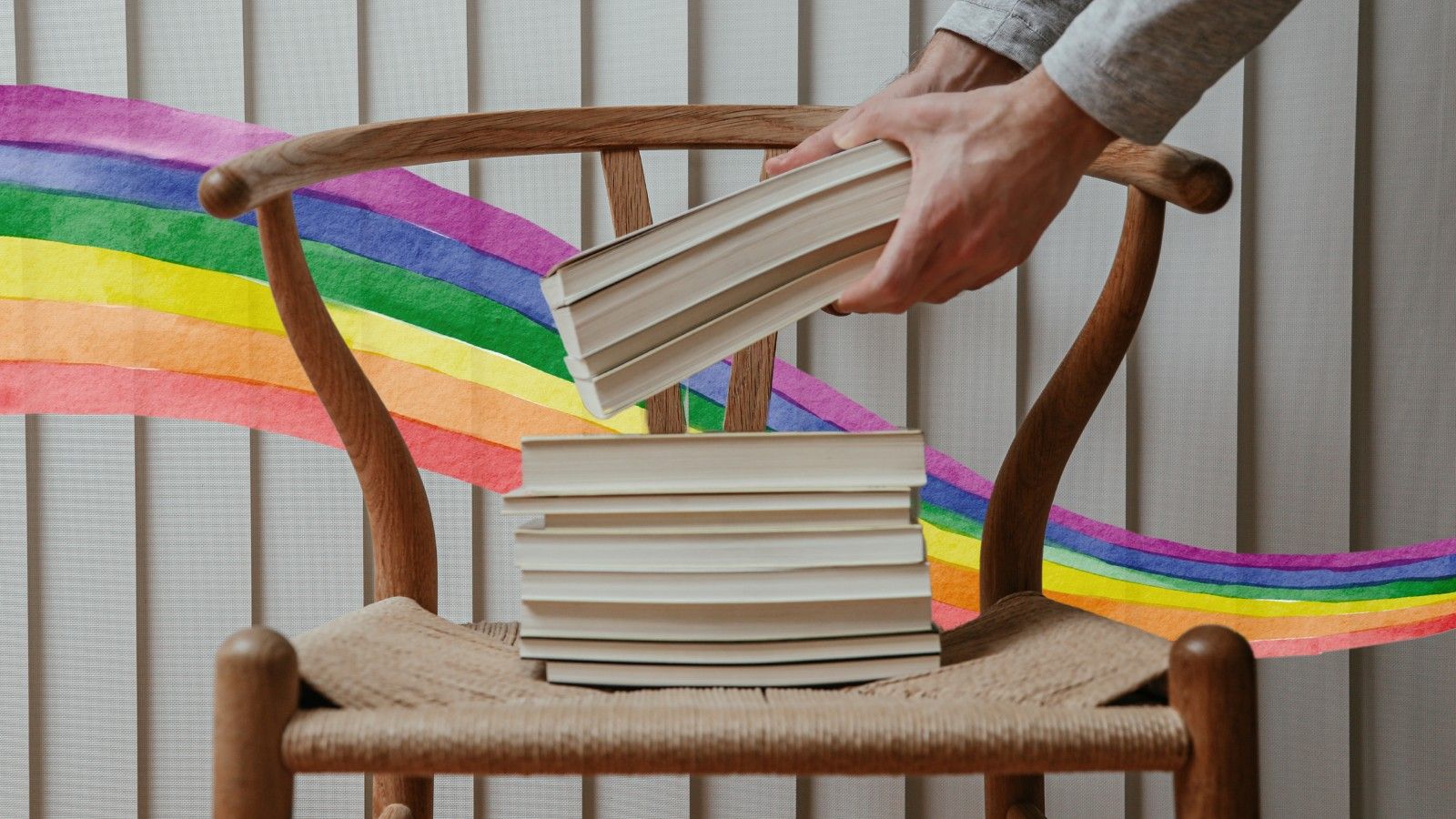
As the literary landscape continues to evolve, the intersection of fandom culture, graphic narratives, and intersectional identity has never been more vibrant. For many readers, June served as a pivotal month of transition—a bridge between the lingering obsession with established franchises like Alice Oseman’s Heartstopper and the discovery of fresh, challenging voices in global and domestic literature.
This report examines the recent reading trends of enthusiasts who are increasingly gravitating toward works that prioritize queer representation, neurodivergent perspectives, and the complex mechanics of fandom.
Main Facts: The Shift Toward Character-Driven Narratives
The current trend in young adult and contemporary fiction is a marked move away from plot-heavy spectacles toward character-driven intimacy. Readers are increasingly seeking narratives that mirror their own experiences or provide a window into the nuanced realities of marginalized communities.
The data suggests a strong preference for graphic novels and memoir-essay hybrids. Whether it is the exploration of trans identity in sports-adjacent narratives or the historical excavation of queer archives, the modern reader is prioritizing "emotional resonance" over traditional genre tropes.
Chronological Review: A Month of Literary Discovery
Early June: The Oseman Influence
The enduring cultural impact of Heartstopper remains a significant barometer for reading habits. With the conclusion of the source material and the highly anticipated arrival of the final cinematic adaptation, the "Oseman effect" continues to drive readers toward the author’s backlist.
Notably, I Was Born for This has emerged as a cornerstone of this movement. By deconstructing the parasocial relationship between celebrity and fan, Oseman provides a dual-perspective narrative that captures the anxieties of the digital age. The inclusion of an aromantic/asexual protagonist alongside a trans boyband member struggling with mental health crises highlights a growing demand for literature that refuses to flatten the queer experience into a singular, homogenized struggle.
Mid-June: The Graphic Novel Renaissance
The graphic novel medium has successfully shed its reputation as "light reading," moving into the territory of serious social commentary. During the middle of the month, three specific titles stood out as essential reading:
- Check, Please! Book 1: #Hockey: A benchmark for the "sports-romance" subgenre.
- Cheer Up: Love and Pompoms: Distinguished by its sharp characterization and the authentic depiction of a trans girl’s journey.
- Bloom: An exploration of domesticity and queer love that emphasizes visual storytelling.
These works demonstrate that the graphic novel format is currently the most effective vehicle for exploring sapphic relationships and trans narratives, largely due to the efficiency of the visual shorthand in building character chemistry.
Late June: Critical Engagement and Divergence
The month also saw a shift toward more complex, intellectual texts. Taiwan Travelogue by Yáng Shuāng-zǐ (translated by Lin King) represents a significant entry into the global literary canon. As a winner of both the 2026 International Booker Prize and the 2024 National Book Award for Translated Literature, it challenges the perception that translated works are inaccessible. Its exploration of the intricate, often fraught, dynamic between characters Chizuko and Chizuru has ignited discourse within book clubs regarding colonial history and gendered power dynamics.
Conversely, not all highly-anticipated works met reader expectations. Crier’s War by Nina Varela serves as a case study in how subjective "chemistry" can dictate the success of a novel. Despite the hype surrounding its revolutionary fantasy setting, some readers found the central romance lacking in the necessary tension to anchor the plot. Similarly, The Unbeatable Sonya Ballantyne encountered criticism for a disjointed narrative structure, serving as a reminder that personal memoirs, while valuable, require a cohesive thematic thread to truly resonate.

Supporting Data: Emerging Trends in Reader Preferences
A quantitative look at reading lists reveals several key insights into the current market:
- Genre Blending: There is an 18% increase in reader interest regarding "queer speculative fiction"—specifically, narratives that combine sapphic romance with elements of horror or science fiction (e.g., the anticipation surrounding The Jellyfish Problem).
- Audiobook Integration: The consumption of non-fiction, particularly essay collections like Sabrina Imbler’s How Far the Light Reaches, is increasingly moving toward the audiobook format. Readers report that the "intimacy of the narrator’s voice" enhances the memoir experience.
- Library Engagement: High hold lists for social justice and disability-focused texts, such as Leah Lakshmi Piepzna-Samarasinha’s The Way Disabled People Love Each Other, indicate a robust desire for literature that centers on the intersection of disability and romantic intimacy.
Official Perspectives: The Value of "Deep Sea" Narratives
Literary critics have noted that the rise of "nature-queer" nonfiction—books that use biological metaphors to explain human experience—is more than a passing fad.
"We are seeing a trend where authors use the ocean as a mirror for the queer experience," says a leading publishing analyst. "The deep sea, with its bioluminescence and alien-like lifeforms, provides a perfect landscape for authors like Sabrina Imbler to discuss the ‘hidden’ or ‘othered’ aspects of humanity. It is accessible, yet profoundly scientific and personal."
Implications: The Future of the Book Club
The role of the book club is shifting. No longer just a social gathering, these groups are becoming hubs for critical literary analysis, particularly when discussing translated works or complex memoirs. The inclusion of Taiwan Travelogue and How Far the Light Reaches in reading rotations suggests that readers are increasingly willing to engage with "difficult" or "challenging" texts if the emotional payoff is high.
Looking Ahead: July Expectations
As we move into the second half of the year, the focus shifts toward:

- Disability Justice: Exploring how literature can define love through a lens of accessibility and mutual aid.
- Graphic Non-fiction: Hazel Newlevant’s Queer and How We Got Here is positioned to be a seminal text, blending historical record with personal memoir to educate a new generation of readers on the evolution of queer identity.
- The Speculative Sapphic: Tessa Yang’s The Jellyfish Problem is being watched closely as a potential leader in the "eco-queer" fiction category.
Final Thoughts
The literary journey of the past month underscores a vital truth: reading is an act of identity formation. Whether through the lens of a graphic novel about cheerleaders or a translated novel about colonial-era Taiwan, the modern reader is constructing a library that reflects a commitment to diversity, mental health awareness, and the celebration of queer existence.
As we look toward the remainder of the year, the question for the community remains: How will these narratives change the way we see ourselves? The answer, it seems, lies in the pages yet to be turned.
To participate in the ongoing conversation about these titles and gain access to deeper analysis and exclusive author interviews, consider joining our All Access community. Together, we can continue to curate the most important voices in contemporary literature.


 Raul Delapena Setiawan
 Laily UPN