Laily UPN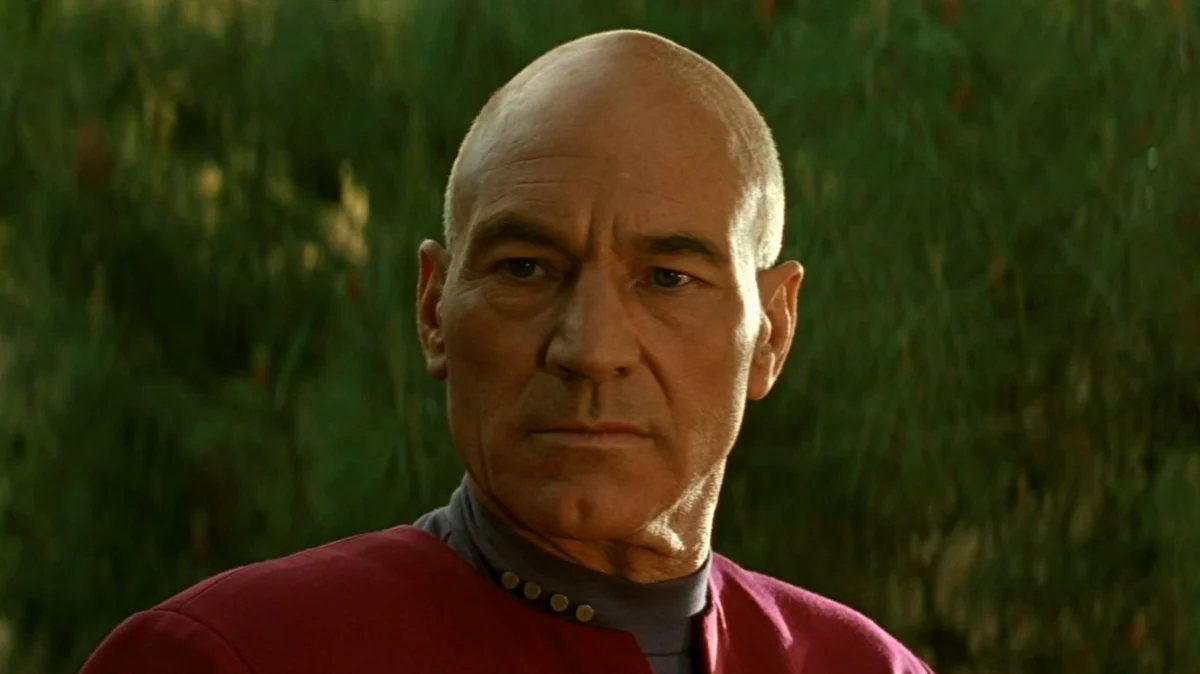
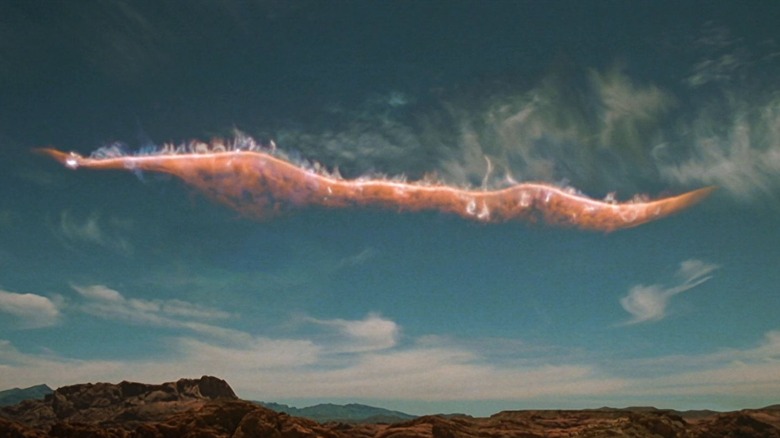
For three decades, the 1994 feature film Star Trek: Generations has occupied a contentious space in the franchise’s canon. While it was intended to serve as a grand, cinematic "passing of the torch" between the original crew of the USS Enterprise and the newer generation led by Captain Jean-Luc Picard, the film is frequently cited by critics and die-hard fans alike as one of the most frustrating entries in the series. Central to this frustration is a glaring logical inconsistency regarding the "Nexus"—a mysterious, timeless energy ribbon that serves as the movie’s primary plot device.
For years, fans have questioned why, once inside the Nexus, Captain Picard chose to exit only ten minutes before the film’s climax rather than choosing a more strategic point in time. As it turns out, the answer was scripted, filmed, and then discarded in the editing room.
The Mechanics of the Nexus: A Cosmic Reset Button
To understand the gravity of the plot hole, one must first understand the nature of the Nexus. In the context of Star Trek: Generations, the Nexus is described as a "negative space wedgie"—a free-floating energy ribbon that transcends the standard laws of physics. Upon contact with the ribbon, individuals are pulled into a pocket dimension where time is non-linear and existence is governed by the desires of the inhabitant.
At the start of the film in 2293, Admiral James T. Kirk is swept into the ribbon during the maiden voyage of the Enterprise-B. Seventy-eight years later, in 2371, Captain Jean-Luc Picard finds himself in the same predicament while attempting to stop the antagonist, Dr. Tolian Soran. Soran, a man driven by the trauma of losing his family to the Nexus, is willing to destroy entire star systems—and the millions of lives inhabiting them—to force the ribbon to intersect with his position, effectively "steering" it toward his own re-entry.
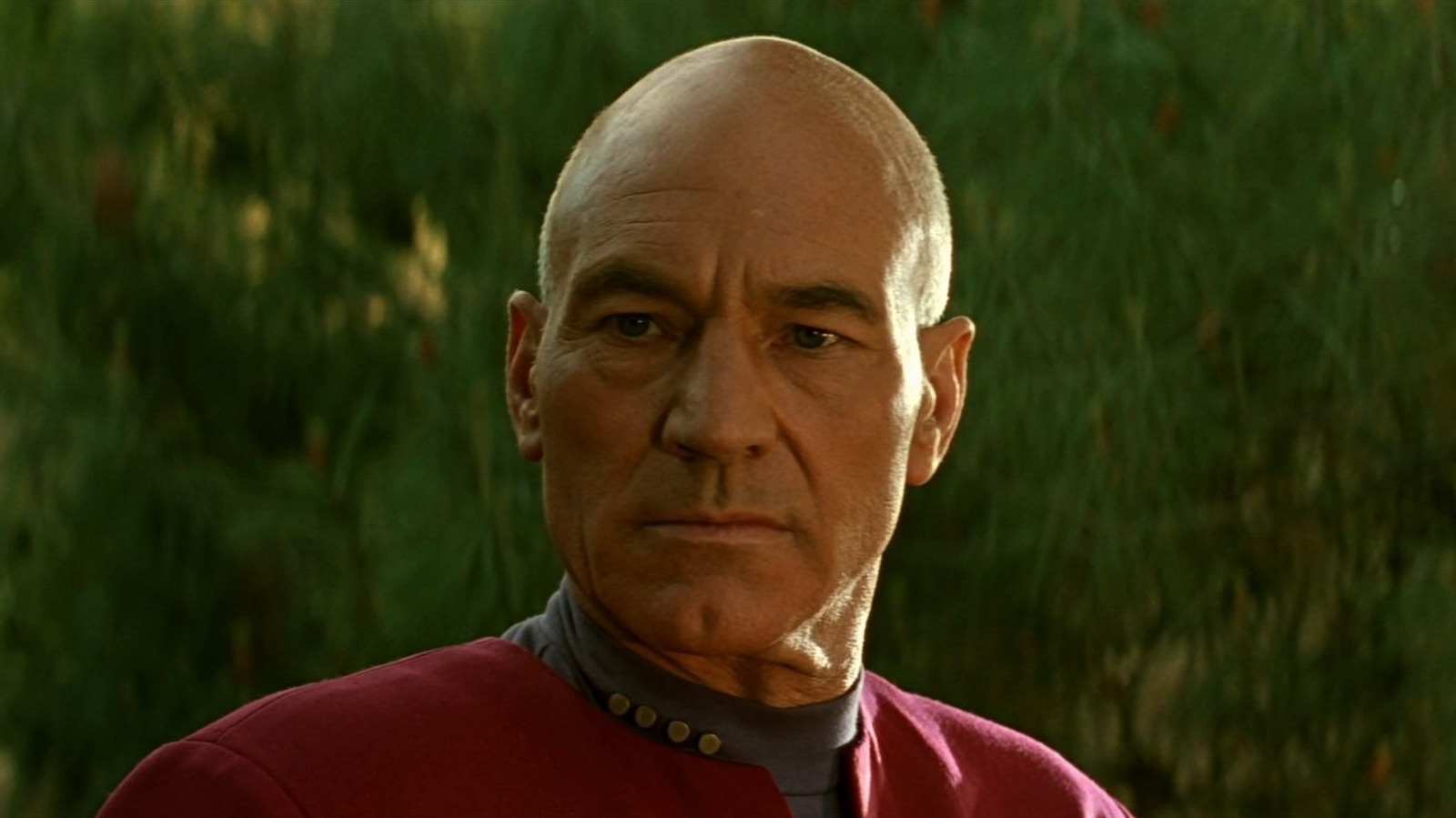
Once inside, Picard meets Kirk. Because time does not exist within the ribbon, the two captains are able to interact despite their decades-long separation. Picard realizes he must return to the "real world" to stop Soran, and he convinces a reluctant Kirk to join him. They emerge on the surface of Veridian III, roughly ten minutes before the final confrontation.
The Logic Gap: Why Ten Minutes?
The central criticism leveled against the film’s screenplay—penned by Brannon Braga and Ronald D. Moore—is the lack of foresight exhibited by the protagonists. Once Picard and Kirk establish that they can exit the Nexus at any point in history, the strategic possibilities are essentially infinite.
If Picard truly wanted to stop Dr. Soran, he could have emerged weeks, months, or even years prior to the destruction of the Veridian system. He could have alerted Starfleet Command, evacuated the planet, or apprehended Soran long before he had the resources to threaten a star system. By choosing to emerge only ten minutes before the climax, Picard places himself and Kirk in a high-risk, low-reward situation that relies on a desperate, last-minute fistfight rather than tactical superiority. To the audience, this choice felt less like a character decision and more like a screenwriter’s necessity to keep the film’s runtime tight.
The Missing Link: The Cut Exposition
In a 1996 interview with Sci-Fi Universe Magazine, co-screenwriter Brannon Braga finally addressed the "Picard-Exit" conundrum. Braga’s admission was refreshingly candid, acknowledging that the film was, in his own words, "full of f***ing plot holes." However, he revealed that the specific question of why Picard didn’t jump back further in time was not a result of oversight, but a victim of the editing bay.
The Prime Directive Defense
Braga explained that there was, in fact, a scene written and filmed that addressed the temporal implications of the Nexus. The explanation rested on the core tenet of the Star Trek universe: the Prime Directive and the inherent dangers of temporal interference.
The logic within the deleted scene suggested that the further back in time one travels, the greater the risk of causing a catastrophic rupture in the timeline. While Picard possessed the theoretical power to travel back to the moment Soran began his plan, the risk of "screwing up the timeline" was too high. The scene would have established that even with the power of the Nexus, the protagonists were bound by a self-imposed (or perhaps inherent) temporal "Prime Directive."
Ultimately, the production team cut the scene because it was deemed "too expositional and a little boring." By prioritizing the film’s pacing over the internal logic of its world-building, the writers inadvertently created one of the most debated plot holes in franchise history.
Broader Implications: A Film Out of Step
The failure to explain the "Nexus exit" is symptomatic of a larger issue that plagued Star Trek: Generations. The film was heavily influenced by studio mandates to make the Star Trek universe accessible to casual filmgoers who had never watched The Next Generation.
This created a friction between the writers, who wanted to craft a complex, character-driven narrative, and the studio executives, who wanted a blockbuster spectacle. The result was a film that felt disjointed. For instance, fans have long pointed to other egregious issues:
- The Geordi La Forge Problem: Why did Dr. Soran need to kidnap the Chief Engineer of the Enterprise to gather information that he likely could have obtained through other, less conspicuous means?
- Kirk’s Legacy: The decision to leave Admiral Kirk’s remains on the surface of an uninhabited, soon-to-be-destroyed planet left many fans feeling that the legendary captain’s final resting place was unceremonious and disrespectful to his character’s history.
- The Torch-Passing Premise: By 1994, the Next Generation crew had already been on television for seven years. The "passing of the torch" felt redundant, as the Original Series crew had already effectively exited the stage in the 1991 film Star Trek VI: The Undiscovered Country.
The Legacy of the "Generations" Debacle
The fallout from Star Trek: Generations serves as a textbook case study in the dangers of prioritizing "cinematic spectacle" over established lore. While modern franchises often rely on intricate wiki-style explanations to fill in gaps, the mid-90s approach was to cut whatever slowed the momentum of the action.
Braga’s admission that the scene was cut because it was "boring" highlights a fundamental disagreement between creators and the fanbase. For a franchise built on "technobabble" and detailed world-building, the exposition is rarely considered boring by the audience—it is, in fact, the glue that holds the narrative together.
While Star Trek: Generations remains a polarizing film, the revelation of the deleted "Prime Directive" scene provides a measure of closure for those who have spent decades analyzing the script. It confirms that the writers were aware of the logical inconsistencies, but were pressured by the structural demands of a big-budget motion picture. For the viewers, it remains a reminder that even in the vast, limitless expanse of the Nexus, a good edit is worth more than a dozen pages of dialogue.

 Siti Muinah
 Lina Hope