The landscape of mobile motorsport is undergoing a significant transition. Following the emotional sunset of the long-standing Real Racing 3, which concluded its 12-year journey in March 2026, a void has opened in the hearts of simulation racing enthusiasts. Stepping into this competitive arena is GT Rivals: Real Racing Sim, a new title from developer Digital Racers FZ-LLC. Quietly rolling out across Android devices in key global markets, the game aims to provide a grounded, authentic, and technically robust alternative for players who value physics-based racing and deep mechanical customization.
Main Facts: What is GT Rivals?
GT Rivals: Real Racing Sim is a mobile racing simulation designed to capture the nuance of professional motorsport. Unlike the more arcade-leaning racers that dominate the mobile storefronts, GT Rivals prioritizes realism in both handling dynamics and vehicle management.
At its core, the game offers:
- Licensed Roster: Players can take the wheel of officially licensed vehicles from legendary manufacturers, including Porsche, Ford, Pagani, Audi, Mazda, Dodge, Subaru, and Mitsubishi.
- Iconic Circuits: The game features high-fidelity recreations of world-renowned tracks, such as the legendary Nürburgring, the high-speed temple of Monza, the technical twists of Laguna Seca, and the drift-heavy Tsukuba Circuit.
- Deep Customization: The game’s garage system is perhaps its most compelling feature, allowing players to perform granular modifications, including engine tuning, suspension adjustment, tire compounds, weight reduction, and exhaust upgrades.
- Visual Personalization: Beyond performance, the game offers a suite of livery and body modification tools, enabling players to personalize their machines to reflect their own racing identity.
A Chronological Perspective: The Evolution of Mobile Simulation
To understand the arrival of GT Rivals, one must look at the timeline of the mobile racing genre. For over a decade, Real Racing 3 served as the benchmark for mobile simulation, setting the standard for how touch-based controls could interpret the complexities of vehicle physics.
When the announcement came in early 2026 that Real Racing 3 would cease operations, it sent shockwaves through the community. The mobile racing ecosystem was suddenly bereft of a "king." GT Rivals has emerged at a critical juncture. Its development cycle, though kept relatively quiet, seems to have been timed to capitalize on this migration of players.
The rollout has been methodical rather than explosive. By launching in a diverse array of markets—including the United States, Japan, Brazil, Germany, India, and across Southeast Asia—Digital Racers FZ-LLC is testing the stability of their servers and the reception of their physics engine across a wide range of hardware specifications. This strategic deployment suggests a long-term plan rather than a flash-in-the-pan release.
Supporting Data: Technical Capabilities and Performance
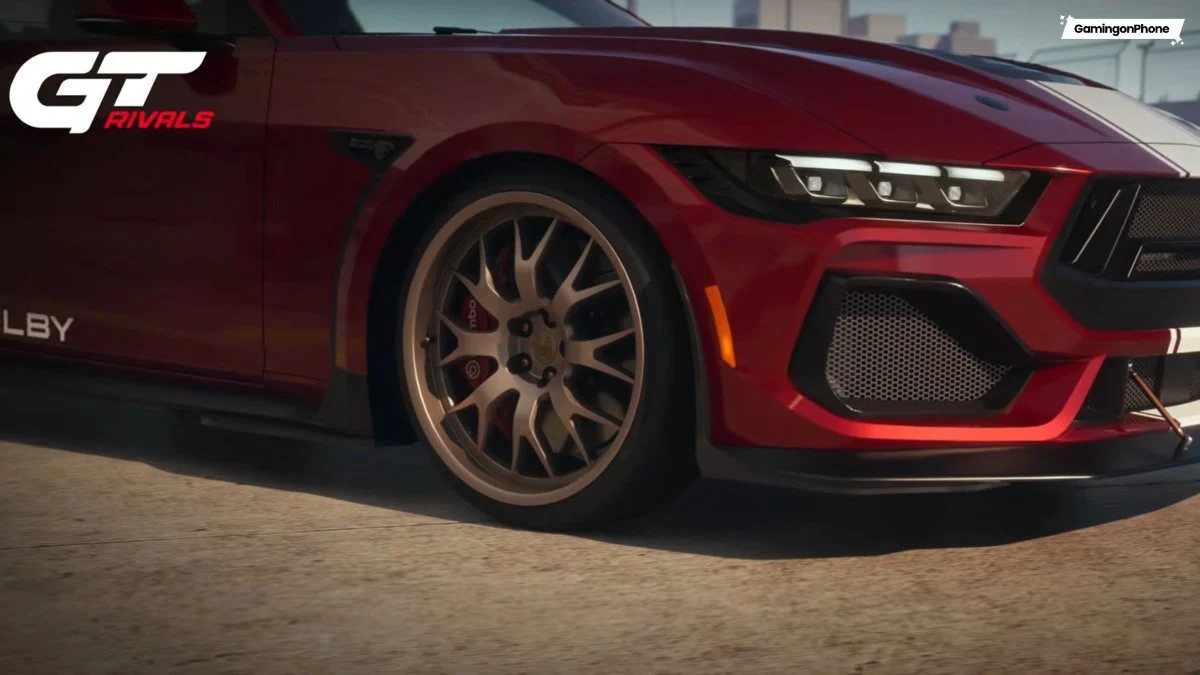
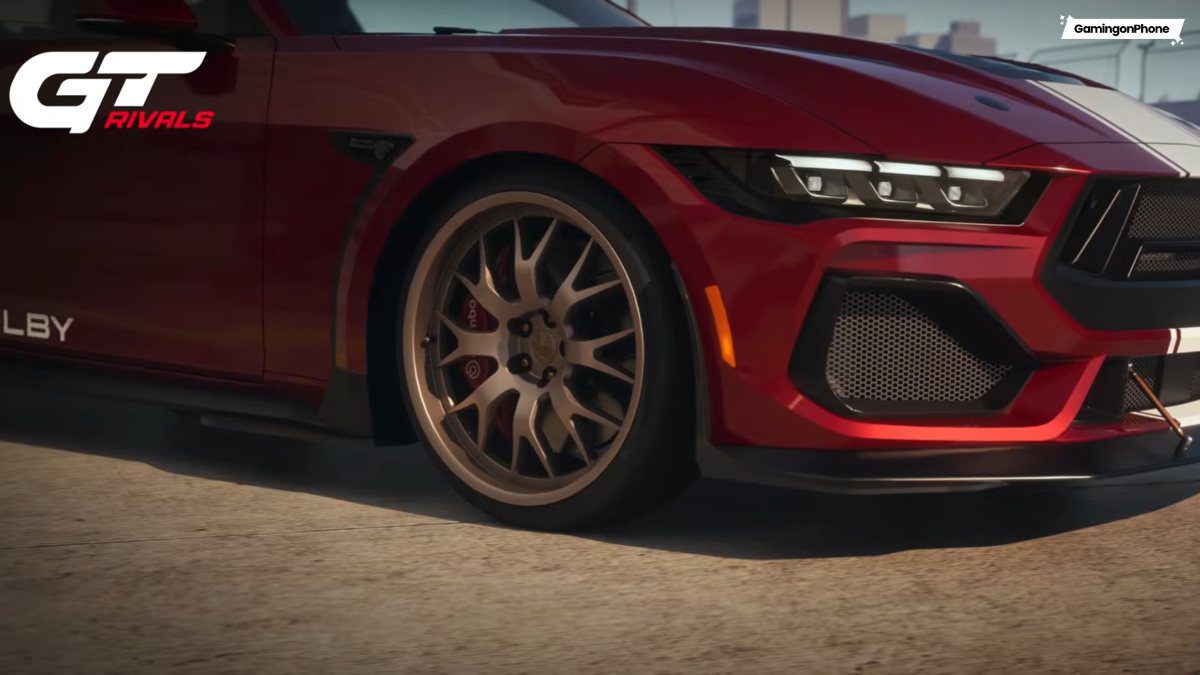
The visual fidelity of GT Rivals is a testament to the advancements in mobile graphics processing. The game utilizes a sophisticated lighting engine that makes the curves of a Porsche or the aggressive stance of a Mitsubishi stand out against the backdrop of real-world track environments.
The Physics Engine
What sets GT Rivals apart from casual racers is its commitment to "feel." In racing simulations, the connection between the player’s input and the car’s reaction on the virtual tarmac is paramount. GT Rivals utilizes a physics model that accounts for weight transfer, grip levels, and tire degradation. During high-speed cornering, players will notice the subtle differences between front-wheel-drive, rear-wheel-drive, and all-wheel-drive vehicles, adding a layer of tactical depth to the gameplay.
Customization as a Core Pillar
The game’s technical menus allow for a "tinker-heavy" experience. Players are not merely choosing a color; they are making engineering decisions. The ability to modify intake and exhaust systems implies a complex backend simulation where these changes directly impact horsepower, torque curves, and the car’s power-to-weight ratio. This caters to the "gearhead" demographic that feels abandoned by arcade-style racing titles.
Official Perspectives and User Experience
While Digital Racers FZ-LLC has maintained a lean communication strategy, early feedback from the player base has highlighted the game’s "spiritual successor" vibe. The interface, the pacing of the career mode, and the way the cars handle have all been noted for their familiarity to fans of the Real Racing series.
One interesting aspect of the current build is the integration of voice-acted character interactions. These serve as a guide for new players, explaining the complexities of the customization system and the nuances of track navigation. While some community members have pointed out that the dialogue occasionally feels synthesized or "AI-ish," it serves its purpose in keeping the player engaged during the progression loops. It is expected that as the game moves through its early access phases, these assets will be refined or replaced to provide a more natural, human touch.
Implications for the Mobile Racing Ecosystem
The launch of GT Rivals carries significant implications for the future of the mobile racing genre.
The Vacuum Left by Legacy Titles
When a giant like Real Racing 3 leaves the stage, it creates a "player vacuum." The millions of active, dedicated racers who spent years optimizing their lap times need a new home. If GT Rivals can maintain its momentum and continue to secure licensing deals for more manufacturers and tracks, it is positioned to become the primary destination for this displaced community.
The Rise of Regional Rollouts
The current strategy of regional releases is a growing trend in mobile gaming. By gathering data from diverse markets like Malaysia, Brazil, and Germany, the developers are gaining a holistic understanding of how their game performs on various device types, from entry-level Android handsets to high-end flagship phones. This data-driven approach is essential for a game that aims to be a technical, high-performance simulation.
The iOS Waitlist
A significant question remains: When will iOS users get access? The absence of a launch date for Apple devices is a strategic choice, likely intended to ensure the Android version is perfectly tuned before tackling the unique requirements of the iOS ecosystem. The pressure is on, as a large portion of the simulation racing demographic uses iOS devices. The success of the Android version will likely dictate the speed at which the game reaches the Apple App Store.
Looking Ahead: The Road to Success
For GT Rivals to truly become the heir to the throne, it must navigate several challenges. First, it must maintain the trust of its community through transparent communication regarding future updates. Second, it must continue to optimize its performance to ensure that the "simulation" aspect doesn’t become a "simulation of lag" on older devices.
The potential is undeniable. With a foundation built on licensed vehicles and authentic track layouts, the game has the primary ingredients for greatness. If the developers can successfully iterate on the feedback regarding the game’s dialogue and expand their roster, GT Rivals will not just be a successor—it will be a new benchmark.
As the mobile gaming community watches this rollout, one thing is clear: the passion for authentic, high-stakes racing on mobile devices remains as strong as ever. Whether you are a casual player looking to burn some rubber or a simulation enthusiast looking to shave milliseconds off your lap time at the Nürburgring, GT Rivals: Real Racing Sim is a title that demands your attention.
For those eager to join the starting grid, the game is currently available on the Google Play Store for compatible Android devices in supported regions. As the game transitions from this initial rollout to a potential global launch, players are encouraged to stay tuned to the developer’s official channels and community hubs for news on future updates, new vehicle drops, and the highly anticipated iOS release date.
The race is on, and for fans of mobile motorsport, the future looks fast, loud, and incredibly competitive.