

At Tom’s Guide, our mission is to cut through the marketing noise surrounding the sleep industry. We have unboxed, slept on, and rigorously stress-tested scores of mattresses, ranging from ultra-luxury, high-tech options to budget-friendly "bed-in-a-box" solutions. Through our extensive lab testing, one model has consistently risen to the top when balancing premium comfort against sheer value for money: the DreamCloud Classic, currently priced at $699 for a queen.
In an era where a good night’s sleep is often locked behind a high price tag, the DreamCloud Classic offers a compelling alternative. But is it the right fit for your specific sleep needs? We break down the data, the performance metrics, and the market context behind this enduringly popular mattress.
The Main Facts: Why the DreamCloud Classic Dominates
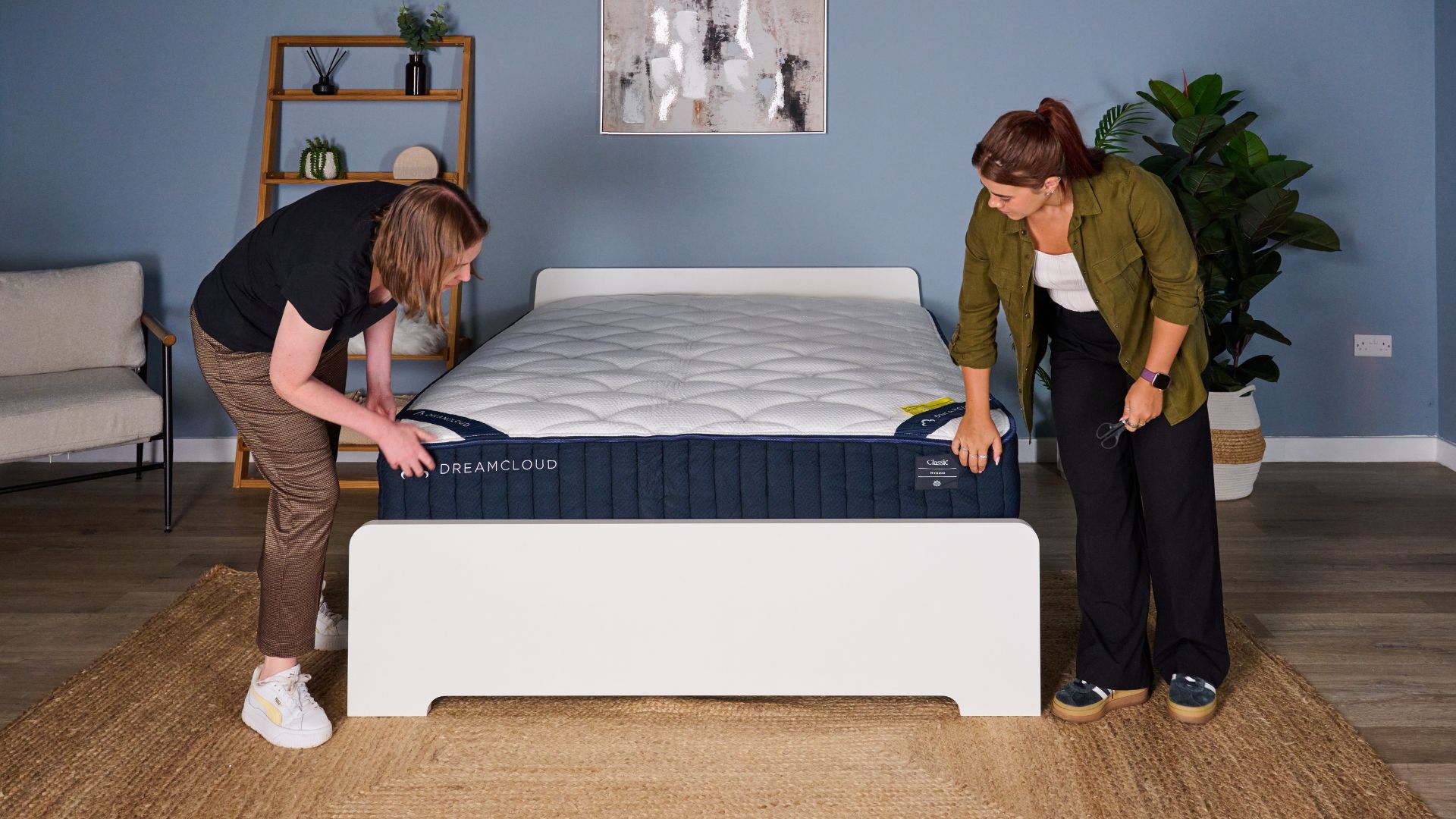
After months of evaluation in our testing studio, we have officially designated the DreamCloud Classic as one of the best mattresses available online. Its success is rooted in a fundamental design philosophy: combining therapeutic memory foam with a supportive coil base.
For the average consumer, the "sweet spot" of mattress shopping is finding a bed that feels like a luxury hotel stay without the $3,000 price tag. The DreamCloud hits this mark by offering:
- Pressure-Relieving Support: A top layer of memory foam designed to cradle joints, making it an ideal choice for side and back sleepers.
- Hybrid Breathability: Unlike pure foam beds that trap heat, the hybrid coil construction allows for superior airflow.
- Build Quality: A durable construction that stands up to years of daily use, justifying its mid-range price point.
While we are currently seeing a flurry of aggressive discounts across the industry in anticipation of the 4th of July sales, the DreamCloud’s price remains remarkably consistent. Some may view this as a lack of "event" pricing, but we see it as a mark of sustained, reliable value. It isn’t a mattress that relies on artificial price inflation to make a "sale" look more attractive; it is simply a high-quality product that stays affordable year-round.
Chronology of Our Testing Process
To truly understand a mattress, one cannot simply lie on it for five minutes in a showroom. Our testing methodology at Tom’s Guide is longitudinal and data-driven.
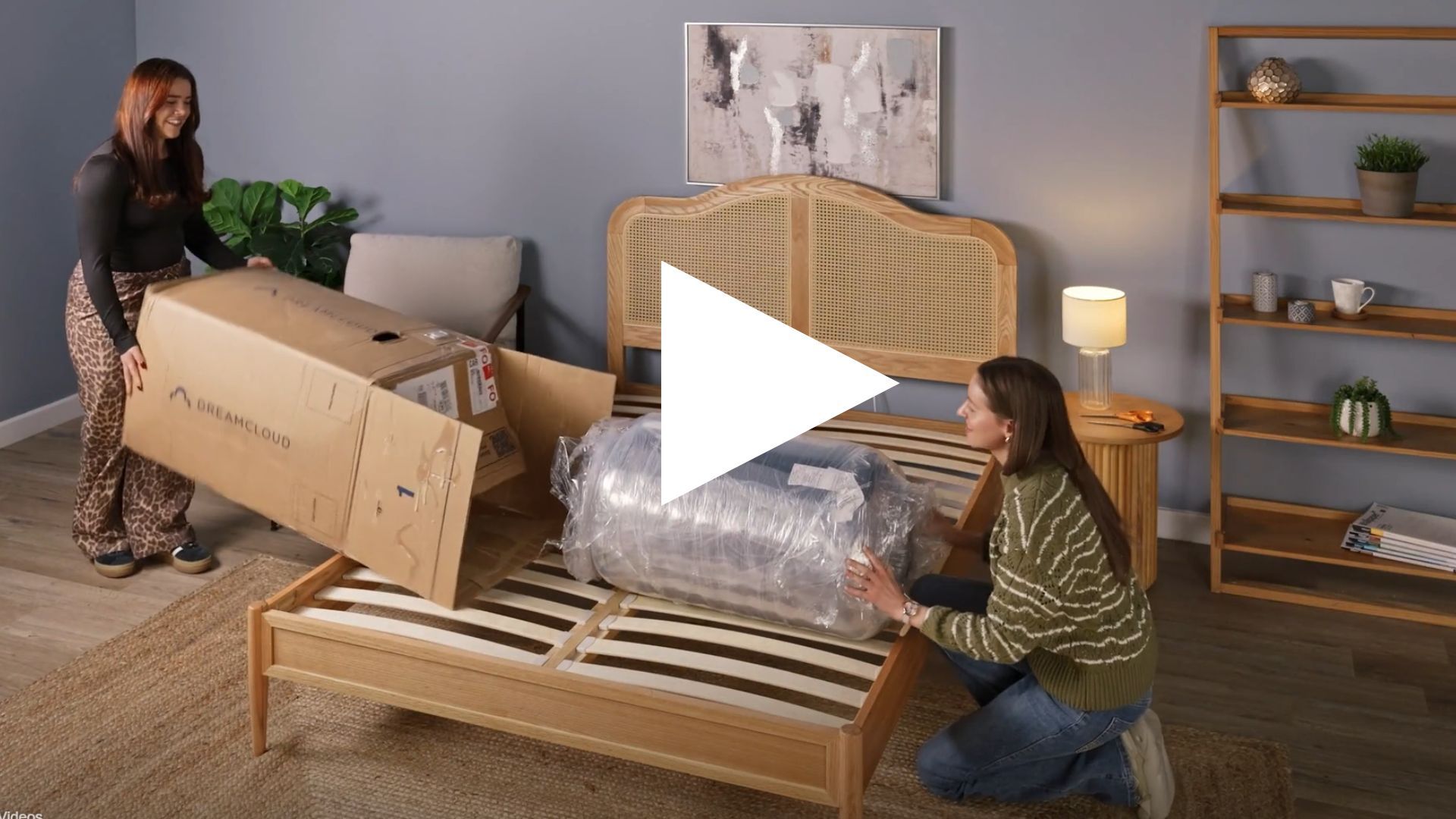
- The Unboxing Phase: We measure the "off-gassing" period (the time it takes for new foam to lose its chemical scent) and the expansion rate. The DreamCloud Classic consistently hits its full, usable form within 24 to 48 hours.
- The Pressure Mapping Phase: Using specialized sensors, we analyze how the mattress distributes weight. We look for "hot spots"—areas where pressure builds up on the hips and shoulders—which are the primary causes of morning aches. The DreamCloud performs exceptionally well here, distributing weight evenly for side sleepers.
- The Thermal Imaging Phase: Using infrared cameras, we monitor how quickly the surface temperature drops after a sleeper leaves the bed. This is vital for "hot sleepers." The DreamCloud’s hybrid design scored a 3.5/5 in our thermal regulation tests, proving that its coils do the heavy lifting in heat dissipation.
- The Motion Isolation Test: We place a glass of water on one side of the bed and drop a weight on the other. This test mimics a partner tossing and turning. While the DreamCloud is a high-performer, it does exhibit some motion transfer. This is a crucial takeaway for couples who are easily disturbed by their partner’s movement.
Supporting Data and Performance Metrics
When comparing the DreamCloud to other market entrants, the performance data highlights a clear distinction between the categories of sleepers.
The Sleep Profile Breakdown
- Side Sleepers: The foam layers provide the necessary "give" to prevent shoulder and hip pressure.
- Back Sleepers: The coil base ensures the spine remains in neutral alignment, preventing the "hammock effect" that leads to lower back pain.
- Stomach Sleepers: We generally advise caution here. If you are a stomach sleeper, you require a firmer surface to prevent your midsection from sinking. For these users, we often point toward the Nectar Classic, which offers a more rigid, foam-centric support system.
Motion Isolation vs. Responsiveness
There is an inherent trade-off in mattress design: bounce versus isolation. The DreamCloud opts for a balanced, responsive feel. It is easy to move on, which is great for those who change positions throughout the night, but it does mean that motion travels slightly more than it would on a dense, pure-memory-foam slab. If you are a light sleeper sharing a bed with a restless partner, you might find the motion transfer noticeable. In such cases, a pure foam alternative like the EgoHome might dampen movement more effectively, though those beds often retain significantly more heat.
The Luxury Alternative: Saatva Classic
It is important to maintain perspective: the DreamCloud Classic is a mid-range champion, but it is not the "ultimate" mattress. If budget is not your primary concern, the market offers "tier-one" luxury products that outperform the DreamCloud in specific categories.
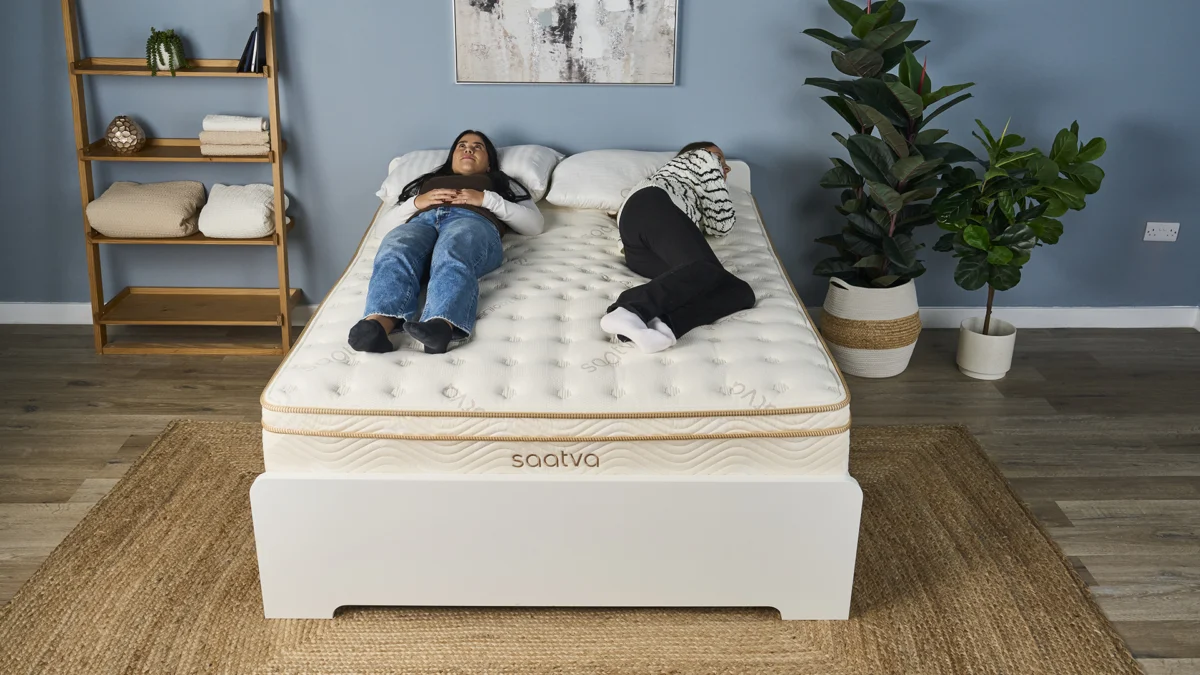
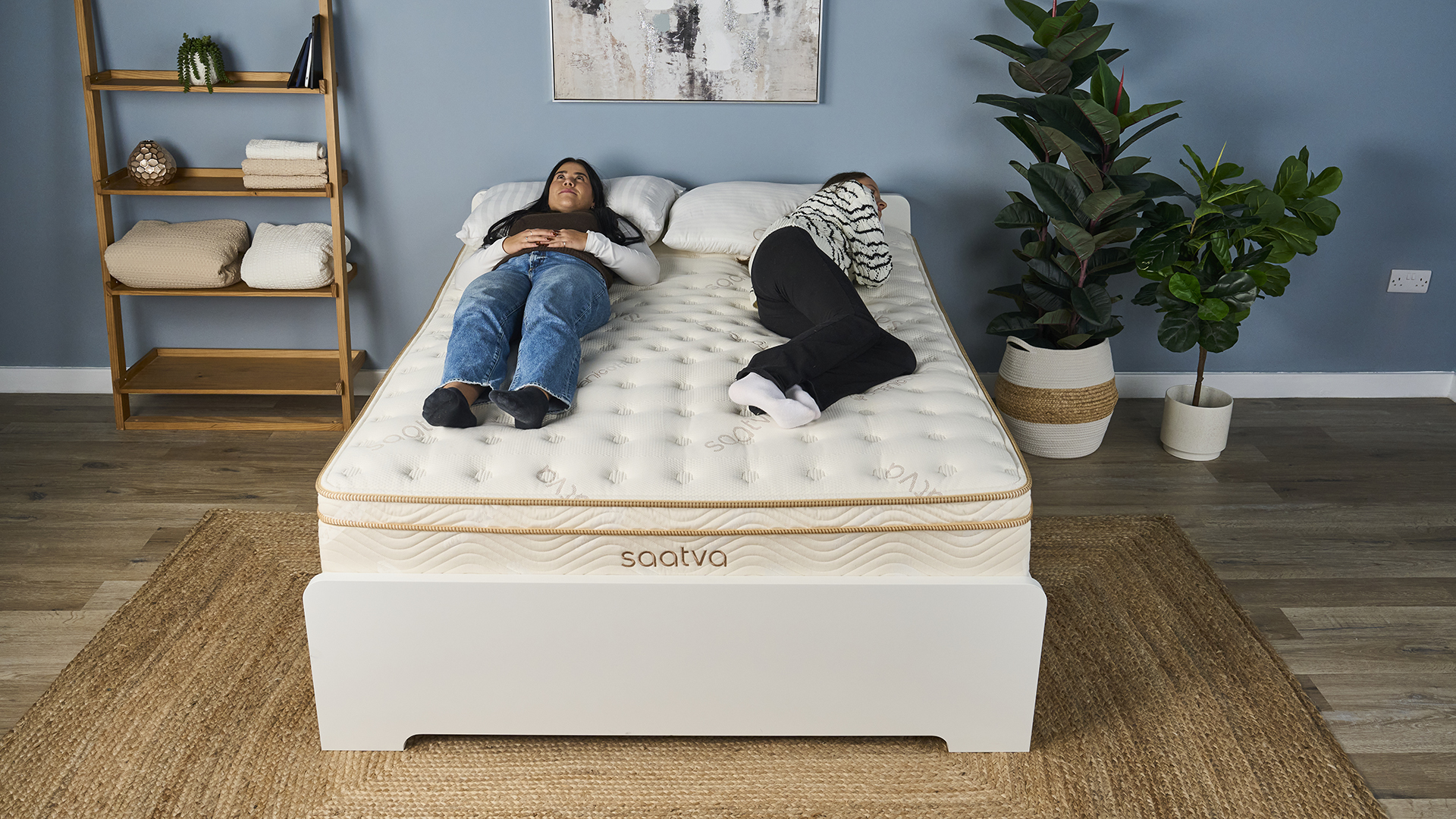
The Saatva Classic, which we awarded an unprecedented 5-star rating, is the standard-bearer for this category. Currently priced at $1,829 for a queen during the 4th of July sales, it is a significant step up in price. Why the price gap?
- Handcrafted Quality: The Saatva is made in the U.S. using premium materials that offer a longer lifespan.
- Customization: It is available in two heights and three firmness levels, allowing for a near-bespoke sleep experience.
- Lumbar Health: Its patented "lumbar crown" technology is specifically engineered for spinal alignment, making it our top recommendation for readers dealing with chronic back pain.
While the DreamCloud is the king of value, the Saatva is the king of performance. For heavier sleepers, even the Saatva has its limits, with a recommended weight capacity of 600lbs combined. For those exceeding this, we recommend specialized, reinforced mattresses such as the WinkBed Plus, which is engineered specifically for heavy-duty support.
Implications for the Consumer
What does all of this mean for you, the reader, as you navigate the upcoming holiday sales?
- Don’t Fall for "Sale" Hype: Many mattresses fluctuate in price to create a sense of urgency. The DreamCloud’s consistent pricing is a sign of honesty. You are not "missing out" if you buy it next month; you are paying a fair price for a quality product.
- Prioritize Your Sleep Position: Before clicking "buy," be honest about how you sleep. If you are a stomach sleeper, a "best-selling" hybrid like the DreamCloud might not be your best bet, regardless of the deal.
- The "Total Cost of Ownership" Perspective: A mattress is an investment in your physical and mental health. While the DreamCloud is a fantastic value at $699, ensure you are buying for the right reasons—comfort and support—rather than just the lowest price.
Final Verdict
The DreamCloud Classic remains our top recommendation for the vast majority of sleepers who want a high-performing hybrid mattress without the luxury price tag. It is a reliable, well-tested, and comfortable bed that consistently punches above its weight class.
For those seeking the absolute pinnacle of sleep technology, we suggest looking toward the Saatva Classic, but be prepared to pay the premium. For everyone else, the DreamCloud is the smart, sensible, and luxurious-feeling choice that will serve your sleep hygiene for years to come.
For more expert advice, check out the Tom’s Guide Savings Squad hub, where we track the best products for your home and lifestyle. Follow us on Google News for real-time updates on deals and reviews.











