Siti Muinah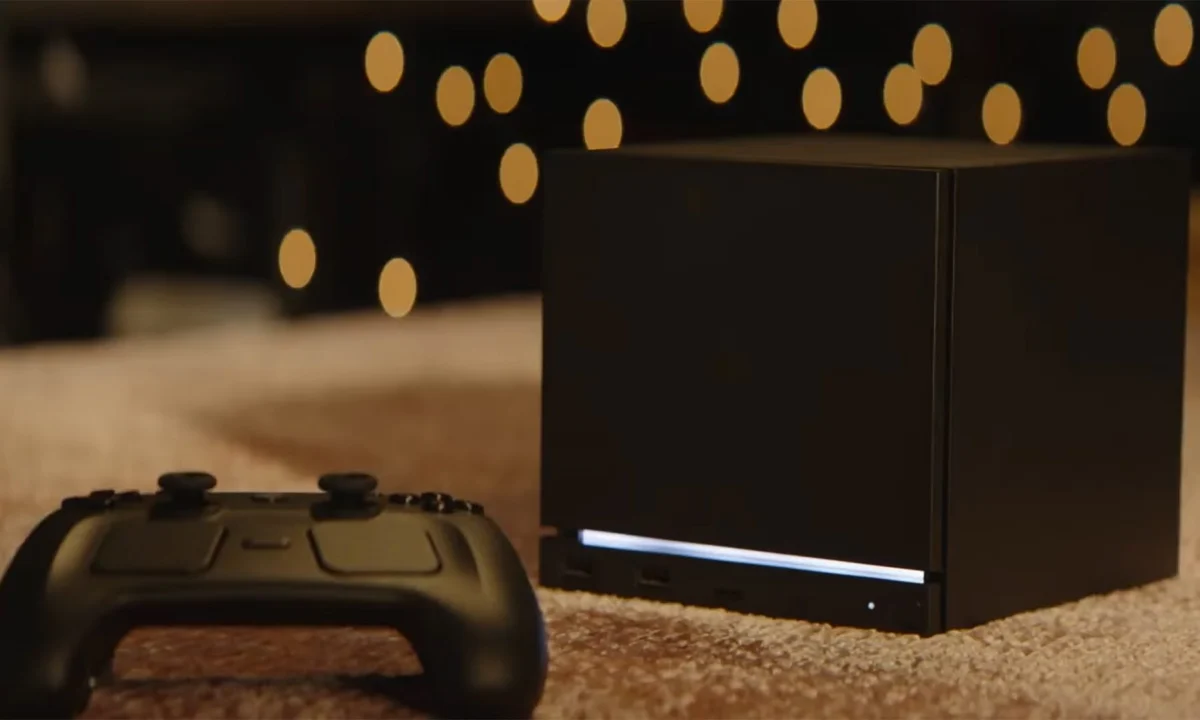
When Valve Corporation first unveiled the latest iteration of the Steam Machine, the gaming community’s reaction was a polarized dichotomy. Enthusiasts marveled at the sleek, whisper-quiet hardware and the seamless, optimized integration of SteamOS, which promised to bring the power of a high-end desktop PC into the living room with the convenience of a traditional console. However, that admiration was swiftly eclipsed by a singular, stinging point of contention: the $1,049 starting price.
In an industry where console hardware is often sold at a loss to capture market share, a four-figure entry price for a "console-PC hybrid" feels like a radical departure from the norm. Yet, as recent statements from Valve’s engineering team suggest, this pricing wasn’t a calculated move to gouge consumers—it was an admission of defeat against an unforgiving global supply chain.
The Reality Behind the Sticker Shock: An Unavoidable Crunch
The narrative surrounding the Steam Machine’s pricing has been one of speculation and frustration, but Valve has finally pulled back the curtain. In a candid interview with Digital Foundry, Valve engineers Pierre-Loup Griffais and Yazan Aldehayyat confirmed that the high price tag is a direct result of a volatile component market that has left manufacturers with little room to maneuver.

"There’s no point for us to keep hardware at a high price," Griffais stated, clarifying the company’s long-term philosophy. "It’s meant to be an enabler of a stronger connection between people and their games. The cheaper the better."
This sentiment underscores the inherent friction between Valve’s business model—which thrives on a massive, accessible ecosystem of users—and the current economic reality of high-performance hardware. For a company that relies on software distribution, the ideal scenario is to have a Steam Machine in every living room. However, that vision has collided head-on with a persistent, industry-wide shortage of critical semiconductors, high-speed memory (RAM), and high-capacity storage modules.
A Chronology of the Component Crisis
To understand why the Steam Machine is so expensive, one must look at the timeline of the hardware industry over the last 24 months. The "component crunch" is not a singular event but a cascading series of supply chain bottlenecks.

- 2025 – The AI Gold Rush: As artificial intelligence development accelerated, tech giants began hoarding high-performance memory (HBM) and enterprise-grade storage at an unprecedented rate. This surge in demand effectively cannibalized the supply of components that consumer-grade gaming PCs—including the Steam Machine—rely on.
- Early 2026 – Escalating Costs: As raw material costs climbed, manufacturers began passing these expenses down the chain. While early prototypes of the Steam Machine were designed with more aggressive price targets, the sudden rise in the "bill of materials" (BOM) made those targets impossible to hit without sacrificing the machine’s signature build quality.
- Mid-2026 – The Breaking Point: By the time the Steam Machine hit the market, the cost of the internal components alone had risen by nearly 30% compared to previous years. Companies like Microsoft and Apple also began adjusting their retail strategies, with Microsoft raising Xbox console prices by as much as $150 and Apple adjusting pricing across its Mac and iPad lineups.
- Present Day – The Standoff: Valve remains in a holding pattern. While they express a desire to lower the price, they have been transparent that no short-term resolution is in sight.
The Economic Data: Why Your Hardware Costs More
The frustration felt by consumers is not misplaced, but it is important to analyze the economic data driving these decisions. The semiconductor industry is currently undergoing a "perfect storm."
Industry analysts point to three primary factors:
- AI-Driven Demand: Major tech conglomerates are willing to pay a premium for limited silicon wafers, leaving smaller batches of hardware for consumer devices.
- Logistical Volatility: Global shipping costs and regional trade policies have introduced a "volatility tax" on imported electronics, which is often folded into the final retail price to protect margins.
- The "Premium" Necessity: Because the Steam Machine is marketed as a premium, quiet, and optimized experience, Valve cannot simply swap in "budget" components without compromising the very value proposition of the hardware. Using lower-tier components would lead to noise issues, thermal throttling, or a sub-par software experience—none of which align with Valve’s commitment to quality.
Official Responses: A Glimmer of Hope or a Long Wait?
Valve’s official stance, delivered by engineers who have spent years perfecting the SteamOS and hardware integration, is one of cautious transparency. Yazan Aldehayyat, speaking on the future of the product’s pricing, was blunt: "We would love to be able to make the Steam Machine more affordable and reach more people, but I don’t want to promise people that it’s coming soon. I wouldn’t say that this is something that’s going to resolve very soon."
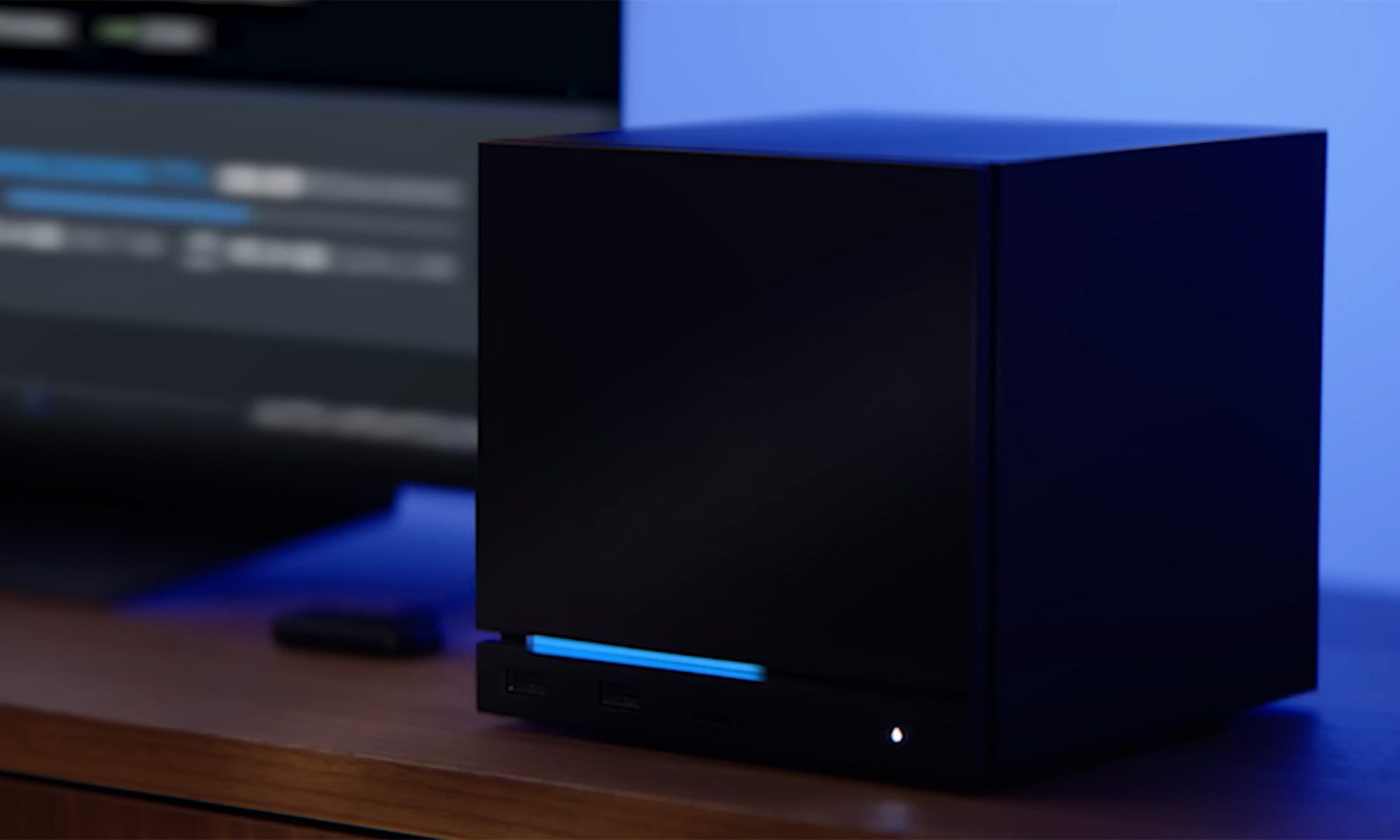
This is a refreshing, albeit disappointing, level of honesty. Unlike other manufacturers who might obfuscate the reasons behind price hikes or blame "inflation" without context, Valve has pointed directly to the component market.
Furthermore, the industry at large is echoing these concerns. When companies like Apple and Microsoft—the titans of the tech world—are forced to raise prices, it signals that the issue is not specific to one company’s inefficiency, but rather a systemic hurdle. The fact that Microsoft is now resorting to "Buy Now, Pay Later" schemes to make their consoles more accessible to the average consumer is a clear indicator that the market is currently priced out of the reach of many, regardless of whether the product is an Xbox or a Steam Machine.
Broader Implications for the Gaming Industry
The implications of this pricing crisis are far-reaching.

1. The Death of the "Entry-Level" Console?
If component prices remain elevated, the industry may see a shift away from traditional, affordable consoles. We may be entering an era where "entry-level" gaming hardware is redefined by financing rather than lower manufacturing costs.
2. The Rise of Software-Agnostic Hardware
Valve’s strength has always been its software. By building the Steam Machine, they are essentially providing a "reference design" for the PC gaming experience. Even if consumers don’t buy the official Valve hardware, the company continues to push for a standardized, controller-friendly UI through SteamOS, which can be installed on third-party hardware or self-built PCs.
3. The "Wait and See" Consumer Behavior
The current environment is encouraging a "wait and see" approach among gamers. Why invest $1,049 in a piece of hardware today if it might be cheaper in a year? However, as the interviews with Valve suggest, that "year" might turn into two or three if the AI-driven component demand continues to soak up available inventory.
Conclusion: A Dream Deferred, Not Abandoned
The Steam Machine remains a triumph of design and engineering. Reviews have consistently highlighted its quiet acoustics, sleek form factor, and the sheer joy of a console-like experience that doesn’t sacrifice the power or library of a PC. It is, by all accounts, exactly what it was promised to be.
The tragedy, if one can call it that, is the timing. Valve, a company known for its patient approach to game development and hardware iteration, has found itself at the mercy of global supply chains that move much faster and more ruthlessly than a design team can adapt.
While the $1,049 price tag will undoubtedly keep the Steam Machine as a niche product for the immediate future, it is important to recognize that the price is not a reflection of Valve’s greed, but of the global economy’s current state. For now, the dream of an affordable, mass-market Steam Machine remains on the drawing board. Until the component crunch eases—a prospect that most analysts suggest is still a distant horizon—gamers will have to decide if the premium experience is worth the premium price, or if they are content to wait for the storm to pass.

In the world of technology, timing is everything. And unfortunately for the Steam Machine, the clock is currently ticking against it.


 Ali Ikhwan
 Lina Hope