In an era defined by the relentless pursuit of graphical hyperrealism—where ray-traced shadows, motion-captured performances, and skin textures rendered down to the individual pore dominate the marketing discourse—there remains a quiet, persistent rebellion. It is a movement that eschews the "more is better" philosophy of modern triple-A production in favor of something more intentional, evocative, and ultimately, timeless: pixel art.
While current hardware is capable of simulating the complexities of light and physics with frightening accuracy, a growing legion of players and developers are finding that the limitations of the past provide the most fertile ground for the future. Today, we examine the renaissance of pixel art, the cultural significance of the 8-bit and 16-bit eras, and why these stylized visuals continue to captivate the modern gaming audience.
The Evolution of Aesthetics: Beyond "Lifelike"
To understand the current obsession with pixel art, one must first address the "fidelity trap." Modern gaming has long been tethered to the belief that the ultimate goal of the medium is to mirror reality. However, as games become indistinguishably lifelike, they often lose the singular identity that defined the golden age of the medium.
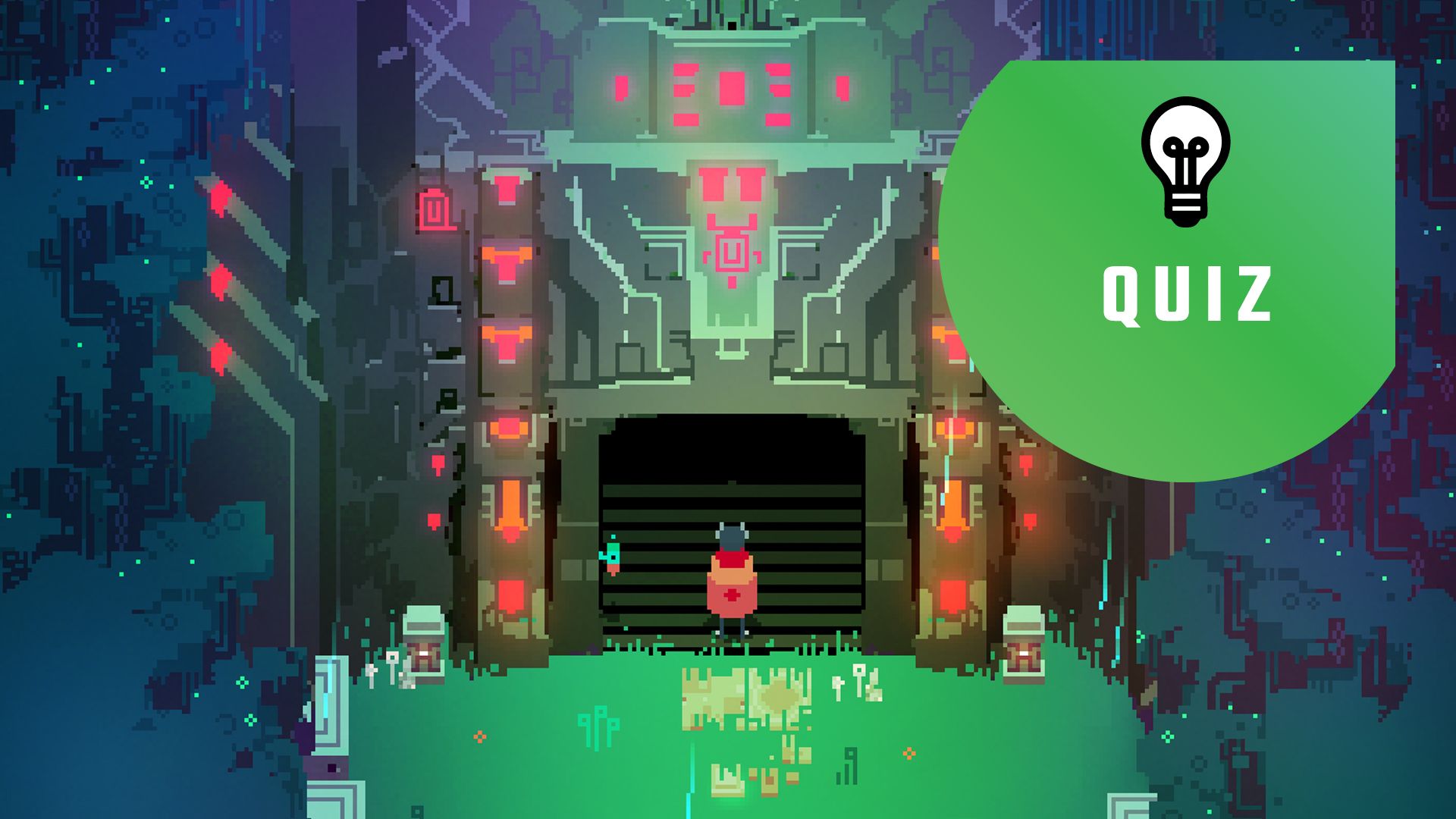
The industry’s current shift toward stylized visuals—ranging from the painterly, impressionistic strokes of Disco Elysium to the refined, high-definition sprite work of titles like Hyper Light Drifter—is a direct response to the "uncanny valley" of high-end graphical fidelity. When a game opts for a stylized aesthetic, it invites the player’s imagination to fill in the gaps. This collaborative effort between the developer and the player creates a deeper sense of immersion than any photorealistic texture ever could.
A Chronological Journey: From Hardware Limits to Artistic Choice
The history of pixel art is inherently tied to the history of technological constraint. In the 1980s and early 90s, artists were not making a stylistic choice when they used limited color palettes and blocky sprites; they were fighting the hardware.
The 8-Bit Foundation
The NES era provided the scaffolding for what we consider "classic" gaming. Because memory was at an absolute premium, every single pixel had to serve a purpose. Games like Super Mario Bros. and The Legend of Zelda were forced to communicate complex ideas—danger, reward, location—through minimalist visual cues. This forced economy of design created an iconic visual language that persists in our cultural consciousness today.
The 16-Bit Peak
The 16-bit era, represented by the SNES and the Sega Genesis, is widely considered the zenith of traditional pixel art. Titles such as Secret of Mana, Chrono Trigger, and Final Fantasy VI showcased what could be achieved when artists were given just enough breathing room to add depth, shading, and animation. These games didn’t just look "good for the time"—they possessed an artistic soul that has allowed them to remain visually palatable, if not beautiful, decades after their release.
The Modern Renaissance
Today, we exist in a "post-limitation" era. Modern pixel art games, such as Replaced, Dead Cells, or Celeste, are not restricted by the hardware of 1990. Instead, developers use modern lighting engines, dynamic shadows, and high-frame-rate animations to push the pixel medium into places the original console architects could never have imagined. This is no longer a mimicry of the past; it is an evolution of a medium that has successfully transitioned from a technical necessity to an expressive art form.
Supporting Data: Why Players Still Choose Pixels
The market data surrounding indie gaming supports the idea that players are increasingly gravitating toward these stylized experiences. According to recent industry trends, indie games utilizing strong, distinct art directions—specifically pixel-based styles—consistently outperform generic low-budget 3D titles on digital storefronts like Steam.
- Longevity: Games with strong pixel art tend to have a much longer "shelf life" in terms of public perception. While early 3D games from the PS1/N64 era often look jagged and visually unappealing today due to aging rendering technology, 16-bit classics remain visually consistent.
- Cognitive Load: Studies into player engagement suggest that stylized graphics reduce the "visual noise" that can overwhelm players in modern hyper-realistic environments. By simplifying the visual information, players are often better able to focus on core gameplay mechanics and environmental storytelling.
The Developer Perspective: The "Less is More" Philosophy
In interviews, creators behind some of the most celebrated modern pixel art games often cite the same core motivation: clarity. Heart Machine, the studio behind Hyper Light Drifter, has frequently discussed how the stark, neon-drenched pixel aesthetic of their debut title was designed to evoke a sense of mystery and decay that would have been difficult to achieve with realistic character models.
By stripping away the need for realistic facial expressions or complex physical physics, developers are empowered to focus on atmosphere. The "I can fix them" trope often found in modern RPGs, or the high-stakes tension of a roguelike, is often amplified by the fact that the player is projecting their own emotions onto a sprite that is just expressive enough to be relatable, but blank enough to be a vessel for the player’s own journey.
Implications for the Future of Gaming
What does this mean for the future of the industry? As we move toward the next generation of consoles, the divide between "AAA Photorealism" and "Stylized Indie" will likely widen. However, the influence of the pixel aesthetic is already bleeding into larger projects. We are seeing more high-budget games incorporate "2.5D" elements—mixing 3D environments with 2D sprite work—suggesting that the industry has finally realized that pixels aren’t a downgrade; they are a toolset as valid as any other.
The implication is clear: games are no longer competing to see who can best replicate a photograph. They are competing to see who can build the most compelling world. Whether that world is built with millions of polygons or a few thousand carefully placed pixels, the goal remains the same: to tell a story that sticks with the player long after the screen goes dark.
Test Your Knowledge: Are You a Pixel Art Expert?
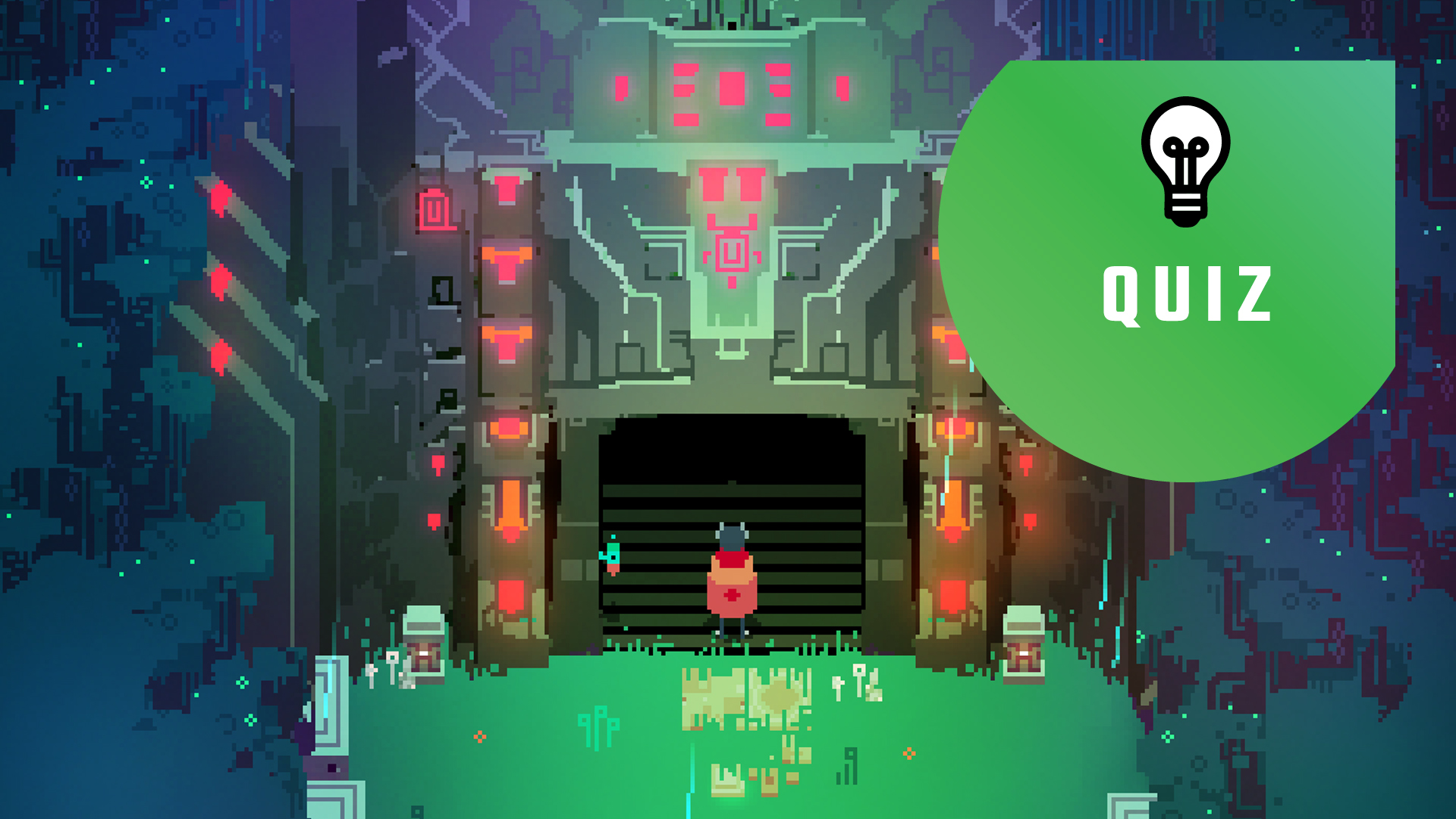
If you consider yourself a connoisseur of the 8-bit, 16-bit, and 32-bit eras, it is time to put your expertise to the test. We have curated a specialized challenge for our readers: 15 games, 15 cropped screenshots, and only 10 minutes to prove your worth.
From the shadowy depths of classic dungeon crawlers to the vibrant, neon-soaked landscapes of modern indies, this quiz covers the full spectrum of the pixel art movement.
[Click here to take the PC Gamer Pixel Art Quiz]
How well do you know your sprites? Once you’ve completed the challenge, head over to the comments section below to share your score. Are you a master of the 16-bit era, or did you get tripped up by the modern indie wave? Let us know which pixel-art titles you think we missed—we’re already building the next iteration of the quiz, and your favorite might just make the cut.