

By [Your Name/Journalistic Desk]
After years of speculation, fan petitions, and a palpable vacuum in the arcade-racing genre, Sega has officially signaled that one of its most iconic properties is roaring back to life. Following an investor briefing earlier this month that outlined a strategic commitment to revitalizing the company’s “classic IP catalog,” Sega has confirmed that the high-octane, punk-rock-fueled Crazy Taxi franchise is officially in development for a modern reboot.
The news broke via a sudden and unexpected reactivation of the official Crazy Taxi social media channels, which had remained dormant for seven years. This digital “kick-start” provides the first visual confirmation of the project, sparking immense excitement among long-time fans and industry analysts alike.
Main Facts: The Return of a Dreamcast Legend
The Crazy Taxi series, which originally debuted in arcades in 1999 before becoming a seminal title for the Sega Dreamcast in 2000, is being reimagined for the modern gaming landscape. Known for its addictive “pick-up-and-drop-off” gameplay loop, aggressive driving mechanics, and signature soundtrack featuring The Offspring and Bad Religion, the series defined the turn of the millennium for Sega.
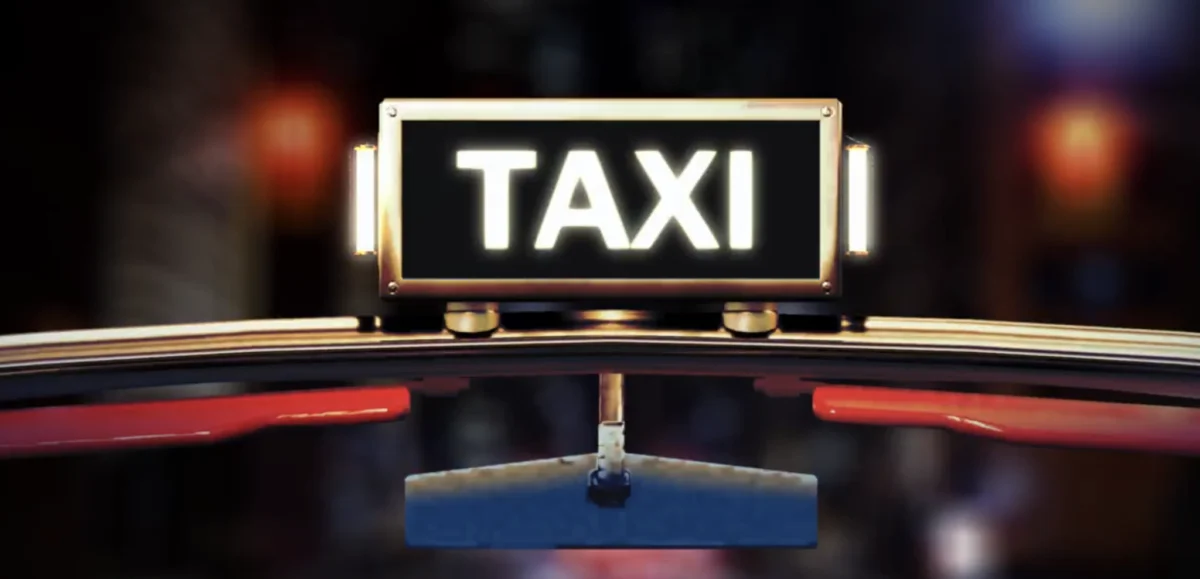
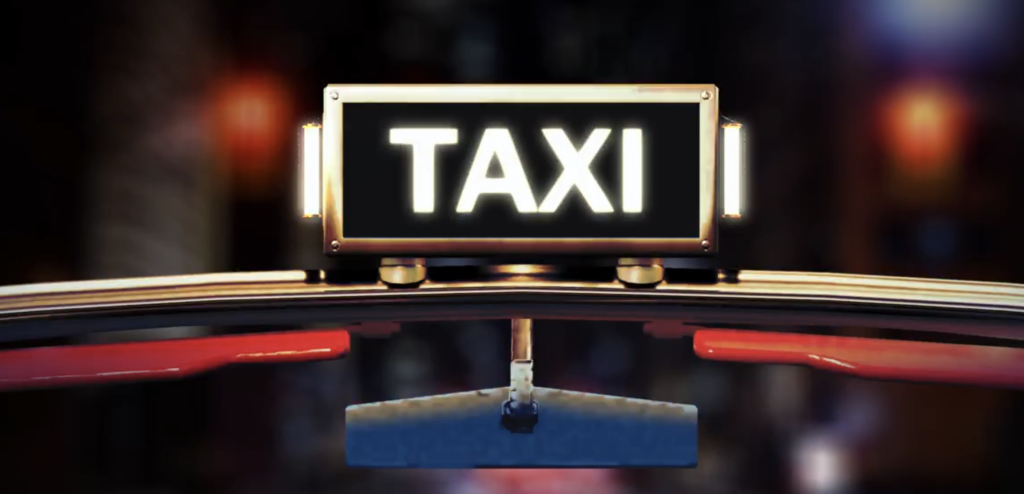
While specific details regarding gameplay mechanics, platforms, or release windows remain under wraps, the industry consensus is that Sega is looking to marry the chaotic, fast-paced essence of the original with modern engine capabilities—potentially leveraging open-world design or advanced physics to heighten the intensity. The teaser image released by the company hints at a refreshed aesthetic, signaling a departure from the dated polygons of the early 2000s toward a vibrant, high-fidelity experience that aims to capture the spirit of the original while appealing to a new generation of players.
Chronological Evolution: From Arcades to Dormancy
To understand the weight of this announcement, one must look at the trajectory of the Crazy Taxi series, which stands as a masterclass in arcade game design.
- 1999: The Arcade Genesis. Crazy Taxi hit Japanese arcades, powered by Sega’s NAOMI hardware. Its simple premise—earn as much money as possible by driving passengers to their destinations within a strict time limit—created an unparalleled sense of urgency.
- 2000: The Dreamcast Phenomenon. The console port became a “killer app” for the Sega Dreamcast, selling millions of copies and cementing the console’s reputation as the home of arcade-perfect experiences.
- 2001–2003: Expansion and Sequels. Crazy Taxi 2 (2001) introduced multiple passengers and jumping mechanics, while Crazy Taxi 3: High Roller (2002) brought the series to the original Xbox, expanding the scale of the game’s urban environments.
- 2004–2017: The Slow Fade. As the gaming industry shifted toward more narrative-driven, realistic simulation racers (such as Gran Turismo or Forza), the arcade-style "score chaser" began to lose its commercial dominance. Sega shifted its focus, and the series entered a long period of dormancy, relegated to occasional mobile spin-offs or digital re-releases.
- 2024–2026: The Revival Strategy. Following years of successful remakes for other titles, Sega announced an ambitious initiative to leverage its deep library of dormant IPs, leading to the current confirmation that Crazy Taxi is finally returning.
Supporting Data: Why Now?
Sega’s decision to revive Crazy Taxi is not merely a nostalgic whim; it is a calculated business move supported by current market trends.
- The "Arcade Renaissance": There is a growing demand for “pick-up-and-play” titles. As modern AAA games become increasingly complex, requiring dozens of hours for completion, players are showing a renewed appetite for short-session, high-intensity gaming experiences.
- Portfolio Diversification: In its latest fiscal report, Sega indicated that it is seeking to maximize the value of its legacy properties. The success of recent remakes and reboots in the industry—such as Capcom’s Resident Evil series or the Final Fantasy VII Remake project—has provided a blueprint for how to successfully modernize older titles without alienating the core fanbase.
- Social Media Engagement: The seven-year silence on the official Crazy Taxi Twitter account served as a pressure cooker. The moment the account posted its first teaser, engagement metrics spiked globally, proving that the brand equity of Crazy Taxi remains surprisingly resilient despite nearly two decades of inactivity.
Official Responses and Strategic Context
In recent investor briefings, Sega leadership has emphasized that the "Classic IP Revival" is a multi-pronged approach. Beyond Crazy Taxi, the company has explicitly cited Golden Axe, Jet Set Radio, and Streets of Rage as priority targets for rebooting or reimagining.
While Sega has remained tight-lipped regarding the specific development team behind the new Crazy Taxi title, industry rumors point to a mix of original team members and new talent tasked with maintaining the "feel" of the original. The company’s focus is clearly on quality; rather than rushing out a budget sequel, the current development cycle appears to be focused on a substantial, ground-up rebuild.
"Our goal is to introduce our most beloved characters and worlds to a new generation while respecting the elements that made them classics in the first place," a representative hinted during a recent shareholder Q&A.
Implications: A New Era for Sega?
The revival of Crazy Taxi has significant implications for the broader gaming landscape:
1. The Death of the "Dormant IP" Strategy
For years, Sega was criticized for letting its vast back catalog gather dust. By actively investing in these titles, Sega is repositioning itself as a publisher that understands the value of its own history. This could lead to a wave of "legacy-modernization" that sees other publishers (like Konami or Ubisoft) reconsidering their own abandoned franchises.
2. Genre Resurgence
If Crazy Taxi proves to be a commercial success, it could spark a revival of the "Arcade Racer" sub-genre. The current market is heavily saturated with simulation racers and open-world car games. A high-budget, arcade-style racer could disrupt this monotony and fill a significant gap in the market.
3. The Cross-Platform Strategy
Given Sega’s current distribution strategy, it is highly likely that this reboot will be a multi-platform release. This ensures maximum visibility and access, further cementing the brand’s reach. By targeting PC, PlayStation, and Xbox, and potentially Nintendo’s next-generation hardware, Sega is positioning Crazy Taxi to be a household name once again.
Conclusion: The Road Ahead
As we look toward the summer months, the gaming community remains in a state of heightened anticipation. Will the new Crazy Taxi stick to the original formula, or will it evolve into a massive, city-wide open-world experience with multiplayer features?
One thing is certain: the world is ready for more "Crazy" driving. As the industry moves toward increasingly serious and cinematic experiences, the return of a game that celebrates pure, unadulterated, punk-rock-fueled fun is exactly what the doctor ordered. For those who grew up in the arcades of the late 90s, the return of the yellow taxi is a long-overdue reunion. For the rest of the world, it is a reminder that some of the best gameplay ideas are timeless.
Sega has officially opened the door to its past. Now, the world waits to see how they will drive it into the future.











No comments yet. Be the first to join the conversation!