Reynand Wu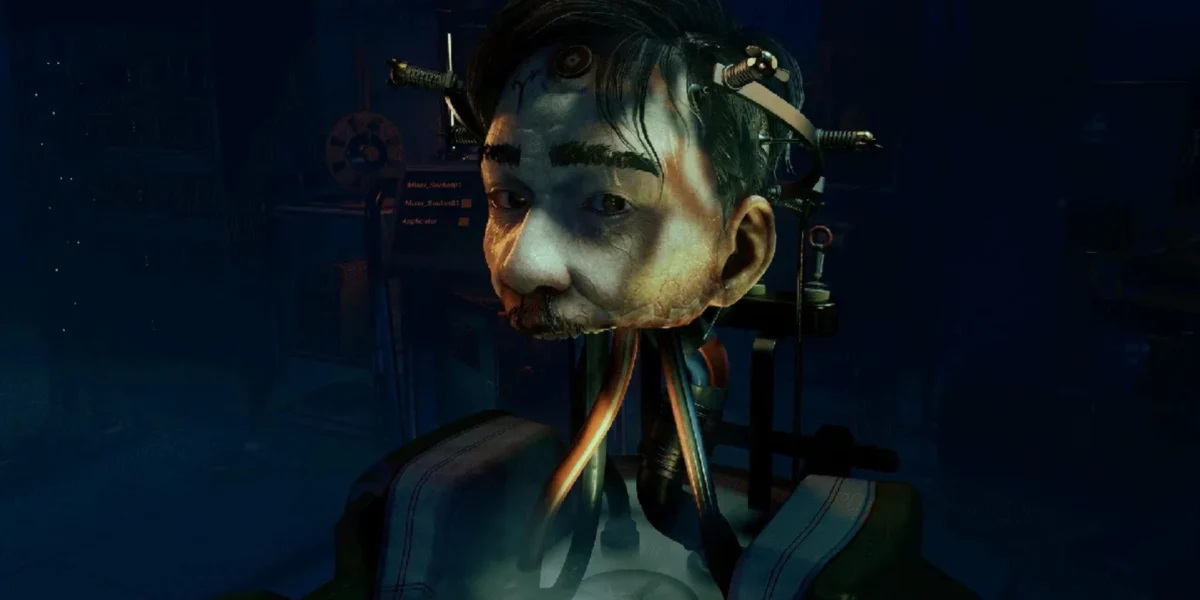
Since the 2015 release of SOMA, Frictional Games has occupied a unique, almost sacred space in the horror genre. By eschewing the industry-standard reliance on predictable jump scares in favor of existential dread and philosophical inquiry, the studio fundamentally altered what players expect from survival horror. Today, the studio—and its publisher, Kepler Interactive—confirmed that the follow-up to this legacy, the cosmic thriller titled ONTOS, will not meet its original 2026 release window.
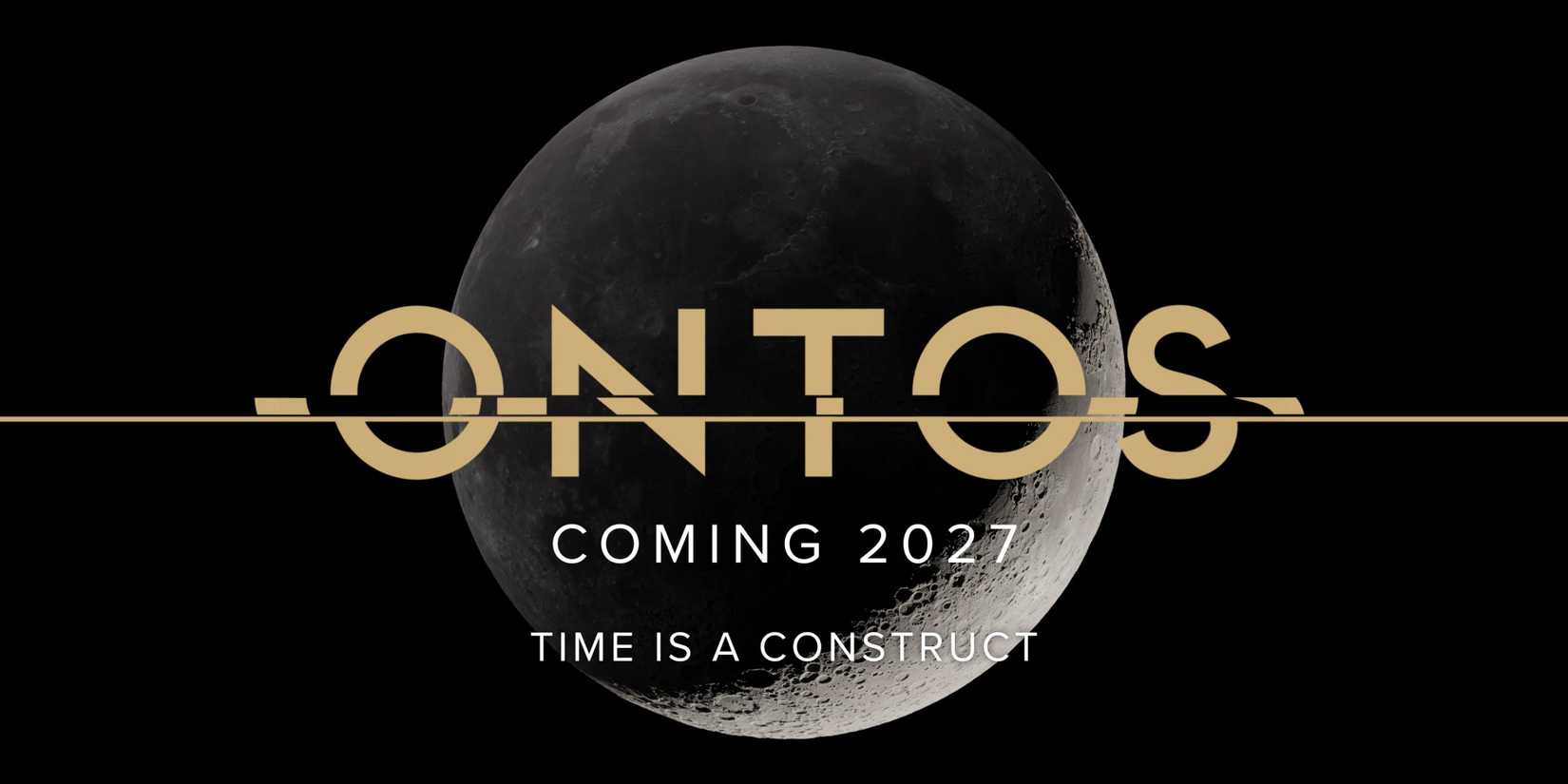
The announcement, which has sent shockwaves through the dedicated horror community, confirms that the project has been pushed into a 2027 release slot. While delays are often met with apprehension, the context provided by the developers suggests a move rooted in the sheer scale and ambition of what ONTOS aims to achieve.
The Weight of Expectation: A Legacy of Dread
To understand why the delay of ONTOS is significant, one must first appreciate the shadow cast by its predecessor. SOMA was not merely a game; it was a meditation on the nature of consciousness, identity, and the terrifying fragility of the human soul. Set within the claustrophobic confines of an underwater research facility, it challenged players to make impossible moral choices while navigating the terrors of a post-human world.
Following their success with the Amnesia franchise, Frictional Games solidified their reputation as the architects of "intellectual horror." When the team first teased ONTOS—a new cosmic mystery—it was immediately heralded as the spiritual successor to the SOMA experience. The gaming public, starving for a title that treats horror as a medium for serious storytelling rather than mere adrenaline-pumping thrills, placed the game at the top of their most-anticipated lists.
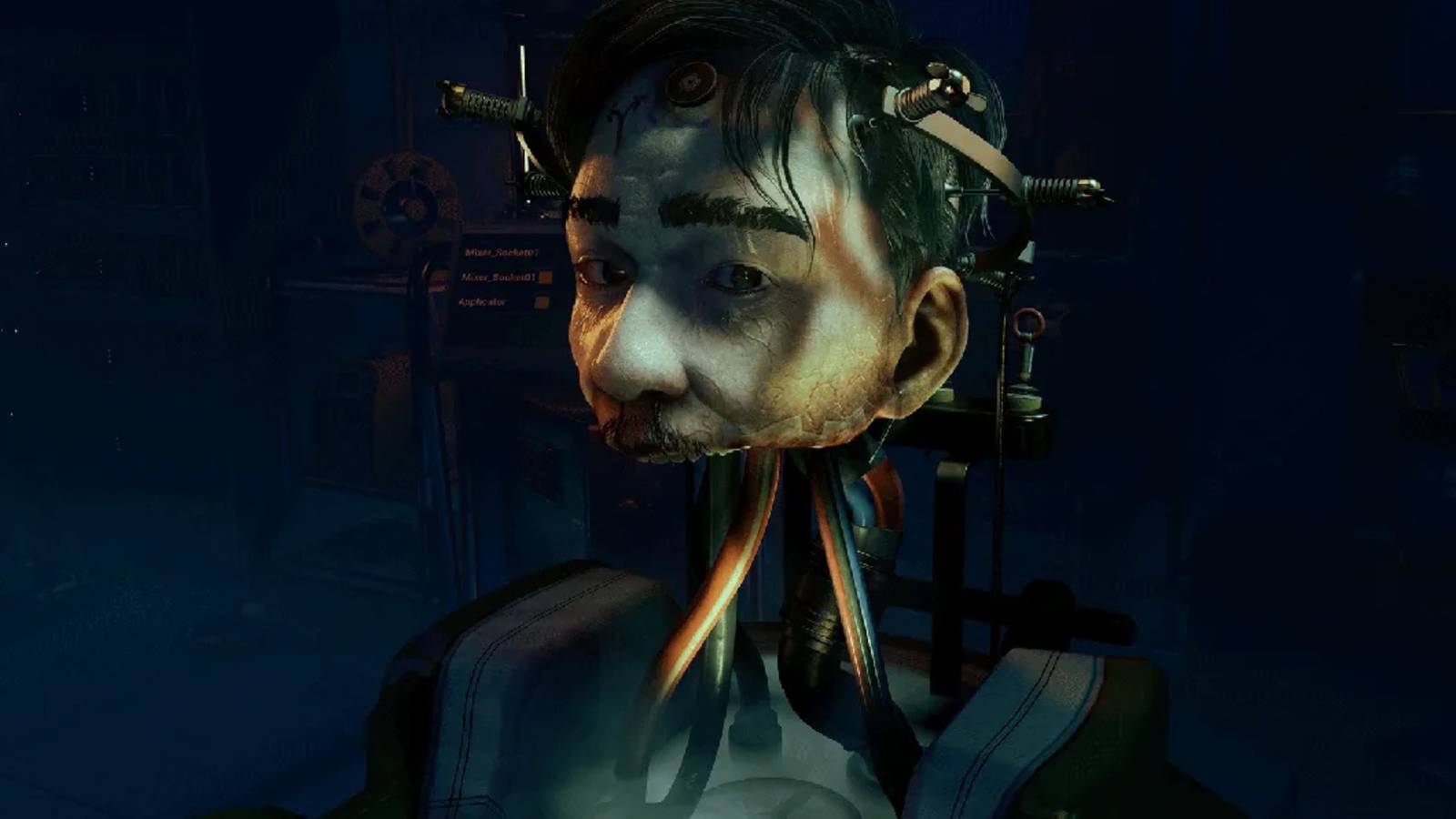
Chronology of a Delay: From Announcement to Postponement
The journey of ONTOS has been one of mystery and carefully curated atmosphere. Since its initial tease, Frictional Games has maintained a relatively low profile, preferring to let the weight of their previous titles build anticipation.
- Initial Reveal: The project was first identified as a major new IP, with the studio hinting at a departure from the traditional linear narrative structures of Amnesia.
- The 2026 Window: During early development updates, the collaboration with Kepler Interactive suggested a target release window for late 2026. This timeframe was intended to capture the "spooky season" market, a period traditionally dominated by horror enthusiasts.
- The July 2026 Pivot: On July 2, 2026, the official announcement arrived: ONTOS would not hit the shelves this year. The statement confirmed a shift to 2027, citing the necessity of refinement for such an "ambitious" project.
This delay marks a strategic pivot for the studio. In the modern era of game development, where "crunch culture" and unfinished launches often plague the industry, Frictional Games’ decision to pull the emergency brake indicates a commitment to their established brand of high-quality, atmospheric terror.
The Anatomy of Ambition: Why the Extra Time?
According to the joint statement released by Frictional Games and Kepler Interactive, the primary driver for this delay is the sheer scale of the project. Developers noted that ONTOS represents their most expansive work to date.
Expanding the Scope of Cosmic Horror
"ONTOS is our most ambitious game to date, both in terms of its size and scale, and in the depth and layers of our story and gameplay," the statement read. For a studio that has mastered the "corridor-based" tension of Amnesia and the open-ended exploration of SOMA, this suggests a potential shift toward more complex world-building or interactive narrative systems that require significantly more QA (Quality Assurance) time.

The Technical Threshold
Horror games are notoriously difficult to balance. The pacing of a scares-to-story ratio is a delicate science. If the environmental storytelling is too dense, the player may become frustrated; if it is too sparse, the dread evaporates. By pushing the release to 2027, Frictional Games is likely looking to polish the interaction between the game’s physics-based puzzles and its emergent narrative elements, ensuring that the player remains fully immersed in the experience without being pulled out by bugs or mechanical friction.
Implications for the Horror Genre
The delay of ONTOS has a ripple effect on the broader gaming landscape. With many major horror titles shifting their focus toward multiplayer "asymmetrical" formats, Frictional remains a bastion for the single-player, narrative-driven experience.
Maintaining the "Frictional Standard"
The industry has seen a troubling trend of games released in "early access" or "day-one patch" states that require months of updates to reach a playable, intended level of quality. Frictional Games has historically avoided this trap. By delaying ONTOS, they are signaling to their audience that they value the "first impression" of the game above meeting a quarterly financial target. This reinforces their brand as a "prestige" studio—one where the quality of the narrative and the cohesion of the experience are paramount.
The 2027 Landscape
By moving to 2027, ONTOS will likely avoid a crowded 2026 market, allowing it to stand out as a marquee title when it eventually drops. This also suggests that the studio is confident in their vision, believing that even in a future, more crowded market, the SOMA-esque DNA of their project will distinguish it from the crowd.
Official Responses and Studio Philosophy
The reaction from the community has been largely understanding, a testament to the trust Frictional Games has built over the last decade. In the gaming industry, consumer trust is a commodity, and Frictional has spent years earning it through consistent, high-quality output.
The studio has promised to keep the community engaged during the wait. While they have not provided a firm 2027 release date, they have committed to "sharing much more" about the mysterious world and the characters of ONTOS in the coming months. This is a vital strategy to maintain momentum. Without regular updates, a year-long delay could lead to a loss of interest; however, by teasing the lore, the setting, and the unique mechanics of the game, the developers can turn the delay into a "slow-burn" marketing campaign that keeps the hype train on the tracks.
What to Expect: A Return to Existential Dread
While details remain sparse, the title ONTOS—a Greek word often associated with "being" or "existence"—strongly implies that the game will continue the philosophical trajectory established by SOMA.
Players should anticipate:
- Philosophical Narrative Depth: Expect a story that forces players to confront the limitations of their own existence.
- Environmental Storytelling: Frictional’s trademark ability to tell a story through architecture, notes, and audio logs will likely be scaled up to a more grand, possibly more terrifying degree.
- Refined Interaction: If the studio is taking more time, we can expect the physics-based interactions that defined their previous titles to be more intuitive, immersive, and perhaps more dangerous.
Final Thoughts: The Cost of Brilliance
The wait for ONTOS is undoubtedly frustrating for those who were looking forward to a chilling experience this coming October. However, the history of the medium is littered with games that were rushed to meet a deadline and subsequently suffered for it.
Frictional Games has proven time and again that their strength lies in the details—the sound of a footstep on a metal grate, the flickering light of a dying terminal, the crushing weight of an impossible decision. If the price for another masterclass in existential horror is an extra year of patience, it is a price that most fans of the genre will be more than willing to pay.
As we look toward 2027, we aren’t just waiting for a game; we are waiting for a new threshold in horror. If ONTOS can capture even a fraction of the dread and wonder that defined SOMA, it will be a defining moment for the medium. For now, the darkness will just have to wait a little longer to reveal its secrets.


 Asro
Asro
 Muslim