

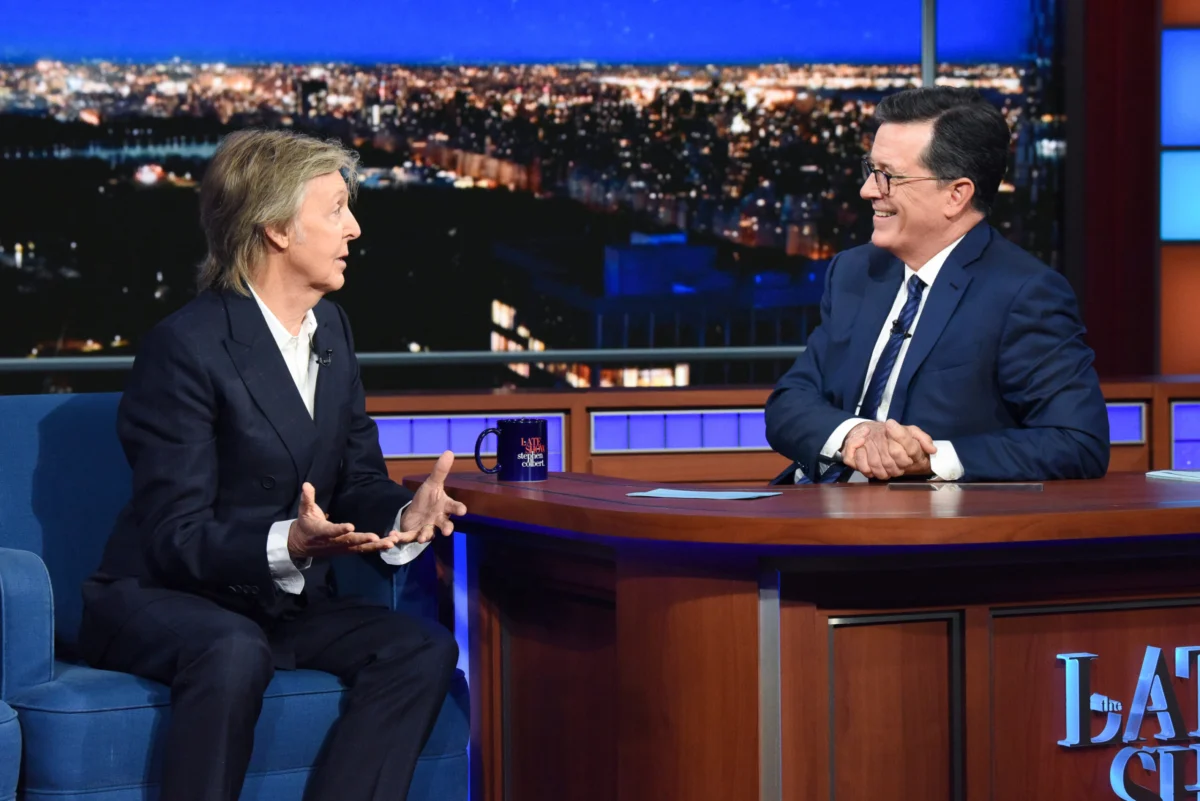
The historic Ed Sullivan Theater, a venue etched into the bedrock of American television history, served once again as the epicenter of cultural gravity this week. As the lights dimmed on the final taping of CBS’s The Late Show, the era of Stephen Colbert’s tenure reached a poignant, high-octane conclusion. In a broadcast that stretched 17 minutes beyond its standard hour, the network delivered a swan song designed to honor not just a host, but the legacy of a format that has defined late-night discourse for over three decades.
A Legacy Sealed: The Main Facts
Stephen Colbert’s departure from The Late Show marks the end of a pivotal chapter for CBS, which has been the home of the franchise since 1993. The finale was defined by a meticulously curated list of A-list talent, reflecting the wide-reaching influence Colbert garnered during his time in the seat.
The production was shrouded in unprecedented levels of security. Outside the legendary New York City theater, a massive, opaque security tower was erected, creating a private tunnel that shielded guests from the prying eyes of paparazzi and the public. As high-profile stars arrived and departed, security personnel utilized heavy curtains to ensure absolute secrecy, a stark departure from the typical, accessible energy of late-night talk show arrivals. This atmosphere of mystery only served to heighten the anticipation among fans, who braved the city streets to catch a glimpse of the departing legends.
A Chronology of a Farewell
The final week of programming was not merely a single event; it was a curated retrospective of Colbert’s career and the connections he forged throughout his tenure.
- Early Week Momentum: The week began with an onslaught of cultural icons. The appearance of Steven Spielberg brought a cinematic gravitas to the desk, while the return of Jon Stewart—Colbert’s longtime collaborator and mentor—provided a sentimental bridge to their shared history on The Daily Show. David Letterman, the man whose shadow looms largest over the Ed Sullivan Theater, also made a poignant return, underscoring the lineage of the show.
- The Mid-Week Crescendo: On the penultimate night, the musical prowess of Bruce Springsteen took center stage, delivering a haunting rendition of "Streets of Minneapolis." The guest list during this stretch was arguably one of the most diverse in late-night history, featuring everyone from comedic legends like Billy Crystal and Weird Al Yankovic to dramatic heavyweights such as Josh Brolin, Jeff Daniels, and Robert De Niro.
- The Finale Taping: The final taping saw the return of Paul McCartney, a figure whose history with the Ed Sullivan Theater is legendary. Having performed with The Beatles on that very stage in 1964, McCartney’s presence provided a thematic "full circle" moment for the venue.
The McCartney Connection and Musical Resonance
Paul McCartney’s appearance was the crown jewel of the finale. The legendary musician, who recently performed at the season finale of Saturday Night Live, treated the Late Show audience to a performance that echoed his previous, iconic appearances at the theater.
In 2009, McCartney famously performed a six-song set atop the marquee of the Ed Sullivan Theater for David Letterman’s Late Show, a moment that remains a highlight in the history of live television. In 2019, he returned to promote his children’s book, Hey Granddude!. His presence on Colbert’s final night served as a symbolic passing of the torch, connecting the revolutionary spirit of the 1960s to the modern era of television.
Furthermore, the return of former bandleader Jon Batiste provided an emotional anchor for the staff and long-time viewers. Batiste’s departure from the band earlier in the run had been a significant shift for the show, and his return for the final episode served as a reminder of the musical heartbeat that drove the program for years.
Supporting Data: The Guest Roster and Production Scale
The production values for the finale were reflective of a "go big or go home" philosophy. Beyond the headliners, the episode featured a flurry of A-list cameos that kept the audience guessing.

Paul Rudd, a frequent flyer on the show with over a dozen appearances, was joined by the likes of Bryan Cranston and Ryan Reynolds. Reports indicate that Reynolds even took a turn on the tambourine, adding a layer of spontaneous, unscripted joy to the farewell. The inclusion of figures like Aubrey Plaza, Martha Stewart, James Taylor, and political correspondent John Dickerson showcased the eclectic range of the show—balancing hard-hitting political analysis with high-concept comedy and musical prestige.
The secrecy surrounding the production was so tight that even seasoned fans were left guessing until the last moment. When asked for comment, one attendee emerging from the theater described the experience as "profoundly moving," noting that the energy in the room was a mix of celebratory exuberance and genuine, heartfelt grief for the loss of a daily ritual.
Public Reaction and Cultural Significance
Outside the theater, the scene was a microcosm of the show’s enduring popularity. Despite the frustration caused by the heavy security curtains, the crowd maintained a festive, reverent spirit. When the security measures prevented fans from seeing who was inside the vehicles, the crowd spontaneously began chanting, "Ste-phen! Ste-phen!"—the very chant that defined the studio audience’s relationship with the host since his transition from The Colbert Report.
One fan’s shout—"Whoever you are, we love you!"—perfectly encapsulated the atmosphere. It was a testament to the fact that the show had become more than just a broadcast; it was a community. The audience, having been a part of the show’s live energy for years, felt the weight of the moment, with many lingering on the sidewalk long after the final car had departed.
Implications: The Future of the Late-Night Landscape
The conclusion of Colbert’s Late Show is a watershed moment for CBS and the broader television landscape. When the franchise began in 1993, the late-night talk show was the undisputed king of cultural conversation. In the decades since, the rise of streaming, social media, and on-demand content has fractured that monoculture.
Colbert’s tenure represented a bridge between the traditional broadcast model and the digital-first era. His ability to blend sharp, satirical political commentary with the classic interview format allowed the show to remain relevant in a time of deep political polarization.
Looking Ahead:
- The CBS Void: With the end of this era, CBS faces the challenge of reinventing its late-night strategy. Whether they opt for a traditional talk format or shift toward something entirely new remains to be seen.
- The Changing Role of the Host: Colbert proved that a host could be both an entertainer and a cultural critic. Future hosts will likely be measured against the standard of engagement he set.
- The Ed Sullivan Theater: The theater itself remains one of the most significant cultural landmarks in New York. Its future use will likely involve a transition to a new programming model that honors its history while embracing the constraints of the modern media economy.
As the final credits roll at 11:35 p.m., the industry will be watching closely. Not just to see the final goodbye, but to see how the landscape of American late-night television shifts in the absence of one of its most dominant voices. The "Ste-phen" chant may have quieted for now, but the impact of his work will undoubtedly resonate through the halls of the Ed Sullivan Theater for years to come.









No comments yet. Be the first to join the conversation!