Siti Muinah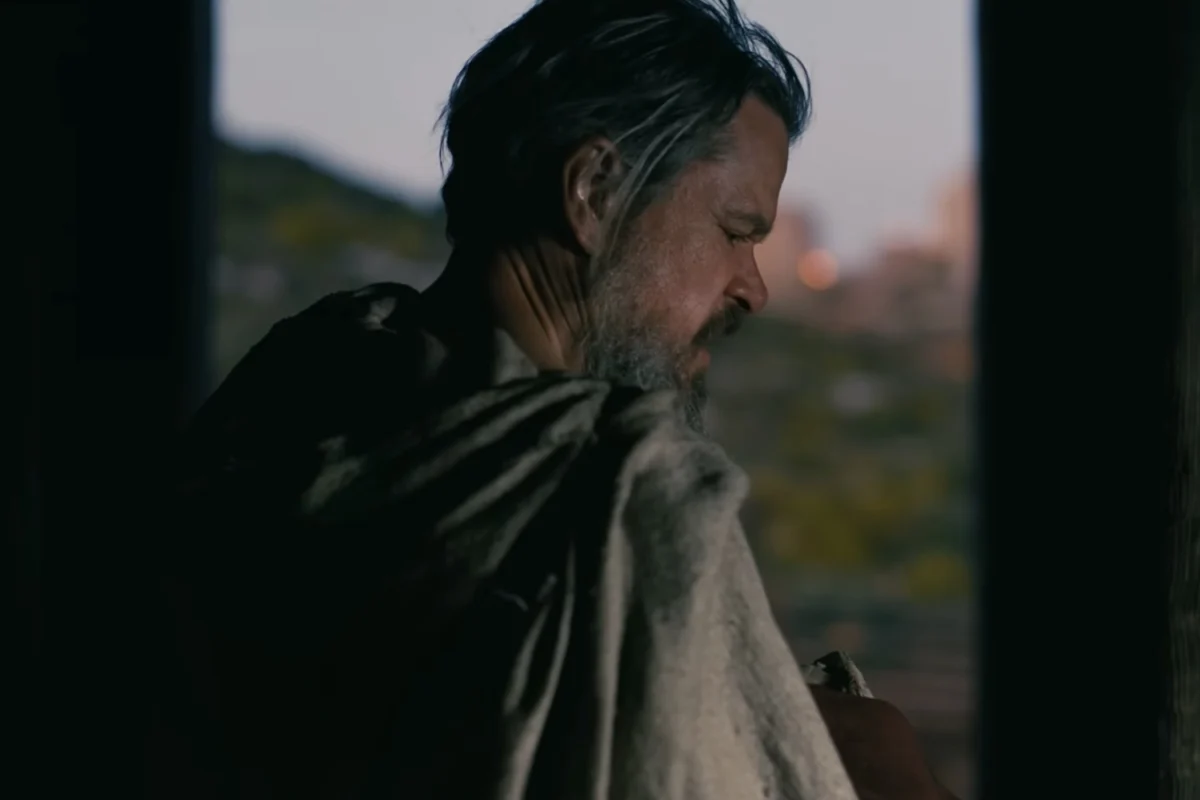
In just over two weeks, the cinematic landscape will shift. Christopher Nolan, the auteur behind Oppenheimer and Inception, is set to unveil his latest magnum opus, The Odyssey. With a runtime approaching three hours, the film represents not only a massive production undertaking but a profound cultural event. As the final promotional materials hit the public, anticipation has reached a fever pitch, signaling that the "Odyssey fever" currently gripping both Hollywood and the halls of academia is far more than mere marketing hyperbole.
Main Facts: A Return to the Ancient World
The final trailer for The Odyssey has officially arrived, offering audiences one last glimpse into Nolan’s reimagining of Homer’s foundational epic. While the footage largely echoes the visual motifs established in the previous two trailers, it introduces a more focused narrative urgency. The film stars Matt Damon as the titular hero, a man defined by his singular, desperate drive to return to the arms of his wife, Penelope (Anne Hathaway).
The production, which has been shrouded in characteristic Nolan secrecy, promises a visceral, high-stakes exploration of the classic poem. We see the familiar beats: the brutal, forceful rowing of men struggling against the crushing whirlpool of Charybdis, the sharp, cynical barbs of Robert Pattinson’s Antinous, and the profound, soulful presence of Argos, the aging hound whose two distinct life stages serve as a poignant anchor for the film’s emotional core. Most notably, the final trailer provides the first meaningful look at Elliot Page and Lupita Nyong’o, the latter of whom takes on the challenge of portraying dual roles.
Chronology: From Concept to Cultural Phenomenon
The journey of this film began long before the cameras started rolling. Christopher Nolan’s fascination with the source material—a tale of war, hubris, and the unrelenting pull of home—has been an open secret among industry insiders for years.
- Pre-Production (2023): Nolan formally announced the project, confirming he would adapt Homer’s epic. Casting rumors swirled for months before the final lineup was locked.
- Production (2024): The film entered an grueling, multi-continental shoot. From the Mediterranean coast to high-tech sound stages, the production sought to marry practical effects with Nolan’s signature large-format cinematography.
- Promotional Cycle (Spring 2026): The first teaser trailers dropped in April, setting a somber, mythic tone. The focus was on the "muted color, rich promise" of the setting, emphasizing the psychological toll of Odysseus’s ten-year journey.
- The Final Countdown (July 2026): With the release date set for July 17, the final trailer has shifted the focus from world-building to the stakes of the conflict: the clash of the suitors, the defiance of the gods, and the inevitable return of a king long thought dead.
Supporting Data: The Scope of the Epic
At nearly three hours, The Odyssey is designed to be a "big screen" experience in every sense of the word. Nolan has utilized IMAX technology to capture the vastness of the sea and the claustrophobia of the palace of Ithaca.
The film’s marketing has leaned heavily into the psychological weight of the story. The trailers emphasize the contrast between the grandiosity of the Trojan War—depicted through the legendary Trojan Horse and the physical prowess of the warriors—and the quiet, pining nature of Telemachus (Tom Holland), who serves as the audience’s surrogate for the tragedy of an absent father.
Data from social media sentiment analysis suggests that the film has successfully bridged the gap between the "prestige cinema" audience and the mainstream blockbuster demographic. The dual casting of Lupita Nyong’o and the inclusion of high-profile actors like Matt Damon and Anne Hathaway have provided the film with the necessary star power to ensure that a three-hour Greek epic remains commercially viable in the modern theatrical landscape.
Official Responses: The Classics World Reacts
Perhaps the most unexpected development in the lead-up to the premiere is the degree to which the film has been embraced by the academic community. According to reports from CNN, the Classics world is experiencing a surge of excitement rarely seen for a commercial Hollywood adaptation.
"I hope there is a surge in interest," said Kim Shelton, a professor at UC Berkeley specializing in ancient Greek and Roman studies. Professor Shelton has gone so far as to build her entire fall curriculum on the Trojan War around the film’s release. This sentiment is echoed across campuses globally, where scholars are viewing Nolan’s adaptation as a unique opportunity to reintroduce students to the nuances of Homeric poetry.
The consensus among academics seems to be that while the film may take creative liberties, its commitment to the "spirit" of the text—the isolation, the political maneuvering, and the existential dread—aligns with the core themes they teach in their classrooms. It is a rare instance where popular culture and rigorous historical study find common ground.
Implications: The Future of the "Epic"
The implications of The Odyssey reaching theaters on July 17 are twofold. First, it serves as a litmus test for the "prestige epic" in the post-pandemic era. If a three-hour film based on ancient literature can dominate the box office, it validates the studio strategy of investing in high-budget, intellectual storytelling.
Second, it redefines the role of the director as a bridge between high-brow literature and mass entertainment. Nolan has spent his career dissecting time, memory, and morality; The Odyssey feels like the logical conclusion of his thematic interests. The film asks: What does it mean to be a man? What does it mean to be a king? And, perhaps most pressingly, how does one survive the return home after the world has changed?
As the release date approaches, the excitement is palpable. For the casual moviegoer, it is a chance to see a master director tackle the ultimate hero’s journey. For the academic, it is a chance to see a timeless text brought to life with the gravitas it deserves. And for the rest of us, it is a reminder that some stories are so fundamental to the human experience that they demand to be told again and again.
Ultimately, the success of The Odyssey will not be measured solely in ticket sales or opening-weekend numbers. It will be measured by its ability to endure in the cultural consciousness, much like the poem that inspired it. As the final trailer fades to black, one thing is clear: Christopher Nolan’s Odyssey is not just a movie. It is an invitation to revisit the foundations of our stories. Whether the audience is ready for the weight of that history remains to be seen, but on July 17, we will all find out if the long journey home was worth the wait.

 Suro Senen
 Pevita Pearce