Azzam Bilal Chamdy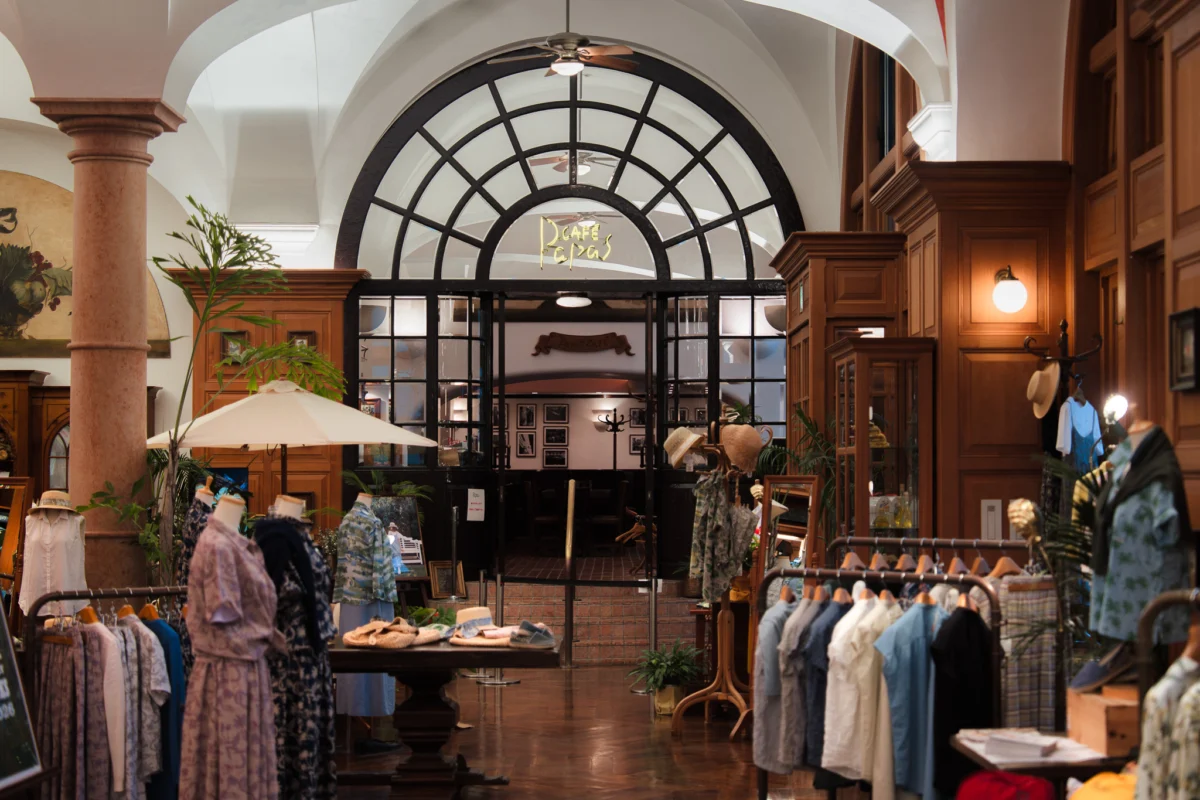
In an era defined by the rapid churn of “fast fashion” and the digital acceleration of micro-trends, the modern consumer is increasingly turning their back on the disposable. There is a palpable, growing hunger for garments that possess a soul—pieces that carry a narrative, reflect a distinct worldview, and are constructed to endure the tests of both time and style. It is into this landscape of renewed appreciation for craftsmanship that the sibling brands Mademoiselle Non Non and Papas step with quiet authority. For decades, these labels have remained a cornerstone of Japanese fashion, not by shouting for attention, but by whispering a philosophy of relaxed, meticulously crafted elegance that has cultivated a devoted, multi-generational following.
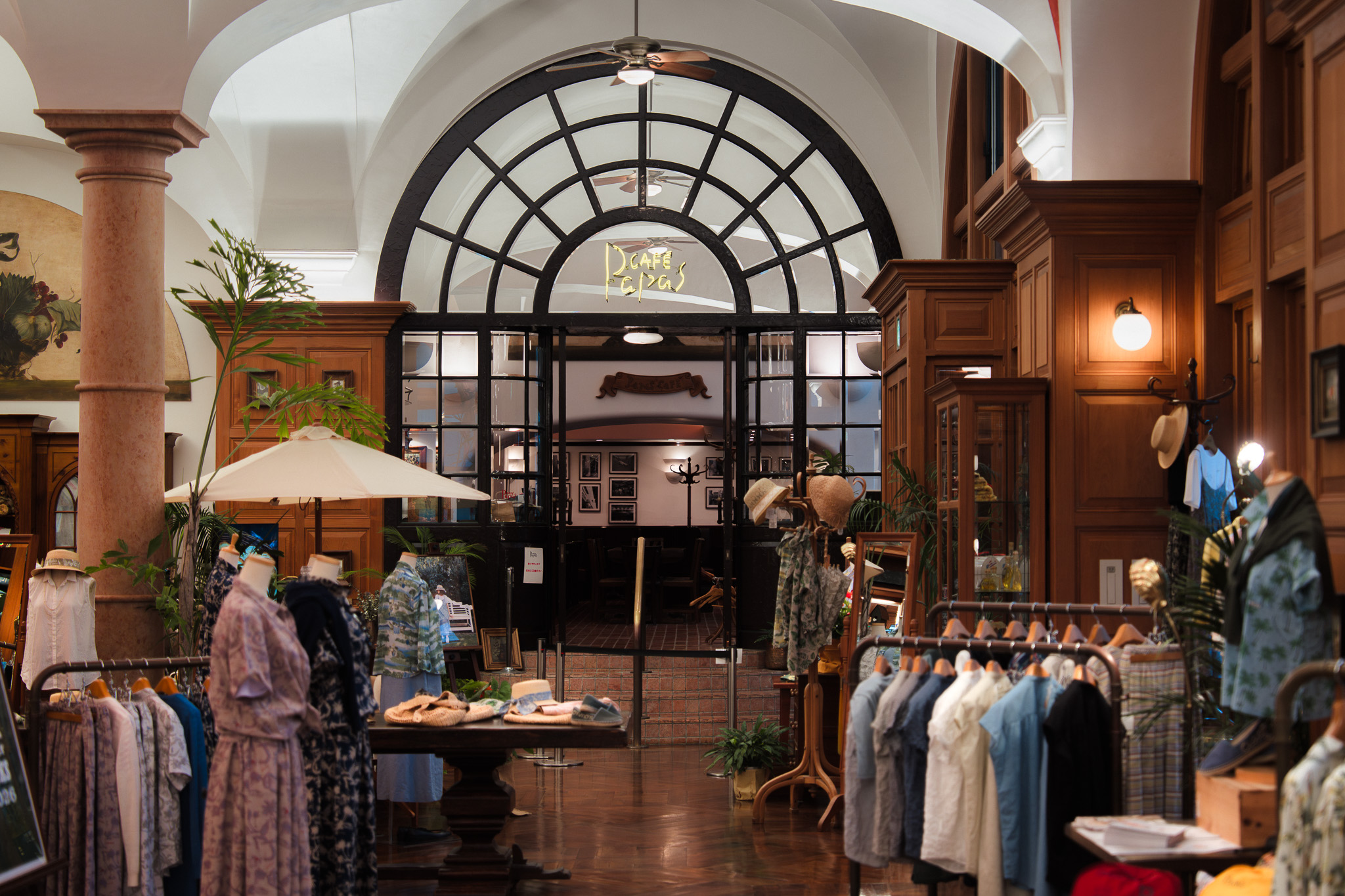
Stepping into a Mademoiselle Non Non or Papas boutique is a sensory departure from the high-octane retail environment of modern Tokyo. One finds airy linens, vibrant yet tasteful prints, and sun-faded palettes that evoke a sense of Mediterranean ease. It is a refined hideaway, an oasis of calm where the atmosphere is sophisticated yet decidedly unpretentious. Every stitch in these collections is a testament to the "Made in Japan" ethos, utilizing premium textiles engineered to grow softer and more characterful with each passing season. At their Marunouchi flagship—a sanctuary complete with an integrated café—the brands offer more than just apparel; they offer an invitation to participate in a nostalgic, slower way of living.
The Genesis: A Cultural Milestone in 1964
To grasp the DNA of Mademoiselle Non Non, one must look back to 1964—a seminal year for Japan, marked by the Tokyo Olympics and the nation’s re-emergence onto the global stage. It was during this period of profound cultural transformation that the label debuted its first storefront within Harajuku’s legendary Central Apartment building. This was not merely another shop; historians and fashion insiders widely regard it as Japan’s very first true fashion boutique.
In the late 1960s and throughout the 1970s, this Harajuku location served as a magnetic pole for Japan’s creative vanguard. Musicians, artists, and intellectual icons of the era gathered there, drawn by a design language that was both foreign and familiar. The brand successfully synthesized a Parisian sensibility—an effortless chic—with a Japanese appreciation for functionality and understated luxury. This reputation for quality soon transcended domestic borders, leading to the establishment of a boutique in Paris, cementing the brand’s status as a cross-cultural bridge.
Today, the label’s guiding principle remains as relevant as it was in its infancy: “Normal is wonderful, and wonderful is normal.” It is a mantra that rejects the performative nature of trend-chasing in favor of clothing that honors the wearer’s individuality.
Papas: The Hemingway-Inspired Legacy
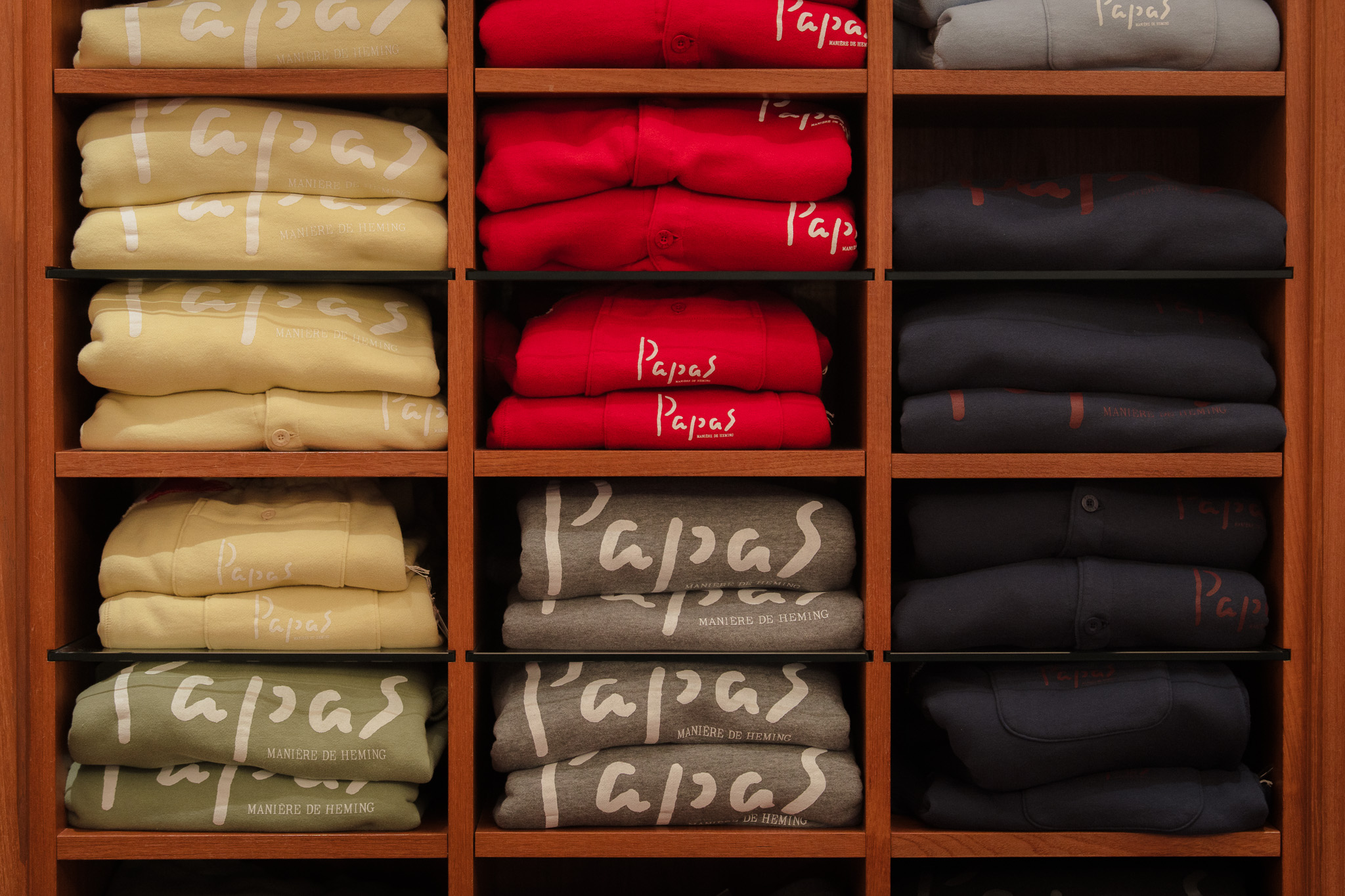
If Mademoiselle Non Non serves as the brand’s foundational aesthetic pillar, its sibling label, Papas, acts as its rugged, intellectual counterpart. Launched in 1986 and celebrating a momentous 40th anniversary this year, Papas was conceived for the man who values substance over spectacle.
The name itself serves as a profound homage to Ernest Hemingway, whose nickname, "Papa," was synonymous with a life lived in pursuit of truth, adventure, and the natural world. Just as Hemingway’s prose was stripped of unnecessary ornament, the clothing of Papas is defined by a clean, functional beauty. The brand draws heavily from the author’s own sense of style: adventurous, grounded, and inherently masculine.
Papas clothing is designed for the modern man whose life defies categorization. It is as comfortable at a riverside retreat as it is in a boardroom. By utilizing loose, natural silhouettes and an earthy color palette, the brand avoids the trap of forced sophistication. Instead, it offers a "lived-in" elegance that respects the wearer’s need for movement, comfort, and durability.
The "Open Kitchen" Philosophy: A Commitment to Domestic Craft
The most distinguishing factor between these brands and the globalized giants of the fashion industry is their unwavering refusal to outsource production. In an age where supply chains are obscured to prioritize margins, Mademoiselle Non Non and Papas maintain what they term an “open kitchen” approach to their manufacturing.
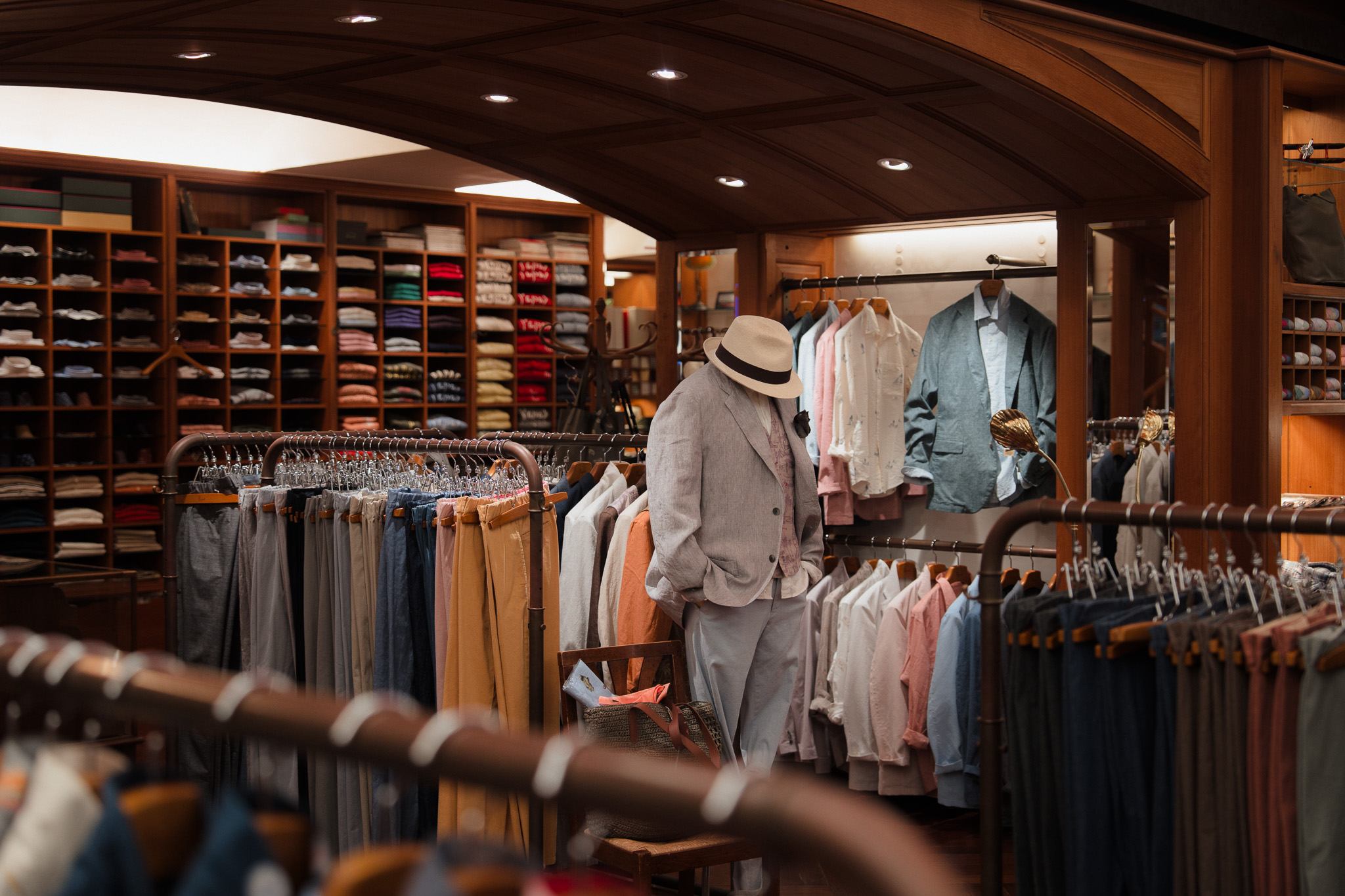
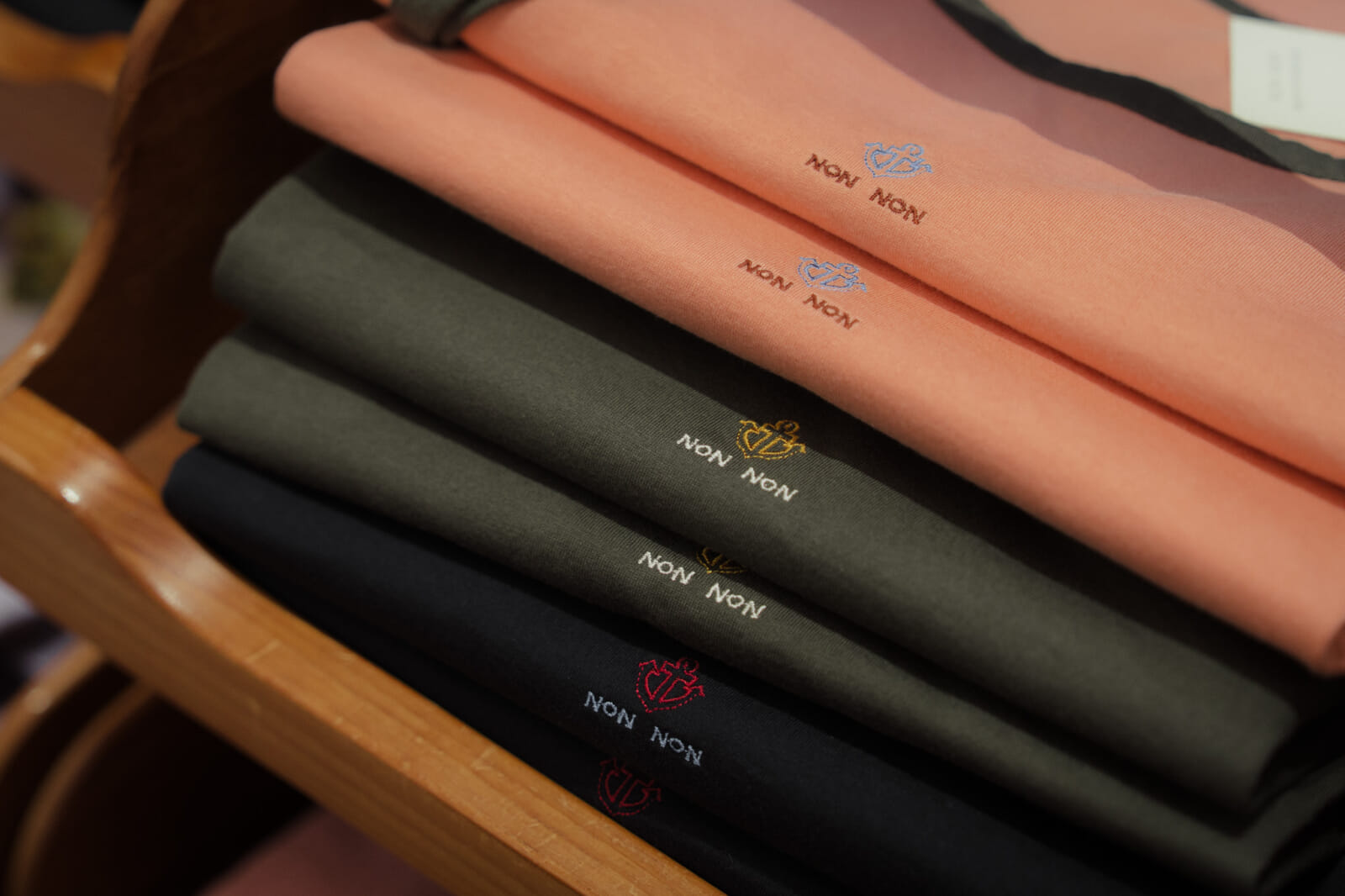
This philosophy involves deep, long-standing partnerships with Japanese factories and specialized artisans. By maintaining a physical and operational proximity to the production process, the brands ensure that every garment meets a rigorous standard of quality. The process begins with the selection of raw materials: high-grade wools, breathable linens, and crisp, durable cottons.
These materials are not merely chosen for their initial hand-feel, but for their longevity. The dyeing, cutting, and stitching are conducted by master craftsmen who treat each piece as a singular project rather than a unit of mass production. This "Made in Japan" dedication results in a level of softness and structural integrity that is increasingly rare. The garments are designed to age, with the fabrics developing a patina of personal history as they are worn, washed, and loved over the years.
Chronology: A Trajectory of Timelessness
- 1964: The birth of Mademoiselle Non Non in Harajuku’s Central Apartment. Recognized as the first boutique of its kind in Japan.
- 1970s: The brand gains international prestige, expanding its footprint to Paris and influencing the burgeoning Japanese creative scene.
- 1986: Papas is launched to provide a menswear companion, channeling the adventurous and stoic spirit of Ernest Hemingway.
- 1990s–2010s: The brands solidify their presence across Japan, maintaining a focus on premium, domestically produced textiles.
- 2026: Celebrating 40 years of Papas, the brand continues to emphasize its flagship experience in Marunouchi, prioritizing the "slow retail" movement.
The Marunouchi Experience: A Sanctuary in the City
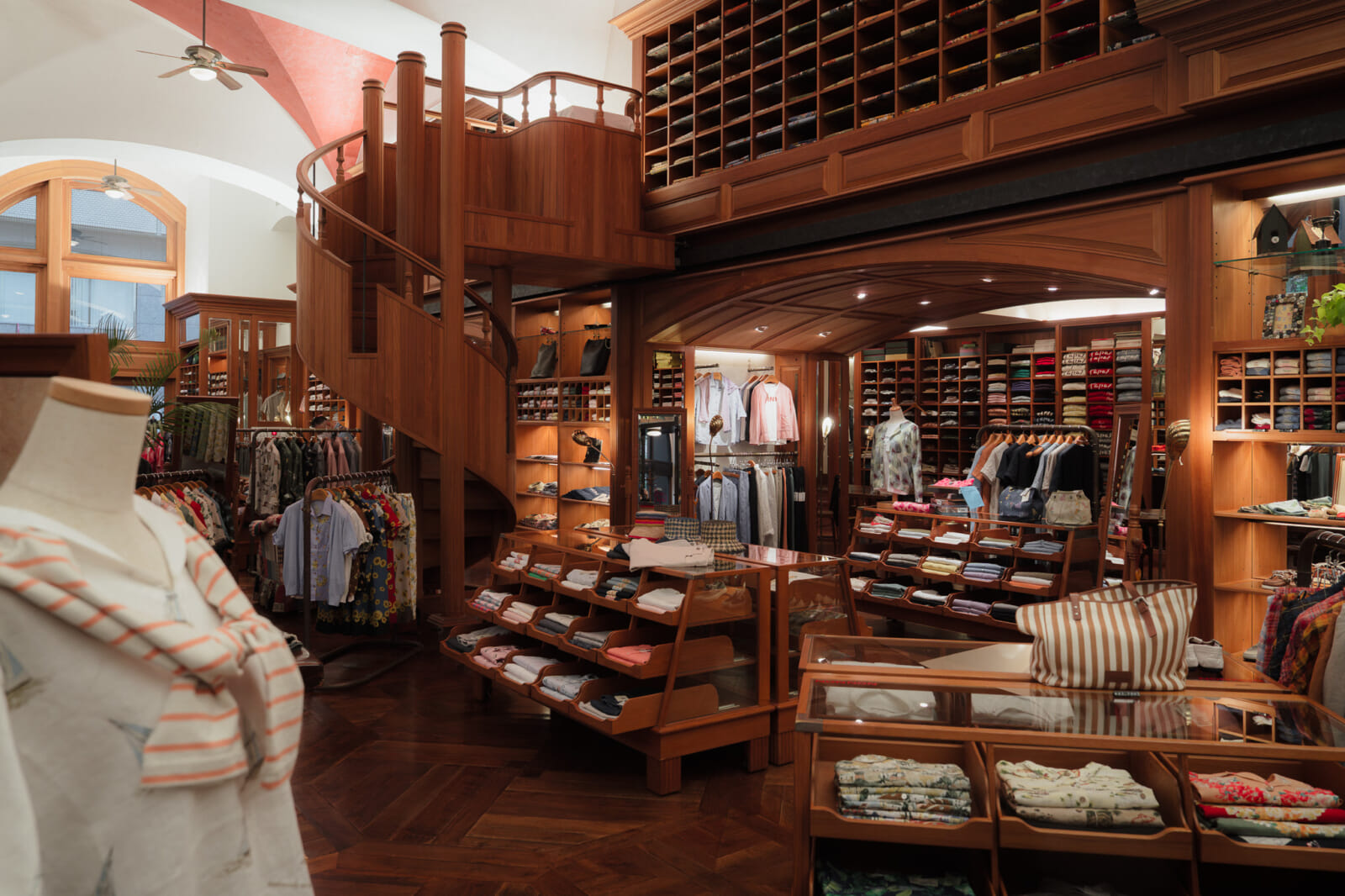
While there are currently 67 Papas locations and 66 Mademoiselle Non Non stores across Japan, the heart of the enterprise beats loudest in the Marunouchi district. The flagship store stands in stark contrast to the surrounding glass-and-steel corporate landscape.
Upon entering, the visitor is met with a spatial design that prioritizes stillness. The interior is curated with handmade furniture and vintage accents, creating a tactile environment that encourages the shopper to slow down. It is a rare space in Tokyo where one can browse without pressure, feeling the weight and texture of a cashmere sweater or the crispness of a linen shirt.
The addition of the integrated café serves as a masterstroke in brand immersion. By offering a place for visitors to linger over coffee and artisanal cakes, the brand transforms shopping from a transaction into an experience. It serves as a physical embodiment of their ethos: that the "art of the everyday" is not found in the grand, but in the quiet, meaningful moments of life.
Implications for the Modern Consumer
The enduring success of Mademoiselle Non Non and Papas offers a compelling case study for the future of the retail industry. As the environmental and ethical costs of fast fashion become impossible to ignore, these brands provide a blueprint for a more sustainable model—one based on longevity, local craftsmanship, and a deep respect for the consumer’s lifestyle.
By positioning their clothing as an investment in personal comfort rather than a temporary fix for a fashion craving, they have successfully insulated themselves against the volatility of the market. For the shopper, the implication is clear: in a world of infinite, fleeting choices, the most radical act of style is choosing to wear something that was made with intention, meant to last, and designed to become more beautiful with every passing year.
For more information on these brands and their current collections, please visit their respective websites:


 Neng Nana
 Asro
Asro