

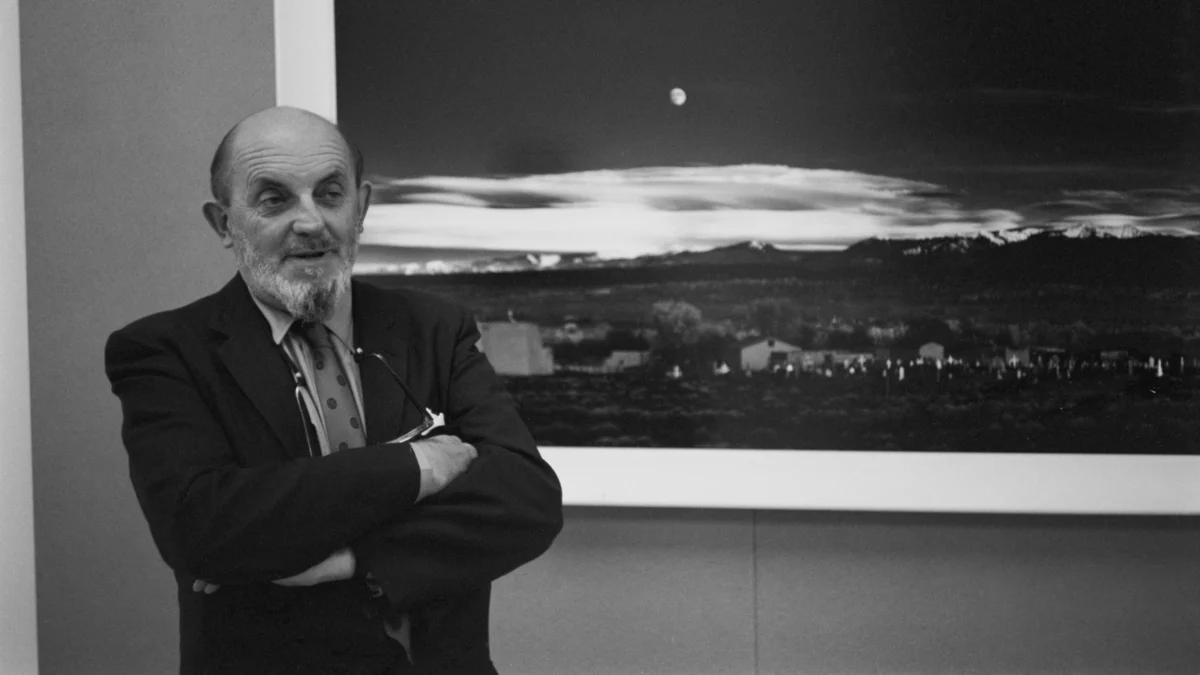
The intersection of generative artificial intelligence and the preservation of artistic legacy has hit a flashpoint. The Ansel Adams Publishing Rights Trust, the entity responsible for safeguarding the intellectual property and reputation of the legendary American landscape photographer, has issued a scathing condemnation regarding the unauthorized exhibition and commercial exploitation of an AI-generated, colorized version of Adams’ most iconic work: Moonrise, Hernandez, New Mexico.
The incident, which took place at the prestigious AIPAD (Association of International Photography Art Dealers) The Photography Show, has ignited a fierce debate regarding copyright, ethical transparency, and the potential for technological tools to strip historical significance from fine art.
The Incident at AIPAD: A Breach of Artistic Integrity
During last month’s iteration of The Photography Show—a cornerstone event for the fine art photography market—attendees were confronted with a piece that blurred the lines between homage and appropriation. The Danziger Gallery featured a work presented as an AI-generated colorization of Moonrise, Hernandez, New Mexico, the 1941 photograph that serves as a cornerstone of 20th-century American art.
According to the Ansel Adams Publishing Rights Trust, the exhibition was conducted entirely without consent. The Trust noted that the gallery utilized Adams’ name and the prestige associated with his reputation to bolster the presentation of the AI-generated piece. Most egregious, according to the Trust’s public statement, was the fact that the exhibition failed to credit any human creator, effectively presenting the output of an algorithm as a standalone artistic product while leveraging the historical weight of the original image to generate interest.
Chronology of the Controversy
The timeline of this dispute reveals a rapid escalation from discovery to public confrontation:
- Pre-Exhibition: The Trust asserts they were neither consulted nor notified regarding the intent to display or market an AI-altered version of the work.
- The Exhibition: During The Photography Show, the Danziger Gallery displayed the image, marketing it as an AI-colorized version of the 1941 original.
- Discovery and Notice: Upon learning of the work’s presence at the fair, the Trust acted immediately, reaching out to gallery principal James Danziger. They issued a formal notice citing the Trust’s rights and requesting the immediate removal of the work.
- The Continued Exploitation: Following the initial notice, the Trust alleges that Danziger continued to use the incident for personal gain. Evidence shared with the Trust suggests that the gallery leveraged the publicity from the "Moonrise" incident to pursue further commercial AI colorization ventures involving other artists’ estates.
- Public Denouncement: Over the weekend, the Trust released a formal statement via social media and official channels, effectively drawing a line in the sand regarding the unauthorized use of Adams’ name and creative output.
The Trust’s Position: It’s Not About the Technology, But the Ethics
A critical nuance in this controversy is that the Ansel Adams Publishing Rights Trust is not a Luddite organization. In their official statement, they explicitly clarified their stance on AI. "Ansel was remarkably prescient about—and excited by—the potential of computers to transform photography," the statement noted.
The Trust’s objection is fundamentally ethical rather than technological. The core of their grievance lies in the unauthorized commercialization of a protected work and the misleading use of a master photographer’s name to validate a machine-generated product. By failing to seek permission or license the rights, the exhibitor bypassed the standard legal and ethical frameworks that protect artists’ estates.
The Trust described the incident as a "gross failure of ethical and professional judgment." The primary concern is that the market for fine art is built on trust, attribution, and the sanctity of the artist’s intent—none of which were upheld in this instance.
The Mechanics of AI and the "Black Box" of Authorship
The rise of generative AI has created a new class of intellectual property disputes. Unlike traditional derivative works—which involve human interpretation, composition, and technical execution—AI-generated content often relies on the ingestion of massive datasets of existing imagery.
In the case of Moonrise, the software essentially "hallucinated" a color palette for a scene that was famously captured in monochrome by Adams using his highly specific Zone System technique. The artistic choice in Moonrise was not merely the composition, but the exact balance of contrast, shadow, and luminance that defined the image. When an AI attempts to "colorize" such a work, it is performing a mathematical prediction of what the scene might have looked like, effectively overwriting the aesthetic choices of the original photographer with the generic patterns learned by the model.
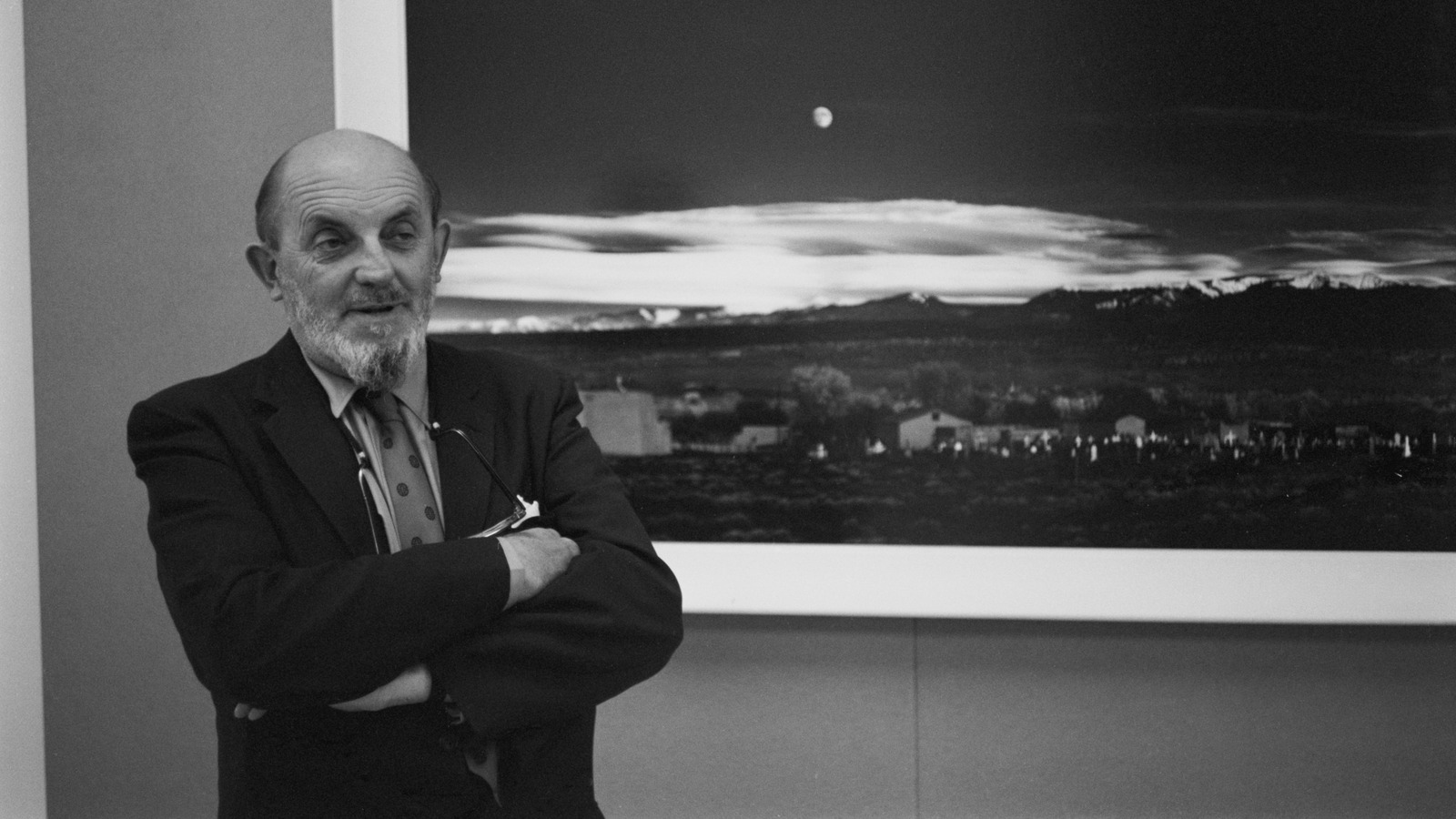
Critics of this practice argue that this creates a "hollow" version of the art, which, while visually interesting to some, lacks the human consciousness that defines fine art. By branding it as an Ansel Adams work, the exhibitors were effectively selling a synthetic imitation under the guise of an authentic masterpiece.
Implications for the Art Market
The fallout from this incident has wide-ranging implications for the future of digital art and photography galleries:
1. Re-evaluating Licensing and Intellectual Property
Artists’ estates and foundations will likely tighten their monitoring of digital assets. This incident serves as a warning that if a gallery or developer does not secure explicit rights to use an artist’s name and work in a generated output, they risk significant reputational and legal damage.
2. The Demand for Transparency
There is a growing call within the art world for "AI provenance." If an AI-generated work is displayed, it should be clearly labeled as such, with full disclosure of the training data or the source material used to generate the image. The failure to do so, as seen in the AIPAD case, is now being framed as a deceptive practice.
3. Legal Precedents
While the law surrounding AI copyright is currently in flux, this case highlights the role of "Right of Publicity" and trademark law. Even if an AI image is not considered "copyrightable" by the U.S. Copyright Office, the commercial use of a famous artist’s name to promote that image constitutes a different legal concern—one that the Ansel Adams Publishing Rights Trust is clearly prepared to litigate.
4. The Role of Art Fairs
AIPAD and other major art fairs may find themselves forced to implement stricter vetting processes for digital and AI-driven works. Galleries that exhibit at these shows are expected to maintain the highest standards of professional conduct; the "Moonrise" incident has set a precedent that those standards must now explicitly cover the ethical use of generative tools.
The Future of the "Adams Legacy"
Ansel Adams remains one of the most recognizable and beloved figures in American history. His work is not just a collection of images; it is a repository of a specific time, place, and environmental philosophy. The Trust’s swift action in this matter underscores the protective role they play in preventing the "cheapening" of that legacy through unauthorized digital manipulation.
The incident is a wake-up call to the art community at large. As AI tools become more accessible, the barrier to creating derivative works has plummeted, but the moral and legal obligations remain unchanged. The art world is beginning to realize that "can" does not mean "should." Just because a tool allows an individual to repaint a masterpiece in seconds does not grant them the right to profit from the original creator’s life’s work.
Conclusion: Setting the Standard
As the dust settles on this controversy, the industry is watching to see how the Danziger Gallery and other similar entities respond to the pressure from the Trust. The Ansel Adams Publishing Rights Trust has sent a clear message: the name and work of a master photographer are not raw material for commercial experimentation.
This confrontation will likely become a landmark case in the ongoing evolution of how we treat intellectual property in the age of generative AI. By holding the gallery accountable, the Trust is not just protecting one image; it is defending the fundamental principle that human artistry—and the legacy it leaves behind—deserves respect in the digital era. For now, the "Moonrise" incident stands as a stark reminder that while technology moves at the speed of light, the ethics of the art market must be guarded with the same intensity as the work itself.












No comments yet. Be the first to join the conversation!