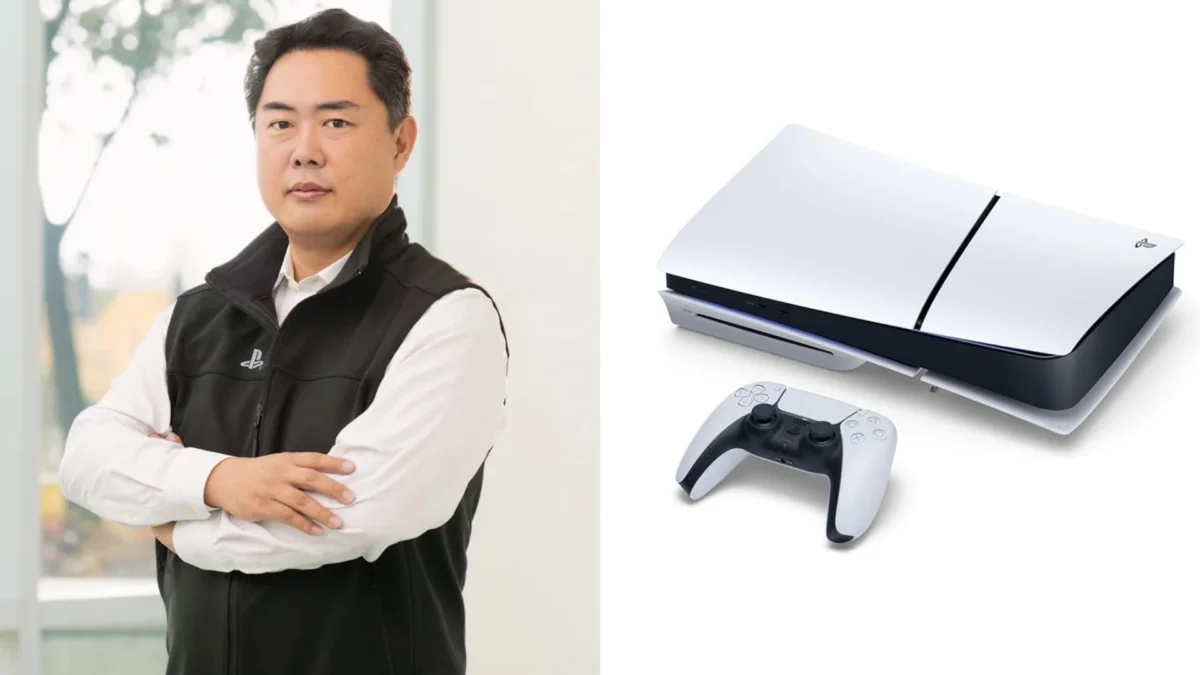
The global gaming industry stands at a pivotal crossroads. As we approach the latter half of the 2020s, the hardware cycle that has defined the last thirty years of entertainment is facing unprecedented disruption. Amidst swirling rumors regarding the next generation of consoles, Sony Interactive Entertainment (SIE) has officially broken its silence on the philosophy driving the development of its future hardware.
In a recent business briefing, SIE CEO Hideaki Nishino provided a candid look into the company’s strategic outlook. Perhaps most significantly, he dismantled the long-standing industry narrative that the launch of a new PlayStation must be intrinsically tethered to the movements of Microsoft’s Xbox division. By prioritizing internal technological readiness over reactionary market timing, Sony is signaling a departure from the traditional "console wars" mentality that dominated the late 90s and early 2000s.
The Core Philosophy: Independence in a Competitive Market
The notion that Sony and Microsoft operate in a synchronized dance of hardware releases has been a staple of gaming journalism for decades. However, during the recent Q&A session, Nishino explicitly rejected this premise.
"When considering the overall size of the gaming console market, we believe that what matters is not competition with a specific company, but rather the presence of multiple players and healthy competition within the market," Nishino stated. This shift in rhetoric suggests that Sony is looking at the broader landscape of digital entertainment, where mobile devices, PC gaming, and cloud-based services compete for consumer attention just as much as rival living-room consoles.
Nishino further elaborated on the logistical impossibilities of attempting to mirror a competitor’s timeline. "The development of next-generation hardware requires a long lead time, and it is not feasible to align launch timing with competitors over a short period without visibility into their plans. Therefore, we do not determine our launch timing based on competitors’ movements."
A Chronology of the Next-Gen Hype Cycle
To understand why this statement is so significant, one must look at the timeline of the current generation. The PlayStation 5 and Xbox Series X/S launched in late 2020, navigating a turbulent global supply chain crisis and semiconductor shortages that defined the first three years of their existence.
- 2020–2022: The Supply Chain Crisis: Both companies struggled to meet consumer demand, forcing a focus on cross-generational support (PS4/Xbox One titles) to keep the player base engaged.
- 2023–2024: The Mid-Cycle Shift: As silicon availability stabilized, both companies pivoted toward "Pro" or "Slim" revisions of their hardware. This period saw the introduction of high-fidelity features like ray tracing and variable refresh rates becoming standardized.
- 2025: The Emergence of Project Helix: Whispers began to circulate regarding Microsoft’s next major pivot, codenamed "Project Helix." Industry analysts have suggested that Microsoft is eyeing a 2027 or 2028 release window, aiming to capitalize on next-generation AI-upscaling and cloud-hybrid capabilities.
- 2026: The Current Stance: Sony’s recent comments serve as the formal "opening" of the next-gen discourse, officially detaching themselves from the rumors surrounding Microsoft’s roadmap.
Supporting Data: Why Timing is More Complex Than Ever
The decision to launch a new console is no longer just about the CPU or GPU clock speeds. It is an intricate calculus involving global economics, component costs, and consumer adoption rates.
The Component Cost Factor
The hardware market is currently experiencing a "cost-inflation" phase. The price of high-end semiconductors, specialized NVMe storage, and advanced cooling solutions has risen significantly. Industry analysts suggest that a high-performance console in 2027 or 2028 could face a retail price point exceeding $1,000 if manufacturers choose to target the absolute bleeding edge of technology.
The Shift in Gaming Demographics
Sony’s data suggests that the gaming audience is more fragmented than ever. There are "Core Enthusiasts" who will purchase hardware regardless of the cost, and "Mass Market" players who are increasingly satisfied with streaming services or legacy hardware. By refusing to rush a launch to compete with Microsoft, Sony is effectively giving itself the freedom to wait for component costs to hit a "sweet spot" where mass adoption is more likely.

Implications: What This Means for Players
The most profound implication of Nishino’s statement is that the "console generation" as we know it is dying. Historically, a new console generation promised a quantum leap in graphical fidelity. Today, the focus has shifted toward ecosystem longevity.
The "Service-First" Model
If Sony is not rushing hardware to compete with Microsoft, it implies they are confident in the longevity of the PlayStation 5 ecosystem. We can expect an extended support window for the current generation, characterized by software updates that bridge the gap between current hardware and future potential, potentially through enhanced cloud processing.
Regional Dynamics and Pricing
Nishino noted that "regional dynamics" are a key factor in their decision-making. This is a nod to the fluctuating strength of the Japanese Yen, the Euro, and the Dollar, as well as the unique gaming culture in emerging markets. A global launch requires careful management of these variables, which is significantly easier to handle when a company isn’t racing to beat a competitor to the punch.
The End of the "Console War" Era?
For decades, fans have pitted the PlayStation and Xbox brands against one another in a binary struggle. Sony’s latest briefing suggests they view themselves as one part of a larger, healthy ecosystem. This is a mature, corporate stance that acknowledges that for the industry to grow, it needs a variety of platforms serving different needs.
The Road Ahead
While the PlayStation 6 remains a hypothetical entity, the strategic foundations being laid by Sony suggest a cautious, calculated, and consumer-focused approach. By prioritizing internal readiness over external pressure, Sony is protecting its brand integrity and its bottom line.
Whether the PlayStation 6 arrives in 2027, 2028, or beyond, the takeaway from Hideaki Nishino’s briefing is clear: Sony is no longer playing a game of "follow the leader." Instead, they are positioning the PlayStation brand to exist independently, sustained by a commitment to technological advancement and a deep understanding of the global economic reality.
For gamers, this should be viewed as a positive development. A company that is not forced into a premature, rushed launch is a company that can deliver a more refined, polished, and cost-effective product. As we wait for further announcements, the message from Tokyo is simple: the next generation will arrive when it is ready, and not a moment sooner.
Summary of Strategic Key Points:
- Market Independence: Sony is explicitly decoupling its release strategy from Microsoft’s Xbox roadmap.
- Technological Readiness: Hardware cycles are now dictated by technological feasibility rather than arbitrary calendar dates.
- Financial Discipline: Rising component costs are forcing a more flexible approach to hardware development.
- Ecosystem Focus: The shift is moving away from purely physical hardware wars toward a holistic, long-term service and platform strategy.
As the industry continues to evolve, the focus will undoubtedly remain on how these two titans navigate the shifting sands of the gaming landscape. However, for now, the message is clear: Sony is marching to the beat of its own drum, ensuring that when the PlayStation 6 finally arrives, it will be the result of a deliberate, well-considered evolution rather than a frantic reaction to the competition.