Sagoh
Sagoh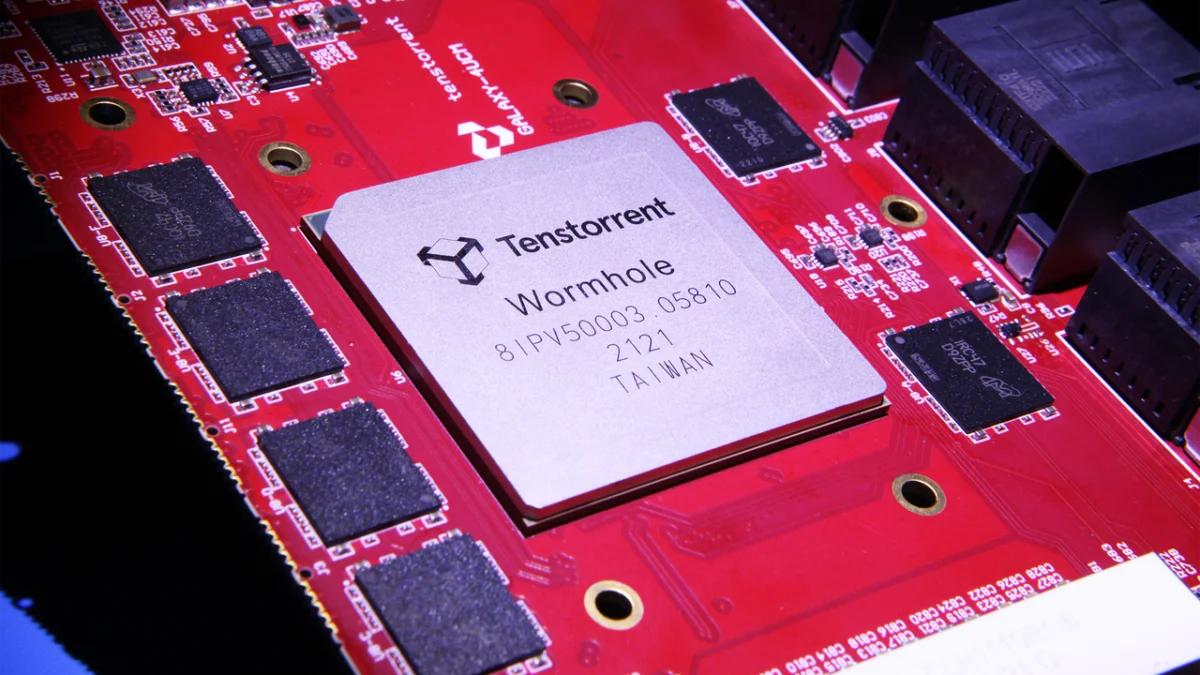
In a move that could reshape the competitive landscape of the semiconductor industry, Qualcomm is reportedly exploring an acquisition of Tenstorrent, the AI processor developer spearheaded by legendary chip architect Jim Keller. According to reports from The Information, the potential transaction could value the startup between $8 billion and $10 billion. While both parties remain tight-lipped, the mere prospect of such a deal signals a massive shift in Qualcomm’s long-term strategy as it seeks to pivot from a mobile-first powerhouse to a dominant force in the data center and artificial intelligence sectors.
The Core Facts: A High-Stakes Tech Consolidation
Qualcomm, a titan of mobile communication and application processors, is looking to bolster its AI and high-performance computing (HPC) portfolio. The target, Tenstorrent, is a venture-backed company renowned for its RISC-V-based AI accelerators and data center-grade CPU intellectual property (IP).
The proposed valuation of $8 billion to $10 billion represents a significant premium, especially considering the company’s recent funding climate. For Qualcomm, this would rank among the most ambitious and expensive acquisitions in its history. The discussions, while currently ongoing, are preliminary; industry analysts warn that no deal is guaranteed. However, the interest underscores a critical reality: the race to lead the AI hardware revolution is now a battle of talent, architecture, and vertical integration.
A Chronology of Strategic Expansion
To understand why Qualcomm would consider such an expensive play, one must look at its recent history of aggressive M&A activity designed to break the company out of the smartphone silo.
- 2011: The Atheros Transformation. Qualcomm acquired Atheros Communications for $3.1 billion. This was the turning point that transitioned Qualcomm from a pure-play cellular modem provider to a diversified networking giant with robust Wi-Fi and Ethernet capabilities.
- 2021: The Nuvia Breakthrough. Perhaps the most relevant precedent, Qualcomm acquired CPU design startup Nuvia for $1.4 billion. This move brought Gerard Williams III and his elite team of architects into the fold, providing the foundation for the "Oryon" CPU core, which has since allowed Qualcomm to challenge the dominance of x86 and Arm-based incumbents in the laptop and PC space.
- 2023–2024: The RISC-V Pivot. Qualcomm’s recent acquisition of Ventana Micro signaled a clear intent to adopt RISC-V, an open-source instruction set architecture. By purchasing companies like Alphawave Semi and Ventana, Qualcomm has been methodically assembling a toolkit for custom silicon that transcends the limitations of traditional licensing models.
Supporting Data: Why Tenstorrent?
Tenstorrent is not just another hardware vendor; it is an "architectural incubator." Under the leadership of Jim Keller—a man whose resume includes designing the K8 architecture at AMD and contributing to Apple’s A-series chips—Tenstorrent has built a formidable collection of intellectual property.
The RISC-V Factor
The industry is currently witnessing a mass migration toward RISC-V. As companies seek to escape the high licensing fees associated with Arm and the proprietary constraints of x86, RISC-V offers a flexible, modular, and open alternative. Qualcomm already possesses internal CPU development efforts, but integrating Tenstorrent’s mature RISC-V designs would provide a "leapfrog" capability, allowing them to deploy data center-grade processors with significantly lower overhead and greater design freedom.
The AI Infrastructure
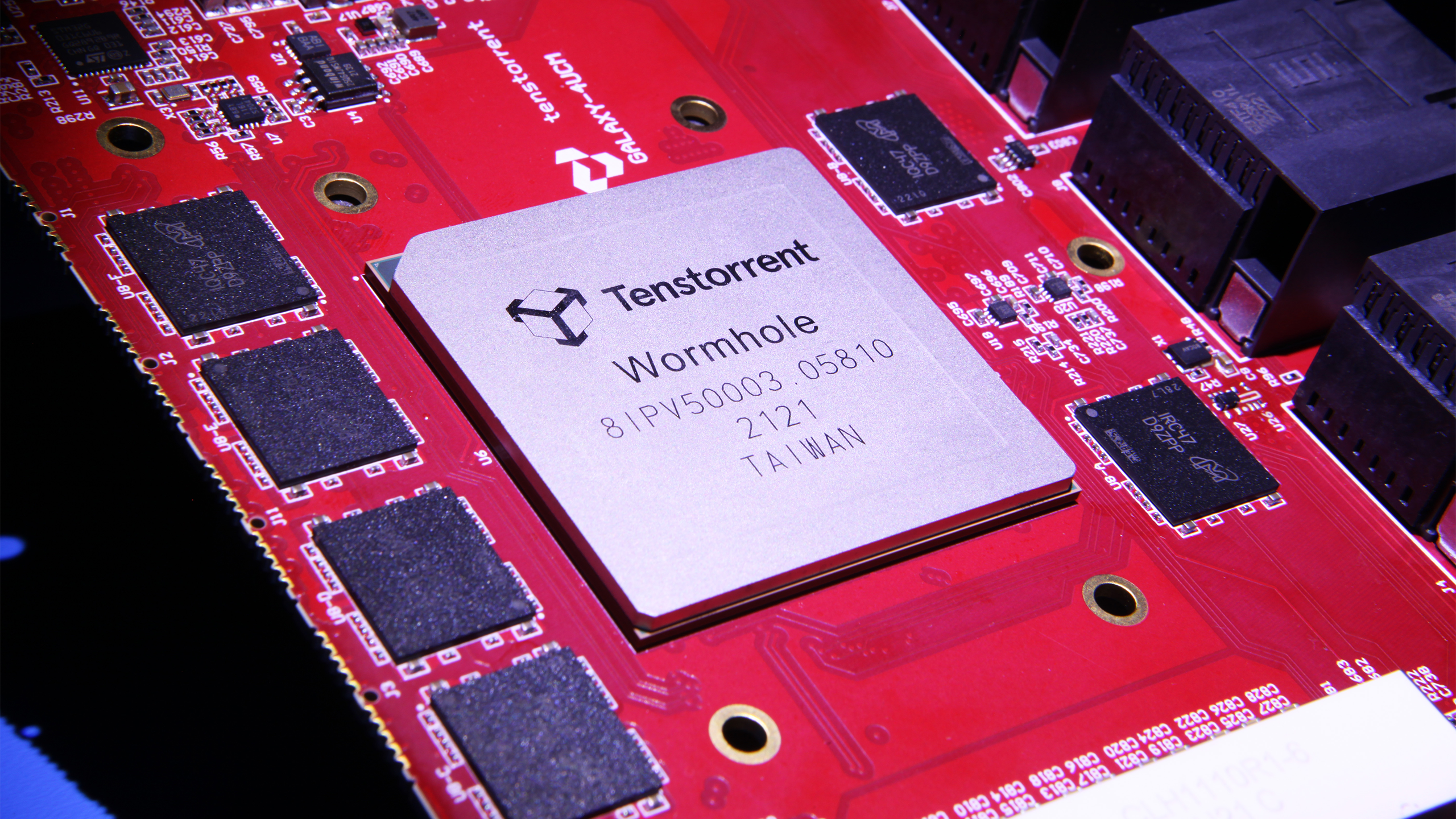
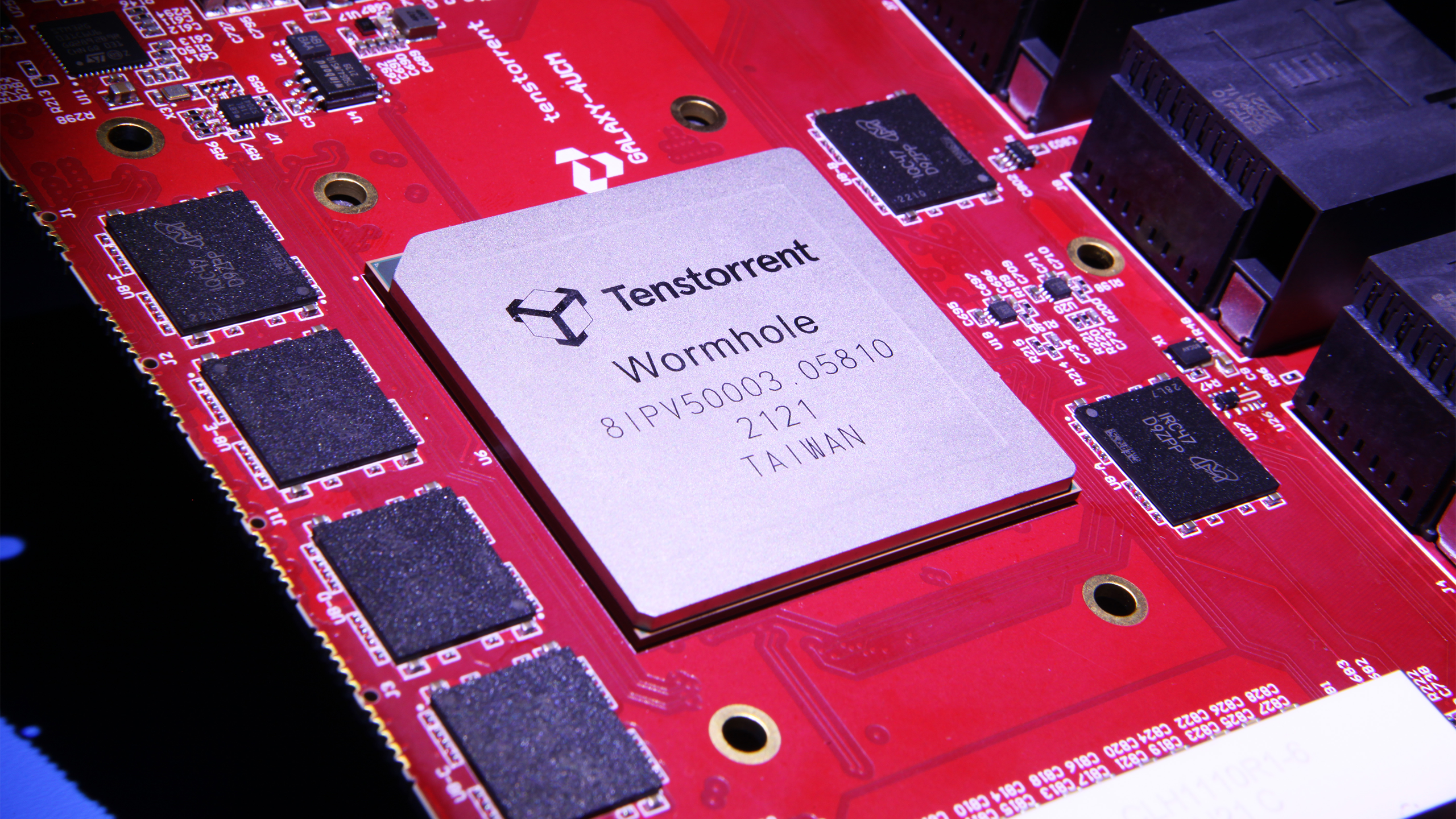
Qualcomm has already announced its AI200 and AI250 inference accelerators, utilizing its proprietary Hexagon NPU. However, these are primarily targeted at specialized AI workloads. Tenstorrent’s hardware, specifically its "Grayskull" and "Wormhole" architectures, focuses on highly scalable AI computing. By acquiring Tenstorrent, Qualcomm would bridge the gap between edge-device AI and massive-scale data center AI, creating a comprehensive, end-to-end stack that rivals the integrated offerings of NVIDIA or Intel.
Official Responses and Market Skepticism
As of this writing, neither Qualcomm nor Tenstorrent has issued a formal press release confirming the talks. The silence is standard in the semiconductor sector, where deal negotiations are often fraught with regulatory hurdles and price sensitivity.
Market analysts have expressed a mix of excitement and skepticism. The primary concern is the potential for "portfolio bloat." Qualcomm currently finds itself managing an increasingly complex roadmap:
- AI Accelerators: Hexagon NPU-based units (AI200/250) versus Tenstorrent’s AI chipsets.
- Server CPUs: The Arm-based efforts (Oryon) versus the RISC-V-based efforts (Ventana and potentially Tenstorrent).
Maintaining two, let alone three, separate architectures for the same workload is costly and counter-intuitive. However, the prevailing wisdom is that Qualcomm is not buying the products; they are buying the people.
The Implications: A War for Human Capital
In the semiconductor industry, the limiting factor is rarely the lack of money—it is the lack of qualified, elite-level engineers. Tenstorrent has spent years poaching the best talent from AMD, Intel, Tesla, and Apple.
Talent Acquisition as the Primary Driver
If the deal closes at the $10 billion mark, it will likely be viewed as a "talent-heavy" acquisition. Qualcomm’s success with the Nuvia team proved that spending heavily on a world-class engineering unit can pay dividends by accelerating product roadmaps by years. By absorbing Tenstorrent’s team, Qualcomm would effectively neutralize a competitor and consolidate the brightest minds in RISC-V development under one roof.
The Future of Data Center Dominance
For the broader market, this acquisition would represent a massive validation of the RISC-V architecture in the high-performance computing space. It would signal to the industry that RISC-V is no longer just for microcontrollers; it is ready to handle the heavy lifting of generative AI, large language model (LLM) training, and hyperscale data center operations.
Regulatory and Antitrust Considerations
Any deal of this magnitude will inevitably face intense scrutiny from regulators in the United States, Europe, and China. Qualcomm is already a dominant player in the mobile processor space. By acquiring a disruptive AI startup, they could be accused of stifling competition in the emerging AI chip market. The company will need to articulate clearly how this acquisition benefits the ecosystem—likely by framing it as a necessary step to challenge the current AI hardware duopoly.
Conclusion: A Gamble on the Next Era of Computing
The potential acquisition of Tenstorrent by Qualcomm is a classic high-stakes corporate gamble. It reflects the reality that in the age of AI, vertical integration is the only path to sustainable competitive advantage. Whether Qualcomm succeeds in acquiring Tenstorrent or opts to continue its internal R&D, the message to the market is clear: the company is determined to be the architect of the next generation of computing, regardless of the price tag.
If successful, the deal would place Qualcomm at the epicenter of the RISC-V revolution and solidify its position as a holistic provider of silicon, capable of powering everything from the smartphone in your pocket to the massive server clusters that train the AI models of tomorrow. It is a bold, expensive, and potentially transformative strategy that, if managed correctly, could define the company’s success for the next decade.

 Layla Zulfa
 Nana Muazin