The landscape of physical media is undergoing a profound renaissance. As streaming platforms become increasingly fragmented and digital libraries face the constant threat of "vanishing" content due to licensing disputes, cinephiles and casual viewers alike are turning back to the tactile joy of discs. Capitalizing on this momentum, the prestigious boutique label Arrow Video has officially unveiled a new, consumer-friendly subsidiary: Toy Robot Video.
Designed to evoke the nostalgic magic of a Friday night at the local video store, Toy Robot Video promises to bring high-quality cult classics to the living room without the prohibitive price tag often associated with boutique releases. With a launch slate hitting shelves this September, the label aims to bridge the gap between niche collector culture and the mainstream market.
The Genesis of Toy Robot Video: Reimagining the Local Video Store
For generations, the "video store experience" was more than just a transaction; it was a ritual. The act of scanning shelves, admiring cover art, and reading the synopses on the back of VHS boxes defined the movie-watching experience for millions. Toy Robot Video, under the leadership of Mike Hewitt, seeks to digitize that specific, wondrous feeling for a modern audience.
Operating as a subsidiary of the critically acclaimed Arrow Video—a brand synonymous with pristine restorations and exhaustive supplemental features—Toy Robot Video occupies a unique space. While Arrow focuses heavily on the deep-dive, scholarly side of film preservation, Toy Robot is intended to be "fun, inclusive, and accessible."
The "Allowance-Friendly" Philosophy
One of the most significant barriers to physical media collection is the cost. Many boutique labels release "Limited Editions" that retail for upwards of $40–$60. Toy Robot Video is positioning itself as a high-value alternative. By prioritizing "allowance-friendly" pricing, the label ensures that fans can afford to build a library of cult favorites, anime, and mainstream hits without breaking the bank—leaving, as the company notes, "plenty of bucks left over for snacks."
A September Slate of Cult-Tastic proportions
The inaugural wave of releases for September 2026 is an eclectic mix that highlights the label’s mission to celebrate diverse genres. From high-octane kung-fu comedy to the long-awaited 4K debut of a superhero classic, the lineup is designed to appeal to both nostalgia-seekers and new fans of genre cinema.
Masters of the Universe (1987) – The 4K UHD Debut
Perhaps the crown jewel of the September launch is the 2-disc 4K UHD release of the 1987 Masters of the Universe. For decades, fans of Dolph Lundgren’s take on the Prince of Eternia have clamored for a high-fidelity restoration that does justice to the film’s elaborate production design. Toy Robot Video has answered the call, bringing the film to North American shelves with a brand-new master.
Guyver: Dark Hero – The Blu-ray Debut
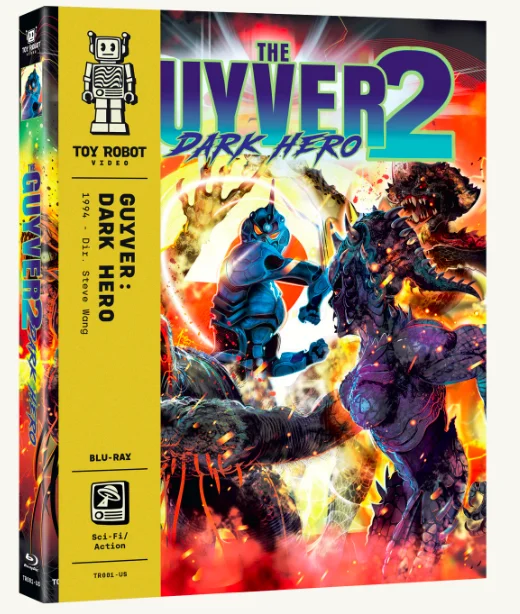
September 8th marks a significant milestone for sci-fi fans with the 2-disc Blu-ray release of Guyver: Dark Hero. This cult classic, which stands as a rare example of a sequel surpassing its predecessor, sees Sean Barker return to face the Zoanoids. The Toy Robot edition is particularly notable for including two distinct versions of the film: the original 1994 theatrical cut and an "Enhanced" version featuring updated special effects, providing fans with the definitive viewing experience.
Official Perspectives: Bridging the Generational Gap
The launch of Toy Robot Video is not merely a commercial expansion; it is a calculated response to shifting market demographics. Mike Hewitt, the driving force behind the label, has been vocal about the importance of physical media among younger generations.
"We are thrilled to announce the launch of a new home entertainment video label across the US, Canada, and the UK," Hewitt stated in the company’s official press release. "With a resurgent interest in physical media, especially amongst younger film fans, Toy Robot Video is intended to be a fun and inclusive label. It is designed to complement our core Arrow Video brand, spreading the joy of physical media ownership outside of the boundaries of cult fans and cineastes."
Hewitt’s vision is clear: physical media should not be an elitist hobby. By diversifying the catalog to include mainstream titles, animation, and comedy, Toy Robot Video is actively working to dismantle the "gatekeeping" atmosphere that sometimes permeates the collector community.
Chronology of the Physical Media Resurgence
To understand why a label like Toy Robot Video is launching now, one must look at the broader timeline of home entertainment over the last decade:
- 2015–2019 (The Streaming Surge): During this period, the industry saw a massive migration toward subscription-based streaming services (SVOD). Physical media sales hit a plateau as convenience outweighed ownership.
- 2020–2022 (The "Isolation" Effect): The global pandemic forced consumers to look for home-based entertainment. During this time, the "collector" market exploded, with boutique labels seeing record-breaking sales as audiences sought out curated, high-quality content that could not be pulled from a server at the whim of a studio executive.
- 2023–2025 (The Content Purge): Streaming platforms began deleting original series and films to cut costs or manage tax write-offs. This caused a massive shift in public perception, with "digital ownership" being exposed as a precarious license rather than true ownership.
- 2026 (The Rise of Boutique Subsidiaries): Industry giants began recognizing the need for labels that serve the "casual-collector" market. The launch of Toy Robot Video serves as the current peak of this trend, signaling that physical media is no longer just for the niche—it is a mainstream consumer movement.
Supporting Data: Why "Physical" Still Matters
Market analysis from the past eighteen months suggests that the demographic shift in physical media buyers is profound. According to recent retail data:
- Retention: Buyers under the age of 30 now account for over 40% of physical media purchases in the horror and sci-fi genres.
- The "Object" Appeal: Market research indicates that 65% of collectors value the "packaging experience"—specifically art cards, slip cases, and OBI-strips—as much as the film itself. This is why Toy Robot Video’s emphasis on "fabulous new cover artwork" and "colorfully-branded OBI-Strips" is a strategic masterstroke.
- The Restoration Factor: With the advent of 4K UHD, consumers are increasingly aware of the difference between compressed streaming bitrate and the uncompressed data of a physical disc. Labels like Toy Robot are positioning their masters as the "definitive" version of the films they release.
Implications: The Future of Home Entertainment
The launch of Toy Robot Video holds significant implications for the entertainment industry at large.
Competition and Quality
By entering the market with a "temptingly-priced" strategy, Toy Robot puts pressure on other labels to justify their higher price points. This is a win-win for the consumer, as it forces the industry to either lower prices or significantly increase the value proposition of their releases (through better transfers, more extras, or higher-quality packaging).
The "Curated" Experience
As the internet becomes increasingly cluttered with "algorithmic" content, the role of the boutique label as a curator becomes more vital. By selecting specific titles and providing them with a distinct "Toy Robot" brand identity, the label is essentially acting as a taste-maker. They are telling the consumer: "We trust this film, we’ve restored it, and we think it belongs on your shelf."
Global Accessibility
By launching simultaneously in the US, Canada, and the UK, Toy Robot Video is setting a standard for international distribution. Historically, boutique labels have struggled with region-locking or high import costs. By streamlining their supply chain, Toy Robot is ensuring that the global fan community can participate in these releases concurrently, minimizing the risk of spoilers or regional exclusivity issues.
Conclusion: A Bright Future for the Shelf
As we head into the final quarter of 2026, the arrival of Toy Robot Video feels less like a new business venture and more like a homecoming. It addresses a fundamental human desire for tangible connection to the art we love. Whether it is the neon-soaked thrill of Guyver or the epic fantasy of Masters of the Universe, these films are more than just data—they are artifacts of a specific time in cinematic history.
With the backing of Arrow Video’s technical expertise and a fresh, inclusive philosophy, Toy Robot Video is well-positioned to lead the next generation of collectors. For those who still believe that the best way to watch a movie is to pull it off a shelf, dust off the case, and pop it into a player, the future has never looked—or sounded—better. September cannot come soon enough.