

By Editorial Staff
June 18, 2026
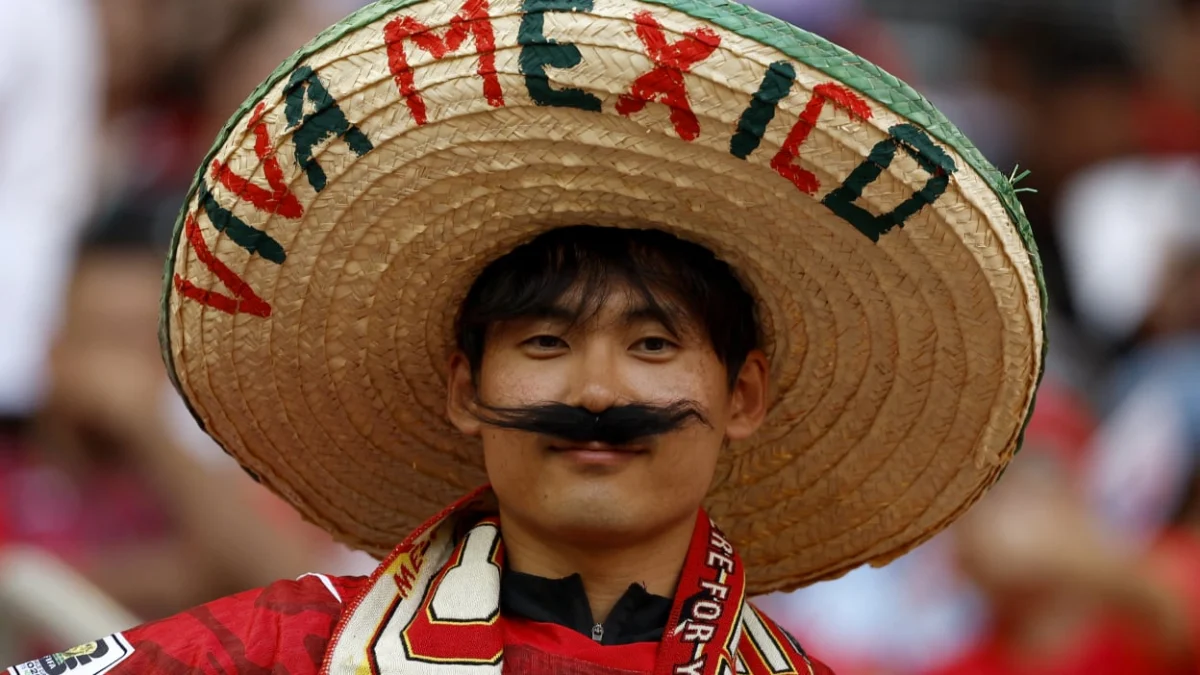
In the high-stakes arena of the FIFA World Cup, rivalries are usually forged in animosity, history, and bitter competition. The tension is palpable, the chants are designed to intimidate, and the atmosphere is thick with the promise of regional bragging rights. Yet, as the world turns its eyes toward the Group A clash between Mexico and South Korea, a strikingly different narrative is unfolding. It is a story of "strangers-to-lovers," a unique cross-cultural phenomenon that has redefined what it means to be a rival on the world stage.
The Genesis of an Unlikely Friendship
If one were to script the perfect football romance, the 2018 World Cup would be the inciting incident. During that tournament, the fate of the Mexican national team rested on a knife’s edge. In a stunning, improbable upset, South Korea defeated Germany, a result that effectively paved the way for Mexico to advance to the knockout stages.
The reaction in Mexico was instantaneous and profound. Mexican supporters, moved by the South Korean team’s performance, didn’t just cheer from afar; they took to the streets of Mexico City, congregating outside the South Korean embassy in a show of pure, unadulterated gratitude. They chanted, they danced, and in an act that became legend, they crowdfunded beer for Korean fans.
This moment, eight years ago, planted the seeds of a deep-rooted, mutual appreciation. It wasn’t just a tactical alignment of football interests; it was the birth of an enduring, cross-continental camaraderie that has only blossomed in the years since.

A Cultural Bridge: Beyond the Stadium
The bond between these two nations is no longer confined to the 90 minutes of a football match. Over the last decade, a profound cultural exchange has taken place, fueled by the digital age. Mexico has rapidly emerged as one of the most significant markets for Korean pop culture outside of Asia. From the soaring popularity of K-pop acts selling out stadiums in Guadalajara and Mexico City to the growing influence of Korean cuisine and cinema, the two cultures have found common ground in their shared appreciation for emotional, expressive, and community-driven art.
According to data from Spotify, Mexico consistently ranks as a top-five global market for K-pop consumption. This deep familiarity has meant that when South Korean supporters arrived on Mexican soil for the 2026 tournament, they were not met with the cold shoulder of a foreign rival, but with the open arms of a community that was already "in" on the culture.
Social media has been the primary architect of this connection. Across TikTok, Instagram, and X, fans from both nations have been documenting their meetups. Videos of Mexican fans performing "Gangnam Style," chanting the names of BTS members, and sharing bottles of tequila with their South Korean counterparts have gone viral, creating a heartwarming digital archive of this "friendliest rivalry."
Chronology of a Connection
- June 2018: South Korea’s historic victory over Germany secures Mexico’s progression in the World Cup, sparking spontaneous celebrations at the South Korean embassy in Mexico City.
- 2019–2025: K-pop culture sees an explosive rise in Mexico, with major acts booking extensive tours. The cultural synthesis begins to solidify outside of sports.
- August 2025: Spotify releases data confirming Mexico as a top-five global consumer of K-pop, highlighting the strength of the cultural pipeline.
- June 2026: The World Cup kicks off in North America. Upon their arrival in Guadalajara, the South Korean national team is greeted by hundreds of local supporters in an event that sets the tone for the tournament.
- June 18, 2026: The Group A match takes place, testing the limits of this unprecedented, harmonious rivalry.
The "Coreano, Hermano" Movement
The slogan "Coreano, hermano, ya eres Mexicano" (Korean brother, you are Mexican now) has become the unofficial anthem of this tournament. It is more than a catchy phrase; it represents a genuine shift in perspective. Unlike the hyper-masculine, aggressive rhetoric often associated with international football, this narrative is built on inclusion.
The arrival of the South Korean team at their hotel in Guadalajara earlier this month served as the ultimate test of this bond. Hundreds of local fans gathered not to jeer or pressure the team, but to welcome them. The players, often sequestered in the high-pressure environment of tournament life, were met with warmth, cheers, and a genuine, friendly atmosphere that has been widely captured by global media outlets.

Official Responses and Tactical Realities
Despite the overwhelming goodwill, coaches and players remain cognizant of the professional stakes. Both teams are entering the match with a desperate need for points. The "friendliness" of the rivalry is a fan-led phenomenon, but for the professionals on the pitch, the match remains a critical component of their tournament ambitions.
"We have great respect for the friendship between the fans," noted a team spokesperson ahead of the match. "But once the whistle blows, we have a job to do for our respective countries."
This juxtaposition—the warmth in the stands versus the intensity on the pitch—is what makes this particular match so compelling. As one fan aptly summarized in an interview with NPR, "Whoever wins, that’s my team." This philosophy suggests a new way to consume high-level athletics: one where victory is celebrated, but defeat does not necessitate the vilification of the opponent.
Implications for Global Fandom
The Mexico vs. South Korea dynamic serves as a case study for the future of international sports fandom. As the world becomes increasingly interconnected through social media and digital streaming, the barriers that once fostered xenophobia or intense hostility in sports are being dismantled by shared cultural interests.
This match suggests that international sports do not have to be a zero-sum game of nationalistic pride. Instead, they can act as a catalyst for genuine, lasting human connection. The "friendliest rivalry" in the world is, in many ways, a template for how sport can foster global unity.

As the two teams prepare to face each other tonight, the world will be watching—not just for the tactical battle or the scoreline, but to see if this unique, beautiful friendship can survive the pressures of competitive necessity. Win or lose, the relationship between these two nations has already secured its place in the history of the 2026 World Cup as its most heartwarming, unexpected, and transformative story.
Whether the result is a stalemate, a narrow victory, or an upset, the enduring takeaway remains clear: "Korean brother, you are Mexican now"—and perhaps, in the eyes of the world, we are all a little more connected than we were before the first kick of the ball.











