Laily UPN
In the rapidly evolving landscape of home computing, the concept of a Network Attached Storage (NAS) device has shifted from a niche enthusiast project to a fundamental piece of digital infrastructure. For the average consumer, the market offers a plethora of "appliance-style" NAS units—plug-and-play boxes that promise to keep family photos, backups, and media files organized with minimal configuration. However, for users who view their data as a critical asset rather than a transient collection of files, these simplified solutions often fall short.
TrueNAS, the enterprise-grade storage operating system, occupies a unique space in this market. It is frequently dismissed by casual users as "overkill," yet for those who prioritize data integrity, scalability, and robust recovery, it stands as the gold standard. This article explores the philosophy behind using professional-grade storage software in a domestic environment and why, despite its steep learning curve, it remains the most reliable path for long-term data stewardship.
The Evolution of Home Storage: From USB Drives to ZFS
The history of home data storage is a chronology of fragmentation. In the early 2000s, users relied on localized hard drives or external USB enclosures, which were prone to failure and difficult to manage. As home networks became more sophisticated, the NAS emerged as the solution to this decentralization.
Initially, these devices were simple file shares. However, as the volume of digital media exploded—driven by high-resolution photography, 4K video, and massive game libraries—the requirements for these systems shifted. Users needed not just storage, but resilience.
This is where TrueNAS, built on the foundation of the OpenZFS file system, entered the home lab scene. Unlike traditional consumer NAS software, which often relies on standard RAID configurations, ZFS integrates the file system and volume manager into a single entity. It treats data as a holistic structure, utilizing checksums to detect and automatically repair "bit rot"—the silent corruption of data that occurs over time. By moving from a simple file server to a ZFS-based environment, users effectively transition from hoping their data survives to actively ensuring it does.
TrueNAS as Infrastructure: The Philosophy of "Serious" Storage
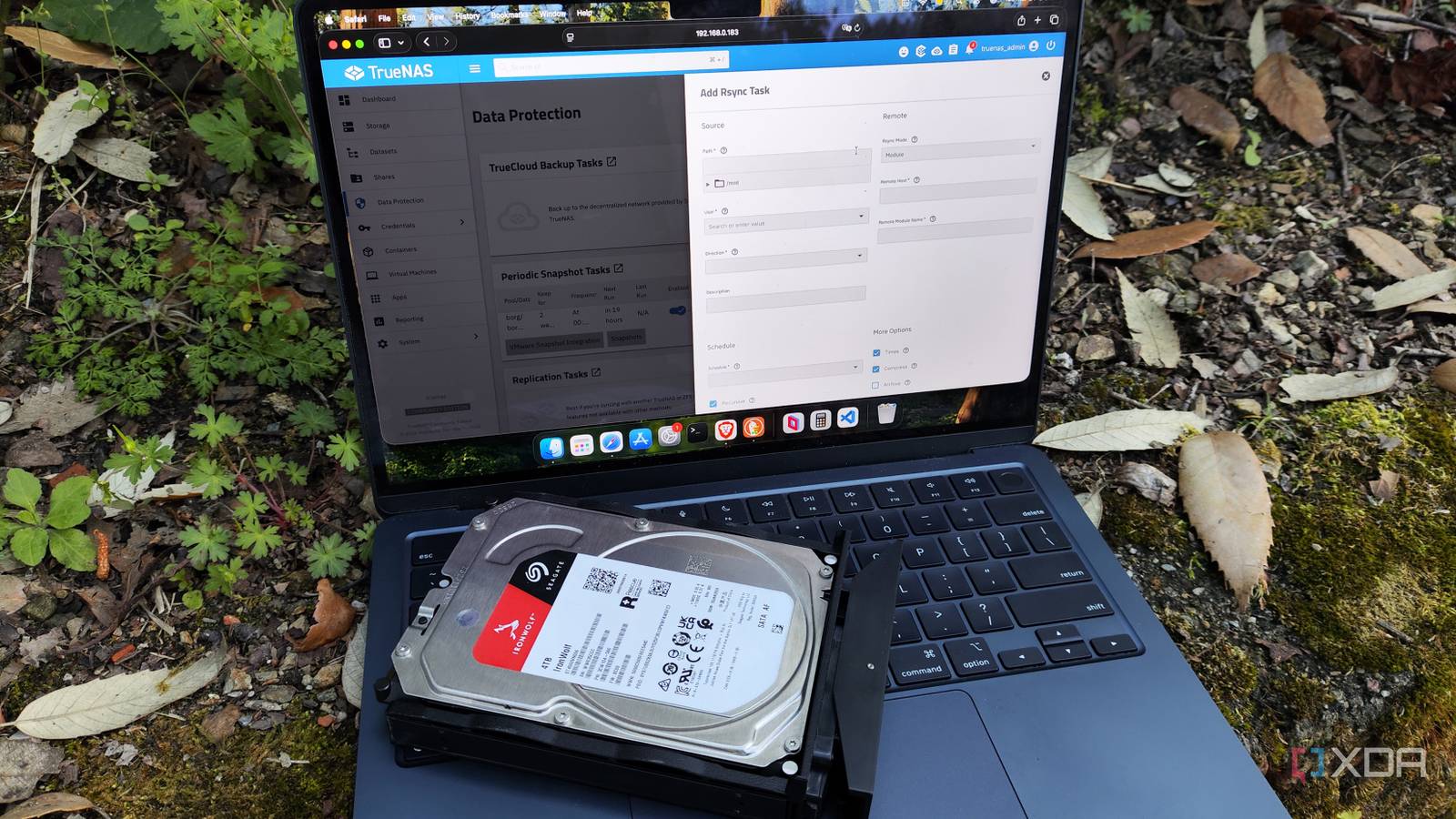
The primary friction point for new users transitioning to TrueNAS is the software’s refusal to treat storage as a trivial task. When a user initializes a system, they are immediately met with concepts like "pools," "datasets," and "permissions."
The Problem of the "Digital Junk Drawer"
Most consumer-grade NAS devices encourage a "dump and forget" mentality. Without enforced structure, a home server quickly devolves into a digital junk drawer. Documents, movies, system backups, and transient downloads end up in a single, disorganized folder structure.
TrueNAS forces a departure from this habit. By requiring users to define datasets, the system mandates logical separation of data types. This isn’t just an administrative chore; it is a fundamental architectural decision. When data is properly partitioned into datasets, applying specific security policies, quotas, and snapshot schedules becomes a targeted, efficient process rather than a global, clumsy one.
The Learning Curve as a Feature
Critics often point to the TrueNAS interface as daunting. However, this complexity acts as a safeguard. It encourages the user to engage with their storage architecture. By understanding how pools and VDEVs (Virtual Devices) are structured, the user gains a deeper awareness of their hardware limitations. This is a deliberate design choice by the developers at iXsystems, aimed at shifting the user mindset from "consumer" to "administrator."
Supporting Data: Why Integrity Matters
The necessity for enterprise-grade tools in the home is supported by the changing nature of data density. A single corrupted sector on a 20TB hard drive, which was once a minor annoyance, can now result in the loss of thousands of high-resolution files if not managed by a self-healing file system.
- Checksum Verification: TrueNAS uses end-to-end checksums for all data, ensuring that what is read from the disk is identical to what was written.
- Snapshot Efficiency: Because ZFS snapshots are "copy-on-write," they are nearly instantaneous and take up negligible space until the original data is changed. This allows for frequent, automated recovery points without the massive performance overhead associated with traditional backup methods.
- Hardware Agnosticism: TrueNAS allows users to repurpose existing server hardware, giving them the freedom to scale their storage capacity far beyond the constraints of proprietary pre-built enclosures.
The Power of Snapshots: Practical Recovery
One of the most profound shifts in user behavior when adopting TrueNAS is the transition from "backup as a theoretical concept" to "recovery as a daily capability."
In many consumer environments, a backup is something that happens once a week or when the user remembers to trigger it. If a file is accidentally deleted or a ransomware attack encrypts the drive, the user is often left with outdated or incomplete backups.

TrueNAS snapshots change the paradigm. Because they are integrated directly into the file system, they are not separate "files" that need to be managed; they are state-based pointers. If a user deletes a critical directory, they can roll back to a snapshot taken minutes prior. This provides a level of psychological safety that is rare in home computing. It transforms the "disaster" of data loss into a minor, two-minute administrative task.
Implications: The Reality of "Overkill"
While the benefits are clear, it is essential to address the implications of adopting such a powerful system.
The Maintenance Burden
TrueNAS is not a "set it and forget it" appliance. It requires a commitment to hardware monitoring, updates, and occasional troubleshooting. For the user who wants to spend their weekends using their media rather than maintaining their server, TrueNAS may indeed be overkill.
The "Feature Creep" Trap
A significant risk for home users is the "feature creep" that TrueNAS enables. With built-in support for Docker containers, virtual machines, and advanced networking, it is easy for a user to turn their storage server into a general-purpose compute host. While this is an impressive capability, it introduces new vectors for system instability. The golden rule for a storage server remains: the NAS should be treated as a foundation for data, not a playground for every experiment.
The Verdict: Reliability Over Convenience
The decision to use TrueNAS ultimately comes down to a definition of value. If the value of your data is defined by its convenience of access, a standard, consumer-friendly NAS is likely sufficient. However, if the value of your data is defined by its permanence, integrity, and recoverability, TrueNAS is not just an option—it is a necessity.
TrueNAS forces the user to confront the realities of storage: it is not simple, it is not permanent, and it requires active management. By embracing this "overkill," the user gains more than just a place to store files; they gain a system that respects the importance of the data it holds.
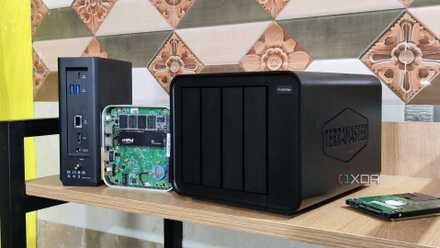
In an era where our digital lives are becoming increasingly centralized, the choice to move away from simplistic, "black box" storage solutions is a mature, responsible step. TrueNAS may not be the easiest path, but it is the path that ensures when you go to access your files years from now, they will be exactly as you left them.
Final Considerations for New Users
For those considering the switch to TrueNAS, the transition should be approached with a clear roadmap:
- Hardware Audit: Ensure your system has ECC RAM, which is critical for ZFS stability.
- Strategic Planning: Define your dataset structure before moving data.
- Backup Strategy: Remember that snapshots are not a backup. Always maintain an off-site or offline copy of your most critical data.
TrueNAS remains the superior choice for the home user who understands that the best storage solution is not the one that promises simplicity, but the one that delivers uncompromised reliability.

 Siti Muinah
 Ammar Sabilarrohman