


In the hyper-competitive digital landscape of 2026, the demand for a constant, high-quality social media presence has transformed from a competitive advantage into a baseline requirement for survival. As brands grapple with the pressure to remain relevant across an ever-expanding array of platforms—from LinkedIn and X to TikTok and Threads—the manual management of these channels has become increasingly unsustainable.

Social media automation has emerged as the essential bridge between ambition and reality. By leveraging sophisticated tools and AI-driven software, businesses are reclaiming thousands of hours of productivity, allowing their teams to pivot from the "grunt work" of digital maintenance to the high-level strategy that truly drives growth.
The Core Concept: Defining Modern Automation
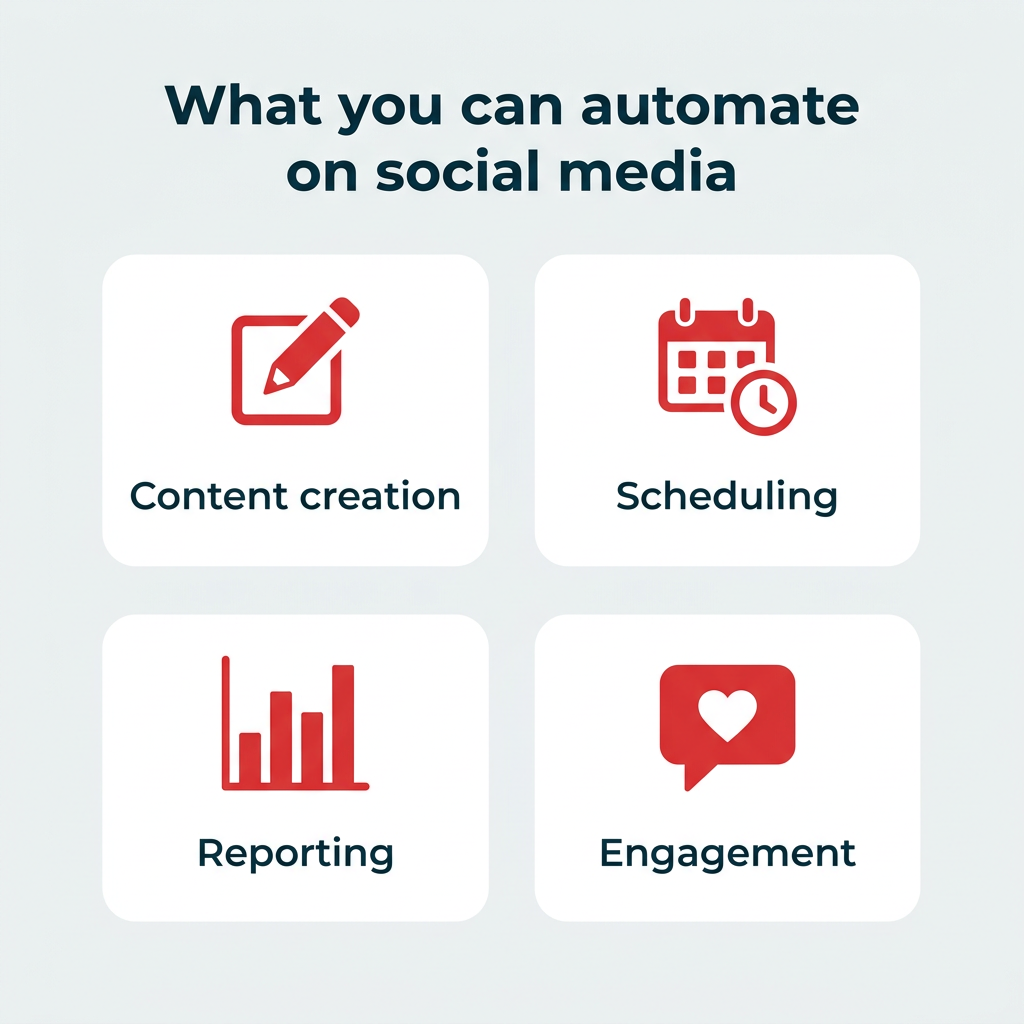
At its simplest, social media automation refers to the use of software to handle repetitive, time-consuming tasks without manual, real-time intervention. This encompasses far more than simple post scheduling; it includes automated reporting, real-time social listening, AI-assisted content generation, and intelligent customer service routing.
For the modern enterprise, automation is not about "setting it and forgetting it." Rather, it is about building a digital ecosystem where routine tasks are handled by algorithms, leaving the human team to manage the nuanced, creative, and relational aspects of the brand’s voice.
Chronology: The Evolution of Social Media Efficiency
The transition toward automated social media management has occurred in three distinct phases:
- The Scheduling Era (2010–2018): Early tools focused primarily on "queueing." Marketing teams would upload a batch of posts to be published at specific times. This solved the problem of time-zone management but offered little in terms of data or engagement.
- The Analytics and Listening Era (2019–2023): As social platforms grew, so did the need for insight. Tools began integrating dashboards that pulled metrics from multiple channels into a single view, alongside "listening" features that tracked brand mentions.
- The Agentic AI Era (2024–Present): We have now entered the age of "Agentic AI." Unlike the passive tools of the past, today’s platforms—such as Hootsuite’s OwlyGPT—can actively draft content, suggest hashtags, and even initiate personalized, one-to-one customer interactions based on intent-driven logic.
Supporting Data: The ROI of Automated Workflows
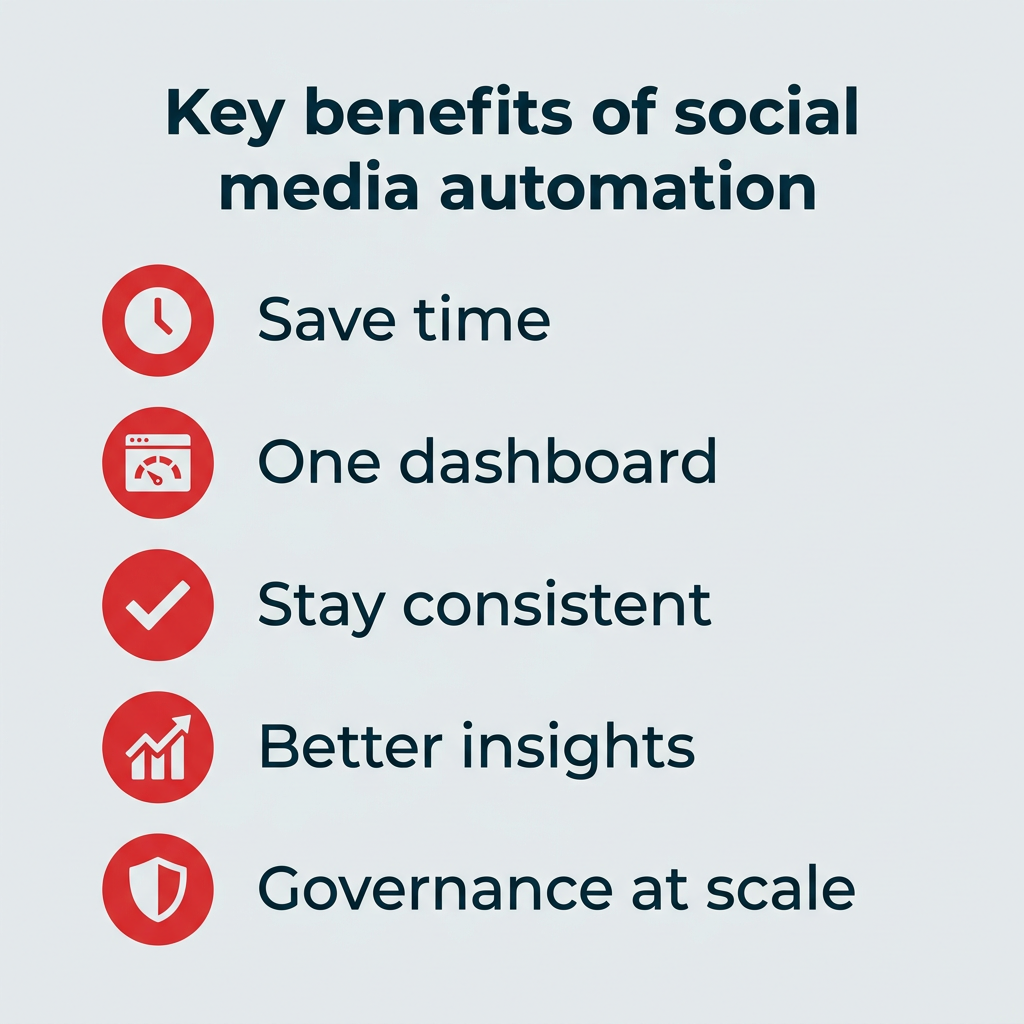
The impact of automation on business performance is quantifiable. According to industry research, high-performing marketing teams that integrate automation report an average time saving of 5 to 10 hours per week, per employee.
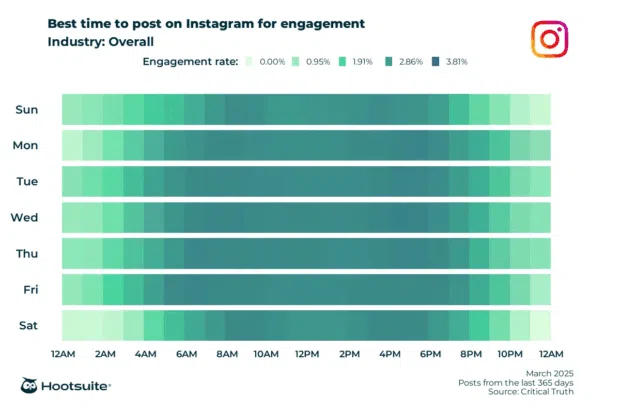
Perhaps more importantly, the quality of engagement does not suffer—in many cases, it improves. Contrary to fears that automated scheduling might lower reach, internal experiments at Hootsuite have confirmed that scheduled content performs just as well, and occasionally better, than manual posting. This is largely because automation ensures that content is published at the precise moments when the audience is most active, rather than when a human happens to be at their desk.
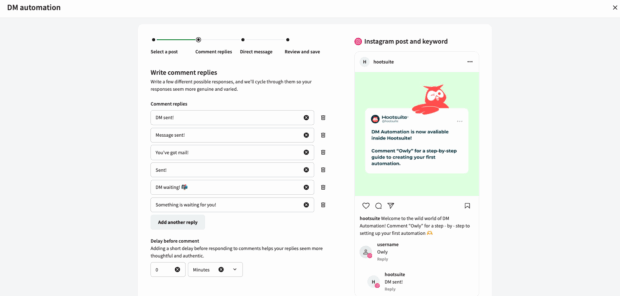
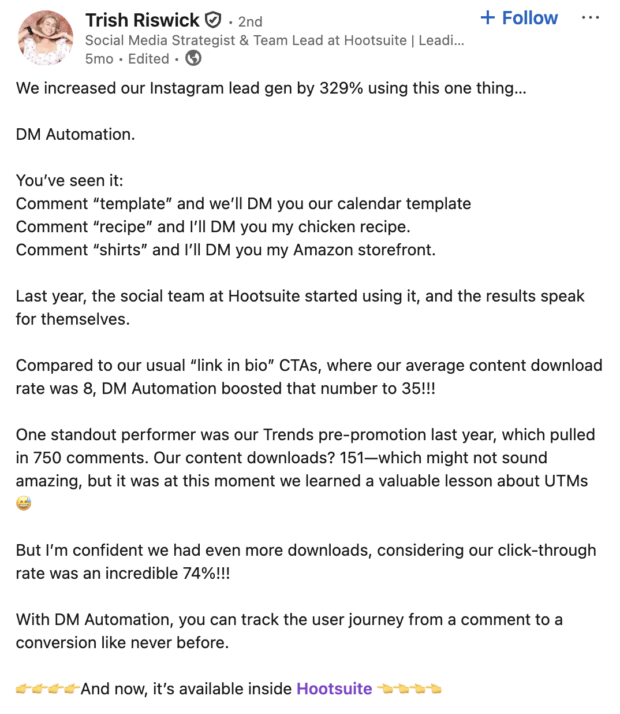
Furthermore, the rise of DM automation is changing the conversion landscape. For instance, teams implementing sophisticated DM triggers—whereby a user commenting with a specific keyword receives an instant, private, value-added response—have seen lead generation increases as high as 329%.
The Strategic Breakdown: What to Automate (And What Not To)
Areas Ripe for Automation
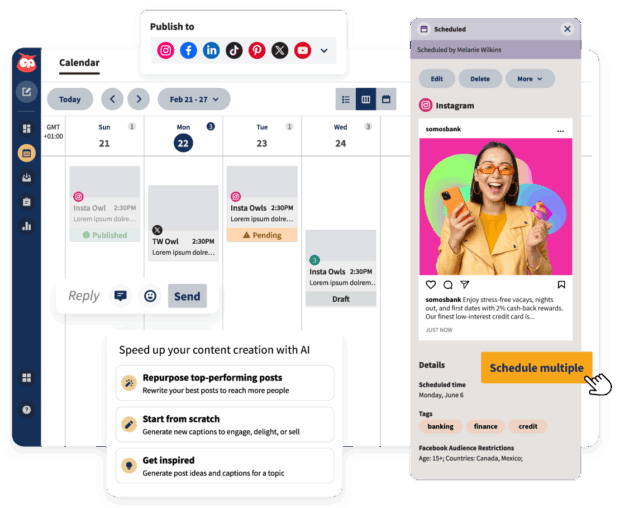
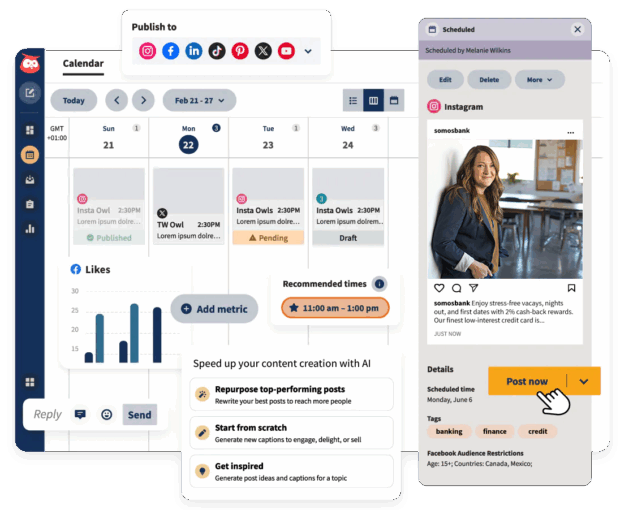
- Publishing and Scheduling: The backbone of your strategy. By batching your content creation, you can ensure a consistent cadence across platforms like Instagram, TikTok, and LinkedIn.
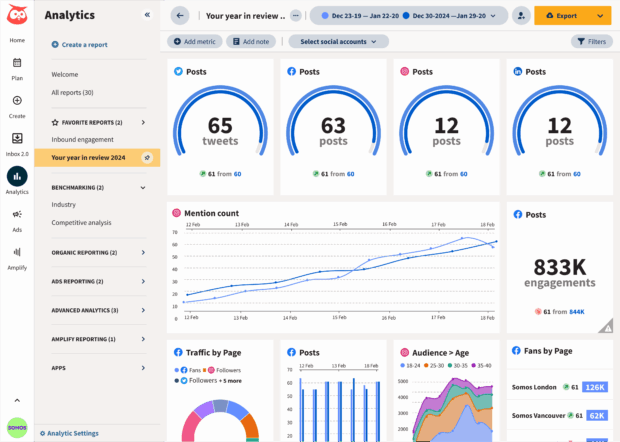
- Analytics and Reporting: Stop manual data entry. Modern tools pull data in real-time and export it into executive-ready visual reports.
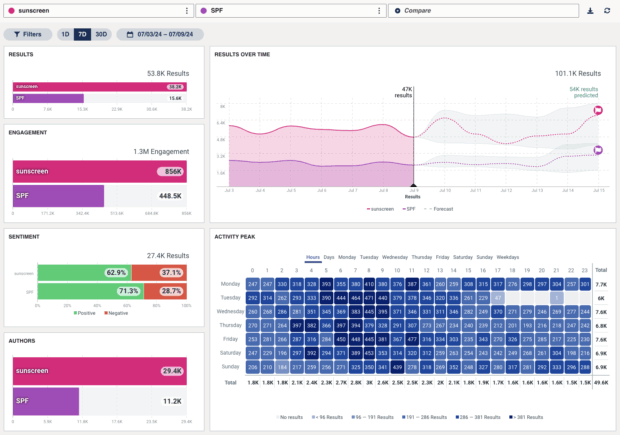
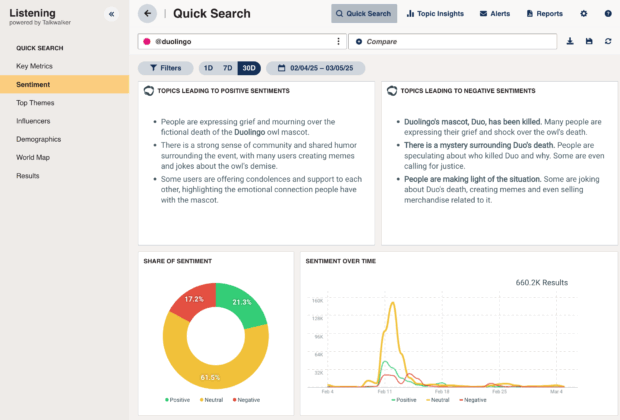
- Social Listening: Automated alerts allow you to track brand sentiment and industry trends without needing to manually refresh your feed.
- Routine Customer Service: Simple inquiries—FAQs, pricing, or hours of operation—can be handled by AI-driven chatbots or automated reply triggers, allowing your team to focus on complex, high-stakes customer issues.
The Human "Red Line"
Automation should never replace the human touch in high-stakes areas:
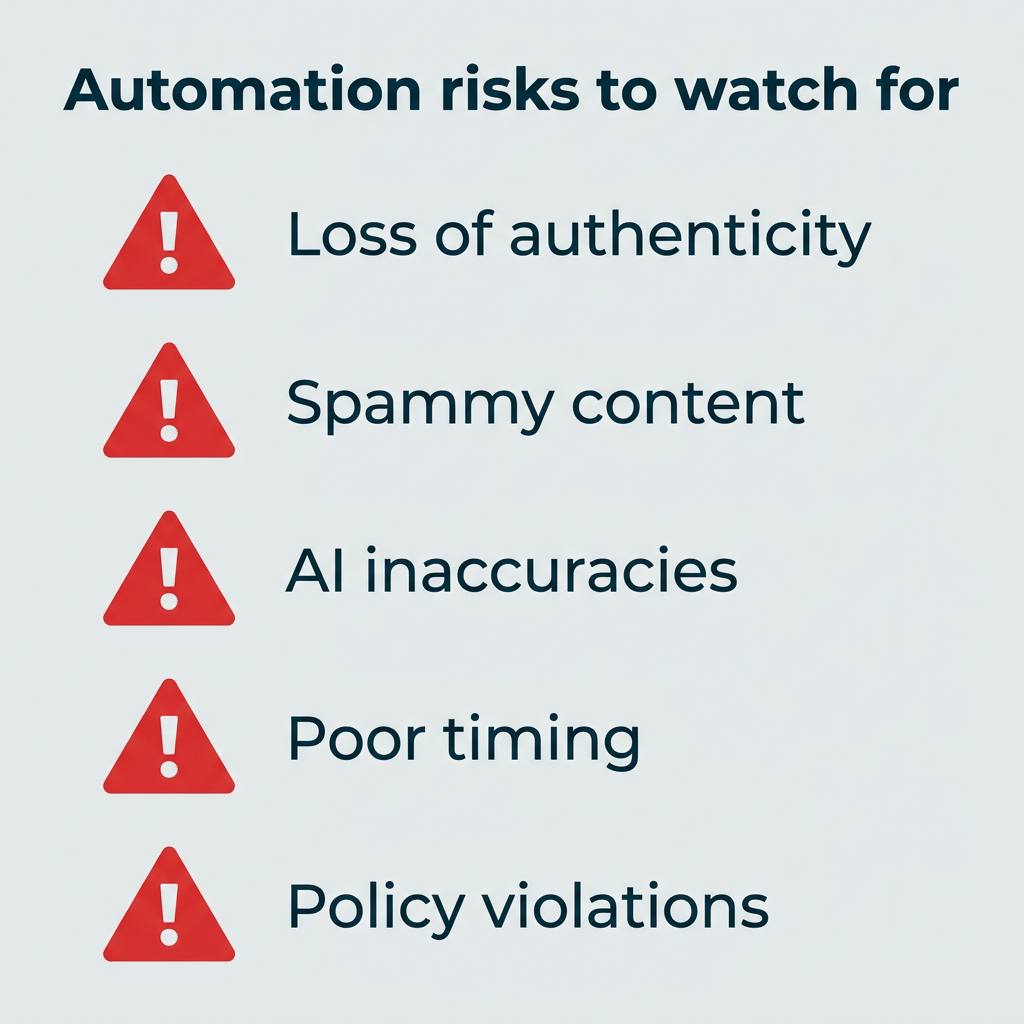
- Crisis Management: Never automate responses to complaints or public relations incidents.
- Original Creative Strategy: While AI can draft, the "soul" of your brand—your tone, humor, and values—must be curated by human creative leads.
- Authentic Relationship Building: Building deep community ties requires empathy, which remains a uniquely human trait.
Official Industry Perspectives and Implications
The shift toward "Agentic AI" is no longer a fringe trend. Gartner analysts predict that by 2028, 60% of brands will utilize agentic AI to handle one-to-one customer interactions. The implication for marketing teams is clear: the role of the social media manager is evolving from "doer" to "orchestrator."
For enterprises, this shift necessitates a robust governance framework. As you automate more, the risk of "off-brand" content increases. Therefore, top-tier tools now include multi-step approval workflows, ensuring that before an AI-generated post goes live, it passes through the eyes of a human strategist.
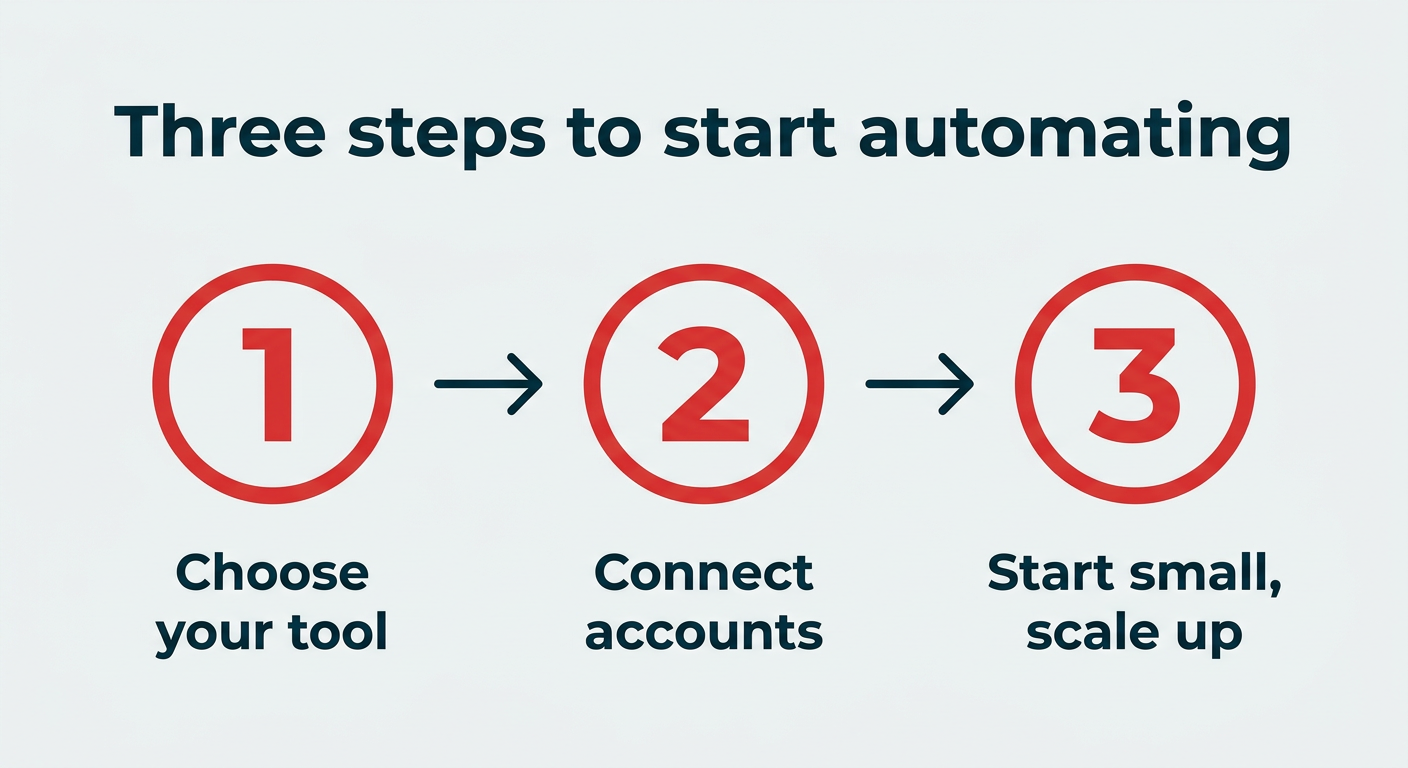
Implementation: A Three-Step Roadmap for Success
1. The Audit and Selection Phase
Before purchasing a tool, audit your current bottlenecks. If your team is struggling with inbox volume, prioritize a platform with advanced DM automation. If your struggle is consistency, prioritize a robust visual scheduling calendar. Look for platforms like Hootsuite, Agorapulse, or Buffer that scale with your team size.

2. The Integration Phase
Link your social channels and establish your "source of truth" dashboard. Connect your analytics, your publishing calendar, and your listening alerts. During this phase, focus on setting up your brand’s "style guide" within your AI tools to ensure the generated copy remains on-brand.
3. The Gradual Scaling Phase
Do not attempt to automate 100% of your workflow on day one. Start by automating your scheduling and reporting. Once your team is comfortable with the cadence, introduce AI-assisted content creation and, finally, move into advanced social listening and automated DM flows.
The Competitive Imperative
As we move further into 2026, the brands that win will be those that strike the perfect balance between technological efficiency and human creativity. Automation is not a replacement for talent; it is a force multiplier.
By offloading the repetitive, mundane aspects of digital marketing to intelligent software, businesses can finally focus on what matters most: building genuine, lasting connections with their audience. The tools are available, the data is clear, and the efficiency gains are waiting. The only question that remains is how quickly your organization will adapt to this new standard of operation.
Whether you are a solo creator or an enterprise-level marketing department, the journey to a more automated, efficient future begins with a single, strategic step: choosing the right partner to manage the complexity of the modern digital landscape.












No comments yet. Be the first to join the conversation!