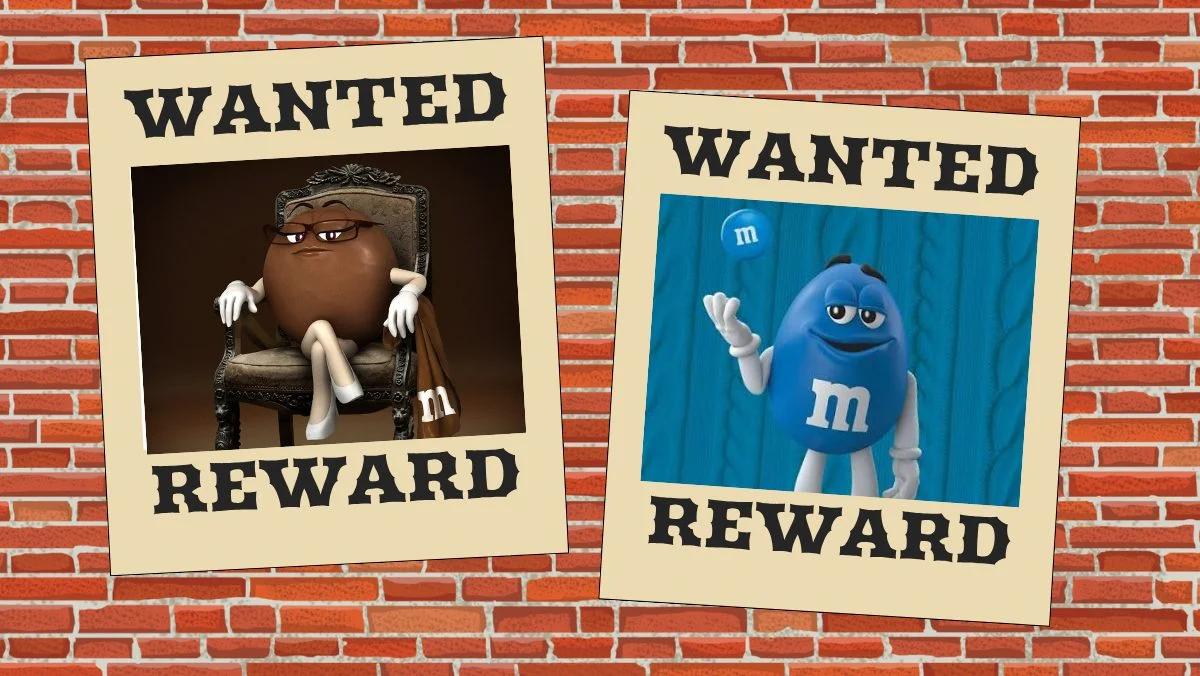
As of this August, the landscape of the confectionery aisle is undergoing a permanent, vibrant, and controversial shift. Mars, the parent company behind the world’s most iconic chocolate-coated candy, has announced a significant reformulation of its flagship M&M’s. Moving forward, new "all-natural" packs will feature a condensed color palette: red, green, yellow, and orange. The blue and brown candies—two staples of the modern M&M mix—are being temporarily retired as the company eliminates artificial dyes from its production line.
This move marks a seismic shift for a brand that has spent decades defining the aesthetic of American snacking. While the chocolate center remains untouched, the visual identity of the candy is entering a period of flux, driven by a combination of public health initiatives, supply chain constraints, and the rising cost of natural pigments.
The Evolution of the M&M: A Chronological Retrospective
To understand the weight of this decision, one must look back at the history of the M&M, a product that has been as much about its visual marketing as its flavor profile. Launched in 1941, the M&M was designed for soldiers, featuring a hard sugar shell that prevented melting—a revolutionary feat of food engineering at the time.
For decades, the color mix was static. However, in 1995, Mars took the bold step of letting the public decide the future of the brand. In a massive marketing campaign, voters were asked to replace the lackluster "tan" M&M with a new color. The options were blue, pink, and purple. In a landslide victory, blue captured 54% of the vote, cementing itself as the modern face of the brand.
Now, thirty years after that democratic triumph, the blue M&M is being sidelined. This is not the first time the company has tweaked its appearance, but it is the first time a change has been dictated by the complex chemistry of natural food coloring rather than consumer preference.
The "Make America Healthy Again" (MAHA) Influence
The pivot to natural ingredients is not happening in a vacuum. Mars is joining a growing list of industry giants—including Nestle and Hershey—in responding to the "Make America Healthy Again" (MAHA) movement. This initiative, championed by high-profile political figures including Robert F. Kennedy Jr. and supported by the current administration, has shifted the national discourse regarding ultra-processed foods.
The impact of this movement is visible across supermarket shelves. From the removal of Red 40 from snack lines to the rise of products like PepsiCo’s "Simply NKD" line, companies are racing to divest from artificial additives. The goal is to move toward labels that are "clean" and free from synthetic dyes that have long faced scrutiny from advocacy groups.
By eliminating artificial dyes, Mars is positioning itself as a proactive player in the health-conscious snacking revolution. However, this transition has highlighted the stark difference between synthetic dyes, which are cheap and highly stable, and natural pigments, which present significant technical and economic hurdles.
Technical Hurdles: Why Blue and Brown Were Cut
The exclusion of blue and brown from the new natural line-up is a result of both chemistry and economics. In a recent interview with The Wall Street Journal, Mars executives clarified that their current natural sourcing strategy is limited by the availability of pigments that can survive the manufacturing process without degrading or becoming prohibitively expensive.
The Pigment Problem
- The Accessible Palette: Colors like red, yellow, and orange can be derived from abundant natural sources. Beets and turmeric, for instance, provide highly stable and affordable pigments that replicate the classic M&M look with relative ease.
- The Spirulina Barrier: To achieve a vibrant blue, manufacturers often look toward spirulina—a nutrient-dense, teal-ish algae. While effective, scaling the use of food-grade spirulina to meet the global demand of M&M production is an expensive endeavor. For a company that produces millions of candies daily, the cost-per-unit increase is significant.
- The Brown Complication: The brown M&M has historically been a composite, created by blending blue, red, and yellow dyes. Because this process relies on the presence of the blue dye, the current lack of an affordable, natural, and stable blue pigment renders the creation of brown impossible under the new "all-natural" mandate.
Official Response: Mars’ Long-Term Strategy
Mars has been careful to frame this as an evolution rather than a permanent loss. In official communications, the company has emphasized that their Research and Development (R&D) teams are working tirelessly to secure natural dye alternatives that fit within a sustainable budget.
"We are committed to a cleaner, more natural future for our products," a company spokesperson stated. "While we are launching our new natural-dye lineup with four colors, we are actively testing new natural formulations for purple, brown, and blue. Our goal is to bring the full rainbow back to the pack as soon as we can ensure the quality, color stability, and affordability our consumers expect."
For the time being, the company is banking on the fact that the consumer experience—the "snap" of the shell and the melt-in-your-mouth chocolate center—remains identical to the original. Despite the loss of color variety, the flavor profile remains unchanged, a point the company is emphasizing to minimize consumer churn.
Implications for the Confectionery Industry
The decision by Mars has far-reaching implications for the entire food industry. When a brand as ubiquitous as M&M’s makes such a drastic change, it signals to competitors that the "artificial-free" era is no longer a niche trend—it is a mandatory shift for survival.
The Economic Ripple Effect
The transition to natural dyes is essentially a transition to a more expensive supply chain. As companies scramble to secure sources of natural pigment, commodity prices for ingredients like turmeric, spirulina, and various fruit-and-vegetable extracts are expected to rise. This will likely lead to two outcomes: either consumers will face higher prices at the register, or manufacturers will have to absorb the costs, further thinning profit margins.
Consumer Perception and Brand Identity
The loss of the blue and brown candies also raises questions about brand identity. The blue M&M character has been a central figure in marketing campaigns for three decades. By removing the physical candy, Mars is creating a strange disconnect in their branding. How do you market a character whose namesake candy is no longer in the bag? This is a branding challenge that Mars will need to navigate as they phase in the new packaging this August.
The Regulatory Landscape
The influence of the MAHA initiative suggests that regulatory pressure on food additives will only intensify. If Mars succeeds in proving that a massive, global product can be sold without synthetic dyes, it will likely lead to even stricter FDA guidelines regarding the remaining artificial ingredients in other food categories. The M&M case study will be cited frequently in the coming years by both policymakers and corporate lobbyists.
Conclusion: A New Era for the Candy Aisle
As the August rollout approaches, consumers will see the first wave of these new, four-color packs. For some, the absence of blue and brown will be a nostalgic disappointment—a reminder of a time when food was engineered for aesthetic perfection rather than natural origins. For others, it will be a welcome step toward a diet free from synthetic chemicals.
What is certain is that Mars is embarking on a high-stakes experiment. By prioritizing ingredient integrity over the complete color spectrum, they are attempting to future-proof their business against the growing wave of health-conscious consumerism. Whether they can successfully reintroduce the lost colors remains to be seen, but one thing is clear: the candy aisle is becoming a testing ground for the broader battle over what goes into our food.
For now, fans of the blue and brown M&M should stock up. As the shelves begin to turn over this summer, those iconic shades will become the latest piece of confectionery history, marking a definitive end to one of the most colorful chapters in modern food manufacturing.