The geopolitical landscape of Westeros has undergone a seismic shift. In the second episode of House of the Dragon’s third season, the long-simmering conflict known as the "Dance of the Dragons" reached a bloody, decisive, and deeply complicated zenith. Queen Rhaenyra Targaryen, long denied her birthright, has finally breached the gates of King’s Landing, effectively seizing the Iron Throne. However, as the dust settles over the Red Keep, the victory appears far from the clean resolution many within the Black faction had hoped for.
The event marks the culmination of a high-stakes gambit initiated by the Dowager Queen Alicent Hightower during the previous season’s finale. Seeking to forestall further bloodshed following a lifetime of political maneuvering and a tragic misunderstanding regarding the dying wishes of King Viserys I, Alicent offered an olive branch: the surrender of the crown in exchange for the safety of her daughter, Helaena, and herself. What was intended as a path to peace, however, has instead devolved into a brutal power transition that leaves the fate of the realm hanging in the balance.
A City in Transition: The Chronology of the Siege
The events leading to the fall of the capital were defined by internal volatility within the Black camp. Following the devastating loss of her son and heir, Jace, Rhaenyra had retreated into a state of profound mourning, leaving the administration of her cause in a precarious position. The impasse was only broken by the intervention of Prince Daemon Targaryen, whose disclosure of the "Song of Ice and Fire"—the prophecy of the White Walkers passed down from Aegon the Conqueror—reignited Rhaenyra’s sense of duty.
The catalyst for the final push was the tactical intelligence that Aemond Targaryen had vacated the city aboard the formidable dragon Vhagar. Sensing a rare window of vulnerability, Rhaenyra disregarded the warnings of her small council, who cautioned that the Dowager Queen’s offer might be a meticulously laid trap.

"I will take the Iron Throne, or I will die trying," Rhaenyra reportedly declared, marking a departure from her previous reluctance to engage in total war.
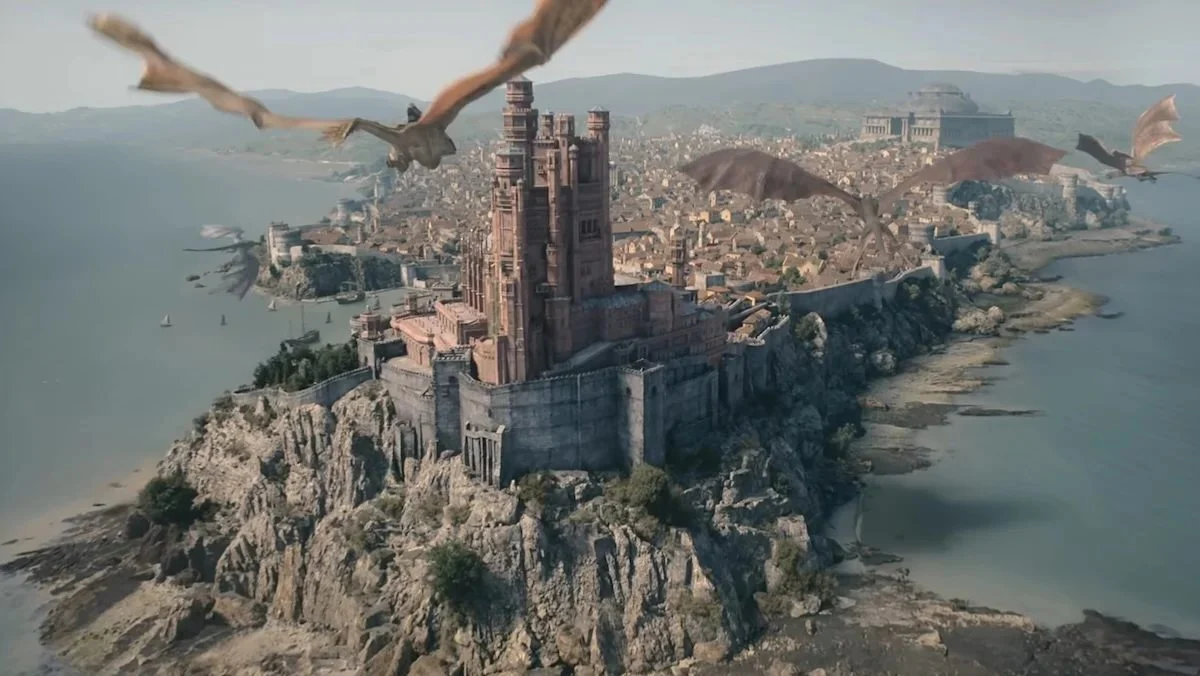
On the day of the assault, the skies over King’s Landing darkened as the Black fleet’s aerial superiority was made manifest. Rhaenyra, clad in black scale armor, spearheaded the arrival on her dragon, Syrax. She was accompanied by the formidable presence of Daemon on Caraxes, and the newly claimed dragonriders Ulf and Hugh, mounted on Silverwing and Vermithor, respectively. The psychological impact of four dragons descending upon the city was immediate; citizens fled to the gates, and the Green-aligned forces, recognizing the futility of resistance against such overwhelming firepower, laid down their weapons and knelt before the incoming sovereign.
The Path Through the Red Keep
Upon entering the Red Keep, the victors found a castle eerily devoid of life. Reports indicate that Alicent Hightower had proactively neutralized potential opposition, clearing the halls of soldiers to facilitate a peaceful, albeit desperate, escape attempt with Helaena and the young Princess Jaehara.
The lack of resistance within the castle’s corridors was striking. Rhaenyra and Daemon moved through the heart of the capital with little interference, a testament to the success of the pre-planned evacuation of Green loyalists. The only significant obstacle emerged at the entrance to the throne room, where Ser Rickard, a member of the Kingsguard and a staunch protector of the Dowager Queen, attempted to hold the line with a remaining detachment of soldiers.

The standoff was brief. Ser Rickard’s confidence faltered upon the arrival of Ser Luthor Largent and the City Watch. The Gold Cloaks, whose allegiance remained tethered to their former commander, Daemon, turned the tide instantly, taking the Green soldiers into custody. With the path clear, Rhaenyra approached the Iron Throne, though she initially refused to sit upon it. Her refusal was predicated on a grim condition: the capture of her half-brother, the usurper Aegon.
The Execution of the Old Guard
With Aegon’s whereabouts unknown, the throne room became a site of summary justice. Grand Maester Orwyle, seeking to preserve his life, attempted to negotiate with the new regime. His survival was secured only by the delivery of Lord Jasper Wylde’s head to the victors, a grim bargaining chip that underscored the ruthlessness of the new political reality.
The most harrowing moment, however, concerned the former Hand of the King, Otto Hightower. Found imprisoned in the black cells—a secret maneuver orchestrated by Larys Strong before his flight from the city—Otto was brought before Rhaenyra. In a move that shocked onlookers and signaled the total dismantling of the Hightower influence, Rhaenyra insisted on executing him herself. After a botched first strike and a moment of visceral, agonizing silence, the Queen succeeded in the execution. The scene was witnessed by a captive Alicent and Helaena, ensuring they understood the finality of the regime change.
Strategic Implications: A Fragile Peace
While the visual symbolism of Rhaenyra standing in the throne room is potent, the strategic reality is far more complex. The "Fall of King’s Landing" was intended to act as the decisive stroke to end the Dance of the Dragons. However, the objective has been only partially met.

1. The Usurper at Large
The primary strategic failure of the operation is the disappearance of Aegon. As long as the usurper remains at liberty, the Green cause has a figurehead. The war cannot be considered truly "ended" while he exists to challenge Rhaenyra’s legitimacy from the shadows.
2. The Diplomatic Quagmire
Alicent’s initial offer was predicated on her and her family’s freedom. With the failure of their escape attempt and the execution of Otto Hightower, that diplomatic bridge has been burned. Rhaenyra now faces the difficult choice of how to handle the Dowager Queen and Helaena. Keeping them as prisoners creates a massive political liability, while releasing them could invite further rebellion.
3. The Burden of Legitimacy
Rhaenyra’s victory was achieved through the display of overwhelming dragon power and the subsequent decapitation of the previous administration. While this has secured the capital, it has also alienated a significant portion of the nobility who remained loyal to the Green council. The challenge for the new administration will be to transition from a military occupation to a sustainable government.
Official Responses and Public Sentiment
The small council under Rhaenyra has been quick to frame the day as a restoration of order. However, the mood within the city is one of deep apprehension. The sight of dragonriders circling the Red Keep, combined with the public execution of the former Hand, has left the populace in a state of shock.

Historians will note that while Rhaenyra has succeeded in taking the seat of power, the "Fall of King’s Landing" feels less like a conclusion and more like the beginning of a different, perhaps more insidious, chapter of the civil war. The cost of the Iron Throne has already been measured in the blood of family and the destruction of political trust.
As Rhaenyra sits upon the Iron Throne, she finds herself in a precarious position. She is a queen of a city that has not yet accepted her, ruling over a kingdom that remains divided. The Dance of the Dragons continues, and with the primary players scattered and the stakes raised to their absolute limit, the stability of the Seven Kingdoms remains a distant, flickering dream.
For further analysis on the ongoing conflict and the shifting loyalties within the Great Houses, stay tuned to our continued coverage of the Targaryen succession crisis.