Nana Muazin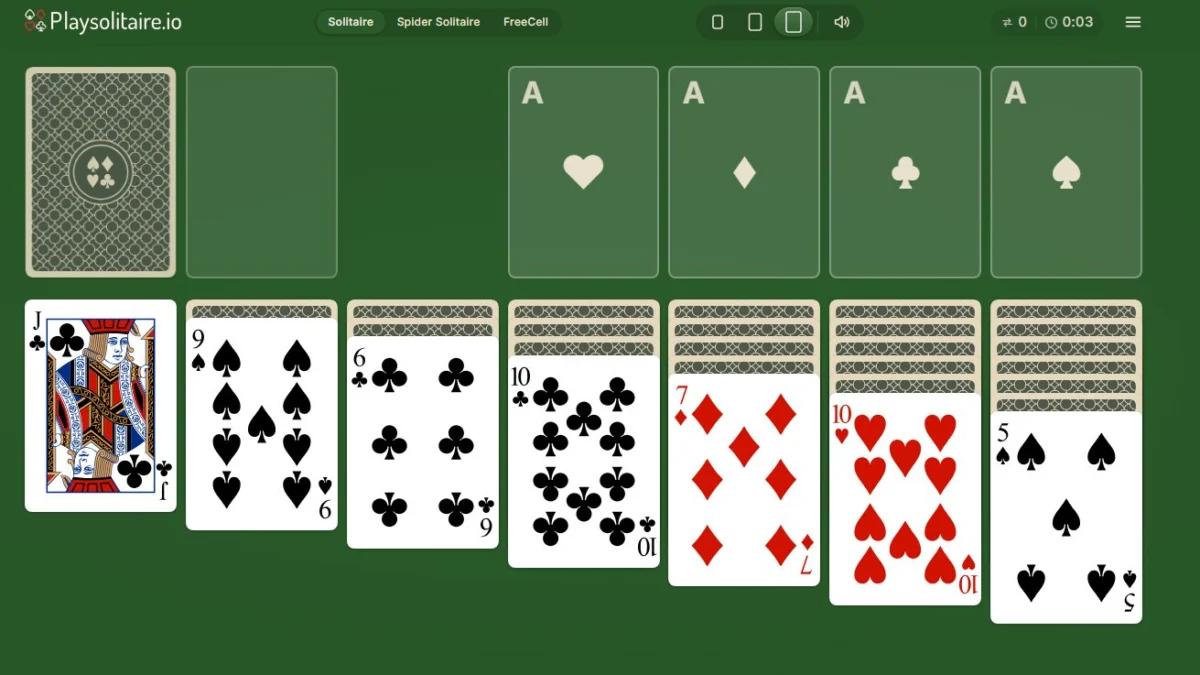
For the better part of a decade, the independent gaming scene has undergone a quiet, intellectual renaissance. We have watched as developers pivoted away from the "bigger is better" ethos of the AAA industry, choosing instead to celebrate the "small game." These are the jam entries, the one-mechanic wonders, and the deeply personal projects crafted by single individuals over a long weekend or a quiet summer.
We celebrate these titles for their surgical focus, their refreshing honesty, and their defiant refusal to pad a compelling core idea with the bloat of unnecessary progression systems. Yet, there is a historical irony in this movement: the quintessential "small game" was not born in the digital age, nor was it the product of a modern indie studio. It was a deck of cards.
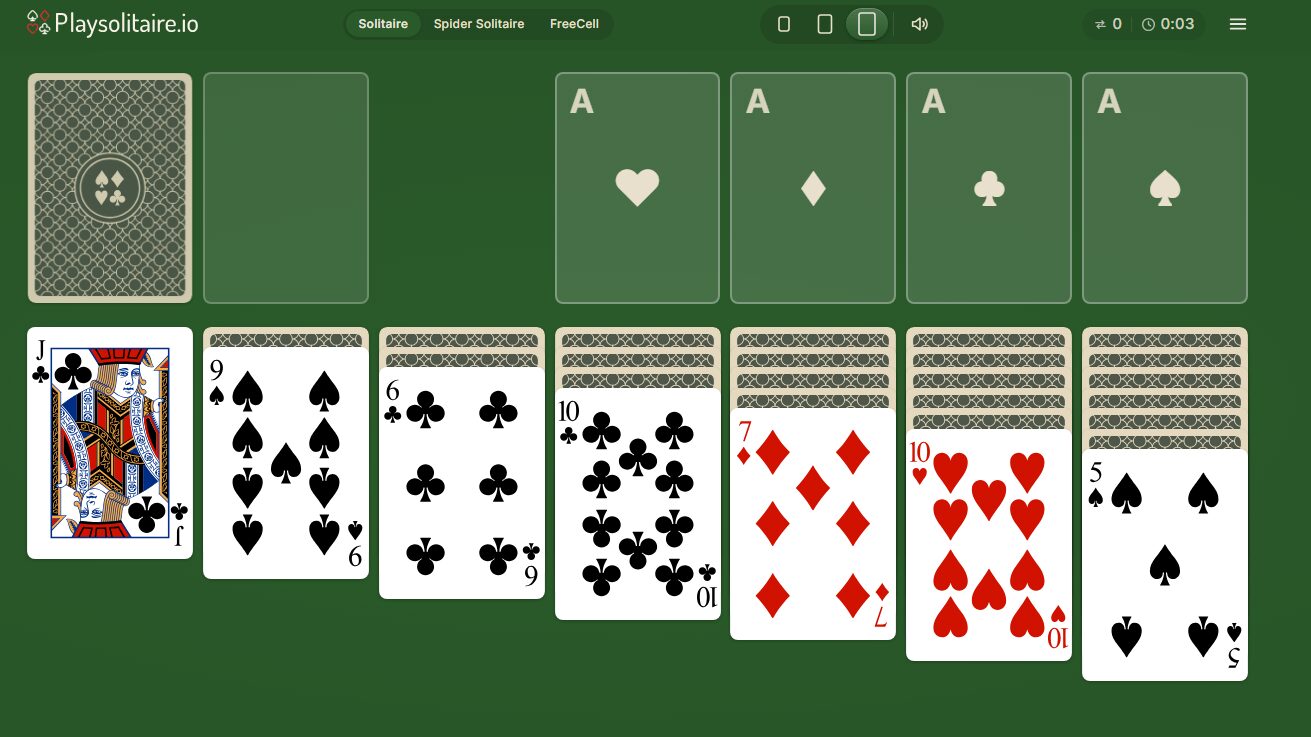
Long before "scope creep" became a derogatory term in the lexicon of game development, Solitaire—a game you can still find in its purest, most accessible form at Playsolitaire.io—quietly proved that a singular, fully realized idea possesses a longevity that few multi-million-dollar blockbusters can dream of. The modern indie movement is not inventing the philosophy of the small game; it is merely vindicating a truth that has been hiding in plain sight for centuries.
What “Small Game” Actually Means: A Definition of Intent
In contemporary indie circles, the term "small" is never intended as an insult. It is a design philosophy, and a hard-won one at that. A truly small game is one that identifies a single, resonant idea and executes it with absolute completeness. It relies on the belief that a well-polished, clear gameplay loop is infinitely more valuable to the player than a sprawling, messy feature list.
This is the "game jam" mentality applied as a long-term strategy. It views constraint not as a limitation, but as a creative engine. When a developer is forced to work within a tiny box, they are compelled to make every interaction matter.
The most successful small games share an aura of honesty. They do not attempt to be everything to everyone. They don’t seek to monetize every micro-second of your attention or trap you in a psychological "treadmill" of artificial rewards. They have a specific emotion to evoke or a particular puzzle to solve; they deliver that experience with precision, and then they let the player go. This ethos—personal, focused, and complete—is the beating heart of the modern indie movement. It stands in direct, deliberate opposition to the bloated, "live-service," engagement-maximizing design that currently dominates the mainstream market.
The Chronology of Minimalism: From Tabletop to Browser
To understand the endurance of the "small game," we must look back at the history of game design. Before software, there was hardware. A deck of cards represents the original "hardware-agnostic" platform.
The Origins of the Loop
Solitaire’s history is murky, likely evolving from European card games in the 18th century, but its rise to global dominance was cemented by its inclusion in Windows 3.0 in 1990. At the time, it served a functional purpose: teaching users how to use a mouse. However, it inadvertently became the world’s most played video game.
The Age of Bloat
Following the digital revolution, game design became obsessed with scale. From the mid-90s through the 2010s, "more" was the industry mantra. More polygons, more quest markers, more inventory slots, more "content." Developers were incentivized to create games that lasted 100 hours, even if only 10 of those hours were genuinely engaging.
The Indie Correction
Around 2012–2015, the indie scene began to push back. Projects like Papers, Please, Super Hexagon, and Downwell proved that players were starving for experiences that respected their time. These games didn’t just survive; they thrived by offering a "vertical slice" of excellence rather than a horizontal expanse of mediocrity. Today, platforms like Playsolitaire.io exist as a testament to this, offering a digital home for a game that hasn’t needed a single patch or content update in decades because it was "finished" the moment it was conceived.
Supporting Data: Why Less is More
The data supporting the "small game" model is found in player retention and long-term legacy. While live-service games rely on daily login bonuses and FOMO (fear of missing out) to keep players coming back, Solitaire relies on something much more powerful: the elegance of the loop.
- Legibility: A small game is understood in seconds. There is no tutorial bloat or onboarding friction.
- Replayability: Because the mechanic is perfect, every instance is a new puzzle.
- Respect for the User: A small game asks for your time, provides a discrete experience, and then releases you. This creates a healthy relationship between the player and the software, leading to decades of loyalty rather than weeks of burnout.
If a solo developer were to release Solitaire as a new indie jam game today, without the weight of its historical reputation, the industry would laud it as a "masterclass in minimalism." Critics would praise the "procedural generation" of the card deals and the "tactile satisfaction" of the interaction. The fact that it is a centuries-old card game doesn’t diminish this—it validates the timelessness of the design.
Official Perspectives: The Philosophy of Constraint
Industry analysts and veteran developers have begun to notice this shift. As the costs of AAA development skyrocket, the risks associated with massive, bloated projects are becoming unsustainable.
"We are seeing a flight to quality," notes one industry analyst. "Developers are realizing that a single, refined loop is a safer and more rewarding investment than a sprawling, unrefined world. The success of simple, card-based mechanics in modern indie games—like Balatro or Slay the Spire—proves that players haven’t lost their taste for complexity; they’ve simply lost their patience for filler."
This isn’t to suggest that indie developers are intentionally copying Solitaire. Rather, they are independently arriving at the same truths that made Solitaire a success. When a modern developer strips an idea down to its essence, they are walking the same path that card designers walked centuries ago.
The Implications for the Future of Gaming
What does this mean for the future of the medium? It suggests that the "Small Game" is not a stepping stone to "bigger things," but a valid, final destination.
The loudest voices in the industry—the conglomerates and the massive publishers—will always insist that bigger is better. They will argue that without constant updates, season passes, and endless "world-building," a game is "dead." The indie movement, championed by the quiet, enduring success of games like Solitaire, is the standing counterargument.
A game with zero marketing budget, no downloadable content, and no "always-online" requirements has outlasted almost every blockbuster released in the last thirty years. This is the lesson that the modern generation of developers is taking to heart.
The philosophy of the small game is not a limitation; it is a superpower. By focusing on the purity of the player experience, indies are building games that aren’t just "content"—they are culture. They are proving that you don’t need a massive team to create something that lasts. You just need a clear idea, the discipline to execute it fully, and the courage to stop before you start adding things you don’t need.
As we look toward the next decade of gaming, we should expect to see more of this. The industry is recalibrating, moving away from the "engagement-maximizing" traps of the last decade and back toward the "fun-maximizing" principles of the first. Solitaire knew this all along. It’s time we all caught up.


 Layla Zulfa
 Laily UPN