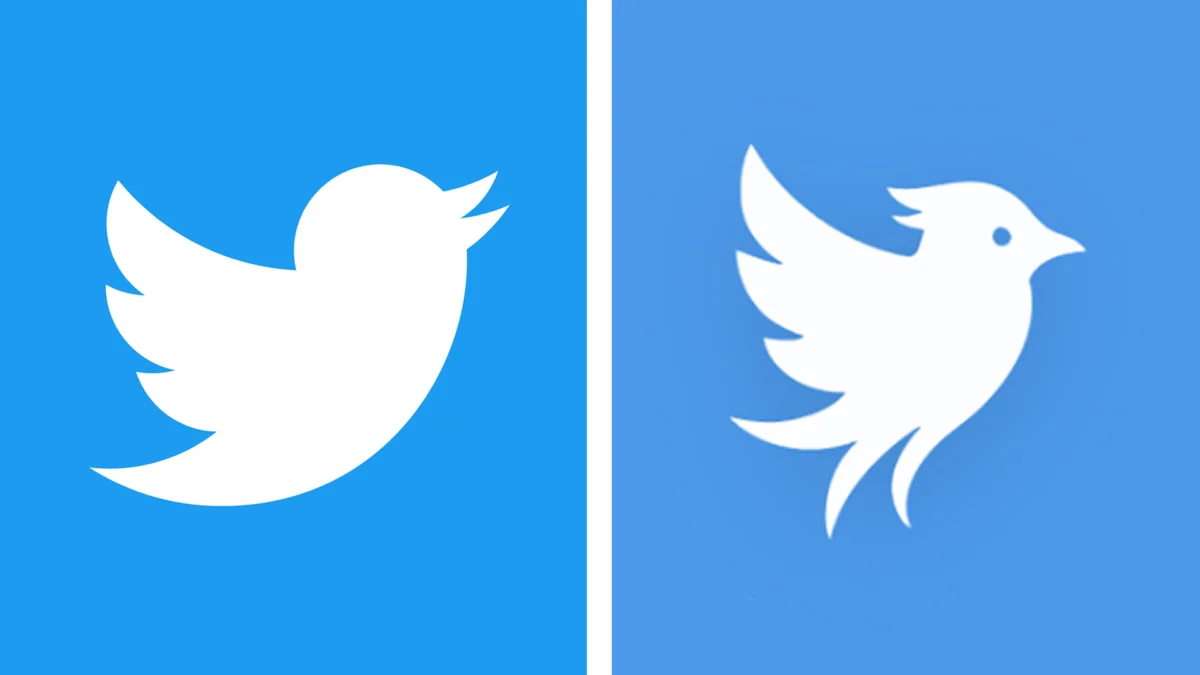
For over a decade, Twitter stood as the digital agora of the modern age. It was a chaotic, beautiful, and often infuriating town square where breaking news lived alongside the absurd, and where the world’s journalists, comedians, and philosophers converged in 280-character bursts. It was, in many ways, the heartbeat of the internet.
However, the platform’s trajectory shifted violently following its 2022 acquisition by Elon Musk. The subsequent mass layoffs, the dismantling of moderation teams, the controversial shift to paid verification, and the ultimate "edgy" rebrand into X—an "everything app" that has struggled to become much of anything—left millions of users feeling orphaned. Now, in an unprecedented move, a startup known as Operation Bluebird is attempting to resurrect the ghost of the original platform. Operating under the domain Twitter.now, the venture aims to reclaim the branding and the spirit of the old Twitter, posing a direct, provocative, and legally fraught challenge to Musk’s regime.
A Chronology of Disruption and Disillusionment
The history of Twitter’s decline is a study in rapid transformation. When Elon Musk walked into the San Francisco headquarters carrying a kitchen sink, he signaled an end to the era of the "bird app."
- October 2022: The $44 billion acquisition is finalized. Musk immediately begins a series of sweeping changes, including the firing of thousands of employees and the initiation of a paid verification scheme, which critics argued would erode platform credibility.
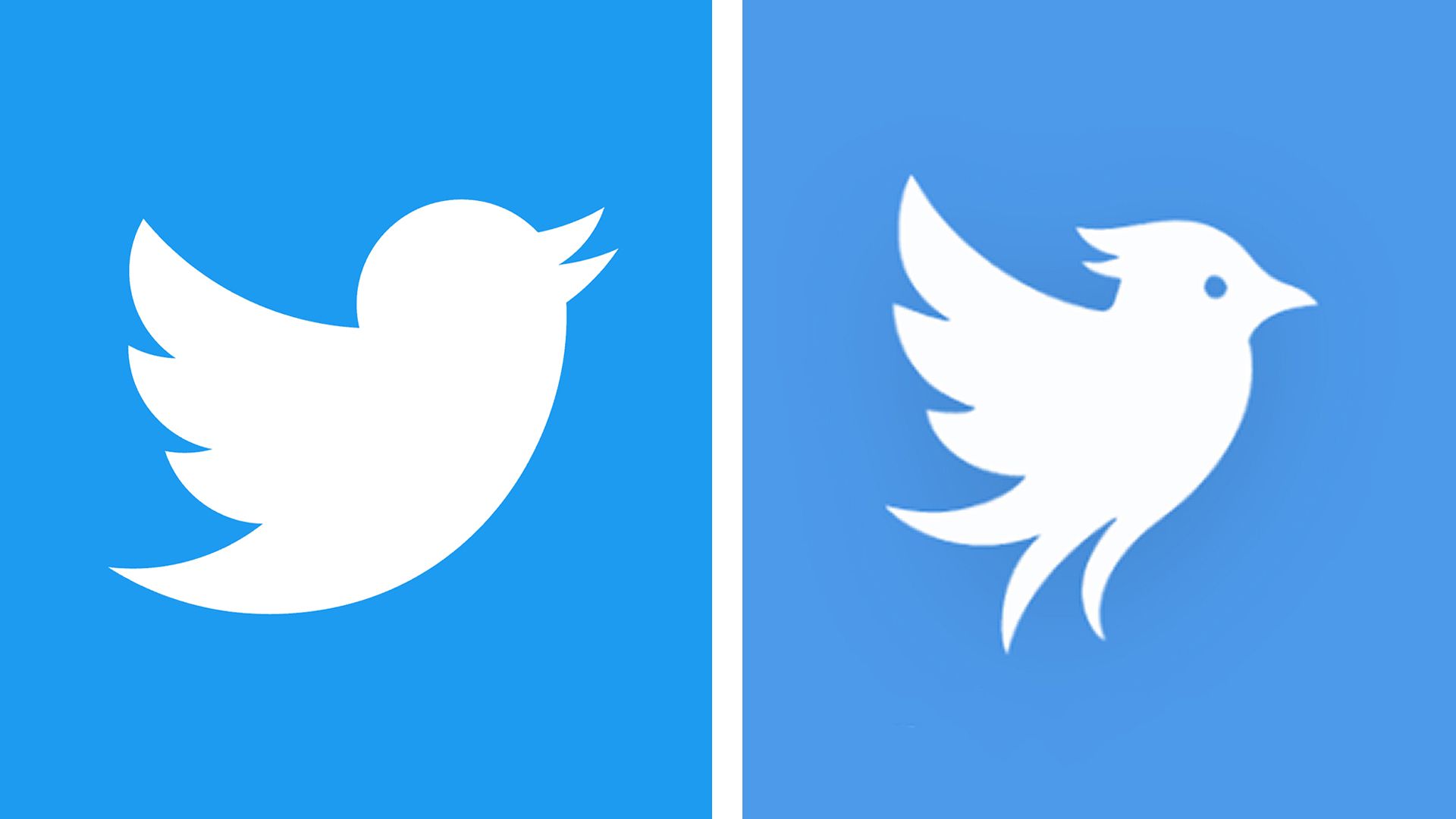
- July 2023: In one of the most drastic branding pivots in corporate history, Musk officially kills the "Twitter" name and the iconic Larry the Bird logo, replacing them with the austere, minimalist "X."
- Late 2023: Sensing an opening, Operation Bluebird, a Virginia-based entity, begins laying the groundwork for a new project. They assert that because Musk abandoned the "Twitter" trademark in favor of X, the intellectual property was effectively left in the public square, ripe for reclamation.
- April 2024: A tentative ruling by District Court Judge Colm Connolly suggests that Operation Bluebird’s legal defense regarding the abandoned trademark may hold water, signaling a potential legal nightmare for X.
- Present Day: Twitter.now launches, inviting a small cohort of "Early Access Founders" and "Fighters" to experience a platform that promises to restore the "town square" dynamic while integrating modern, AI-driven moderation.
The Legal and Ethical Underpinnings
At the heart of this conflict is a question of intellectual property law. Operation Bluebird is not merely a fan project; it is a calculated legal maneuver. One of its key architects is Stephen Coates, who served as an Associate Director of Trademarks, Domain Names, and Marketing at the original Twitter from 2014 to 2016. Coates is intimately familiar with the machinery of the brand, and his involvement gives the project a veneer of institutional credibility that most copycat startups lack.
X has, predictably, sought a preliminary injunction against Operation Bluebird in Delaware. However, the legal battle is not just about a name; it is about the "abandonment" of a brand identity. By stripping away the bird and the name, Musk may have inadvertently opened a doorway for competitors to step into the void he created.
Redefining the Social Contract: Trust and Moderation
If the legal battle is the fire, the technology behind Twitter.now is the fuel. The founders emphasize that this is not a retro-nostalgia project. Instead, they are attempting to solve the fundamental "algorithmic doom" that defines modern social media.
The most significant departure from the old model is the "Trust Dial." On most platforms, the algorithm dictates your experience, often prioritizing outrage-inducing content to drive engagement. Twitter.now aims to flip this model. Users can assign trust levels to other accounts, effectively curating their own feeds based on a web of verified trust rather than algorithmic preference.
Furthermore, the platform is integrating an AI-driven fact-checking tool called "Vera." Named after the Latin word for truth, Vera operates in real-time. Unlike traditional community notes, which can be slow and subject to political manipulation, Vera acts as a persistent, autonomous layer of analysis, flagging potentially false or misleading information as it is posted.
As Stephen Coates noted in his communications on LinkedIn, the project’s guiding philosophy is "freedom of speech, not freedom of reach." It is an acknowledgment that while every user deserves a voice, they do not necessarily deserve an algorithmic amplifier.
Supporting Data: Can Nostalgia Fuel a Startup?
The launch of Twitter.now is restricted for now, with access limited to "Early Access Founders" ($20 fee) and "Fighters" ($40 fee). These financial barriers serve two purposes: they generate the capital necessary to fund legal defense against X, and they act as a "spam filter," ensuring that the initial user base is composed of individuals invested in the platform’s success.

History shows that reviving dead brands is a difficult gambit. While brands like Polaroid and Atari have found success through nostalgia, the social media landscape is notoriously unforgiving. Users did not leave Twitter because they hated the name; they left because of a shift in corporate values, a rise in toxicity, and a degradation of the user experience.
However, the sheer volume of discourse surrounding the launch of Twitter.now suggests that the name still carries significant cultural weight. In an era where "X" feels like a cold, alien presence, the return of the familiar blue color palette and the bird icon provides a psychological comfort that may be enough to attract a loyal, albeit niche, initial user base.
Official Responses and Industry Implications
While Elon Musk and the legal team at X have remained characteristically aggressive, the broader tech industry is watching with bated breath. If Operation Bluebird succeeds, it sets a massive precedent: it suggests that corporate rebrands can be treated as an admission of abandonment, allowing third parties to swoop in and claim the discarded legacy.
For the user, the stakes are equally high. We are currently living through a fragmentation of the digital public sphere. Between the rise of Bluesky, the stabilization of Threads, and the emergence of niche platforms like Mastodon, the "town square" has become a scattered collection of suburbs. Twitter.now hopes to act as a bridge—a way to reconnect the fractured audience by appealing to the original, simpler vision of microblogging.
The Real Test: Moving Beyond the Name
The ultimate challenge for Twitter.now is not winning a lawsuit; it is winning the culture war. People are tired of platforms that feel "antisocial." The success of any social network depends on the "network effect"—the idea that a platform becomes more valuable as more people join it.
If Twitter.now remains an exclusive, paid-only club for the tech-savvy, it will likely remain a curiosity. To achieve its goal of becoming a true alternative, it must eventually scale. It must prove that it can handle the pressure of millions of users without sacrificing the very "trust" it claims to offer.
The name "Twitter" might have been abandoned by its owner, but it remains a powerful symbol of a time when the internet felt like a place of connection. Operation Bluebird is betting that the soul of the platform was never in the corporate headquarters, but in the people who populated the timeline. Whether they can truly recapture that lightning in a bottle—or if they are simply chasing a digital ghost—remains to be seen. But for the millions who still look at their phone and miss the bird, the opening of Twitter.now is, at the very least, an invitation to return to a conversation they thought had ended.