The gaming industry is no stranger to hype, but rarely has a title carried the sheer gravitational pull of Grand Theft Auto 6. As the clock ticks down toward its November 19 release date, the atmosphere surrounding Rockstar Games is a complex cocktail of industry-leading confidence and profound, self-admitted vulnerability. In a recent candid disclosure, developers at the studio have acknowledged what fans have suspected for years: Rockstar is feeling the pressure, and they are, by their own admission, "nervous."
The Genesis of the Reveal: A Week of Digital Turmoil
The lead-up to the official extended gameplay reveal was anything but conventional. Following a turbulent week dominated by unauthorized leaks from an entity known as "Cyberleek"—which provided fragmented, grainy glimpses into the game’s mechanics and the neon-soaked streets of Vice City—Rockstar Games took a tactical approach to regain control of the narrative.
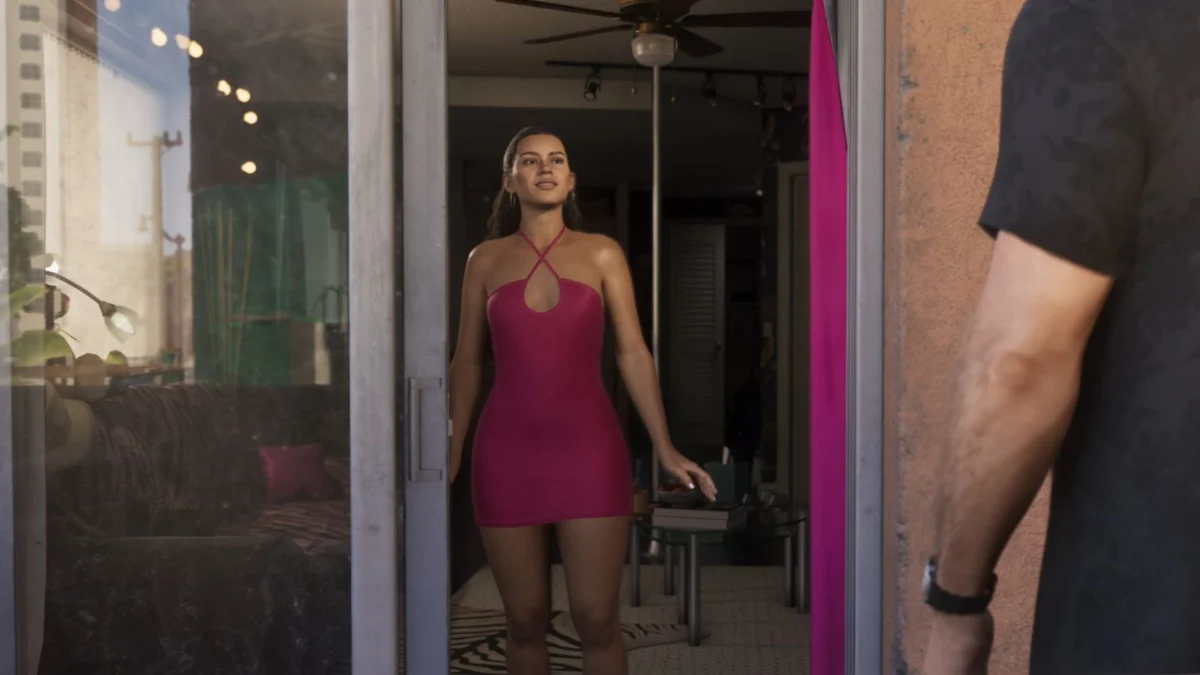
Partnering with Netflix for a high-profile, 30-minute extended look, the studio finally provided a cohesive vision of the project. This deep dive served as a masterclass in expectation management, offering a sprawling look at the game’s mechanics, narrative depth, and the highly anticipated return to the iconic Vice City setting. The footage clarified long-standing rumors regarding the protagonists, Jason and Lucia, specifically confirming that the duo’s relationship is dynamic; they are not inherently tied to a romantic trajectory, allowing players more agency in how these characters interact with the criminal underworld and the supporting cast of NPCs.
A Chronology of the GTA 6 Development Cycle
To understand the current state of anxiety within the Rockstar corridors, one must look at the project’s timeline. Since the initial announcement, the game has been shrouded in a veil of extreme secrecy, punctuated by industry-defining leaks.
- The Early Rumors: For years, industry whispers suggested a return to Florida-inspired locales, a rumor that gained traction as Rockstar began to consolidate its global teams.
- The Cyberleek Breach: The recent weeks saw an unprecedented wave of leaks. The "Cyberleek" incident forced Rockstar to accelerate their internal marketing schedule, shifting the conversation from leaked clips to a polished, developer-approved showcase.
- The Netflix Showcase: On the heels of the leaks, the 30-minute Netflix special effectively reset the public discourse, shifting the focus from illicitly obtained footage to the intended artistic vision.
- The Final Stretch: With the game now entering its final phase of "gold" status, the focus has shifted to the critical milestones of November 12 (pre-load launch) and November 19 (official launch).
The Internal Philosophy: A Quest for Perfection
In a candid interview with IGN, Rob Nelson, a key creative lead at Rockstar Games, stripped away the corporate polish to reveal the human element behind the studio’s massive output. When asked about the external pressure—the millions of fans, the stock market expectations, and the legacy of GTA V—Nelson highlighted an internal drive that eclipses even the loudest fan demands.
"I try not to think about it. You’re aware of it, of course," Nelson admitted. "But I think we just have to try and make something that we feel is innovating on what we’ve done previously, evolving it while still making it feel familiar."
This tension between innovation and familiarity is the hallmark of the Grand Theft Auto franchise. The challenge for Rockstar is to move the goalposts of open-world gaming while ensuring the game still feels like the sandbox experience that defined a generation.
"As much pressure as we feel externally, I don’t think it can compare to the pressure we put on ourselves as a team," Nelson continued. "Everyone wants things to be perfect. We are nervous! Nervous, of course, but also excited to see how people respond to this video and then ultimately the game."
Analyzing the Stakes: Why Perfection is the Only Option
Rockstar Games has long operated under a "perfectionist" mandate. Unlike many studios that adhere to strict annual release cycles, Rockstar has historically favored delayed, polished experiences over rapid, buggy launches. This commitment to quality is precisely why the studio has used the phrase "deliver at the level players expect" in nearly every public communication regarding GTA 6.
The Economic and Cultural Impact
The financial stakes are staggering. GTA V remains one of the best-selling entertainment products in history, with its online component generating billions in revenue over a decade. GTA 6 isn’t just a game; it is a financial pillar for Take-Two Interactive. The market performance of the parent company is inextricably linked to the success of this single release.

From a cultural standpoint, the game carries the weight of a decade of technological advancement. Players are expecting a level of simulation, AI complexity, and environmental interactivity that has never been seen before. The "Cyberleek" incidents served as a stark reminder of the global hunger for this content, proving that even a leaked low-resolution clip can trigger massive internet discourse.
Official Responses and the "Polish" Narrative
Rockstar’s response to the leaks has been consistent: they are "determined to deliver at the level you expect and deserve." This mantra is not just PR fluff; it is a defense mechanism. By acknowledging that they are still "polishing things," the studio is attempting to frame the final weeks of development not as a period of crunch, but as a period of refinement.
This approach is designed to temper the volatility of the fan base. By being transparent about their own nervousness, Rockstar is effectively humanizing their brand, inviting the community to share in the anticipation rather than demanding immediate, perfectionist satisfaction.
Implications for the Future of Open-World Gaming
What happens if GTA 6 succeeds? What if it stumbles?
If successful, the game will solidify Rockstar’s dominance for another ten years, potentially setting a new standard for narrative-driven, open-world gameplay that will take competitors a decade to match. It would prove that the "prestige" model of development—long cycles, high budgets, and obsessive attention to detail—remains the gold standard in an era of live-service burnout.
However, the "nervousness" expressed by the team also highlights the fragility of this model. The industry is watching closely to see if a project of this scale can truly meet the astronomical expectations placed upon it. If the game delivers, it will be hailed as a triumph of human endeavor and creative vision. If it falls short, it may serve as a cautionary tale about the perils of over-hyping a product that has been in the public eye for far too long.
Conclusion: The Final Countdown
As the November 19 launch date approaches, the mood at Rockstar Games is a mixture of exhaustion and adrenaline. The extended look provided via Netflix has successfully shifted the focus toward the game’s depth—the nuanced relationship between Jason and Lucia, the intricate detail of the Vice City landscape, and the evolution of the series’ core gameplay loops.
For the developers, the nervousness is a byproduct of their passion. They are acutely aware that they are not just building a game; they are building a world that millions of people will inhabit for years to come. With pre-loads beginning on November 12, the wait is almost over. The world is watching, the developers are waiting, and for the first time in a long time, the creators behind the world’s biggest game franchise are showing us the human side of the process—a side that is just as anxious, and just as hopeful, as the fans they are striving to impress.
The stage is set. Whether GTA 6 lives up to the impossible standards of the modern gaming audience remains to be seen, but one thing is certain: Rockstar Games is leaving nothing on the table.