Asro
Asro
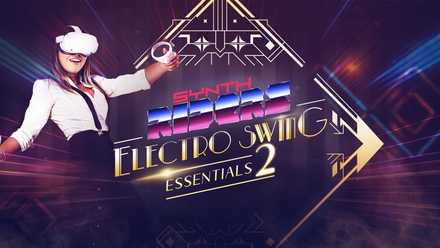
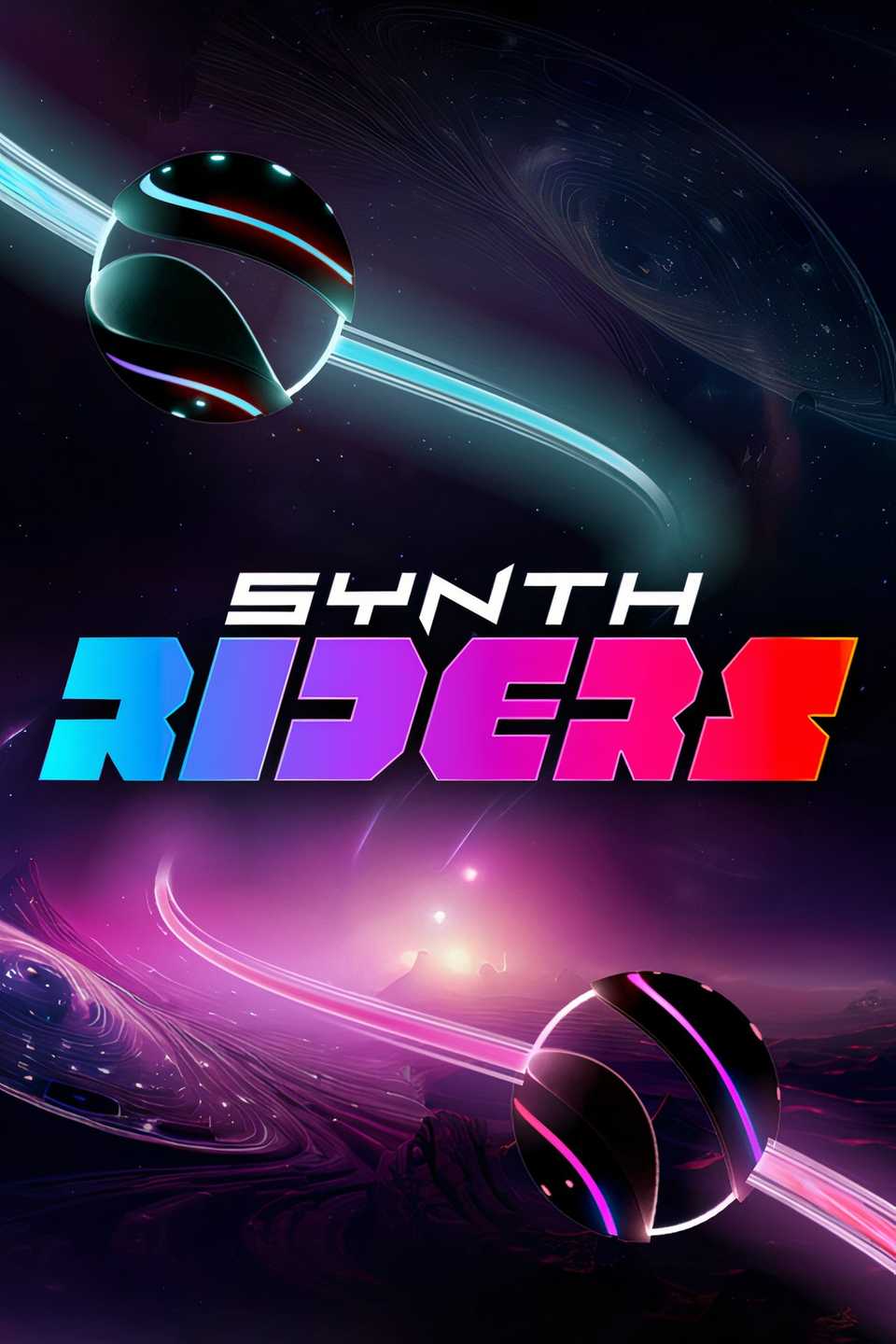
In the world of virtual reality rhythm games, the marriage between high-octane music and physical engagement is the ultimate goal. For Synth Riders, the acclaimed title from Kluge Interactive, this synergy has defined its eight-year journey. As the game continues to solidify its reputation as one of the premier "aerobic" rhythm experiences on the market, it has just announced its most ambitious expansion to date: a massive, thirteen-track DLC featuring the iconic, genre-defying sound of Linkin Park.
This release serves as more than just another content drop; it is a celebration of two decades of musical evolution, bringing the raw, cathartic energy of one of rock’s most influential bands into the immersive, neon-soaked arenas of virtual reality.
The Evolution of a VR Staple: Eight Years of Rhythm
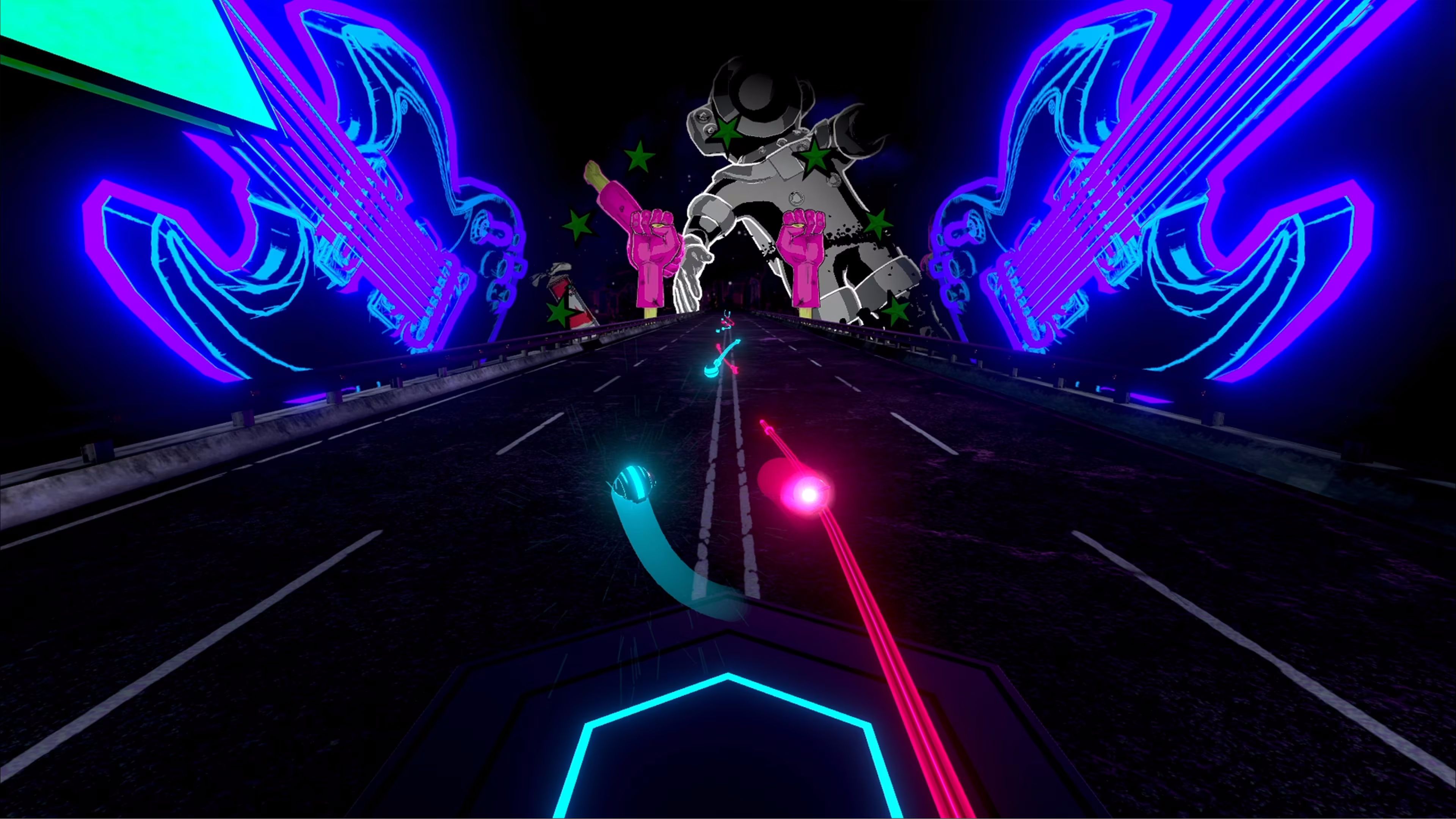
Since its inception in 2018, Synth Riders has evolved from an experimental indie project into a cornerstone of the VR ecosystem. Its gameplay loop—which tasks players with intercepting color-coded notes while weaving through complex, swirling obstacles—demands a level of fluidity that few other rhythm games can replicate.

Unlike static "hit-the-beat" titles, Synth Riders emphasizes a dance-like choreography. It transforms the player into a conductor of kinetic energy. Over the past eight years, the game’s library has expanded through a curated, eclectic mix of genres, including electro-swing, K-pop, and the pulsating soundtracks of indie classics like Crypt of the Necrodancer. With the addition of the Linkin Park pack, the game has officially pushed its library past the 200-song milestone, cementing its status as a robust platform for both music discovery and intense physical fitness.
Chronology: From Hybrid Theory to Virtual Reality
Linkin Park’s history is a complex narrative of innovation and resilience. Emerging from the late 90s, the band pioneered the "nu-metal" sound by blending hip-hop, industrial rock, and electronic elements. Their trajectory—from the meteoric rise of Hybrid Theory to the experimental soundscapes of A Thousand Suns and their recent, high-energy revival—mirrors the very evolution of digital music consumption.
The arrival of Emily Armstrong as a new vocalist has ushered in a "new era" for the band, a transition that has been met with critical acclaim and a surge in global popularity. By integrating a thirteen-track collection into Synth Riders, the developers have managed to bridge the gap between the band’s foundational hits and their modern-day resurgence. This DLC is designed as a retrospective, capturing the distinct "high-energy self-recrimination" that defined Chester Bennington’s legacy while embracing the band’s current, forward-looking trajectory.

Supporting Data: Breaking Down the DLC
The sheer scale of this release is significant. With thirteen tracks included, this represents the largest single-artist expansion in Synth Riders history. For players accustomed to smaller, three-to-five-song packs, this release feels like a foundational update.
Track List Highlights
The collection covers a broad spectrum of the band’s career, ensuring that long-time fans and new listeners alike find something to engage with. While the full list is extensive, the pack leans heavily into the band’s most recognizable anthems, optimized for the high-movement gameplay that Synth Riders requires.
Accessibility and Technical Integration
- Platform Availability: The DLC is available across all primary VR storefronts, including Steam, Meta Quest, and the PlayStation VR2.
- Pricing Strategy: Kluge Interactive has opted for a flexible consumer model. Tracks can be purchased individually for $1.99, or as a comprehensive bundle for $19.99 (with a limited-time launch discount).
- Engine Performance: Utilizing the Unity engine, the game ensures that the high-speed, swirling note tracks maintain perfect synchronization with the audio, preventing the input latency that can plague VR rhythm titles.
The Mechanics of Movement: Why Linkin Park Fits
Why does Linkin Park, a band known for emotional intensity and heavy instrumentation, work so well in a rhythm game? The answer lies in the "mechanical density" of their music.
In a rhythm game, "energetic" does not merely mean fast-paced. It refers to the presence of layers—percussion, synth hooks, and rhythmic vocal deliveries—that provide a roadmap for the player’s hands. Linkin Park’s music is famously layered. The interplay between Mike Shinoda’s rapping and the driving, distorted guitar riffs allows for a design where the player is constantly moving, dodging, and reaching.
This is the essence of the "aerobic" experience in Synth Riders. When the music hits its climax, the game’s "barriers" (the obstacles that force players to crouch or lean) become more frequent. It is effectively a choreographed dance. A user playing a twelve-song set is not just playing a game; they are engaging in a high-intensity interval training (HIIT) session, often without realizing it until the sweat starts to drip.
Official Perspectives: The Developer’s Intent
The team at Kluge Interactive has expressed that this collaboration was born out of a desire to push the boundaries of what is possible in VR. According to development spokespeople, the goal was not just to license the music, but to "curate an experience" that honors the legacy of the band.
"The music of Linkin Park has a unique ability to resonate with people on an emotional level," noted one developer during the press briefing. "By mapping that emotion to physical movement, we are allowing players to express that same intensity. It isn’t just about hitting targets; it’s about feeling the music through your entire range of motion."
The inclusion of Emily Armstrong’s contributions to the band’s recent catalog has also been a focal point. By including the newer material alongside the classics, the developers have ensured that the DLC acts as a living document of the band’s history, rather than a museum piece.
Implications for the VR Rhythm Genre
The release of this DLC has broader implications for the VR industry. As VR hardware becomes more refined—specifically with the haptic feedback and visual fidelity of the PSVR2—the "fitness-as-gaming" sector is seeing a massive influx of investment.
1. The Rise of "Gamified Fitness"
Synth Riders is no longer competing solely with other rhythm games; it is competing with dedicated fitness applications. By securing high-profile music licenses like Linkin Park, developers are proving that AAA-caliber music is the key to retaining users who want their workouts to be mentally stimulating.
2. The Longevity of Service-Based VR
The fact that Synth Riders is thriving in its eighth year is a testament to the "Games as a Service" (GaaS) model within the VR space. By maintaining a consistent cadence of high-quality DLC, developers can keep their player base engaged indefinitely. This model provides a blueprint for other developers looking to transition from one-off indie titles to long-term community-focused experiences.
3. The Cross-Generational Appeal
Linkin Park’s fanbase spans generations. By bringing their catalog to VR, Kluge Interactive is effectively opening the door for a demographic that may not have previously considered VR as a primary entertainment platform. This "nostalgia-plus-innovation" strategy is proving to be a highly effective way to grow the total addressable market for virtual reality gaming.

Conclusion: A New Standard for Immersive Audio
As we look toward the future, the Linkin Park DLC for Synth Riders stands as a high-water mark for the genre. It succeeds because it refuses to compromise on either the musical integrity of the artist or the physical demands of the gameplay.
Whether you are a long-time fan of the band or a newcomer to the VR rhythm scene, the experience of "performing" these tracks is transformative. It is a reminder that while the past of gaming is a rich, neon-drenched arcade history, the future of the medium is defined by this kind of active, immersive engagement. If this DLC is any indication, the ride is nowhere near over—and the next eight years of Synth Riders promise to be just as dynamic as the last.



 Muslim