Nana Muazin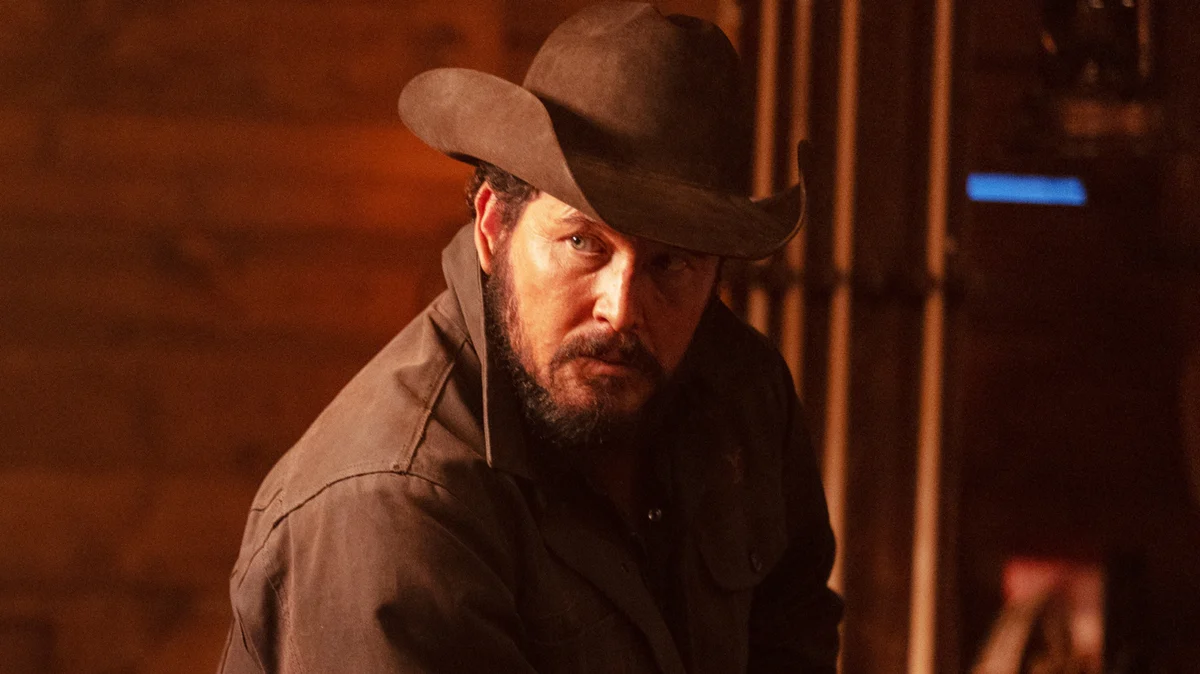
In the sprawling, high-stakes landscape of the Yellowstone universe, spin-offs often struggle to capture the lightning-in-a-bottle intensity of Taylor Sheridan’s flagship series. However, Dutton Ranch initially managed to carve out its own identity, offering a gritty, focused neo-Western that felt both distinct and familiar. Now, as the series reaches its seventh installment, it has delivered an episode that serves as both a masterclass in tension-building and a cautionary tale regarding narrative sprawl. By utilizing a "departure episode" format—a cousin to the classic, cost-effective bottle episode—the writers have managed to craft an hour of television that is as infuriating as it is exhilarating.
The Evolution of the "Bottle Episode"
To understand the significance of Dutton Ranch Episode 7, one must first appreciate the history of the format it adopts. Historically, the "bottle episode" was a pragmatic tool of the television industry; by confining the core cast to a standing set, productions could drastically reduce costs, allowing for more lavish expenditures elsewhere in the season.
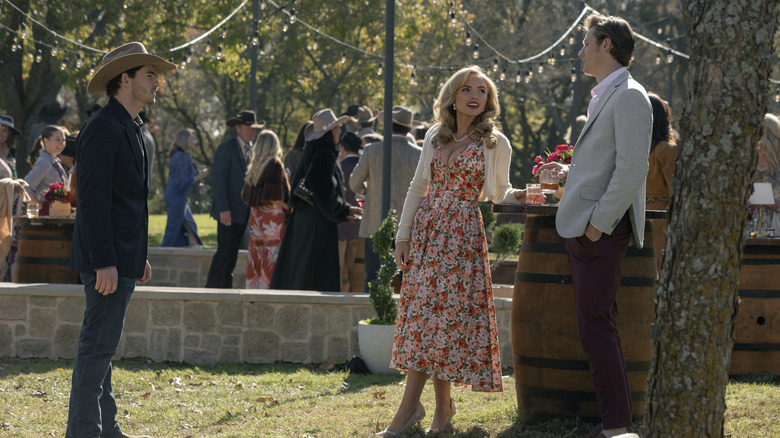
While the golden age of 26-episode broadcast seasons necessitated such frugal storytelling, the streaming era has largely rendered the format obsolete. Today’s prestige dramas, backed by deep-pocketed streamers, rarely feel the need to constrain their characters to a single location. Yet, Episode 7 of Dutton Ranch proves that the format remains a potent storytelling device. By centering almost all of the action around a lavish anniversary celebration at the 10 Petal Ranch, the showrunners have stripped away the distractions of the open range to focus on the psychological unraveling of their characters. It is not a traditional, single-room bottle episode, but rather a "departure episode"—a narrative pivot that forces the ensemble to confront one another in a pressure-cooker environment.
A Chronology of Chaos: The Anniversary Gala
The episode’s structure is deceptively simple: a celebratory party at the 10 Petal Ranch serves as the anchor, but the narrative is tethered to key revelations from the past.
The Past: Foundation of the Trauma
The episode masterfully interweaves two major flashback sequences featuring a young Beulah Jackson (played by the luminous Rebeca Robles) and a young Mariano Reyes (Bobby Soto). These sequences provide the emotional scaffolding for the present-day drama, offering viewers a glimpse into the complicated, often tragic history that built the 10 Petal empire. The casting of Robles is a particular triumph; her ability to mirror the intensity of Annette Bening, who portrays the older Beulah, is nothing short of uncanny. These scenes do more than fill in the gaps; they provide a moral complexity that makes the current-day antagonists feel like fully realized human beings rather than mere obstacles for the Duttons.
The Present: A Gala Gone Wrong
As the narrative shifts to the modern-day celebration, the tone turns from nostalgic to incendiary. The party, intended as a display of 10 Petal’s dominance, becomes the stage for a series of catastrophic personal failures. The tension spikes when Carter Green (Finn Little), reeling from his rejection by Oreana Lynn Jackson (Natalie Alyn Lind), spirals into a drunken rampage. This outburst acts as a catalyst for a medical emergency—a stroke that leaves Beulah in a precarious state—and shatters the veneer of civility that had been holding the rival families together.
Simultaneously, the return of Rob-Will Jackson (Jai Courtney) introduces a cold, calculated element of blackmail. By leveraging his mother’s fragile health and past secrets, Rob-Will forces a power grab that threatens to displace the rightful heir, Joaquin Reyes (Juan Pablo Raba).
Supporting Data and Narrative Shifts
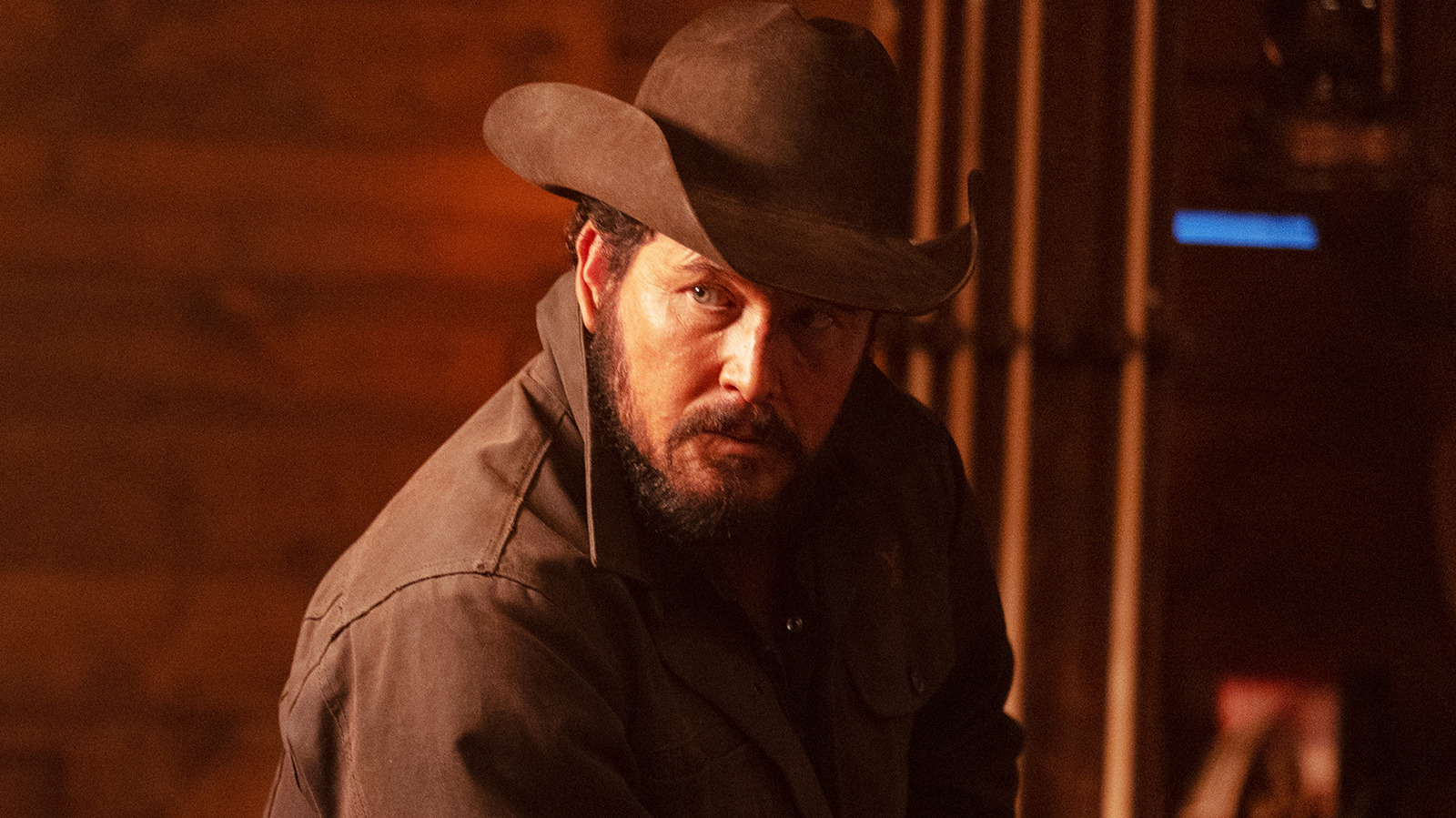
When Dutton Ranch debuted, it was praised for its streamlined premise: the upstart ranching operation of Beth Dutton (Kelly Reilly) and Rip Wheeler (Cole Hauser) battling the established power of the 10 Petal Ranch. It was a classic "David vs. Goliath" story that felt grounded in the harsh realities of Texas ranching.
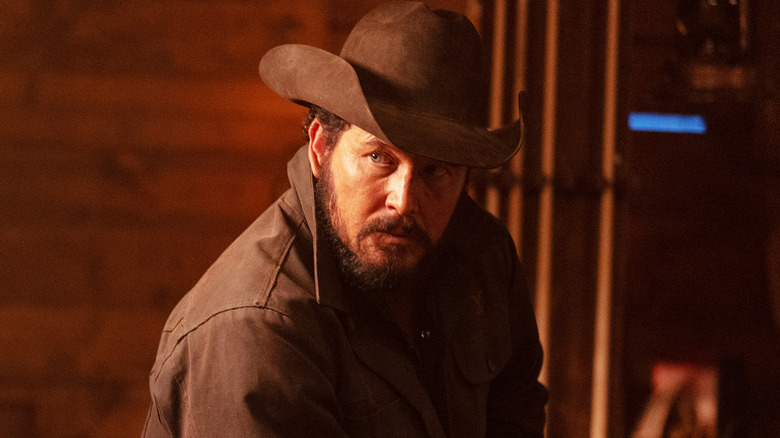
However, the narrative trajectory changed drastically in Episode 5. Following the tragic destruction of the Dutton herd due to a foot-and-mouth disease outbreak, Beth and Rip were forced into an uneasy, and perhaps strategic, alliance with their rivals. While this move provided a temporary plot twist, it inadvertently gutted the core tension that had defined the show’s first four episodes.
The data of audience engagement suggests that while the show’s melodrama remains high, the clarity of its premise has suffered. The "ranch vs. ranch" tension has been replaced by a murky, interior conflict. Are Beth and Rip attempting to dismantle 10 Petal from within, or have they truly been absorbed by the very power structure they sought to destroy? Episode 7 fails to answer these questions, instead choosing to focus on the internal decay of the Jackson and Reyes families.
Implications: A Show at a Crossroads
The implications for the final two episodes of the season are significant. By shifting focus away from the protagonists—Beth and Rip remain notably peripheral throughout this episode—the writers are taking a massive gamble. The audience is left wondering if the show’s central conflict will be resolved or if it will be sacrificed on the altar of soap-operatic spectacle.
Is the Show Overstuffed?
There is a growing concern among critics and fans alike that Dutton Ranch is suffering from an embarrassment of riches—or, more accurately, a confusion of priorities. With the subplot of Oreana’s shifting allegiances—revealing she may be more like her father, Rob-Will, than her mother—the narrative is becoming increasingly cluttered.
The show is essentially asking the audience to balance:
- The Legacy Plot: The backstory of Beulah and Mariano.
- The Succession Plot: The battle between Rob-Will and Joaquin.
- The Sabotage Plot: The lingering question of whether Beth and Rip are truly spies within the 10 Petal camp.
- The Romantic/Social Plot: The fallout of the Carter/Oreana dynamic.
With only two episodes remaining, the writers have a Herculean task ahead of them. If they fail to synthesize these threads, the series risks ending on a note of frustration rather than resolution.
Conclusion: The Thrill of the Uncertainty
Despite the narrative confusion, Episode 7 remains a "confusing thrill." The quality of the performances—particularly from Jai Courtney and the younger cast members—ensures that even when the plot becomes convoluted, the stakes feel high. The episode proves that Dutton Ranch is still capable of delivering powerful individual scenes that harken back to the best days of Yellowstone.
However, as the series approaches its finale, the question remains: Can a show that has moved so far from its original, efficient premise manage to stick the landing? Whether the climax involves the collapse of the 10 Petal Ranch or a final, devastating showdown for the Duttons, the audience’s patience is being tested. We are witnessing a television show that is simultaneously at its artistic peak and its structural breaking point. For fans of the genre, it is an essential, if exhausting, watch—a reminder that in the world of high-stakes melodrama, the most dangerous thing you can do is hold a party where all your enemies are invited.

 Nana
Nana