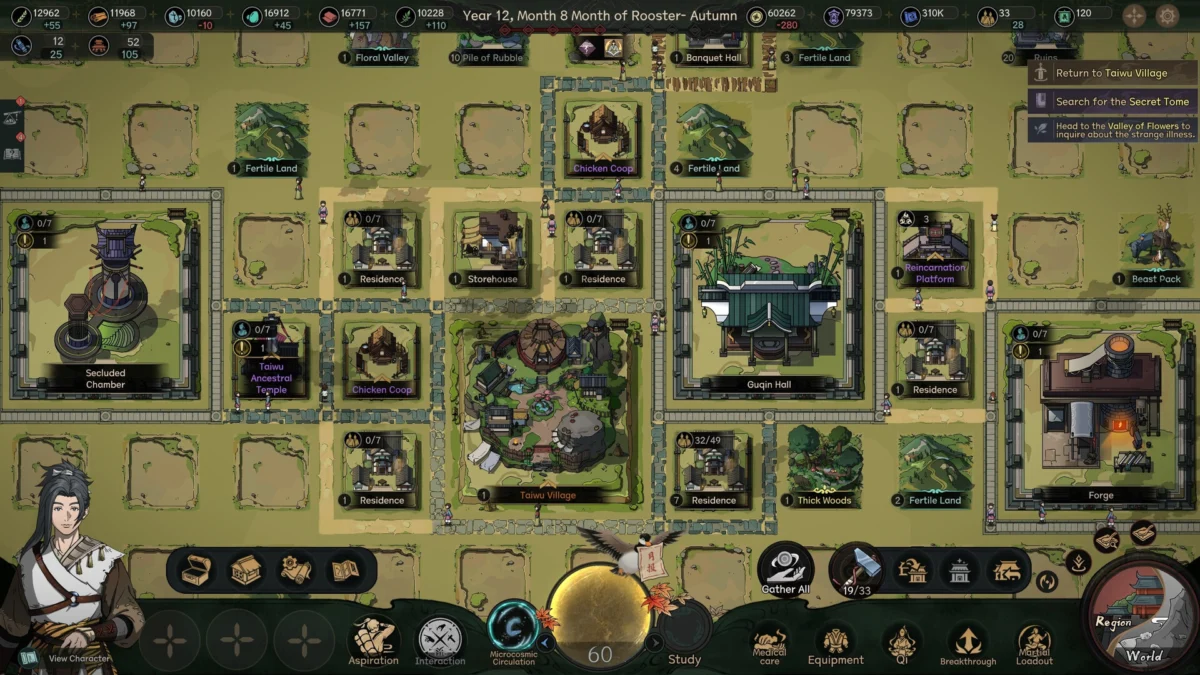
Long before the global gaming stage was captivated by the high-fidelity spectacle of Black Myth: Wukong or the kinetic, stylized combat of Phantom Blade: Zero, a quiet revolution was already taking place within the Chinese independent game scene. In 2018, a complex, sprawling, and deeply intricate title titled The Scroll of Taiwu emerged in Steam Early Access. It was not a flashy action-adventure game, nor was it a polished AAA production. Instead, it was a dense, systems-heavy simulation that demanded patience, cultural literacy, and an extraordinary capacity for learning.
Eight years later, The Scroll of Taiwu has finally hit its 1.0 release. This milestone is more than just a version number change; it represents the culmination of a grueling, decade-long development journey that mirrors the broader evolution of the Chinese PC gaming industry. As the world finally turns its eyes toward the East, The Scroll of Taiwu stands as a testament to the fact that deep, uncompromising design can resonate far beyond its country of origin.
The Genesis of a Cult Phenomenon: A Chronology
The story of The Scroll of Taiwu is inextricably linked to its creator, Zheng Jie, and the studio, ConchShip Games. When the game first appeared on Steam in 2018, it arrived with little fanfare but quickly captured the imagination of the domestic Chinese market.
Unlike many modern titles that focus on streamlined "onboarding," The Scroll of Taiwu threw players into the deep end. Drawing heavy inspiration from the Wuxia genre—a tradition of Chinese martial arts fantasy—the game tasked players with managing a lineage of warriors tasked with stopping a great evil.
The developmental timeline reflects the game’s sheer scale:
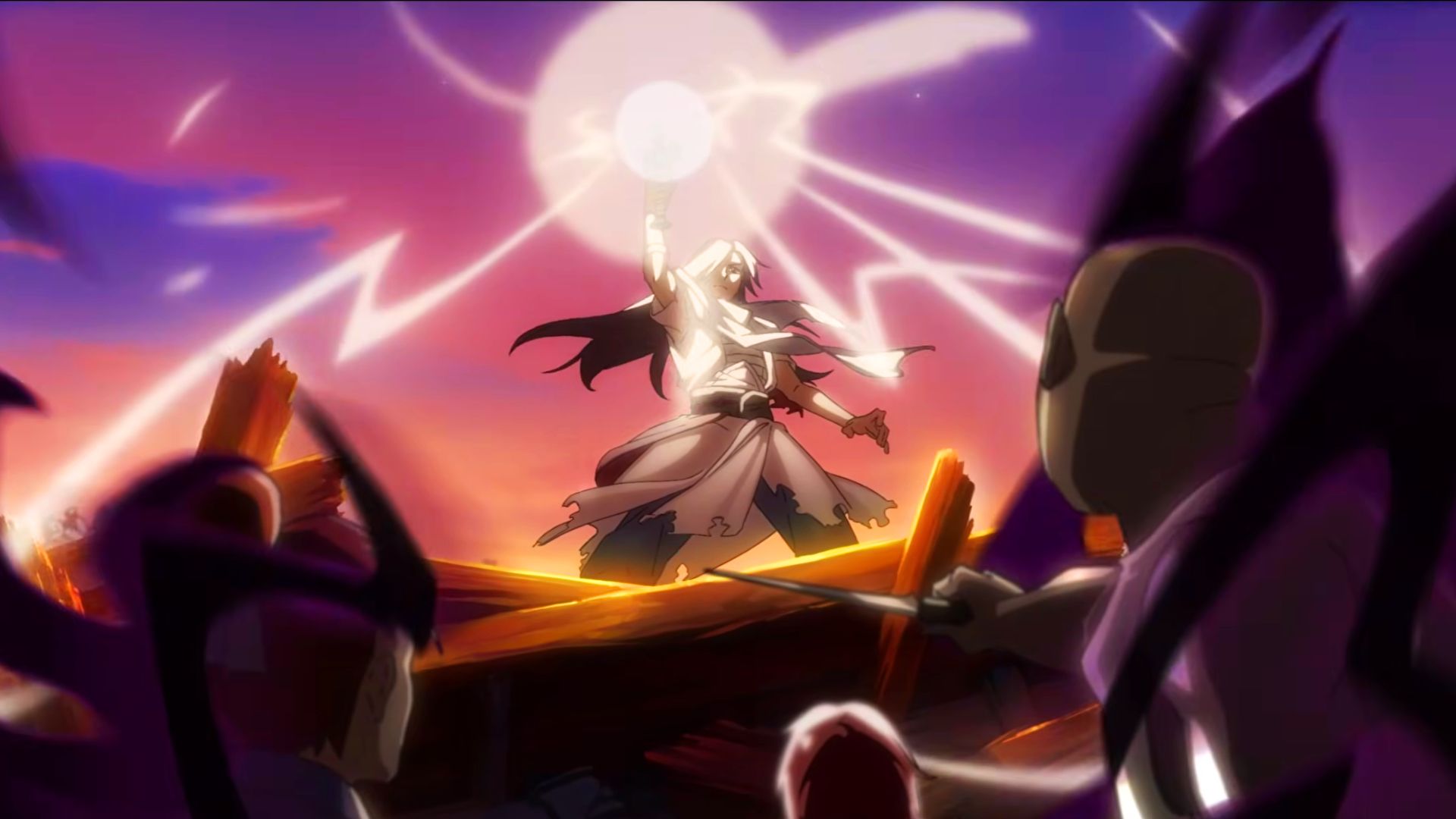
- 2016–2018: Early conceptualization and prototyping phase, focusing on procedural generation and the complex web of life-simulation mechanics.
- September 2018: The game enters Steam Early Access, rapidly accumulating millions of sales and a fervent domestic player base.
- 2019–2022: A period of significant expansion. The team struggled with the "feature creep" inherent in such a massive simulation, with creator Zheng Jie famously pushing to add more mechanics, text, and systems, leading to a long and demanding development cycle.
- 2022–2024: The refinement phase. The studio shifted focus toward optimizing the engine, refining the UI, and, crucially, addressing the language barrier that had kept the game largely sequestered within China.
- Late 2024: The 1.0 official launch, bringing long-awaited English localization and a "finished" state to the core gameplay loops.
Understanding the Beast: Mechanics and Depth
To understand The Scroll of Taiwu is to understand a game that refuses to be categorized. Publishing advisor Leye "Yager" Yu, who has been instrumental in the game’s push to international markets, describes the experience as a hybrid of Crusader Kings 2, Kenshi, and Baldur’s Gate.
The game’s depth is its defining feature. It is not an action game in the traditional sense; it is a simulation of a martial artist’s life. Players must manage town resources, engage in complex social relationships, navigate diplomatic tensions between various martial arts sects, and study ancient techniques.
The simulation is granular. Characters age, die, and pass their legacy on to successors. The choices made by a player in the early game can have profound, cascading effects on the world state decades later. This is not a game you "beat" in a weekend; it is a world you inhabit. As Yager candidly admits, "The first two hours of gameplay is kind of boring." This is a bold admission for a modern developer, but it speaks to the game’s philosophy: it is a slow burn that rewards the persistent with a lifetime of mechanical depth.
Bridging the Language Gap: The Localization Challenge
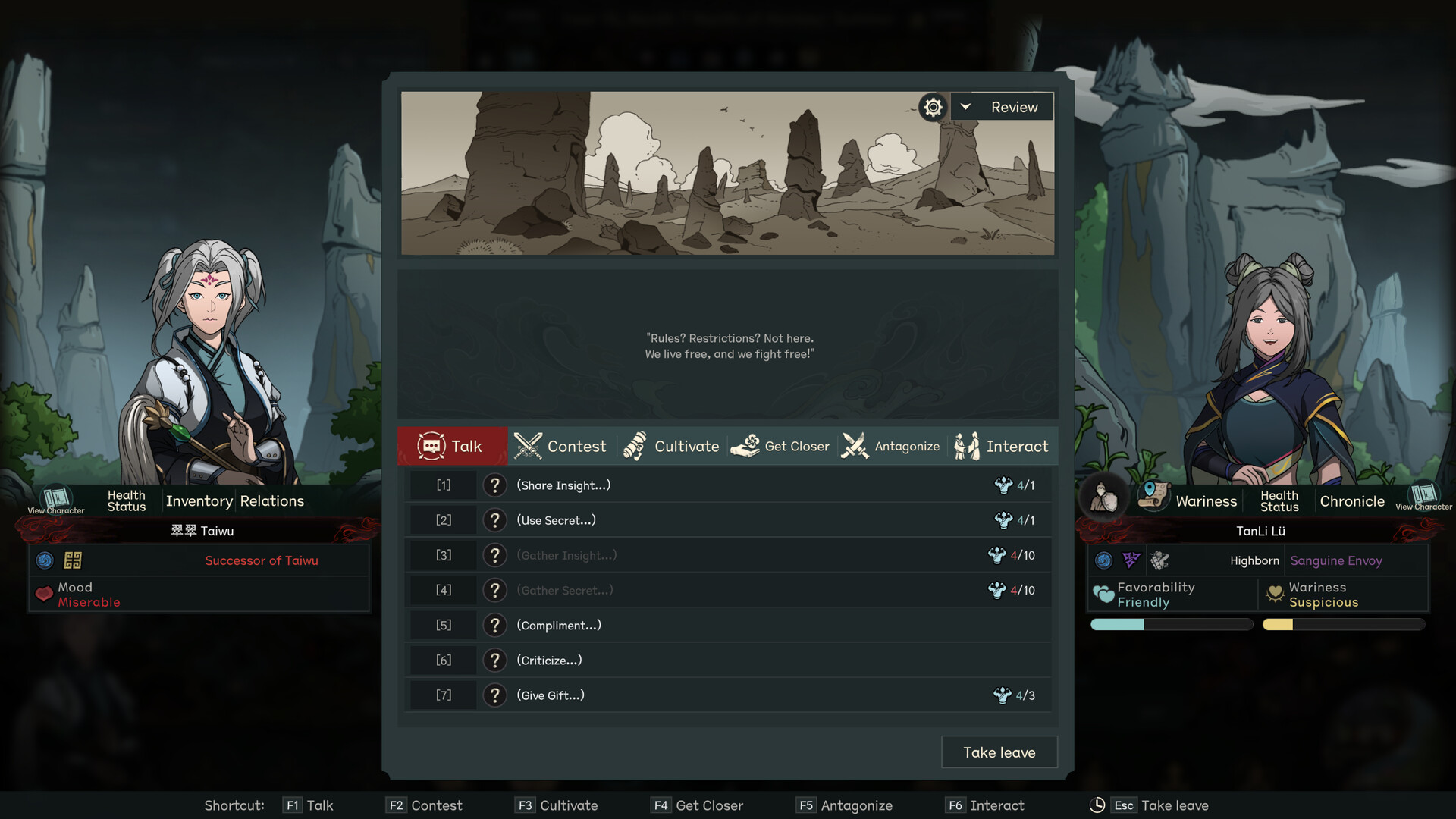
One of the most significant barriers to The Scroll of Taiwu’s international success has been its sheer volume of text. With over 5 million words in its script—a volume rivaling the most dense western RPGs—the task of localization was a Herculean effort.
For years, the game remained a "hidden gem" that Western players could only access through fan-made patches or by struggling through the original Chinese interface. The decision to include official English localization in the 1.0 release is a strategic pivot. It acknowledges that the global market is ready for a more authentic, unfiltered look at Chinese mythology and Wuxia culture.
Yager notes that while the English localization is a work-in-progress, it is the vital key to unlocking the game for a wider audience. The goal is to move past the surface-level tropes and allow players to engage with the unique, culturally specific storytelling that has made the game a hit in China.
The "Stubborn" Visionary: Official Perspectives
The development of The Scroll of Taiwu has been characterized by the singular, often uncompromising vision of its creator, Zheng Jie. In the industry, "stubborn" can often be a pejorative term, but in the context of The Scroll of Taiwu, it is a necessity.
Yager, who initially resisted helping publish the game due to the sheer difficulty of communicating its complex mechanics to the public, eventually found himself hooked, logging over 1,200 hours in the game. He speaks of Zheng Jie with a mixture of exasperation and profound respect: "Only a stubborn guy like him can make a game that unique, that contains that many mechanics, that much text, gameplay, and joy for players."
This internal tension—the constant push to add, refine, and expand—is what gave the game its soul. While a more commercial studio might have trimmed the fat to ensure a faster release, ConchShip Games chose to let the project grow until it was fully realized.
Implications for the Chinese Gaming Landscape
The success of The Scroll of Taiwu carries significant implications for the future of Chinese indie development. For years, the global perception of Chinese gaming was dominated by mobile titles or outsourced support work. That era has ended.
The "wave" of Chinese games hitting Steam is not a temporary trend; it is the result of a maturation process. Games like Black Myth: Wukong have brought massive mainstream visibility, but The Scroll of Taiwu provides the blueprint for how indie developers can succeed by leaning into their heritage. It proves that there is a global appetite for:
- Cultural Authenticity: Players are increasingly seeking stories that aren’t just Western-centric or derived from standard high-fantasy tropes.
- Mechanical Complexity: There is a robust, vocal community of gamers who crave deep systems that respect their intelligence, rather than simplified, "streamlined" experiences.
- Indie Sustainability: The success of Taiwu demonstrates that a small, dedicated team can create a sustainable, long-term hit if they are willing to foster a community and maintain their vision over years, not just months.
A Future Built on Legacy
As the team at ConchShip Games continues to patch, refine, and improve the English localization, the future of The Scroll of Taiwu looks brighter than ever. The developers are focused on community-driven growth, relying on word-of-mouth and the organic discovery of the game by streamers and enthusiasts.
For Yager, the game is more than just a product; it is a proof-of-concept. "This game didn’t just inspire the indie game developers in China," he says. "The game gives them the idea that if you do something really deep, if you do something really concentrated with indie games, you can have success."
The Scroll of Taiwu is not for everyone. It is a dense, sometimes overwhelming, and often demanding experience. However, for those who are willing to climb its steep learning curve, it offers a window into a rich, complex world that few other games have dared to recreate. It is a monument to the idea that in the world of gaming, true depth is the ultimate form of innovation. As the credits roll on the version 1.0 update, the game doesn’t feel like an ending, but rather the beginning of its next life—this time, on the global stage.