Nana Muazin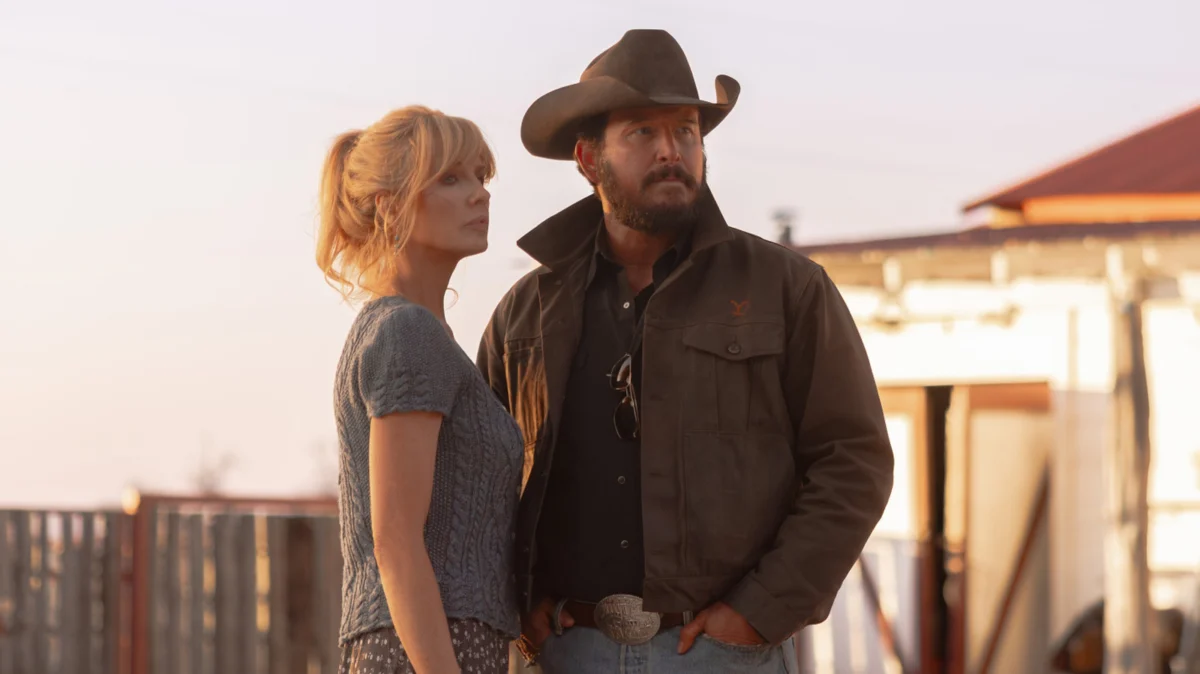
The sprawling, rugged universe created by Taylor Sheridan continues to dominate the television landscape, evolving from the singular powerhouse of Yellowstone into a complex web of interconnected narratives. As both Dutton Ranch and Marshals conclude their inaugural seasons, fans are noticing a striking narrative synchronicity. With both shows utilizing high-stakes kidnapping arcs as their season-ending cliffhangers, the stage has been set for what appears to be an inevitable, high-octane crossover event.
For the legions of viewers invested in the Dutton legacy, this is no longer just speculation; it is a structural necessity for the narrative trajectory of the franchise.
Main Facts: The Narrative Convergence
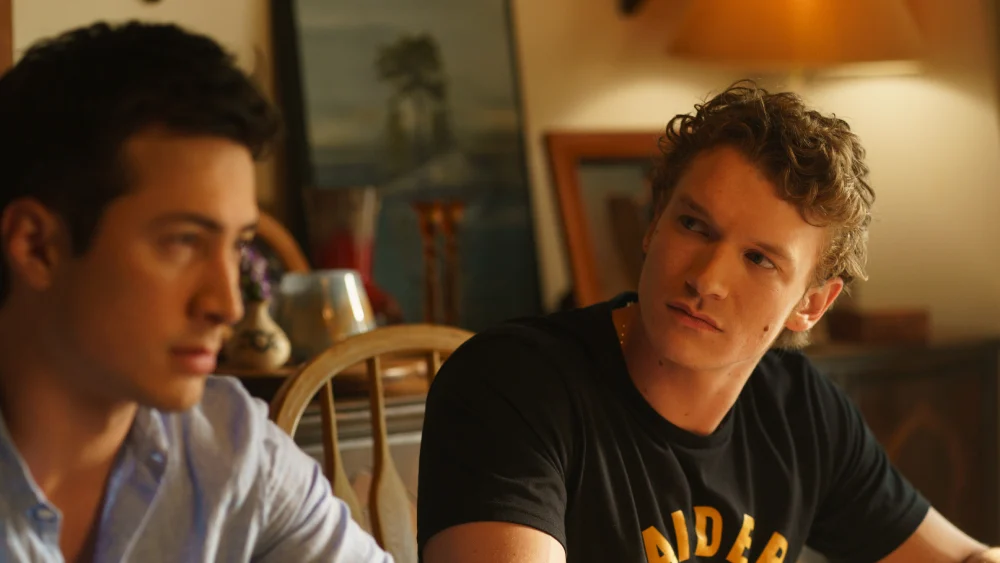
The primary driver for a potential crossover lies in the parallel crises facing the central families of the two series. In the Marshals season finale, the tension reached a boiling point when Tate Dutton (Brecken Merrill) was abducted by the duplicitous rancher Tom Weaver. Weaver’s motive is classic neo-Western villainy: using the boy as leverage to extort Kayce Dutton (Luke Grimes) out of his East Camp property.
Simultaneously, Dutton Ranch concluded its first season with an equally harrowing event. Following a violent confrontation between the Duttons and a cartel crew led by Mariano Reyes (Raoul Trujillo), the cartel retaliated by kidnapping Carter Green (Finn Little). As the dust settled on the season finale, the mission statement for the protagonists of both shows became identical: recover the children at any cost.
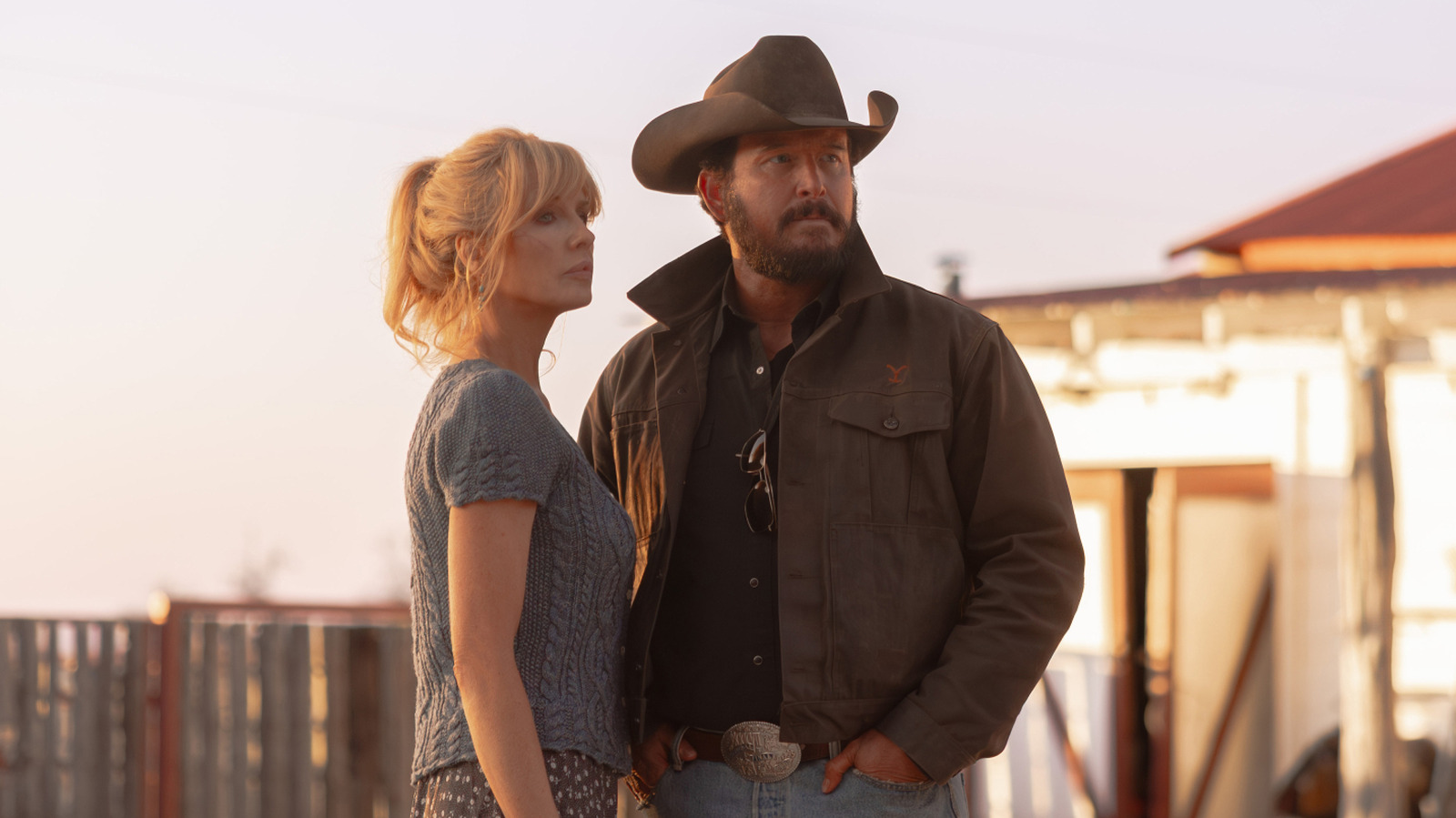
The geographical proximity and the thematic overlap—law enforcement tactics meeting the brutal, frontier-justice ethos of the Duttons—create the perfect environment for a joint operation. With Rip Wheeler (Cole Hauser) and Beth Dutton (Kelly Reilly) already established in the Texas landscape, the logistical hurdles for a crossover have effectively vanished.
Chronology: A Season of Escalation
To understand why a crossover is imminent, one must look at the trajectory of the 2026 television season.
- Early 2026: Marshals debuts on CBS. Despite a somewhat uneven start, the series secures massive viewership numbers, proving that the appetite for the Yellowstone brand remains insatiable.
- June 2026: Dutton Ranch is officially renewed for a second season, solidifying its place as a critical and commercial pillar of the Paramount+ lineup.
- Mid-2026: As both series progress, Marshals focuses on Kayce’s transition into a seasoned law enforcement operative, while Dutton Ranch leans into the visceral, high-stakes drama that defined the original Yellowstone series.
- Season Finale Windows: Both shows choose to conclude their first seasons with the kidnapping of a young Dutton heir. This mirroring of plot points acts as a "Chekhov’s Gun"—in the world of television production, such a blatant alignment of stakes rarely happens by accident.
Supporting Data: Why the Crossover Works
The argument for a crossover is bolstered by the distinct "flavors" of the two shows. Marshals has leaned heavily into the procedural format, functioning as a traditional law enforcement drama. Dutton Ranch, by contrast, has been lauded for capturing the gritty, neo-Western spirit of the original Yellowstone.
Bringing these two worlds together provides a unique opportunity for creative synergy. Kayce Dutton, having spent the entirety of Marshals Season 1 honing his tactical and investigative skills, is now the perfect bridge between the two formats. His "Navy SEAL" background, which the writers have emphasized, provides the tactical muscle needed to assist Beth and Rip—who are known more for their ruthless, scorched-earth approach to conflict.
Furthermore, the audience data suggests that fans of the Yellowstone universe are not siloed. Viewership overlaps between the two shows are significant, and social media sentiment confirms that the most requested plot development is the re-integration of the core Dutton family members.
Official Responses and Behind-the-Scenes Enthusiasm
The cast members themselves are fueling the fire. In a recent, wide-ranging interview with TV Insider, Kelly Reilly discussed the emotional toll of the Dutton Ranch finale and the potential for future character interactions.
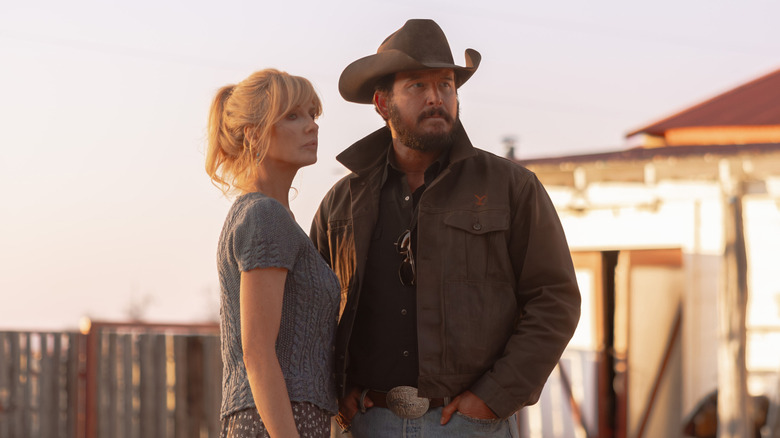
"I would absolutely imagine that there’ll be some checking in on [Beth’s] brother," Reilly remarked, openly acknowledging that the lack of interaction in the first season was a "missed opportunity."
Cole Hauser has echoed similar sentiments, noting that the intensity of the characters—particularly Rip and Beth—is best served when they are forced to deal with external threats that challenge their control over the ranch. If the cast is signaling a desire for these worlds to collide, it is highly probable that the writers’ room is already mapping out the logistics. The creative team, under the overarching vision of Taylor Sheridan, has historically been responsive to the organic development of their characters, and the "family-under-threat" trope is a staple of their storytelling.
Implications: The Future of the Yellowstone Universe
The implications of a Dutton Ranch and Marshals crossover are profound. Firstly, it would serve as a "re-assertion of power" for the Dutton dynasty. After a period of fragmentation following the conclusion of the original Yellowstone series, a joint mission would signal that despite the geographical spread, the family remains a unified, formidable entity.
Challenges of Tone and Style
However, the marriage of these two shows will not be without its challenges. Marshals has often struggled to find its identity, veering between procedural tropes and serialized character drama. Dutton Ranch has been more focused, delivering the kind of high-stakes, "premium" television that fans expected.
There is a genuine concern among critics that the more grounded, procedural nature of Marshals could dilute the intensity of Dutton Ranch. Conversely, the success of a crossover depends on the writers’ ability to elevate the Marshals narrative to the level of the Dutton Ranch intensity. If done correctly, the crossover could serve as a "soft reboot" for Marshals, effectively importing the darker, more visceral tone of the Dutton Ranch writers to save the series from its procedural malaise.
The "Rampage" Factor
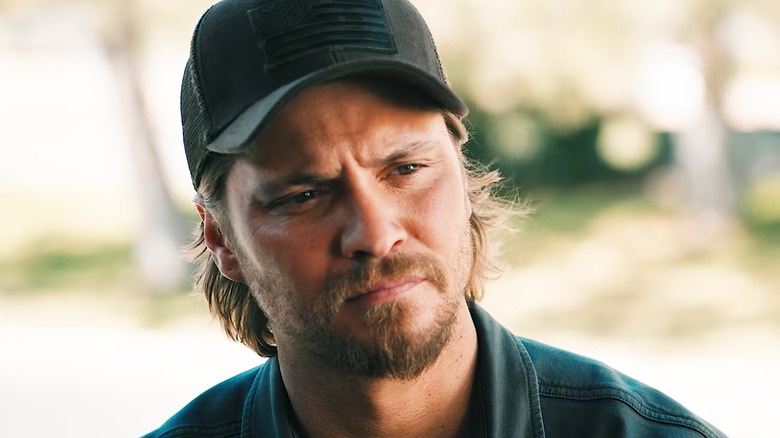
The closing moments of Dutton Ranch Season 1, where Rip and Beth vow that the cartel will "f**ing get us," suggest a trajectory of extreme violence. When this is juxtaposed with the kidnapping of Tate in Marshals*, the narrative path is clear: a three-way alliance between Kayce, Rip, and Beth is the only logical conclusion.
The fans want to see the Duttons at their most dangerous. A crossover allows the producers to deliver exactly that: a cross-state, multi-front war against the enemies of the family. By combining the investigative resources of a Marshal with the raw, unchecked power of the Dutton ranch hands, the showrunners can create a spectacle that feels earned rather than forced.
Conclusion: A New Frontier
As we look toward the second seasons of both shows, the horizon is filled with the dust of horses, the roar of engines, and the unmistakable sound of the Duttons coming for blood. The "perfect excuse" has been provided, the stakes have been set, and the actors are eager to reunite.
Whether this crossover occurs as a two-part event, a recurring guest-star arrangement, or a permanent merger of narratives, one thing is certain: the Yellowstone universe is preparing for its most significant expansion yet. The kidnap-and-rescue dynamic has provided the catalyst, but the enduring appeal of these characters will be what keeps the audience riveted. For the Duttons, family is everything—and when family is taken, the law is merely a suggestion. It is time for the clans to reunite, for the scores to be settled, and for the Dutton name to be written, once again, in fire and grit across the American West.


 Muslim