Rifan Muazin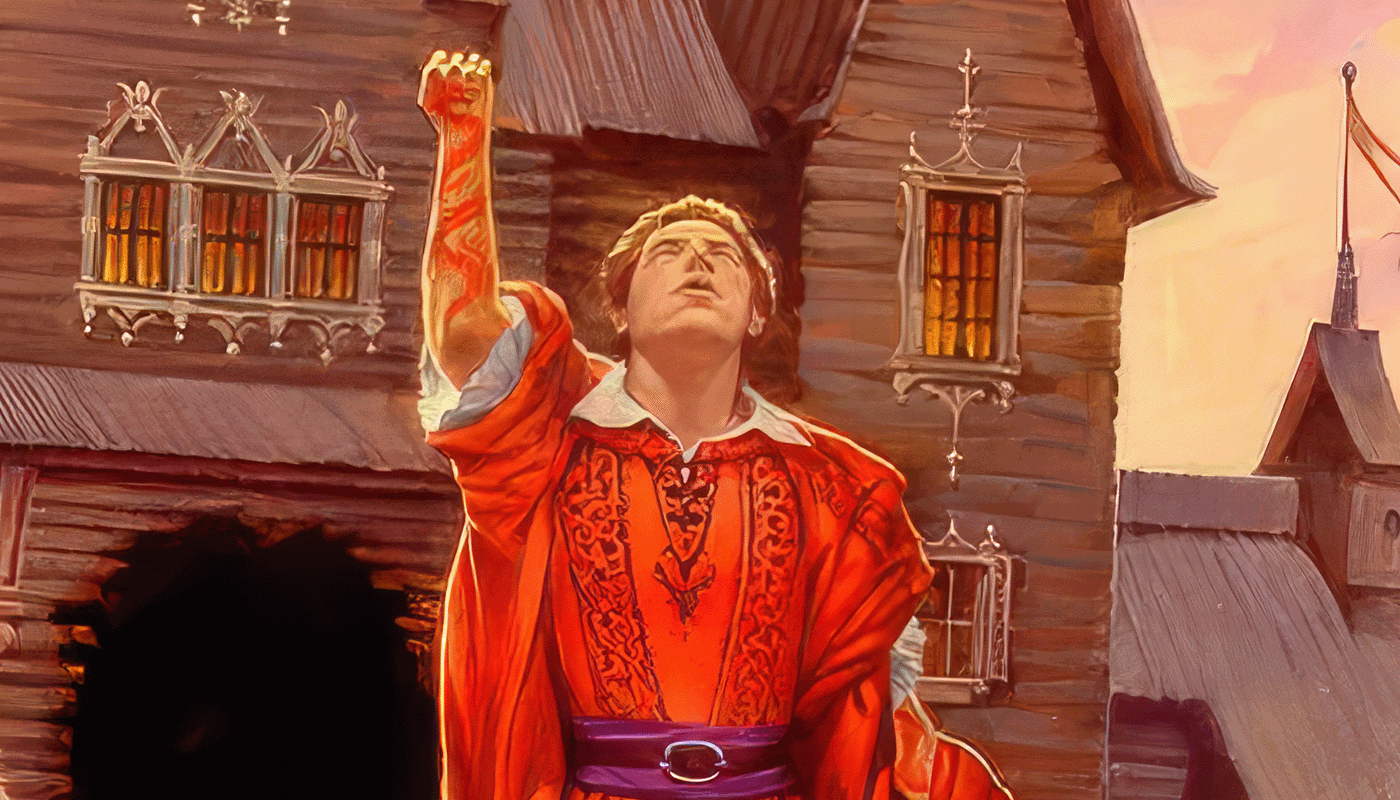
In the landscape of modern literary analysis, few characters have provided as fertile a ground for examining the complexities of mental health as Rand al’Thor, the central protagonist of Robert Jordan’s The Wheel of Time. While the series is categorized as high fantasy, its core narrative—the struggle of a man forced into an identity he never sought—mirrors the real-world experiences of millions grappling with childhood trauma, internalized self-loathing, and the persistent "inner voice" of doubt.
For many readers, the journey of the Dragon Reborn is not merely a chronicle of defeating an ancient evil, but a deeply relatable study in how early experiences shape, and sometimes distort, our sense of self. By interrogating the parallels between personal psychological development and Rand al’Thor’s harrowing path, we can uncover profound truths about the nature of identity and the resilience required to reclaim one’s own voice.
The Roots of Distorted Identity
From a young age, many individuals internalize a dangerous, foundational belief: that a failure in action is equivalent to a failure in being. When a mistake is not perceived as a situational error, but as a reflection of one’s inherent worth, the resulting cognitive distortion can be debilitating. This internalization often occurs before a child possesses the vocabulary to articulate their feelings, leading to a "cemented identity" that persists well into adulthood.
For the author of this experience, the developmental years were marked by a lack of external intervention. The subtle, unintentional messages from the surrounding environment—that conformity and success are the primary metrics of human value—acted as a catalyst for a lifelong struggle with self-worth. This is exacerbated when an individual occupies space as "other" in a society that views them as deviant, such as those identifying as queer or neurodivergent in restrictive, rural environments. The tragedy lies not in the existence of these external pressures, but in the lack of guidance provided to navigate them, allowing a simple childhood misunderstanding to solidify into a rigid, self-defeating identity.
Chronology of a Mental Siege: The Influence of Ishamael
Rand al’Thor’s journey serves as a macrocosm for this internal struggle. Before he ever accepted the mantle of the Dragon Reborn, his identity was already being besieged by external forces. He grew up in a culture that held deep-seated, superstitious fears regarding the Dragon, equating the savior of the world with the very darkness he was destined to oppose.
The Planting of Seeds
The primary architect of Rand’s psychological unraveling was Ishamael, the primary antagonist masquerading as the Dark One. Ishamael did not merely attack Rand physically; he infiltrated his dream-space. By whispering constant warnings of betrayal, despair, and the inevitability of defeat, Ishamael effectively gaslit Rand. These interventions occurred long before Rand had the training to defend his own psyche, setting a foundation of paranoia that would amplify every subsequent trauma he faced.
The Compounding Effect of Trauma
Rand’s life is a catalogue of systematic psychological dismantling:
- Supernatural Isolation: The constant pursuit by Darkfriends and the physical toll of unhealing wounds created a state of perpetual "fight or flight."
- The Weight of Prophecy: The Karaethon Cycle, often misinterpreted by Rand as a death warrant, reinforced the belief that his life was not his own to live, but a sacrifice already claimed by the Pattern.
- The Taint of Saidin: Perhaps the most potent metaphor for mental health decline in the series, the corruption of the male half of the One Power directly contributed to a state of destructive rage and paranoia, effectively mirroring the experience of those suffering from unmanaged, severe mental illness.
Supporting Data: The Dual Consciousness of Lews Therin
One of the most complex aspects of Rand’s mental state is the voice of Lews Therin Telamon. Whether interpreted as a literal past-life consciousness or a manifestation of dissociative identity as a byproduct of extreme trauma, the function of the voice is clear: it acts as both an antagonist and a vital component of the psyche.
Initially, the voice is a source of agony, echoing Rand’s own grief and self-hatred. However, as Rand approaches the nadir of his existence—standing upon the slopes of Dragonmount with the power to destroy the Pattern—the voice shifts in purpose. It provides the necessary push for Rand to confront his repressed emotions. This progression illustrates a critical psychological insight: the voices of our past trauma, while initially harmful, can, if integrated and understood, become catalysts for healing. Rand’s eventual realization—that he and Lews Therin are not two separate people, but one—marks the beginning of his true psychological liberation.
Official Interpretations and Therapeutic Perspectives
Modern therapeutic practices emphasize the importance of externalizing the "inner critic." When a patient can label the voice in their mind that whispers messages of failure, they strip that voice of its power. The clinical approach suggests that this voice is not an intrinsic part of the self, but an "interloper"—a relic of past trauma or societal conditioning attempting to protect the individual from perceived threats through maladaptive means.
The author’s journey, aided by professional therapy, mirrors this technique. By naming the voice "Moridin"—the name of the entity that represents death and the ultimate, defeated shadow—the patient reclaims control. Unlike the terrifying, abstract concept of the "Dark One," naming the voice allows the individual to see it as a diminished, pathetic version of a former self. It acknowledges the voice’s power while simultaneously rendering it less than the self.
Implications for Resilience and Self-Actualization
The story of Rand al’Thor and the personal account provided here lead to several crucial implications for anyone struggling with an internalized sense of being "wrong."
The Myth of Perfectionism
Both the fantasy hero and the real-world individual often attempt to create a "mask" to protect themselves from perceived destruction. This people-pleasing and performative perfectionism is a defense mechanism. The realization that the mask is not a shield, but a cage, is the first step toward genuine resilience.
Accepting the Protective Role of Fear
While the "inner critic" may be a liar, other aspects of our internal monologue, such as anxiety or fear, often emerge from a genuine desire to protect us from harm. Learning to acknowledge these feelings without allowing them to dictate our actions is the hallmark of emotional maturity. As seen in Rand’s growth, the path to strength is not about hardening oneself until one becomes brittle, but rather opening oneself to the world—accepting both the potential for pain and the capacity for joy.
The Power of Integration
True healing does not involve excising the parts of ourselves we deem "weak" or "bad." Instead, it requires the integration of these experiences. Just as Rand al’Thor had to reconcile his identity as a shepherd with his role as the Dragon Reborn and his memories of Lews Therin, we must accept the entirety of our history.
In conclusion, the battle against the "Father of Lies"—the internal voice that tells us we are destined for failure—is a constant, ongoing struggle. It is a battle that requires the courage to face our own demons, the patience to understand our own history, and the wisdom to trust that our capacity for love and resilience is greater than any whisper of despair. Like the Dragon Reborn, we are not defined by the shadows that have been cast upon us, but by the light we choose to carry forward into the next turning of the wheel.

 Nila Kartika Wati
 Nana Muazin