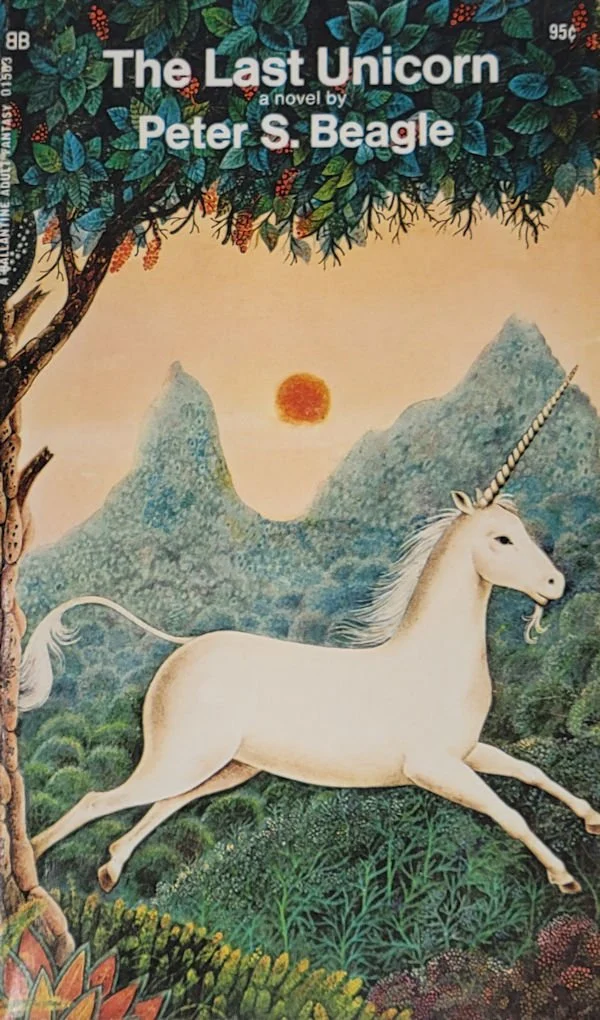
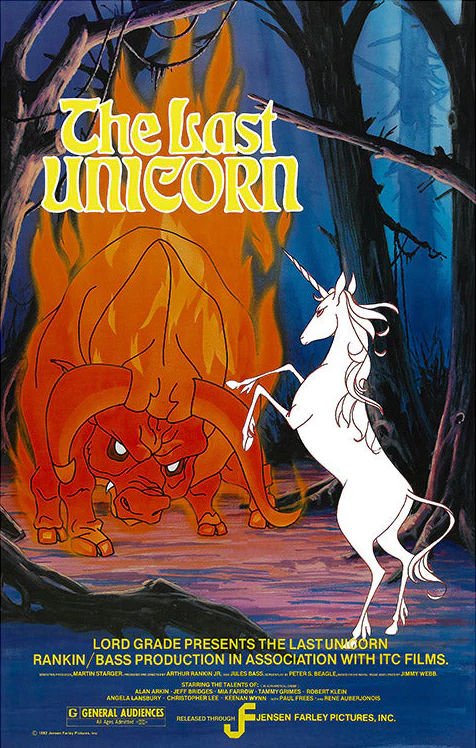
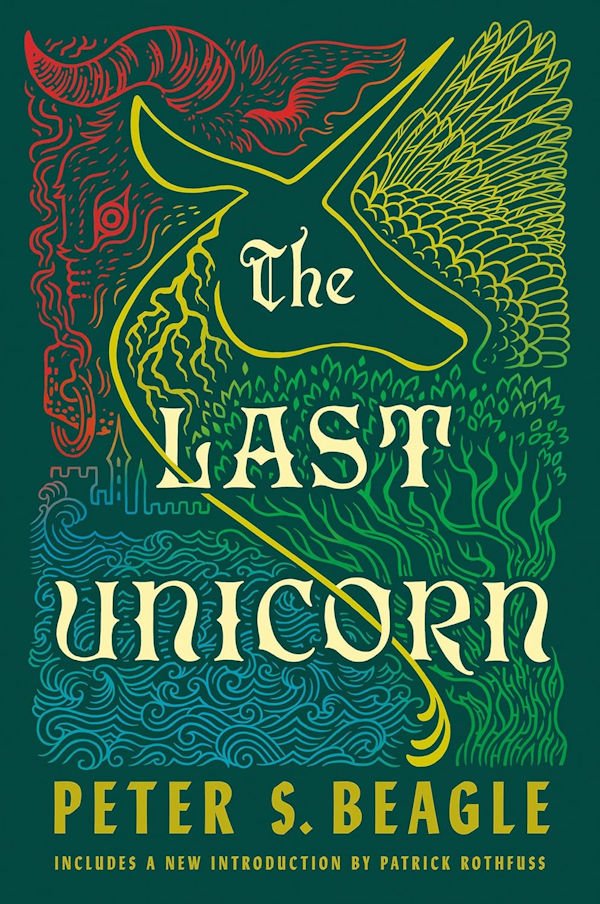
In the vast, sprawling canon of fantasy literature, few works possess the quiet, haunting resonance of Peter S. Beagle’s The Last Unicorn. Originally published in 1968, the novel has transcended its genre to become a staple of modern literature—a book that feels as much like a folk myth as it does a carefully constructed narrative. Despite its status, many readers, like those who might have encountered the beloved 1982 animated film in their youth, often struggle to grasp the sheer depth of the prose until they return to it as adults.
To revisit The Last Unicorn is to peel back the layers of a story that is not merely about a mythical beast, but about the fragile, beautiful, and often terrifying architecture of the human condition.
The Chronology of a Classic
The journey of The Last Unicorn began in the late 1960s, a period when fantasy literature was undergoing a significant transformation. Following the post-Tolkien explosion, Peter S. Beagle offered a different path—one that leaned into the melancholy and the philosophical rather than the purely epic.
Over the decades, the novel has seen numerous editions, translations, and an enduring cult status that was solidified by the 1982 Rankin/Bass animated adaptation. While the film introduced a generation to the story, it also arguably simplified the complex internal monologues that define Beagle’s prose. The book has since enjoyed a resurgence, fueled by new generations of readers seeking "cozy" yet profound narratives. Today, it stands as a testament to the idea that a story does not need to be sprawling in scope to be universal in its impact.
Supporting Data: The Anatomy of Existential Fantasy
The narrative follows a unicorn who, upon learning she may be the last of her kind, embarks on a quest to discover the fate of her kin. She is joined by Schmendrick, a magician struggling with his own inadequacy, and Molly Grue, a woman who feels that life has passed her by.
The brilliance of the book lies in how Beagle uses these archetypes to explore the human experience. Through the juxtaposition of the immortal unicorn and the deeply mortal humans, the reader is invited to confront uncomfortable truths:
The Futility of Stagnation: Schmendrick the Magician serves as a cautionary tale for the reader. He is granted a kind of immortality, yet his life is defined by his failure to realize his potential. He is "eternally inefficient," a character who possesses all the time in the world but lacks the clarity to use it.
The Passage of Time: Molly Grue’s internal conflict is perhaps the most relatable element of the story. Her anguish—"Where have you been? Damn you, where have you been?"—is the cry of anyone who has realized, perhaps too late, that their prime has vanished. It is a raw examination of regret and the societal constructs that dictate when we are "supposed" to find happiness.
Possession vs. Purpose: The dichotomy between King Haggard and Prince Lir illustrates the difference between hoarding beauty and serving it. Haggard, who possesses almost all the world’s unicorns, is hollow and paranoid. Lir, conversely, finds nobility in the act of protecting what he loves.
Philosophical Implications: The Beauty of Mortality
At the heart of the novel is a singular, powerful thesis: Whatever can die is beautiful.
Beagle’s argument is that immortality, while coveted, is ultimately sterile. The unicorn, in her original form, is beautiful but remote. It is only when she is forced to confront the vulnerability of a human form that she truly begins to understand the nature of existence. The transition from the "careless color of sea foam" to the "snow falling on a moonlit night" reflects a shift from innocence to wisdom.
This perspective challenges the reader to view their own limitations—aging, loss, and death—not as failures, but as the very things that give life its texture. Without the ticking clock of mortality, the moments of joy, love, and artistic endeavor would lack the urgency that makes them precious.
The Craft of the Narrative: Prose as Poetry
Beyond the philosophical weight, The Last Unicorn is a masterclass in lyrical writing. Beagle’s prose is often described as "fairytale-like," yet it is never childish. It is sophisticated, rhythmic, and peppered with an observational wit that grounds the fantasy in a relatable reality.
Consider the description of the unicorn’s home:
“The unicorn lived in a lilac wood, and she lived all alone. She was very old, though she did not know it, and she was no longer the careless color of sea foam but rather the color of snow falling on a moonlit night.”
This is the work of a writer who understands the power of imagery to establish a mood. Yet, this lyrical elegance is frequently punctured by moments of grounding humor, such as the cynical commentary of a cat:
“I would tell you what you want to know if I could, mum, but I be a cat. And no cat anywhere ever gave anyone a straight answer.”
These shifts in tone prevent the book from becoming overly precious. They remind the reader that even in the midst of a grand, mythic quest, life is still messy, bureaucratic, and occasionally funny.
Official Perspectives: Why the Story Still Matters
Literary critics and fantasy scholars often cite The Last Unicorn as one of the most important transition points in 20th-century fantasy. It signaled a move away from the "Good vs. Evil" binary of early fantasy toward a more nuanced, character-driven narrative.
In various interviews, Peter S. Beagle has spoken about the difficulty of writing a story where the protagonist is essentially a force of nature. By giving the unicorn a human identity, he was able to explore the vulnerability required for empathy. This decision has resonated with readers for over 50 years, as it mirrors the process of growing up: we start as idealized, immortal-seeming versions of ourselves, and we end as mortal, flawed, but ultimately deeper individuals.
The Verdict: A Re-read for Every Season
If you have only seen the movie, or if you read the book as a child and found it inaccessible, there is a strong case to be made for picking it up today.
The Last Unicorn is a mirror. Depending on your age and your stage in life, you will see something different in its pages. A teenager might see the quest and the magic; a person in their middle years will see the tragedy of Molly Grue and the existential dread of Schmendrick; an older reader might find solace in the final realization that mortality is the price we pay for the capacity to love.
To read this book is to participate in a conversation about what it means to be alive. It is a story that refuses to provide easy answers, instead opting to hold our hand while we stare into the abyss of our own limitations. It is a work of art that, much like the unicorn herself, remains timeless, unwearied, and essential.
Whether you are a devotee of the fantasy genre or someone who rarely touches a book with a dragon on the cover, The Last Unicorn deserves a place on your shelf. It is not just a story about a magical creature; it is a story about the magic of being human, with all the sorrow and joy that entails.
Recommendation: If you have yet to read it, clear your schedule for an afternoon. If you have, perhaps it is time to open the pages once more and see what the unicorn has to tell you this time around.