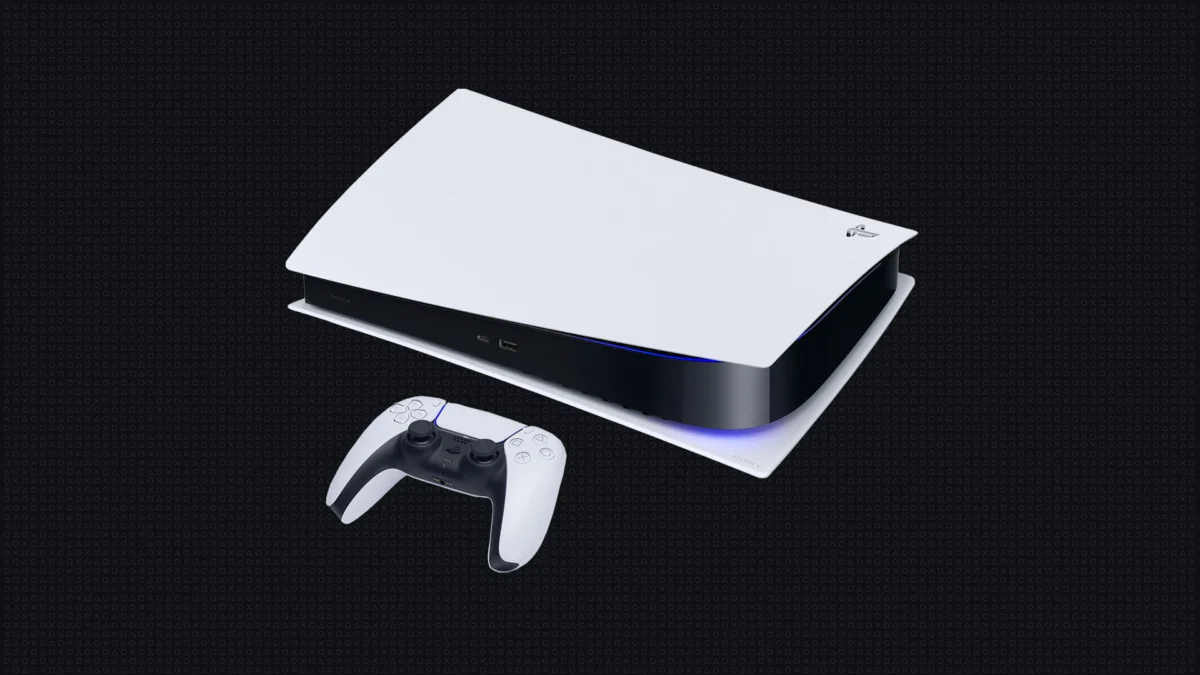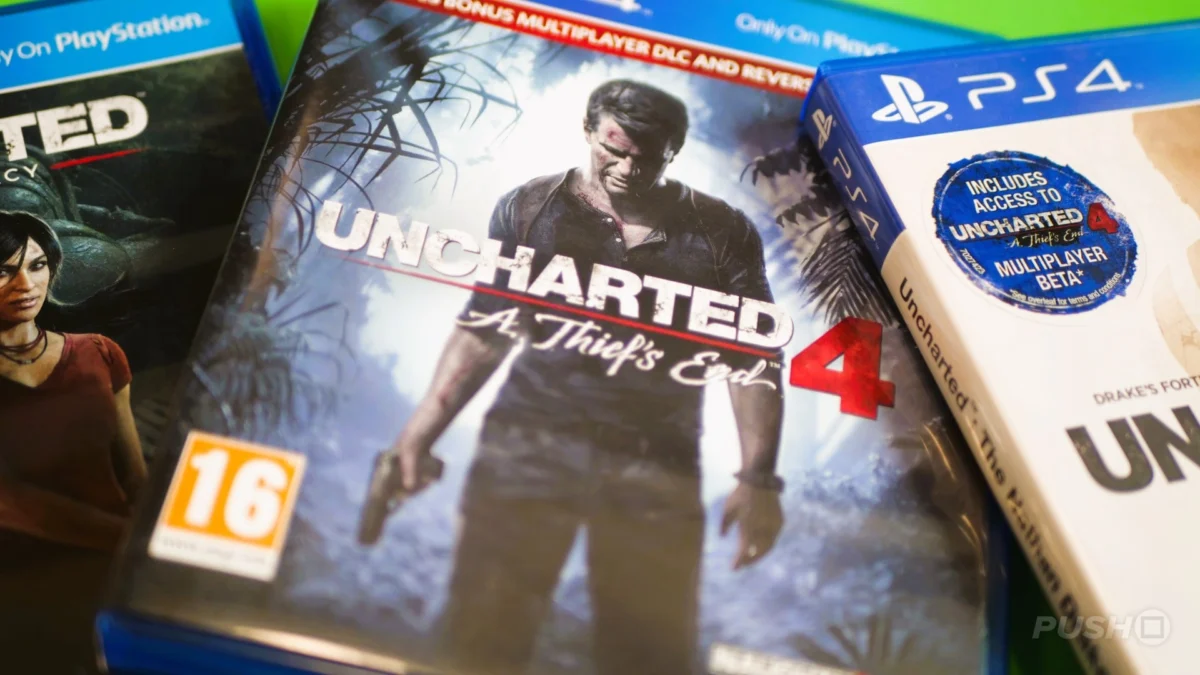
Sony Interactive Entertainment has provided a crucial clarification regarding its discontinuation of PlayStation game disc manufacturing, revealing that a limited capacity will remain post-January 2028 for re-orders of existing physical titles. This development, while not a complete reversal of its digital-first strategy, offers a potential lifeline for publishers and a ray of hope for a segment of the gaming community deeply invested in physical media.
The Evolving Landscape of Game Distribution
The gaming industry has been in a perpetual state of flux, with digital distribution steadily gaining prominence over physical media. This shift, driven by convenience, cost-effectiveness, and the ever-increasing storage demands of modern games, has led many industry giants to re-evaluate their manufacturing and distribution strategies. Sony’s initial announcement regarding the cessation of disc manufacturing for PlayStation games after January 2028 sent ripples of concern through the enthusiast community, many of whom still champion the tangible ownership and preservation benefits of physical releases.
However, a recent development, brought to light by Stephen Totilo of GameFile, suggests that the complete cessation of physical disc production might not be as absolute as initially perceived. A communication from the platform holder to its publishing partners has unveiled a crucial detail: Sony will retain the capacity to fulfill re-orders for existing PlayStation disc games even after the January 2028 cut-off date. This implies that while new manufacturing lines for entirely new titles might be phased out, a functional production capability will persist for established physical releases.
Chronology of the Announcement and Its Implications
The initial pronouncements regarding the end of PlayStation disc manufacturing, projected for January 2028, signaled a significant pivot in Sony’s operational strategy. This date was widely interpreted as a definitive endpoint for the physical production of PlayStation game discs. Reports emerged detailing Sony’s Austrian manufacturing facility already undergoing retraining of staff in preparation for this transition, further solidifying the perception of a complete shift towards digital distribution.

The recent clarification, however, introduces a nuanced layer to this narrative. The ability to place "re-orders for existing PlayStation disc games" after the stipulated cut-off date is a critical distinction. This means that any publisher who has released a game physically before January 2028 will still be able to secure additional print runs of those discs. This is not an insignificant detail; it signifies that Sony is not entirely decommissioning its disc manufacturing infrastructure. Instead, it suggests a strategic retention of a certain level of production capacity, albeit likely at a significantly reduced scale.
This opens a "small window of opportunity," as described by the reporting, for Sony to potentially reconsider its broader decision on phasing out physical discs entirely. While the immediate implication is the continued availability of physical copies for games already released, the underlying message is that the infrastructure for physical disc production will not be entirely dismantled. This preservation of capacity, even for a limited purpose, could pave the way for future adjustments to their strategy, should market demand or other factors necessitate it.
Supporting Data and Industry Context
The trend towards digital distribution is undeniable. According to various industry reports, digital game sales have consistently outpaced physical sales in recent years. Platforms like Steam, PlayStation Store, Xbox Games Store, and Nintendo eShop have become the primary conduits for game acquisition for a majority of players. This shift is fueled by several factors:
- Convenience: Instant downloads, no need for physical storage, and easy access to a vast library of games are major draws.
- Cost-Effectiveness for Publishers: Eliminating physical manufacturing, distribution, and retail markups can significantly increase profit margins for publishers.
- Downloadable Content (DLC) and Updates: Digital platforms facilitate seamless delivery of patches, updates, and additional content, enhancing the player experience and often driving ongoing revenue.
- Subscription Services: The rise of services like PlayStation Plus, Xbox Game Pass, and Nintendo Switch Online, which offer extensive libraries of games for a monthly fee, further incentivizes digital ownership.
However, the physical gaming community, though smaller, remains vocal and passionate. They cite several reasons for their continued preference for physical media:

- Ownership and Preservation: Physical discs represent tangible ownership. Unlike digital licenses, which can be revoked or become inaccessible due to platform changes or account issues, a physical disc provides a sense of permanence. This is particularly important for game preservation, ensuring that titles remain playable even if digital storefronts are shut down or games are delisted.
- Resale Value and Trading: Physical games can be resold, traded, or loaned to friends, offering a secondary market and a different economic model for acquiring games.
- Collector’s Editions and Special Releases: Many enthusiasts appreciate the elaborate packaging, art books, soundtracks, and other bonus content often included in physical collector’s editions.
- Internet Dependency: For individuals with limited or unreliable internet access, physical discs remain a viable and often necessary option for acquiring and playing games.
- Perceived Value: Some players feel that physical games, with their tangible presence and associated extras, offer a greater perceived value for money.
Sony’s decision to continue limited disc manufacturing can be seen as a strategic acknowledgment of this persistent segment of the market. While the overall industry trajectory favors digital, completely abandoning physical production could alienate a dedicated fanbase and overlook the niche but significant benefits that physical media still offers.
Official Responses and Interpretations
As of the current reporting, Sony Interactive Entertainment has not issued a broad public statement directly addressing this clarification. The information has been disseminated through internal communications to publishers, as revealed by GameFile. This suggests a measured approach, perhaps aimed at managing expectations and avoiding a widespread public outcry that might have followed a more overt announcement.
The interpretation of this development hinges on the phrase "re-orders for existing PlayStation disc games." This implies that the manufacturing capacity will be utilized for titles that have already entered the physical market. It does not explicitly state that new, unreleased games will continue to receive physical disc production beyond the January 2028 date. However, the existence of this residual manufacturing capability is significant.
Industry analysts suggest that this move might be a pragmatic one. Maintaining a limited production line, even if scaled down, might be more cost-effective in the long run than completely dismantling and then potentially re-establishing such facilities if circumstances were to change. It also allows Sony to retain crucial relationships with disc manufacturing partners and preserve the technical expertise associated with this process.

The fact that this information has emerged through a news outlet rather than a direct official announcement from Sony could indicate a desire to control the narrative. It avoids making a definitive promise of continued physical production for all titles while still offering a concession to publishers and a degree of reassurance to physical media advocates.
Broader Implications and Future Outlook
The implications of Sony’s decision to maintain limited disc manufacturing capacity are multifaceted:
- Continued Availability of Physical Backlog: This ensures that games released prior to January 2028 will have a longer tail of physical availability, benefiting collectors and those who prefer physical ownership. It also allows for the continued production of niche titles or games that may see a resurgence in demand.
- Potential for Future Strategy Adjustments: While not a complete reversal, this move leaves the door ajar for Sony to potentially re-evaluate its stance on physical media in the future. Should there be a significant shift in market sentiment, a resurgence in demand for physical games, or the emergence of new technological possibilities related to physical media, Sony has retained a degree of flexibility.
- Publisher Confidence: For publishers who invest in physical releases, this clarification offers a degree of reassurance. They can be more confident in their ability to secure additional stock for their physical titles post-2028, mitigating the risk of a sudden and complete cutoff in supply.
- Community Advocacy: The persistence of physical media advocates, who have long campaigned for the preservation of tangible game ownership, can draw encouragement from this development. It demonstrates that their voices, while perhaps not dictating the entire industry’s direction, can influence corporate decisions.
- The Digital Divide: This decision also subtly acknowledges the ongoing reality of the digital divide. While many gamers have high-speed internet access, a significant portion of the global population does not. The continued availability of physical discs, even for older titles, provides a vital access point for these individuals.
However, it is crucial to temper expectations. This is not a return to the heydays of physical game distribution. The "dramatically reduced" scale of production implies that the availability of physical discs will likely become more limited and potentially more expensive over time. The industry’s overall trajectory remains firmly rooted in digital delivery.
Ultimately, Sony’s decision to maintain a residual capacity for physical disc manufacturing for existing titles represents a nuanced approach to a complex and evolving market. It acknowledges the continued relevance of physical media for a dedicated segment of consumers and publishers while aligning with the broader industry trend towards digital distribution. The "small window of opportunity" that has opened may not lead to a complete reversal, but it does signify a pragmatic acknowledgment of the enduring appeal and functional necessity of physical games, offering a glimmer of hope for the future of tangible gaming experiences.