FOR IMMEDIATE RELEASE
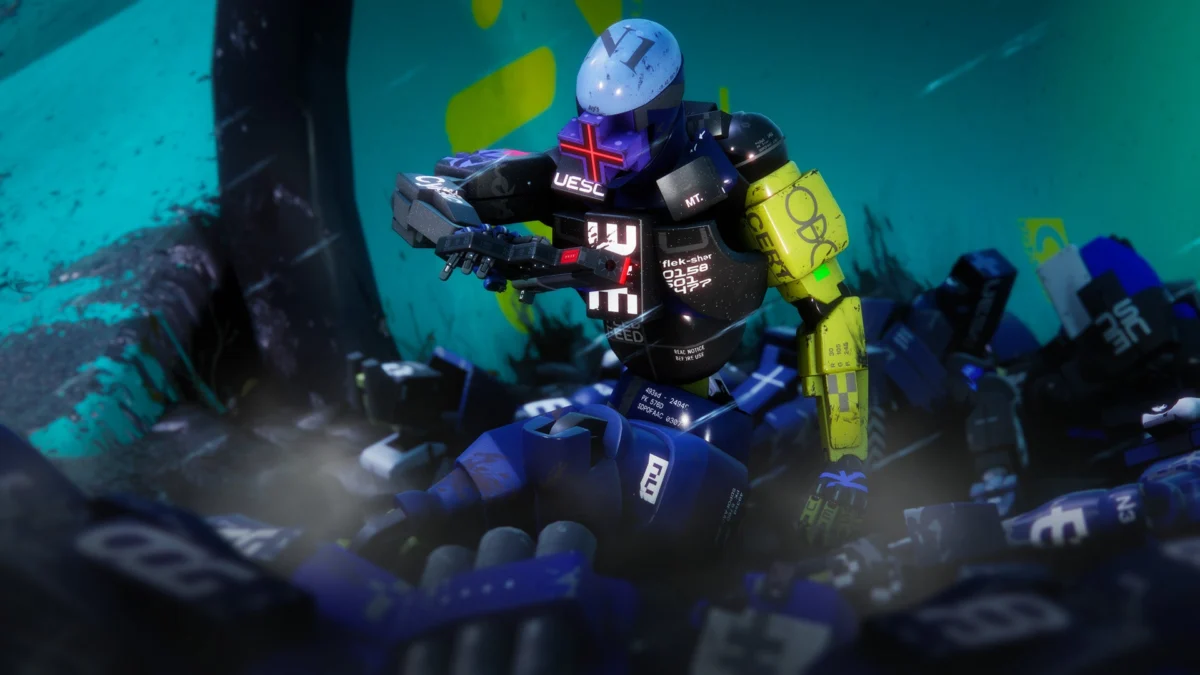
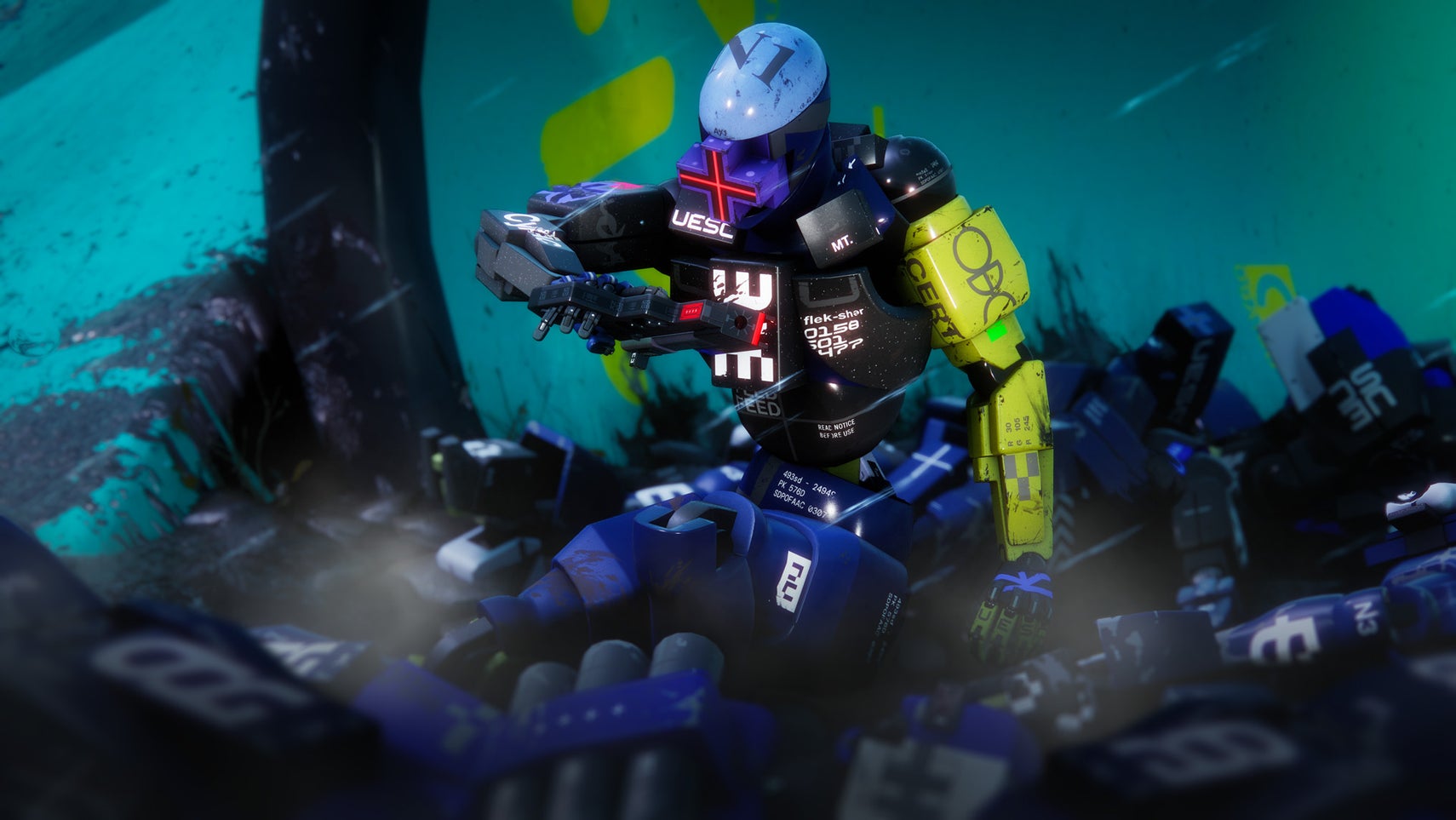
[City, State] – [Date] – Bungie, the renowned studio behind iconic franchises like Halo and Destiny, has officially launched its highly anticipated extraction shooter, Marathon. After a development cycle marked by significant challenges, including multiple delays, an internal reboot, and even a plagiarism lawsuit, the game has finally arrived. However, initial player numbers on Steam suggest a more subdued reception compared to the fervent engagement observed during its pre-launch "Server Slam" event, prompting industry analysts to scrutinize its immediate market performance.
The launch figures reveal that Marathon has not yet replicated the impressive concurrent player count achieved during its free, open weekend test. This disparity draws comparisons to other titles in the burgeoning extraction shooter genre, notably Arc Raiders, which experienced a contrasting trajectory where its full launch significantly outpaced its beta. While the game currently boasts a "Very Positive" user review rating on Steam, the initial player turnout raises questions about its momentum in a fiercely competitive market.
A Rocky Road to Launch: The Genesis of the New Marathon
Bungie’s decision to revive Marathon, a foundational first-person shooter series from the studio’s early days, was met with considerable anticipation. The original Marathon trilogy, released in the mid-1990s for Apple Macintosh, was lauded for its innovative storytelling, atmospheric sci-fi setting, and advanced engine technology. The announcement of a new Marathon as a modern extraction shooter signaled a bold departure from its single-player narrative roots, aiming to reimagine the franchise for a new generation of players and a different gaming landscape.
However, the path to launch has been anything but smooth. Development was reportedly fraught with internal restructuring and creative re-evaluations, leading to at least one significant "internal reboot." Such reboots are common in large-scale game development and often indicate a fundamental shift in design direction, engine technology, or core gameplay loop, typically resulting in substantial delays. While not always publicly detailed, these events can significantly impact development timelines, budgets, and team morale.
Adding to these internal complexities, Marathon‘s journey was further complicated by legal challenges. Reports emerged of a plagiarism lawsuit filed against Bungie regarding elements within Marathon, a rare and serious accusation that can divert resources and attention from core development. While the specifics of the lawsuit and its resolution remain somewhat opaque to the public, such legal entanglements undoubtedly contribute to the pressure on a development team striving to deliver a flagship title.
These hurdles collectively contributed to a series of delays, pushing back the game’s release window multiple times. In an industry where transparent development cycles are increasingly valued, these setbacks fueled speculation and, for some, tempered expectations for the game’s eventual debut. Despite these challenges, Bungie pushed forward, culminating in the critical "Server Slam" event designed to stress-test the game’s infrastructure and generate pre-launch excitement.
The Server Slam: A Glimpse of Potential
Prior to its official launch, Bungie hosted a multi-day "Server Slam" event for Marathon. This open test served as a crucial opportunity for the development team to gather vital performance data, identify potential bugs, and solicit community feedback on core gameplay mechanics. For players, it offered a comprehensive preview of the game, showcasing nearly all available classes, a selection of maps, and a taste of its progression and gameplay systems. Such events are vital marketing tools, building hype and allowing potential players to experience the game firsthand without commitment.
The Server Slam proved to be a resounding success in terms of player engagement. It peaked at an impressive 143,621 concurrent players on Steam, a figure that not only demonstrated significant community interest but also positioned Marathon as a strong contender in the extraction shooter genre. This level of participation suggested a substantial appetite for Bungie’s latest venture, indicating that the game’s unique blend of sci-fi aesthetics and high-stakes gameplay resonated with a broad audience during the free trial period.
The success of the Server Slam naturally set high expectations for the game’s commercial launch. Industry analysts and players alike anticipated that the full release, a paid product, would at minimum match, if not significantly surpass, the peak concurrent numbers of its free beta. This expectation is rooted in the conventional wisdom of the gaming industry: a successful free trial often converts a percentage of engaged players into paying customers, thereby expanding the overall player base.
Launch Performance: A Discrepancy in Player Engagement
Against the backdrop of the successful Server Slam, Marathon‘s official launch on Steam presented a curious divergence in player metrics. At its peak, the Bungie shooter attracted 88,337 concurrent players, according to data from SteamDB. While still a respectable figure for a new release, this number represents a notable decrease of approximately 38% compared to the Server Slam’s peak of 143,621 concurrent players.
This disparity is particularly striking when viewed through the lens of other recent extraction shooter launches. A pertinent comparison can be drawn with Arc Raiders, another highly anticipated title in the genre. Arc Raiders also held a pre-launch Server Slam event, which generated its own set of impressive player statistics. Crucially, upon its official launch, Arc Raiders saw its player figures significantly outpace its beta numbers, indicating a strong conversion rate from free trial participants to paying customers. The Embark Studios shooter has since maintained a very active player base, cementing its position in the market.

The differing trajectories of Marathon and Arc Raiders highlight a critical point: a paid product typically aims to garner more players than its free sampler. When the opposite occurs, it often signals a potential challenge in converting free engagement into sustained commercial interest. While it is standard for player numbers to fluctuate and eventually decline after a launch day peak, the immediate drop from a pre-release event suggests that a significant portion of the Server Slam audience did not immediately transition to the full, paid game.
Several factors could contribute to this observed discrepancy:
- Price Point: While the article does not specify Marathon‘s launch price, a full-price tag could be a barrier for players who enjoyed the free beta but are hesitant to invest in a new, unproven live-service game, especially in a competitive market.
- Market Saturation: The extraction shooter genre has grown significantly, with established titles like Escape from Tarkov, Hunt: Showdown, and even Bungie’s own Destiny 2 (with its Dungeon and Raid activities) vying for player attention. New entrants face an uphill battle to carve out a dedicated player base.
- Player Caution: Given Bungie’s recent history with Destiny 2, including player discontent over monetization strategies, content pacing, and controversial layoffs, some players might be adopting a wait-and-see approach before committing financially to another Bungie live-service title.
- Hype Management: It is possible that the Server Slam, while successful in generating initial buzz, may have also satisfied the curiosity of some players, leading them to delay or reconsider their purchase.
Despite the immediate dip in concurrent players, it is important to note that the game’s launch occurred on a weekday. Fridays and weekends often see a natural surge in player activity, and these upcoming days could potentially push Marathon‘s numbers closer to its Server Slam heights.
Community Reception and Official Responses
In stark contrast to the conservative initial player numbers, Marathon‘s user reviews on Steam paint a remarkably positive picture. The game currently holds a "Very Positive" rating, based on over 4,600 reviews. This strong endorsement from early adopters is a crucial indicator of the game’s quality and player satisfaction. Positive word-of-mouth is a powerful force in the gaming industry, often capable of organically expanding a game’s player base over time, even if initial launch figures are not record-breaking.
These positive reviews frequently highlight aspects such as:
- Engaging Gameplay Loop: Players seem to be enjoying the core mechanics of the extraction shooter genre, praising its tension and rewarding progression.
- Bungie’s Signature Gunplay: The studio is renowned for its exceptional first-person shooter mechanics, and early reviews suggest Marathon delivers on this front, offering satisfying weapon feel and combat encounters.
- Atmospheric World-building: The game’s sci-fi aesthetic and lore, a callback to the original Marathon series, appear to be resonating with players.
- Potential for Growth: Many reviewers express optimism for the game’s future, anticipating further content and refinement.
As of the time of this report, Bungie has not released an official statement regarding Marathon‘s initial launch player numbers. This is a common practice for studios, who often prefer to observe trends over a more extended period before commenting on performance metrics. Publicly available data from platforms like SteamDB provide an immediate snapshot, but comprehensive internal analytics, which include factors like player retention, average session length, and conversion rates, typically inform a studio’s official stance and future strategies.

Industry observers anticipate that Bungie will be closely monitoring player engagement throughout the launch weekend and into the following weeks. Their response, or lack thereof, will likely be guided by a broader strategic assessment that considers not just peak concurrent players, but also the health of the player ecosystem, community sentiment, and the game’s long-term viability as a live-service title. As a studio now operating under the Sony umbrella, Marathon‘s performance will also be a point of interest for its parent company, influencing future investment and strategic direction within the PlayStation Studios portfolio.
Implications and Future Outlook for Marathon
The initial launch performance of Marathon carries several implications for Bungie, the game itself, and the broader live-service gaming market.
For Bungie:
The studio faces the challenge of demonstrating Marathon‘s long-term appeal. While the "Very Positive" reviews are a strong foundation, converting that goodwill into sustained player growth and revenue will be critical. This is especially pertinent given the ongoing evolution of Destiny 2 and the broader scrutiny Bungie has faced recently regarding its corporate culture and relationship with its player base. A successful Marathon would diversify Bungie’s portfolio and reinforce its position as a leading developer of online multiplayer experiences. A slow start, however, could intensify pressure on the studio to deliver compelling post-launch content and aggressive marketing to attract and retain players.
For Marathon as a Game:
The immediate future for Marathon will largely depend on its ability to build momentum through word-of-mouth and consistent content updates. The weekend’s performance will provide a clearer picture of whether the game can bridge the gap to its Server Slam peak. Beyond that, the game’s success as a live-service title will hinge on:
- Content Pipeline: Regular and engaging seasonal updates, new maps, weapons, and game modes are essential to keep players invested.
- Monetization Strategy: Balancing fair monetization with player value will be crucial to avoid the pitfalls that have sometimes plagued other live-service titles, including Destiny 2.
- Community Engagement: Actively listening to player feedback and implementing changes will be vital for fostering a loyal community.
- Competitive Landscape: Marathon must differentiate itself from a growing roster of extraction shooters and carve out its unique identity to stand out.
For the Live-Service Market:
Marathon‘s launch could serve as another case study in the evolving dynamics of the live-service model. The expectation that a free beta directly translates to a larger paid launch is not always guaranteed. It underscores the increasing importance of sustained engagement, community building, and delivering exceptional value post-launch rather than relying solely on initial hype. Players are more discerning than ever, and the barrier to entry (both financial and in terms of time commitment) for live-service games is significant. A strong launch is no longer a guarantee of long-term success, and conversely, a measured start can still lead to a thriving game if the development team commits to continuous improvement and community support.
Ultimately, the trajectory of Marathon remains to be seen. While its initial player numbers on Steam are a point of discussion, the overwhelmingly positive user reviews offer a glimmer of hope. The coming weeks, particularly the crucial launch weekend, will provide more definitive insights into whether Bungie’s latest venture can truly "pull an Arc Raiders" and eventually surpass its beta performance, or if it will face an uphill battle to establish itself in the crowded and competitive world of live-service gaming. The industry will be watching closely as Marathon begins its long run.