

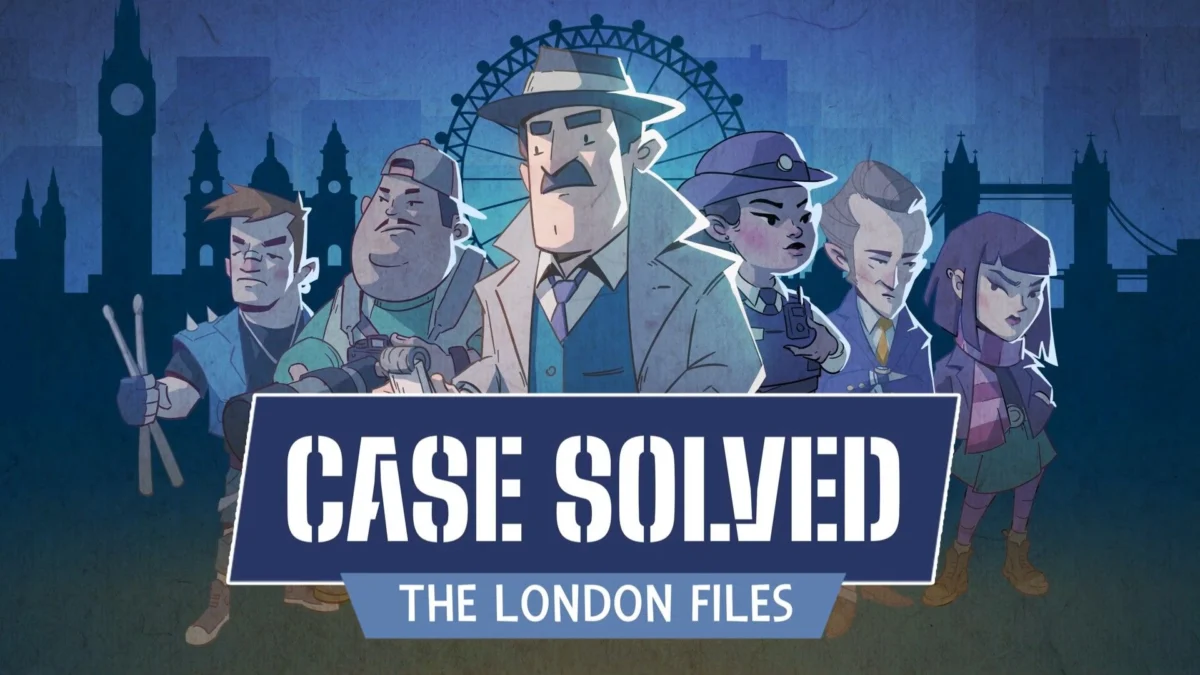
In the saturated landscape of detective-themed video games, developers often lean heavily on established tropes: rain-slicked streets, cynical private investigators with a dark past, and narrative-heavy dialogue trees that eventually lead to a single, predetermined conclusion. However, Case Solved: The London Files, a project currently being showcased at the gamescom latam Abragames booth, takes a refreshing, if unexpected, detour. Developed by Minimol Games, the title eschews the traditional "walking simulator" or "visual novel" approach to investigation, opting instead for a mechanical marriage between hidden-object discovery and classic, grid-based logic puzzles.
The Core Concept: Redefining the Investigative Loop
At its heart, Case Solved: The London Files is a game of deduction, but it is not a detective game in the sense that players might expect from the Ace Attorney or Sherlock Holmes series. Instead, the gameplay loop is split into two distinct, interlocking phases that force the player to shift their mental gears.
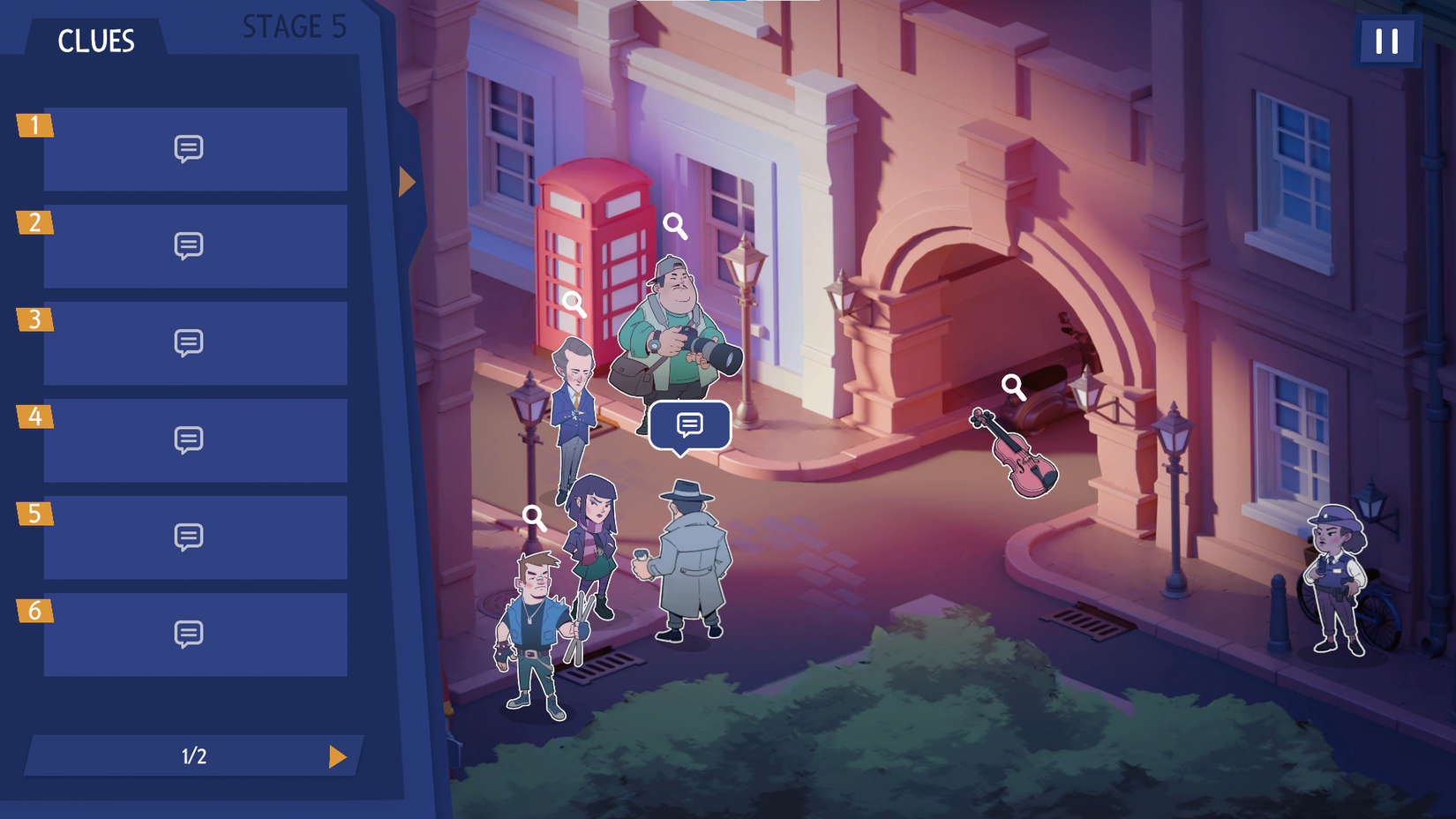
The first phase is observational. Players are presented with scenes featuring charming, paper-cutout style characters and environments. When approaching a character for information, they do not provide long-winded monologues. Instead, they present a visual "thought bubble" containing an item. This triggers a scavenger hunt; the player must scour the surrounding environment to find the physical manifestation of that item.
This mechanic is more than just a simple game of hide-and-seek. It is an exercise in context. By locating these items, players aren’t just checking off a list—they are gathering the raw data points required for the game’s second, more complex phase: the logical deduction of the crime.
Chronology of Investigation: From Clues to Conclusion
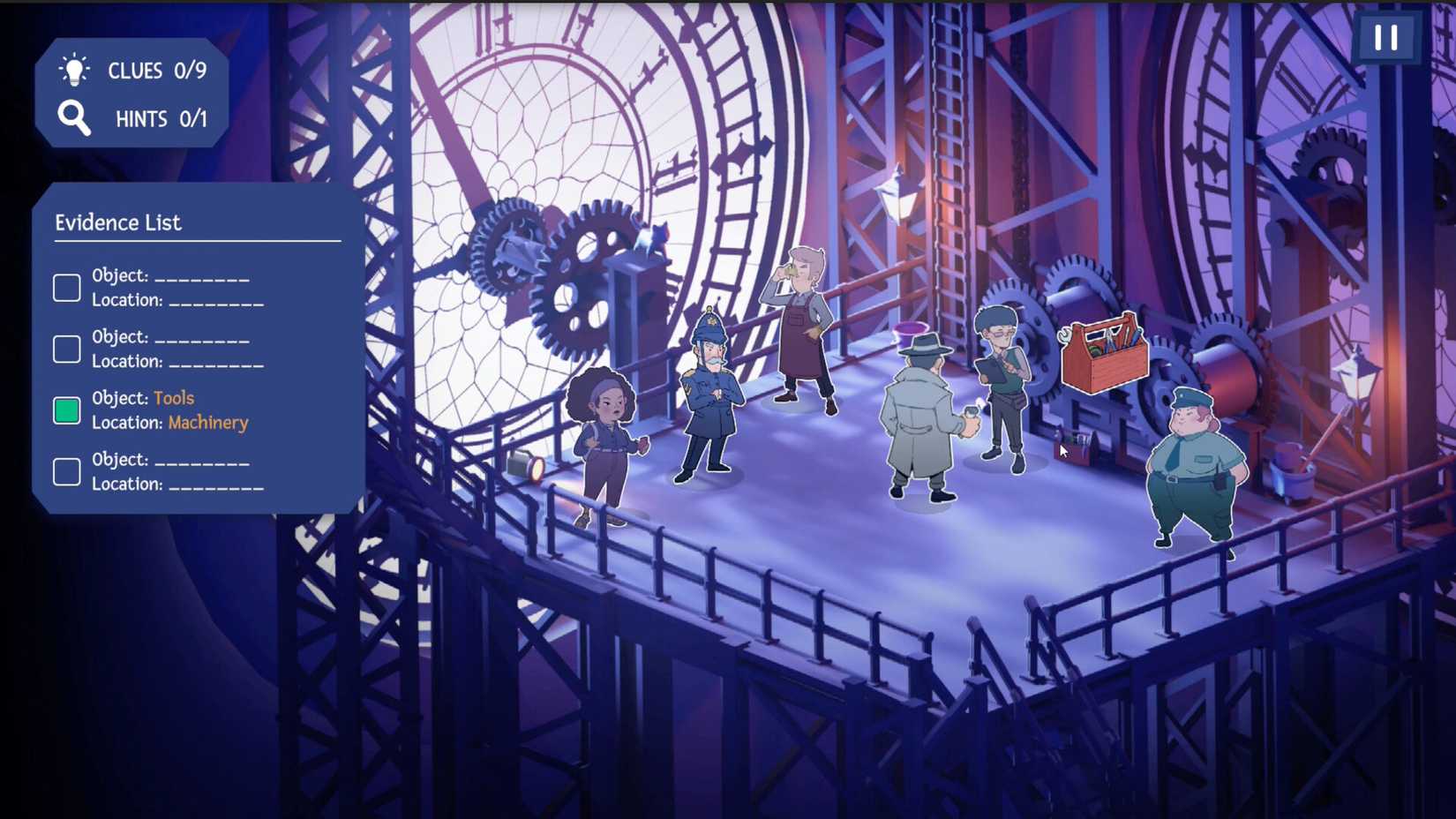
The progression within Case Solved is structured to increase in complexity as the player advances through the case. In the early stages, the link between the item found and the statement it provides is relatively straightforward. As the player gathers these "cartoonish" clues, they are added to a centralized repository.
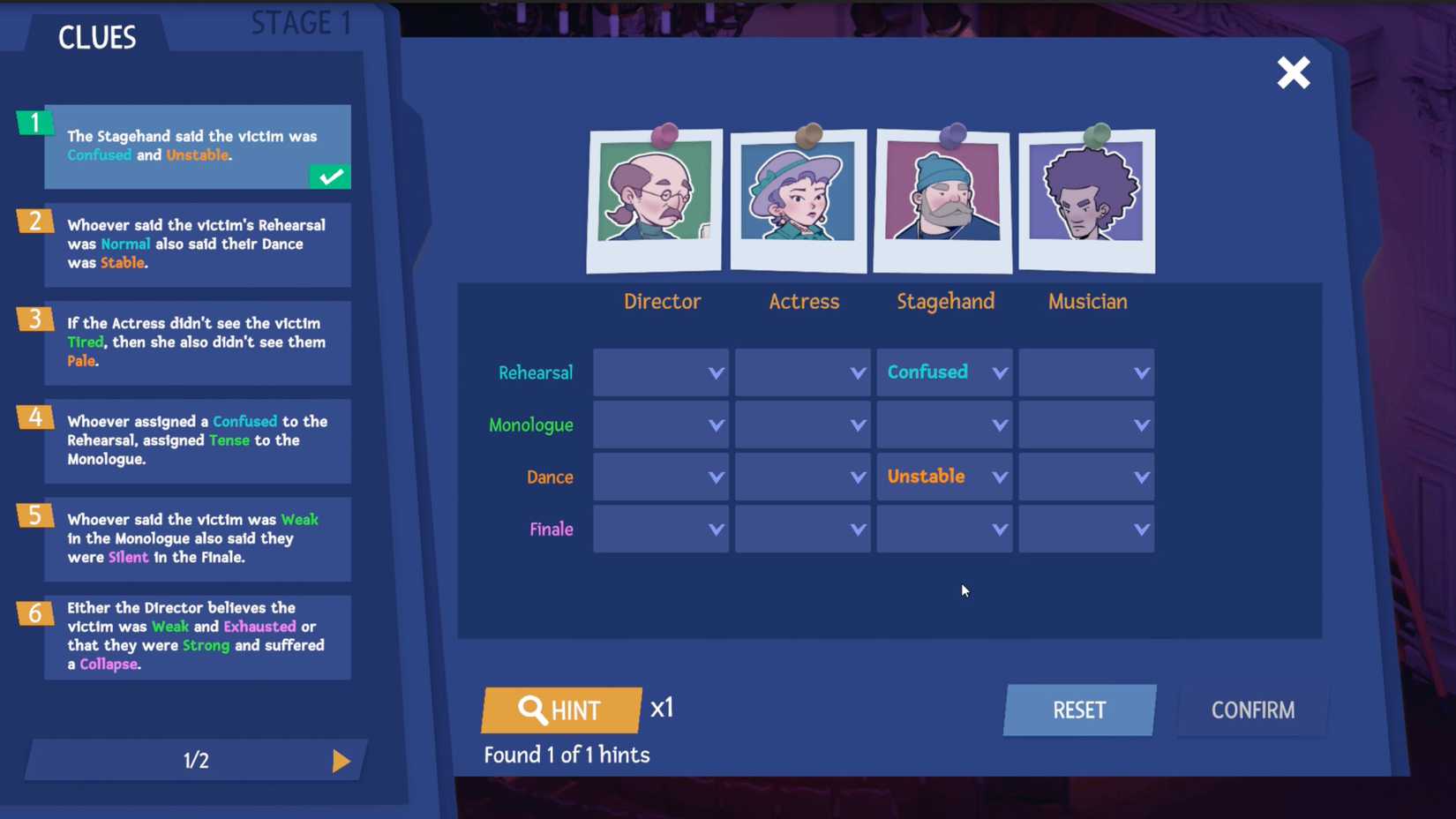
Once sufficient evidence has been collected, the game transitions from the exploration phase to the deduction phase. This is where the title truly shines for fans of brain-teasers. The interface transforms into a logic grid—reminiscent of pen-and-paper puzzles found in logic puzzle magazines—where the player must match suspects to specific roles, motivations, and alibis.

The constraint is absolute: each suspect is associated with exactly one value. If the "Medic" is definitively linked to one character, it is removed from the pool of possibilities for the others. By cross-referencing the statements gathered in the first phase, players must fill in the blanks. It is a process of elimination that rewards patience and precise thinking, turning the player into a genuine investigator rather than a passive observer of a scripted mystery.
Supporting Data: Why the Logic-Puzzle Approach Works
Why would a developer choose to move away from traditional narrative-heavy detective mechanics? The answer lies in the psychological satisfaction of "solving" rather than "experiencing."
In many detective games, the player is essentially an audience member waiting for the game to reveal the culprit through cutscenes. In Case Solved, the player is the engine of the narrative. The "statements" are essentially the building blocks of a logic puzzle. For instance, a clue might reveal that "The lawyer does not have a blue scarf," or "The suspect in the kitchen is not the perpetrator."
By synthesizing these disparate pieces of information, the player reaches the "Aha!" moment on their own. This creates a stronger sense of ownership over the outcome of the case. Furthermore, the game features a hint system—such as interacting with environmental elements like a wandering cat—which provides subtle nudges. This ensures that even when the complexity ramps up, the player remains engaged rather than frustrated.
Aesthetic and Tone: The Paper-Cutout Aesthetic
While the logic puzzles are the "brain" of the game, its "heart" is found in its aesthetic presentation. The developers have chosen a distinct, paper-cutout art style. Characters are rendered with visible white borders, as if they were physically cut out of construction paper and placed onto a backdrop.
This choice serves a dual purpose. First, it creates a cohesive, storybook-like visual language that differentiates the game from the gritty, hyper-realistic aesthetics of most crime thrillers. Second, it allows for a sense of levity. The game does not take itself too seriously, which is reflected in the writing. The protagonist is prone to witty, dry one-liners that play off the absurdity of the objects being searched for, ensuring that the atmosphere remains light and playful even as the player tackles increasingly complex puzzles.

Official Perspectives and Development Insights
Minimol Games has positioned this title as a unique hybrid. In our time with the demo at gamescom latam, it became clear that the developer’s focus is on the "purity" of the logic puzzle experience.
However, there is a notable trade-off. Because the game relies so heavily on the transition between hidden-object searching and grid-based deduction, the traditional "detective" elements—such as interviewing suspects and exploring a story-rich environment—can sometimes feel secondary. During the demo of the first case, the investigation felt like a collection of mini-games rather than a fluid, organic narrative.
For the full release, this poses a potential challenge: how to make the transition between "searching" and "solving" feel like a seamless detective experience rather than two disconnected mechanics. If the narrative can keep pace with the increasing difficulty of the logic grids, the result will be a compelling, brain-teasing experience that stands out in a crowded market.
The Implications for the Genre
The success of Case Solved: The London Files could have broader implications for the mystery genre. If players respond well to this mechanical approach, it may signal a shift away from the "choose-your-own-adventure" style of detective games toward more game-centric, puzzle-oriented mysteries.
The game is currently in development for a 2026 release, with a demo available on Steam for those eager to test their deductive reasoning. The implications for the indie scene are clear: by stripping away the bloated, cinematic elements of larger AAA detective titles and focusing on the core mechanics of deduction, developers can create smaller, tighter, and arguably more satisfying experiences.
Conclusion: A Case Worth Solving?
Case Solved: The London Files is an ambitious project that attempts to bridge the gap between two very different genres. By blending the observational tasks of hidden-object games with the rigorous, rule-based nature of logic puzzles, Minimol Games has created something that feels distinctly different from the competition.
Whether or not the final product will successfully balance these two disparate halves remains to be seen. The detective angle is currently a bit subdued, and the narrative depth will need to be carefully managed to ensure players stay invested through the longer cases. However, for those who grew up enjoying the challenge of a Sunday newspaper logic puzzle or the satisfaction of a well-earned solution, the game is certainly one to keep on the radar. As we look toward its 2026 launch, the primary question remains: is the combination of mechanics enough to sustain a full-length title? If the demo is any indication, the answer is a cautious, but optimistic, yes.
The stage is set in London. The clues are scattered. The logic is waiting to be parsed. For the aspiring detective, the case is officially open.












No comments yet. Be the first to join the conversation!