

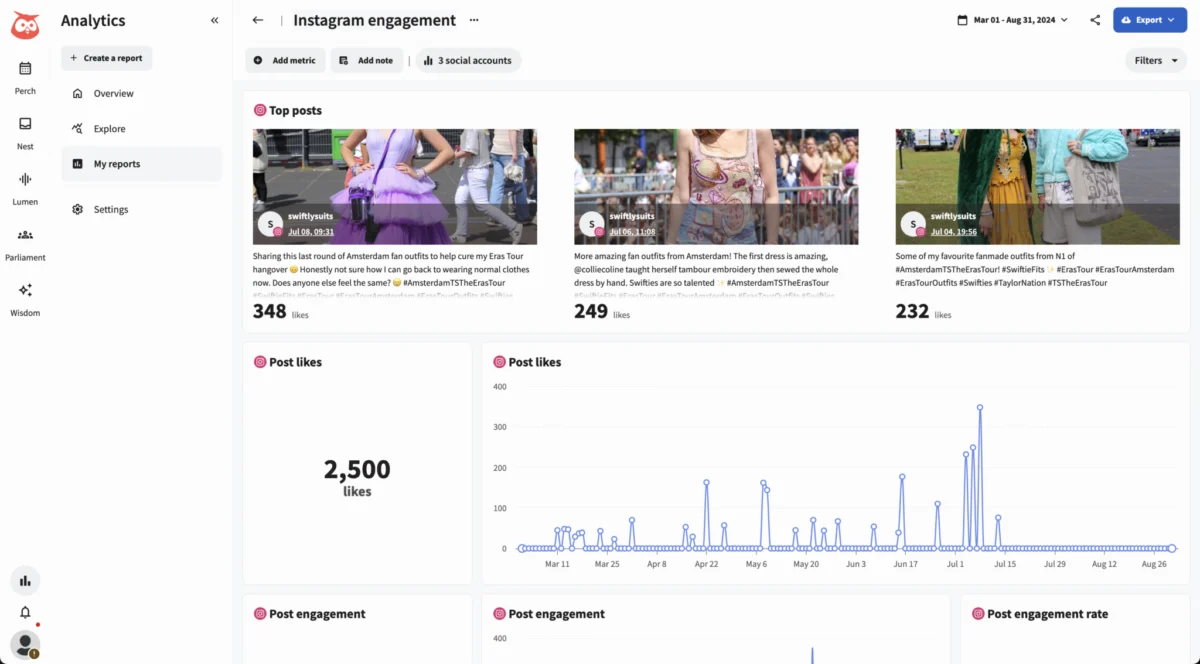
In the hyper-competitive digital landscape of 2026, relying on intuition to manage your brand’s Instagram presence is no longer a viable strategy. With 1.39 billion monthly active users who dedicate an average of 11.7 hours a month to the platform, Instagram has evolved into a critical marketplace. Nearly two-thirds (62.3%) of these users utilize the app specifically to research brands and products. For marketers, this represents a massive opportunity—but also a significant challenge. How do you cut through the noise? The answer lies in data.
The Foundation of Modern Social Media Strategy
Tracking Instagram analytics is the only way to transform a mediocre social media presence into a high-performing engine for growth. Without granular data, you are essentially flying blind. While an occasional "viral" post might provide a temporary dopamine hit, long-term success requires the ability to test, refine, and scale your content based on empirical evidence.

Effective marketing decisions are rooted in the ability to distinguish between vanity metrics and actionable insights. By leveraging the right analytics tools, brands can decode what resonates with their audience, optimize their posting schedules, and justify their marketing budget to stakeholders.
Chronology of Digital Maturity: Why Analytics Matter
The evolution of Instagram from a simple photo-sharing app to a complex, algorithm-driven advertising ecosystem has necessitated a shift in how we approach performance measurement.

- The Early Phase (Pre-2016): Brands relied on manual tracking—counting likes and comments on a spreadsheet.
- The Rise of Business Tools (2016–2020): The introduction of native "Instagram Insights" allowed brands to see basic demographic data and reach.
- The Integrated Era (2020–2024): The emergence of professional-grade third-party software allowed for cross-platform comparison, competitive benchmarking, and advanced sentiment analysis.
- The AI-Driven Future (2026 and Beyond): Current tools have moved past simple reporting. Today’s software uses predictive modeling to suggest content themes, optimal publishing windows, and potential ROI before a single post goes live.
Supporting Data: Understanding the Landscape
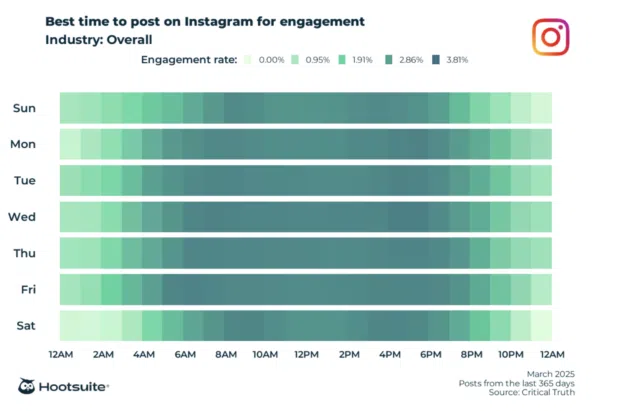
According to recent industry benchmarks, the "best time to post" is not a universal constant; it is a moving target that shifts based on audience geography and behavior. However, aggregated data from 118 countries reveals specific patterns:
- Mondays: 3 PM to 9 PM
- Tuesdays: 5 AM to 8 AM and 3 PM to 7 PM
- Thursdays: 5 PM to 7 PM
While these times provide a baseline, advanced analytics tools allow for localized optimization. If your audience is concentrated in a specific time zone or demographic, a one-size-fits-all approach will fail. Robust analytics platforms allow you to drill down into follower demographics, peak activity times, and content-type success rates (Reels vs. Stories vs. Carousel posts).
9 Essential Analytics Tools for 2026
To stay ahead of the competition, professionals are moving beyond the native Instagram app. Here are the top-tier tools for 2026:
1. Perch by Hootsuite
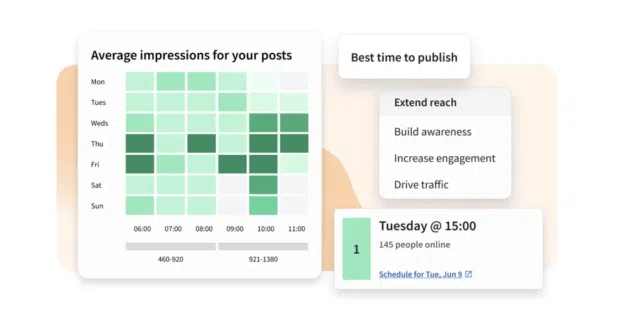
Perch stands out as the industry leader for integrated reporting. By consolidating data from Instagram and other major networks, it allows for a "macro" view of your digital presence. It excels at tracking engagement rates, follower growth, and, crucially, provides AI-driven recommendations for the best times to publish based on your specific historical data.
2. Instagram Insights
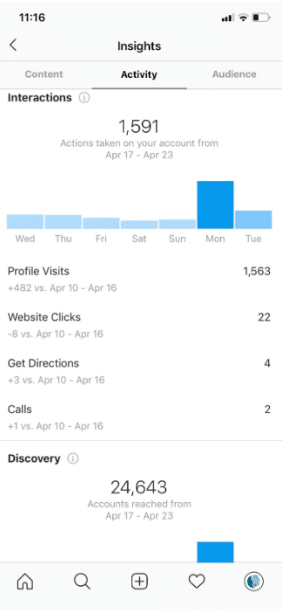
The native tool remains the best starting point for beginners. While it lacks the deep, long-term historical reporting of premium tools (data is often capped at 90 days), it is an essential, free, and immediate resource for high-level monitoring while on the move.
3. Later
Later is the premier choice for visual-first brands. Its "visual planner" allows social media managers to curate their aesthetic grid before posting. Its analytics are user-friendly, making it ideal for small-to-medium businesses that need simplicity without sacrificing performance tracking.
4. Buffer
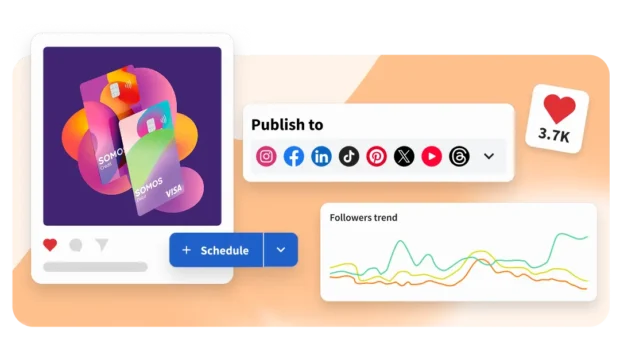
Buffer is the minimalist’s choice. If your goal is to schedule, publish, and view basic performance reports without navigating a cluttered interface, Buffer is highly effective. While it lacks advanced features like competitive benchmarking, its simplicity is its greatest strength.
5. Sprout Social
For enterprise-level organizations, Sprout Social offers comprehensive, white-label reporting. It is designed for teams that need to share complex data with stakeholders. While it comes with a higher price tag, the depth of its reporting—specifically for paid and organic hybrid strategies—is unparalleled.
6. Panoramiq Insights
This tool integrates directly into the Hootsuite dashboard, adding a layer of granular demographic analysis. It is particularly effective for teams looking to understand the "who" behind the "what" of their engagement.
7. Panoramiq Multiview
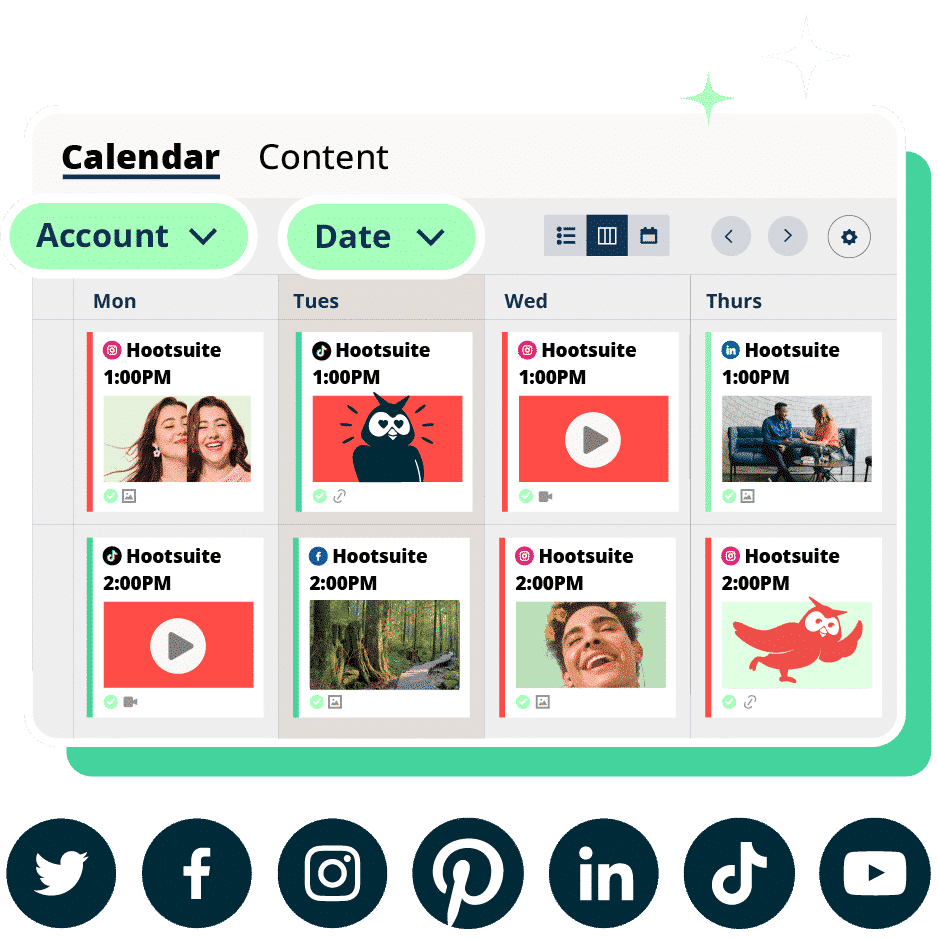
Managing multiple Instagram profiles can be a logistical nightmare. Multiview solves this by allowing users to monitor mentions, comments, and tags across several accounts in a single, unified stream.
8. Mentionlytics
Social listening is a critical component of brand management. Mentionlytics tracks brand mentions across Instagram and the broader web. This helps brands identify where they are being discussed outside of their own comment sections—an essential metric for crisis management and brand sentiment tracking.
9. Phlanx
For influencer marketing, Phlanx is an indispensable research tool. It allows users to calculate the engagement rates of any public profile. This is vital for vetting potential influencers or benchmarking your performance against direct competitors.
Official Responses and Strategic Implications
Industry experts agree that the reliance on third-party analytics is no longer optional. As Instagram’s algorithm becomes more sophisticated—prioritizing watch time and "shareability"—brands that do not measure these specific behaviors will see their organic reach decline.
The implication for marketing departments is clear: Data literacy is now a core competency.

When asked about the future of platform metrics, digital strategists emphasize the move toward "Conversion Attribution." It is no longer enough to know that a user liked a post; the goal is to track that user’s journey from the Instagram app to the brand’s point of sale. Tools like Perch and Sprout Social are increasingly bridging this gap by integrating UTM tracking and pixel data directly into their reporting suites.
Conclusion: Turning Data into Action
The proliferation of analytics tools is a reflection of how high the stakes have become. When you use data to inform your Instagram strategy, you are not just guessing; you are investing in a predictable outcome.
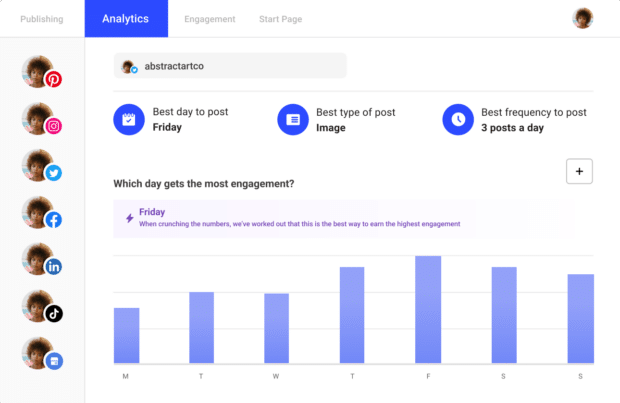
By choosing the right tool—whether it’s the enterprise-grade power of a platform like Hootsuite or the specialized, visual-centric approach of Later—you gain the ability to stop chasing trends and start setting them. Start by auditing your current strategy, identifying your key performance indicators (KPIs), and selecting a tool that aligns with your team’s technical capabilities. In the world of 2026 social media, those who measure, manage, and adapt are the ones who win.
Are you ready to elevate your strategy? The most successful brands in 2026 are those that treat every post as a data point. Use a free analytics report template to begin documenting your progress today, and remember: the goal isn’t just to post content—it’s to create a measurable impact on your business’s bottom line.











