Reynand Wu
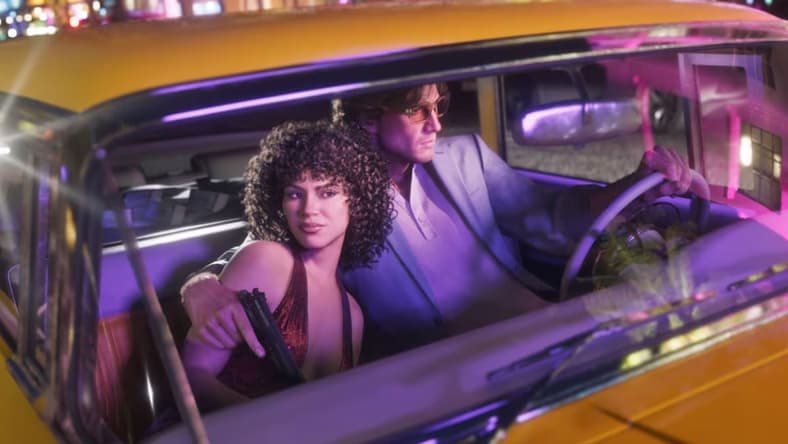
As the gaming industry hurtles toward an increasingly digital-only future, a significant fracture has emerged between massive publishers and the boutique retailers who have long served as the backbone of physical game distribution. The latest point of contention is the highly anticipated launch of Rockstar Games’ Grand Theft Auto VI.
Reports confirming that the physical edition of GTA 6 will lack a playable disc—instead offering a mere digital download code encased in a plastic box—have sparked a wave of protest. Independent retailers, led by Toronto-based Video Games Plus (VGP) and Loot Box Gaming, are taking a hardline stance, refusing to stock the product in protest of what they term an erosion of consumer rights and physical ownership.
The Core Conflict: What is a "Physical Copy"?
For decades, the standard for a physical game purchase was simple: the consumer paid for a tangible medium—a cartridge or a disc—that contained the game’s data. This allowed for long-term preservation, the ability to resell the game, and, most importantly, the ability to play the software without an active internet connection or reliance on a server that might one day be shuttered.
The move toward "code-in-box" products—packaging that contains no actual game data—is viewed by many preservationists and retailers as a deceptive practice. By selling an empty box for the price of a full game, publishers are effectively selling a license to download content, not the content itself. This shift removes the "physical" aspect of the media entirely, rendering the plastic case little more than a piece of landfill-bound packaging.
Chronology: The Spark of Rebellion
The controversy ignited on June 24, 2026, following industry leaks and preliminary distribution information regarding the November 19, 2026, launch of Grand Theft Auto VI.
- June 23, 2026: Speculation mounts within retail circles that Rockstar Games and Take-Two Interactive intend to forgo a disc-based release for the PlayStation 5 and Xbox Series X versions of the game, opting instead for a digital-only distribution model disguised as a retail product.
- Morning, June 24, 2026: Video Games Plus (VGP), a prominent independent retailer, issues a formal statement on X (formerly Twitter) regarding their refusal to participate in the sale of the product.
- Afternoon, June 24, 2026: Following VGP’s lead, Loot Box Gaming, an online-centric retailer, announces that they will not support the GTA 6 release if the "code-in-box" format is confirmed, citing their dedication to the principles of physical ownership.
- Present: The industry remains in a state of high tension as players and smaller retailers debate the long-term viability of physical game stores in an era of mandatory digital downloads.
The Retailers’ Stand: A Matter of Principle
The decision by VGP to boycott one of the most anticipated entertainment products in history is not merely a protest—it is a statement of identity. In their official communication, VGP highlighted a four-decade history of supporting the physical gaming ecosystem.
"For nearly 40 years, VGP has been committed to supporting physical media and preserving the value of physical game ownership," the company stated. "As part of that commitment, our company policy is that we do not carry physical products for video game consoles that contain only a digital download code."

This sentiment was echoed by Loot Box Gaming. For these retailers, the issue is not just about the product itself, but about the precedent it sets. If a juggernaut like Rockstar Games can successfully market a physical box that contains no data, the "physical" market for all games could effectively vanish overnight. By refusing to carry the product, these retailers are attempting to exert pressure on publishers to maintain high standards for physical releases.
Supporting Data: The Decline of Physical Media
The trend away from physical media is not a surprise to market analysts, but the speed of the transition is catching many off guard.
According to various industry reports, digital distribution has accounted for over 85% of total game revenue in recent years. This shift has been driven by the convenience of high-speed internet and the increased adoption of digital-only consoles, such as the PlayStation 5 Slim Digital Edition and the Xbox Series S.
However, this data often masks the segment of the gaming population that still prefers physical ownership. For collectors, families with limited internet access, and those concerned about the "de-listing" of games, physical media is a necessity, not a luxury. The protest by independent retailers represents the voice of this specific, often ignored, demographic.
Official Responses and Silence
As of this writing, Rockstar Games and their parent company, Take-Two Interactive, have remained silent regarding the specific nature of the GTA 6 physical release.
While the industry has grown accustomed to "Day One patches" that require large downloads even with a disc present, there is a fundamental psychological and legal difference between a disc that holds the base game and a box that holds a code. The silence from the publisher suggests a move toward full vertical integration of the digital ecosystem, where the publisher maintains total control over the license, the updates, and the eventual lifespan of the product.
The Implications: What Does This Mean for the Future?
The implications of this standoff are far-reaching. If retailers continue to boycott "code-in-box" titles, it could force a divide in the market.
1. The Death of the Used Game Market
The most immediate impact of a move toward digital-only "physical" releases is the total destruction of the pre-owned game market. A code, once redeemed, is tied to a single user account. It cannot be sold, traded, or given to a friend. For independent retailers who rely on used game sales for a significant portion of their profit margins, this shift is an existential threat.
2. Preservation and Accessibility
Without a physical disc, the "permanence" of a game becomes entirely dependent on the publisher’s servers. If, in 20 years, a company decides to shut down their authentication servers for GTA 6, the physical box will become a paperweight. Collectors and historians are deeply concerned that we are entering an "Age of Digital Dark" where software becomes inaccessible the moment the corporate entity behind it moves on.
3. A Shift in Power
Publishers are attempting to cut out the "middleman" of retail to maximize their profit margins. By selling directly through their own proprietary digital storefronts, they avoid the revenue-sharing agreements typical of brick-and-mortar sales. The retailers’ revolt is, in effect, a pushback against being rendered obsolete in the supply chain.
Conclusion: A Line in the Sand
While it is unlikely that the boycott by VGP and Loot Box Gaming will derail the commercial success of Grand Theft Auto VI—a title destined to break sales records regardless—the gesture carries significant weight. It marks a line in the sand for those who believe that ownership should mean more than a temporary, revocable license.
As the industry moves toward November 19, the question remains: will other retailers follow suit? And more importantly, will consumers, who are increasingly conditioned to accept the digital status quo, begin to demand more from the companies they support?
The battle for physical media is likely a losing one in the face of corporate consolidation, but for the retailers who have spent decades building the gaming community, it is a fight worth having. For now, the "code-in-box" model remains the center of a firestorm, proving that even in a digital world, the demand for tangible ownership is far from dead.

 Sagoh
Sagoh
 Ammar Sabilarrohman