

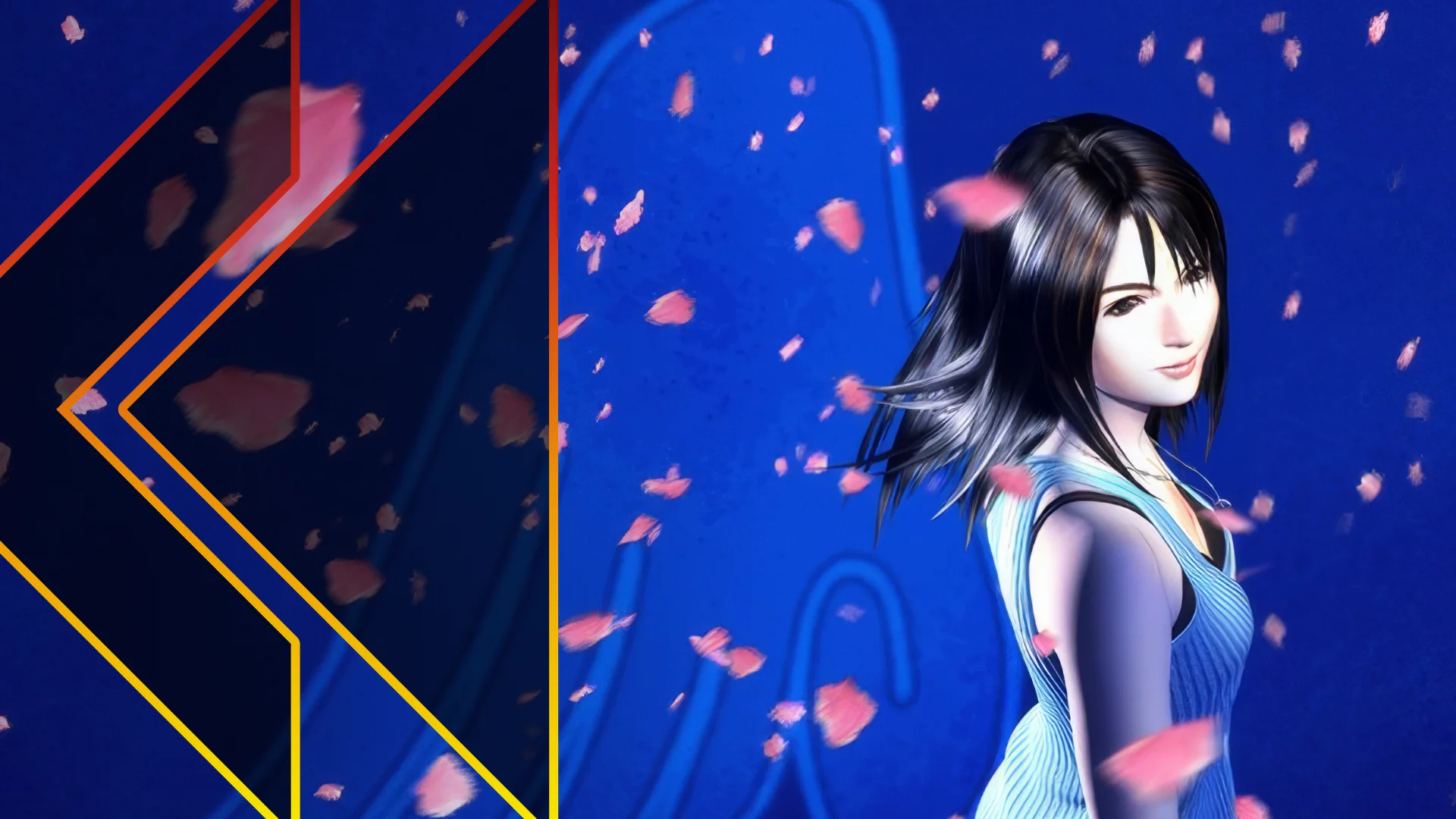
Introduction: The "Whatever" Factor
Few titles in the Square Enix catalog remain as polarizing or as historically significant as Final Fantasy VIII. Known for its sweeping orchestral score, revolutionary junction system, and a love story that defies the boundaries of space and time, the game continues to spark intense debate decades after its 1999 debut. In the latest installment of the Retro Encounter podcast (Episode 486), a panel of veteran critics—Aleks Franiczek, Ben Love, Paul Skevington, Steph Sybydlo, and Rob White—convenes to dissect the tumultuous second half of Squall Leonhart’s journey.
As the panel explores the "beautiful nonsense" that defines the latter stages of the title, they confront the core question: Does the narrative complexity of Final Fantasy VIII represent a visionary storytelling achievement, or does it succumb to the weight of its own ambition?
The Chronology of Chaos: Understanding the Narrative Arc
To understand the gravity of the discussion in Episode 486, one must look at the structural shift that occurs midway through Final Fantasy VIII. The game begins as a grounded military academy drama, focusing on the elite mercenary group known as SeeD. However, as the narrative progresses, it pivots sharply into existentialism, time-loop paradoxes, and celestial sorcery.
The Mid-Game Pivot
The transition from the Disc 1 and 2 "military thriller" aesthetic to the cosmic stakes of Discs 3 and 4 remains one of the most jarring transitions in RPG history. The panel notes that while early segments rely on the camaraderie of Garden life, the later chapters force players to grapple with memory loss, orphanages, and the identity of the antagonist, Ultimecia.
The Trippy Finale
The podcast focuses heavily on the final sequence, a surrealist descent into temporal madness. By stripping away traditional narrative scaffolding, Final Fantasy VIII forces the player to interpret the ending through a lens of abstraction. The Retro Encounter team dissects whether this ambiguity is a masterstroke of design or a failure to provide a coherent payoff to a sprawling 60-hour investment.
Supporting Data: Why We Still Play
The longevity of Final Fantasy VIII is not solely derived from its story. The podcast panel highlights several pillars that keep the title relevant for modern audiences.
Triple Triad: The Game Within the Game
One of the most spirited debates in the episode concerns Triple Triad, the card game integrated into the world of Final Fantasy VIII. For some members of the panel, Triple Triad represents the true pinnacle of the experience—an addictive, strategic layer that often overshadows the core turn-based combat. The irony is not lost on the hosts: a game meant to be a side distraction has, in the eyes of many players, become the primary reason for engagement.
The Junction System vs. Traditional Progression
The game’s controversial Junction System, which allows players to "draw" magic from enemies and attach it to stats, remains a point of contention. While it offers unparalleled character customization, it also invites "breaking" the game. The panel explores how this system influences the player’s relationship with the plot—if you are too powerful for the enemies, does the narrative tension evaporate?
Official Perspectives: The Panel’s Breakdown
The Retro Encounter team brings a diverse set of perspectives to the table, ensuring that the episode caters to both nostalgic fans and newcomers.
- Aleks Franiczek & Ben Love: Focus on the mechanical integration and the difficulty of balancing the Junction system against the escalating narrative stakes.
- Paul Skevington & Steph Sybydlo: Provide deep dives into the character motivations, specifically focusing on the evolution of Squall and Rinoa’s relationship.
- Rob White: Offers a critical analysis of the game’s pacing, questioning whether the "beautiful nonsense" of the later hours is intentionally obtuse or simply a byproduct of a strained development cycle.
The Verdict on "Nonsense"
The panel collectively agrees that Final Fantasy VIII is a product of its time—a period where developers were experimenting with cinematic storytelling in ways that had never been attempted before. The "nonsense" cited is often the result of the game trying to juggle a grounded romance, a political conspiracy, and a sci-fi time-travel epic simultaneously.
Implications: The Legacy of Final Fantasy VIII
The implications of the Retro Encounter discussion extend beyond just one game. By analyzing Final Fantasy VIII, the panel touches on the broader evolution of the JRPG genre.
The Influence on Modern RPGs
Modern titles often struggle with the same issues presented in Final Fantasy VIII: how to maintain emotional intimacy while escalating to god-tier, world-ending threats. The panel argues that Final Fantasy VIII was a pioneer in this "escalation" model. It proved that players were willing to follow a story into the abstract, provided the emotional core—the relationship between the protagonists—remained intact.
The "Whatever" Philosophy
Squall’s iconic catchphrase, "Whatever," serves as the perfect thematic summary for the game’s reception. It is a defense mechanism for a character who is afraid of being hurt, and for the game itself, which seems indifferent to whether the player understands its convoluted lore. The podcast concludes that this indifference is, ironically, what makes the game so endearing. It does not ask for your validation; it simply presents its grandiose, messy, and beautiful vision and lets you decide how to engage with it.
Critical Summary and Listener Engagement
Retro Encounter Episode 486 serves as a definitive resource for fans looking to re-evaluate Final Fantasy VIII. It balances technical analysis with the kind of personal, subjective experience that makes retro gaming so compelling.
Technical Credits
The production quality of the episode is bolstered by the editing work of Zach Wilkerson and the atmospheric opening and closing music composed by Miles Morkri, which captures the melancholic essence of the Final Fantasy VIII soundtrack.
How to Join the Conversation
The Retro Encounter team encourages listeners to continue the discussion via email at [email protected]. As the community continues to dissect the game’s final hours, the discourse remains as vibrant as it was in 1999. Whether you view Final Fantasy VIII as a flawed masterpiece or a misunderstood classic, the consensus is clear: it remains a title that demands to be played, discussed, and re-evaluated.
You can subscribe to the Retro Encounter podcast on all major platforms, including Overcast, Pocket Casts, Castro, Podbean, and more. Ratings and reviews are highly encouraged as the team continues their journey through the history of the RPG genre.
Conclusion: The Endurance of the SeeD Dream
As the episode concludes, the panel does not offer a single, final verdict on whether the ending is "good" or "bad." Instead, they embrace the nuance of the experience. Final Fantasy VIII is a game of extremes—it is both deeply intimate and impossibly grand. By peeling back the layers of its second half, the Retro Encounter team has provided a masterclass in critical listening and appreciation.
In a world of streamlined, predictable narratives, the "beautiful nonsense" of Final Fantasy VIII stands as a reminder of what happens when a creative team is given the freedom to be truly, unapologetically weird. Whether you are a long-time fan of Squall and his classmates or a curious newcomer, Episode 486 is an essential companion for your next trip to the world of Galbadia and beyond.
For more in-depth looks at classic role-playing games, be sure to browse the complete archives of the Retro Encounter podcast on the RPGFan website.











No comments yet. Be the first to join the conversation!