Pevita Pearce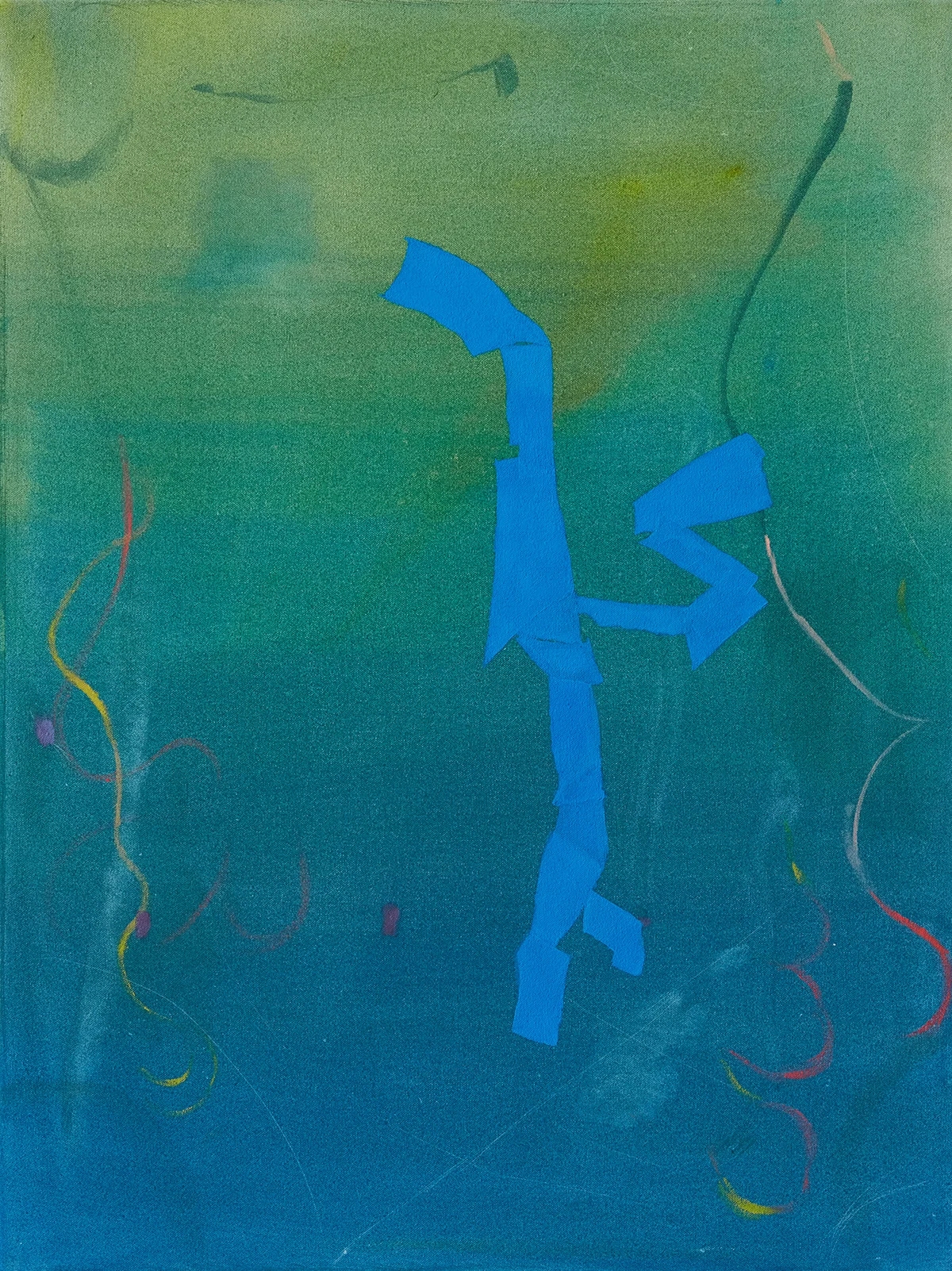
In the sprawling, concrete tapestry of the modern metropolis, most citizens move through spaces without a second glance at the layers of history—and decay—embedded in the surfaces surrounding them. For Chicago-based artist and arts administrator Madeline Gallucci, however, the urban landscape is not merely a backdrop; it is a repository of ephemeral narratives waiting to be transcribed. Through her evocative, textured paintings, Gallucci transforms the overlooked "scars" of the city—mismatched paint concealing vandalism, sun-bleached graffiti, and etched window glass—into permanent meditations on time, place, and the act of looking.
The Architecture of the Mundane: Main Facts
Madeline Gallucci’s practice operates at the intersection of observation and excavation. Her work is a formal investigation into "reflective and transitory sites." By focusing on the incidental marks left behind by urban life, she challenges the viewer to reconsider the value of the temporary.
Gallucci’s artistic vocabulary is deeply informed by her academic rigor. A 2012 BFA graduate of the Kansas City Art Institute, she later refined her conceptual framework at the University of Chicago, where she earned her MFA in 2020. This transition from technical training to theoretical inquiry is evident in the maturity of her work, which balances a sophisticated understanding of art history—specifically trompe-l’œil and color field painting—with a grit that is distinctly contemporary.
Her work functions as a dialectic between the transient and the enduring. When Gallucci paints a graffiti tag, she is not merely documenting a crime or a gesture; she is questioning what it means to freeze a "provisional" moment of urgency into a permanent, static object of high art. Her canvases become fields of accumulation, holding the "dust, weather, residue, and fragments of language" that define the texture of our daily existence.
A Chronological Evolution: From Kansas City to Chicago
To understand the trajectory of Gallucci’s career, one must look at the progression of her environment. Her early years at the Kansas City Art Institute provided a foundational grounding in traditional representation and craft. During this period, her focus was on the physical labor of painting, developing the brushwork and color sensitivity that would later become the hallmarks of her style.
Between 2012 and 2020, as she moved toward her MFA at the University of Chicago, her practice shifted from the observational to the analytical. During this pivotal window, she began to move away from the "subject" as a fixed entity, instead viewing the city as a fluid system of signs.
- 2012: Graduation from the Kansas City Art Institute. Initial explorations into traditional landscapes and urban structural studies.
- 2015–2018: Professional immersion in the Chicago arts ecosystem. Gallucci begins to document the specific visual language of Chicago’s urban decay, noting the way municipal workers "patch" graffiti with colors that never quite match the original surface.
- 2020: Completion of her MFA at the University of Chicago. Her thesis work solidifies the shift toward "fields of residue," marking the maturity of her signature style—a hybrid of realism and abstraction.
- 2021–Present: Expanding her footprint through solo exhibitions and administrative roles, Gallucci has become a voice for the "urban aesthetic," bridging the gap between studio practice and public discourse.
The Materiality of Memory: Supporting Data and Methodology
Gallucci’s methodology is rooted in the "archaeology of the present." She does not paint the city as it appears on a postcard; she paints it as it feels during a walk home at dusk. Her canvases are constructed using a meticulous layering process that mimics the weathering of the city itself.
The Influence of Color Field Painting
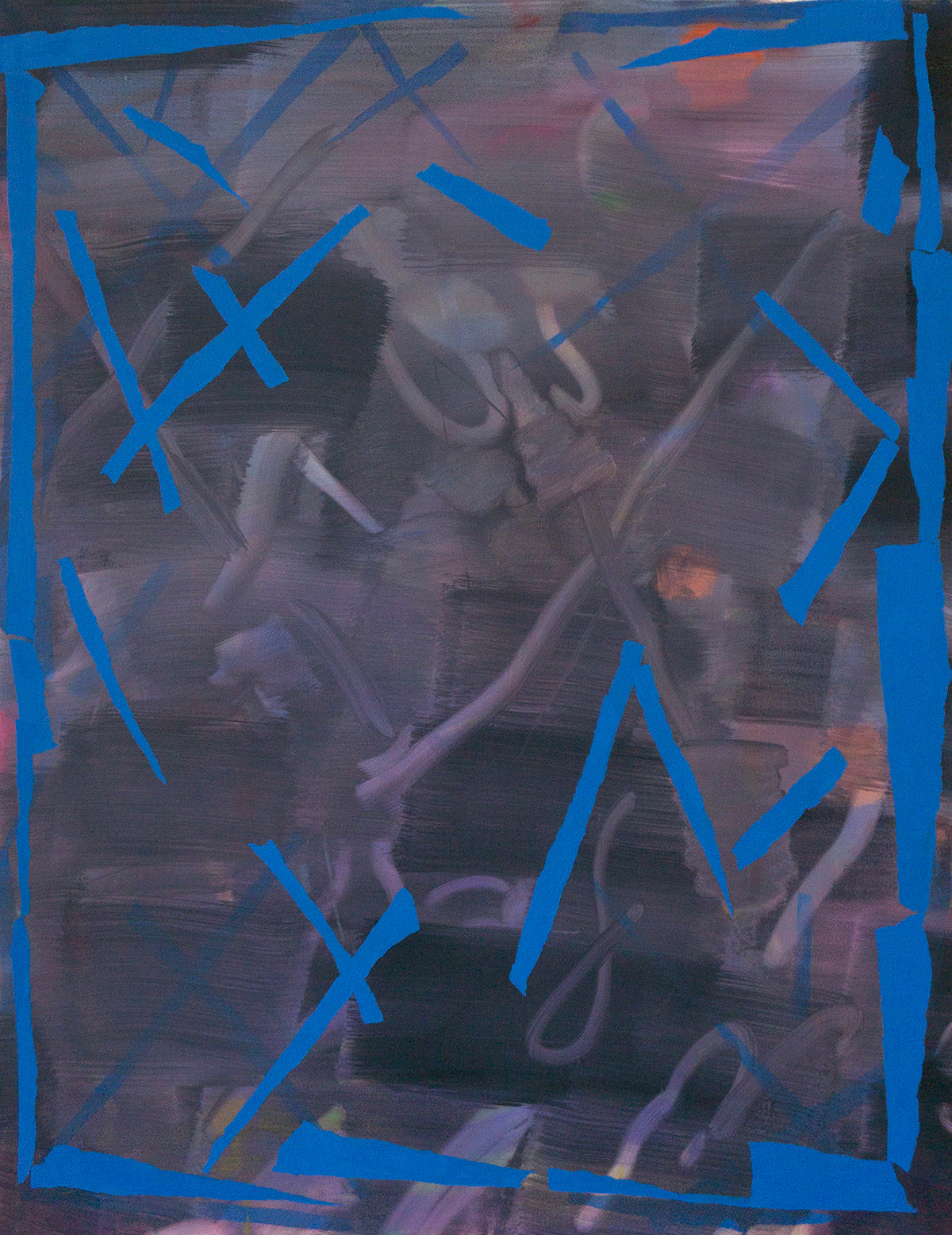
While her subject matter is grounded in the grit of the street, her technique draws heavily from the Color Field movement. Much like Helen Frankenthaler or Morris Louis, Gallucci is concerned with how color interacts with the surface of the canvas. However, where those artists sought purity and transcendence, Gallucci seeks "meaning from the mundane." She uses the color field as a way to frame the "nonsense" of urban fragments, giving dignity to the nonsensical scribbles and patches of paint that populate our periphery.
The Trompe-l’œil Paradox
By employing trompe-l’œil (the "deception of the eye"), Gallucci creates a secondary layer of irony. She invites the viewer to lean in, expecting to see a literal scratch on a window or a smear of spray paint, only to realize they are looking at a masterfully rendered oil or acrylic painting. This shift—from the illusion of the object to the realization of the paint—is the core of her intellectual project. She forces the viewer to acknowledge the artifice of their own perception.
Voices in the Field: Official Responses and Critical Discourse
The critical reception of Gallucci’s work highlights a growing appreciation for "New Urban Realism." Critics have frequently pointed to the way her work acts as a mirror to the viewer’s own indifference.

"Gallucci is an artist who treats the city as a canvas that is constantly being erased and rewritten," notes one prominent Chicago-based curator. "By capturing the ‘transitory,’ she is effectively archiving a version of the city that is destined to disappear by the next morning. It is a vital act of preservation."
Gallucci herself has been vocal about the motivation behind this aesthetic:
"Through painting, I construct fields that hold traces of what passes across them and what momentarily remains: dust, weather, residue, and fragments of language that feel both urgent and nonsensical. Pulling from trompe-l’œil and color field painting histories, I move between realism and abstraction to consider how meaning is constructed from the mundane."
This statement underscores her desire to elevate the "nonsensical." In an era dominated by digital noise, Gallucci’s commitment to the tactile, physical evidence of urban life serves as an essential, grounding anchor.
The Implications: Why the "Provisional" Matters
The implications of Gallucci’s work extend beyond the walls of a gallery. In an age of rapid gentrification and hyper-sanitization of urban spaces, her work serves as a silent witness to the layers of history that are often scrubbed away.
Cultural Preservation
By documenting the "scratches etched into windows" or "graffiti tags repeated throughout a neighborhood," Gallucci is essentially acting as a cultural historian. These marks are the fingerprints of a population that is often ignored by urban planners. When these marks are rendered in high-quality paint on canvas, they are removed from the cycle of erasure and placed into the realm of cultural memory.
The Psychology of Space
Gallucci’s paintings also force a psychological shift in the viewer. Once a viewer has been exposed to her work, their relationship with their own neighborhood changes. The "mundane" is no longer invisible. A patch of mismatched paint on a brick wall is no longer an eyesore; it is a composition. A tag on a bus shelter is no longer just vandalism; it is a fragment of a larger human narrative.
Future Trajectory
As Gallucci continues her work, the evolution of her practice will likely lean further into the tension between the digital and the physical. As we become increasingly detached from the physical surfaces of our environment, artists like Gallucci become even more necessary. She reminds us that the city is not just a place we inhabit, but a place we construct through our attention.
Conclusion
Madeline Gallucci’s art is an invitation to slow down. In a world that prizes the clean, the new, and the permanent, she dares to find beauty in the broken and significance in the temporary. Through her unique synthesis of academic history and street-level observation, she creates a space where the ephemeral is given a seat at the table of fine art. Her work remains a profound testament to the power of the artist’s gaze—a reminder that if we look closely enough at the dust, the weather, and the residue, we might just find the true, messy, and beautiful essence of our own lives.


 Nana
Nana
 Nana Wu