Sagoh
Sagoh
Sanctuary, Adorned with Decades of Dread and Triumph – As the hallowed halls of Sanctuary prepare for another chapter of unrelenting conflict, Blizzard Entertainment is poised to commemorate a monumental milestone: the 30th anniversary of the Diablo franchise. This evening, the gaming world will turn its gaze towards a highly anticipated "Diablo 30th Anniversary Spotlight" livestream, a celebratory event promising not just a nostalgic look back but, more crucially, a pivotal glimpse into the future of its flagship title, Diablo IV.
At the heart of tonight’s showcase lies the unveiling of the second new class slated for Diablo IV‘s ambitious "Lord of Hatred" expansion. This reveal is set to ignite the imaginations of millions of fans who have eagerly awaited fresh ways to combat the demonic hordes of the Burning Hells. Beyond the introduction of a new playable archetype, Blizzard has confirmed that the event will delve deeply into the expansion’s revamped skill trees and introduce a suite of new endgame mechanics, promising a significant evolution for the core game experience. The livestream is scheduled to commence today, [Insert Current Date], at 2pm PT, 5pm ET, and 10pm GMT, accessible to a global audience across official Diablo channels.
The significance of this event extends beyond Diablo IV, with updates also planned for the mobile-first Diablo Immortal and the beloved Diablo II: Resurrected. While no other major announcements have been officially teased, the community buzzes with persistent hopes for a long-rumored remaster of the original Diablo, a testament to the enduring legacy of the game that started it all. This anniversary spotlight isn’t merely a celebration; it’s a strategic move by Blizzard to reinvigorate player engagement and lay out a compelling roadmap for the franchise’s next decade.
Unveiling the Next Champion of Sanctuary: The Second Class Reveal
The excitement surrounding the "Diablo 30th Anniversary Spotlight" primarily orbits the promise of a new playable class for Diablo IV. This announcement follows the initial reveal of the "Lord of Hatred" expansion back in December, during which the first of two new classes, the Paladin, was confirmed. The introduction of new classes is a cornerstone of expansion content in the Diablo series, historically breathing new life into the gameplay loop and offering players fresh perspectives on Sanctuary’s eternal struggle.
The Lord of Hatred Expansion: A New Era for Diablo 4
The "Lord of Hatred" expansion, confirmed for an April 28 arrival, represents a critical juncture for Diablo IV. Since its launch, the game has undergone several seasonal updates, each introducing new mechanics, storylines, and quality-of-life improvements. However, a full-fledged expansion, particularly one introducing multiple new classes, signifies a more profound evolution. The choice of "Lord of Hatred" as the expansion’s title strongly suggests a narrative focus on Mephisto, one of the three Prime Evils and the titular Lord of Hatred, promising a dark and engaging storyline deeply rooted in Diablo lore. The Paladin, with its holy warrior archetype, sets a powerful precedent for the thematic direction of these new additions, emphasizing justice and light against the encroaching darkness. This second class is expected to complement the Paladin, potentially offering a contrasting playstyle or thematic alignment to enrich the overall roster.
Speculating on Sanctuary’s Newest Hero
With the Paladin already revealed, the speculation for the second class has been rampant across the Diablo community. Fans have meticulously combed through lore, past game archetypes, and even subtle visual cues for hints. Several possibilities emerge, each carrying its own weight of fan expectation and potential gameplay innovation:
- Amazon: A classic Diablo II favorite, the Amazon would bring a distinct ranged weapon mastery (bows, javelins) and potentially a unique blend of elemental and physical damage. Her agility and strategic positioning could offer a dynamic alternative to the existing ranged classes in Diablo IV.
- Monk: Hailing from Diablo III, the Monk is renowned for fast-paced, martial arts combat, often incorporating spiritual abilities and area-of-effect damage. A Diablo IV iteration could lean into a more gritty, fist-fighting style, perhaps with new spirit-based mechanics or combo systems.
- Witch Doctor: Another Diablo III veteran, the Witch Doctor commands dark magic, curses, and summons hordes of undead or grotesque creatures. This class would fulfill a distinct fantasy of a practitioner of forbidden arts, offering unique crowd control and pet-based gameplay that differs from the Necromancer’s more traditional undead army.
- Crusader: While the Paladin is already confirmed, the Crusader from Diablo III offers a distinct flavor of holy warrior – a heavily armored, shield-wielding zealot focused on relentless assault and divine protection. It’s less likely given the Paladin’s reveal, but a variant or a class with similar heavy armor/holy magic could still be considered.
- Blood Knight: A newer concept introduced in Diablo Immortal, the Blood Knight is a vampiric warrior who wields dark powers and can transform into a monstrous form. This edgy, dark fantasy class would fit perfectly with the "Lord of Hatred" theme and offer a fresh take on melee combat with life-stealing and demonic abilities.
- A Completely New Archetype: Blizzard has shown a willingness to innovate with classes like the Rogue in Diablo IV, which blended elements of the Assassin and Demon Hunter. The second class could be an entirely novel concept, perhaps a shapeshifting druidic variant focused on specific elements not covered by the existing Druid, or a specialized magical class drawing on unique lore elements from the upcoming expansion’s narrative.
The ultimate choice will likely reflect Blizzard’s strategic vision for Diablo IV‘s class balance, ensuring that the new addition fills a distinct niche in terms of playstyle, damage type, and fantasy, thereby enhancing the overall diversity and replayability of the game.
Beyond the New Class: Revamped Skill Trees and Evolving Endgame
While the new class is undoubtedly the headline, the "Lord of Hatred" expansion promises fundamental shifts to Diablo IV‘s core mechanics, particularly concerning revamped skill trees and new endgame features.
The skill tree system in Diablo IV at launch, while offering a sense of progression, has received mixed feedback from players. Many have called for greater depth, more impactful choices, and increased build diversity. A "revamp" suggests a significant overhaul, potentially introducing more branching paths, deeper synergies between skills, or even entirely new mechanics tied to skill point allocation. This could empower players to craft more unique and specialized builds, moving away from what some perceive as a limited meta. The success of this revamp will be crucial for the long-term health of the game, as robust build diversity is a hallmark of enduring action RPGs.
Furthermore, the introduction of new endgame mechanics and features is vital. Diablo IV‘s endgame, while featuring Nightmare Dungeons, Helltides, and World Bosses, has also faced criticism for its perceived repetition and lack of sustained long-term appeal for some players. The "Lord of Hatred" expansion is an opportunity to introduce innovative systems that encourage continued engagement, such as new types of challenging activities, unique progression paths, expanded itemization options, or perhaps even entirely new PvP or social features designed for high-level play. Players will be keen to see if these new additions address existing pain points, such as the perceived lack of meaningful item chase or the desire for more diverse high-level content.
A Legacy Forged in Hellfire: The Diablo Franchise Chronology
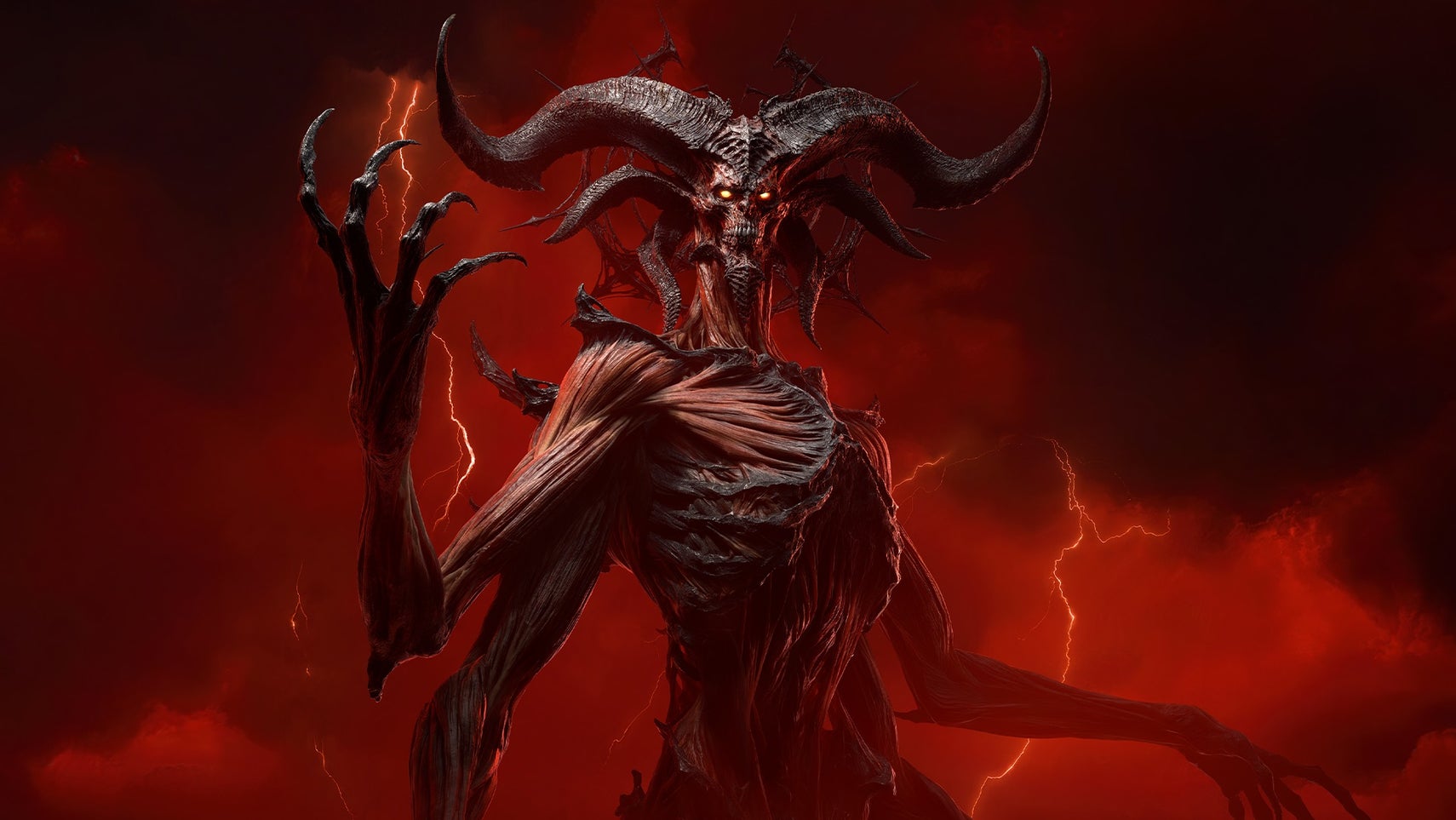
The "Diablo 30th Anniversary Spotlight" serves as a powerful reminder of the franchise’s enduring impact on the gaming landscape. Three decades is a significant achievement, marking a journey filled with innovation, evolution, and a consistent commitment to dark fantasy action RPG gameplay.
Three Decades of Darkness: From Tristram to Sanctuary
The Diablo saga began in 1996 with the release of the original Diablo. A groundbreaking title, it redefined the dungeon crawler genre with its dark, gothic atmosphere, randomly generated levels, and addictive loot-driven progression. Its success laid the foundation for one of gaming’s most iconic series.
Diablo II, released in 2000, is widely considered a masterpiece and arguably the pinnacle of the franchise for many fans. It expanded upon its predecessor in every conceivable way, introducing five distinct classes, vastly improved itemization, runewords, and a captivating narrative that took players across diverse regions of Sanctuary. Its expansion, Lord of Destruction, further cemented its legendary status.
After a long hiatus, Diablo III arrived in 2012, bringing the series into a new era with 3D graphics, a more dynamic combat system, and a controversial auction house (later removed). Despite initial mixed reactions, Diablo III evolved significantly over time, particularly with the Reaper of Souls expansion, which introduced Adventure Mode and the beloved Nephalem Rifts, solidifying its place as a robust and accessible action RPG.
The franchise ventured into the mobile space with Diablo Immortal in 2022, a free-to-play title designed for smartphones and PCs. While praised for its faithful recreation of Diablo’s combat on mobile, it garnered criticism for its aggressive monetization strategies.
Finally, Diablo IV launched in 2023, aiming to blend the dark aesthetic of Diablo I and II with the modern gameplay sensibilities of Diablo III. It brought a vast open world, a return to deeper character customization, and a live-service model designed for continuous content updates. The anniversary event highlights Blizzard’s ongoing commitment to this latest iteration.
Diablo 4’s Journey So Far
Diablo IV‘s post-launch journey has been characterized by a blend of enthusiastic engagement and critical feedback. The game quickly became Blizzard’s fastest-selling title, demonstrating the immense anticipation for a new mainline Diablo entry. Its seasonal model, with each "Season of the Malignant," "Season of Blood," and "Season of the Construct," has introduced new mechanics, battle passes, and narrative threads, keeping the world of Sanctuary dynamic.
However, this journey hasn’t been without its challenges. Player feedback has often focused on aspects such as itemization depth, the perceived grind of the endgame, and the balance of various classes. Blizzard has largely been responsive, issuing numerous patches, hotfixes, and developer updates to address community concerns, showcasing a commitment to evolving the game based on player experience. The "Lord of Hatred" expansion, with its promise of revamped skill trees and new endgame features, directly addresses some of these persistent community requests, indicating a maturation of Diablo IV‘s design philosophy.
Sustaining the Ecosystem: Updates for Immortal and Resurrected
Beyond Diablo IV, the anniversary spotlight will also provide updates for Diablo Immortal and Diablo II: Resurrected. These games continue to maintain active player bases and represent important facets of the broader Diablo ecosystem.
Diablo Immortal, despite its controversies, remains a popular mobile title, especially in markets where mobile gaming dominates. Regular content updates, including new zones, classes, and seasonal events, are crucial for retaining its player base and driving continued engagement. Tonight’s update will likely detail the next wave of such content, ensuring the game’s ongoing vitality.
Diablo II: Resurrected, a faithful remaster of the classic, has been a critical and commercial success, allowing a new generation of players to experience the timeless gameplay while satisfying the nostalgia of veterans. Blizzard has continued to support Resurrected with ladder resets, bug fixes, and occasional minor content additions, demonstrating a commitment to preserving and maintaining this beloved entry. The updates for Resurrected will likely focus on similar quality-of-life improvements or perhaps the schedule for upcoming competitive ladder seasons.
Official Statements and Community Expectations
Blizzard’s approach to communicating with its community, especially regarding the Diablo franchise, has become increasingly transparent in recent years. While the original article doesn’t contain direct quotes for this specific event, the nature of the "Spotlight" itself is an official communication, framing Blizzard’s intentions for the future.

Blizzard’s Vision for Diablo 4’s Future
The very existence of a "Lord of Hatred" expansion arriving just over a year after Diablo IV‘s launch, coupled with the promise of two new classes, revamped core mechanics, and extensive endgame content, underscores Blizzard’s ambitious long-term vision for the game. This strategy aligns with the modern live-service model, where expansions serve as major injections of content that refresh the experience and provide new monetization opportunities.
Blizzard’s developer updates and quarterly reports have consistently emphasized a dedication to listening to player feedback. This includes addressing concerns about itemization, which many players feel lacks the depth and excitement of previous Diablo titles, and enhancing build diversity to prevent a stale meta. The focus on "revamped skill trees" directly reflects this commitment to refining core gameplay systems based on community input. The development team has often articulated a desire to ensure Diablo IV grows into a game that respects its legacy while pushing the franchise forward, balancing the desires of hardcore fans with the accessibility needed for a broad audience.
The Enduring Dream of a Diablo 1 Remaster
Amidst the excitement for Diablo IV and updates for other titles, a quiet but persistent yearning exists within the community for a proper remaster of the original Diablo. This sentiment often resurfaces during anniversary celebrations, highlighting the deep affection many players hold for the game that started it all.
The original Diablo laid the groundwork for the entire genre, but its archaic graphics and limited accessibility on modern systems make it a challenging experience for contemporary players. A full remaster, similar to Diablo II: Resurrected, would ideally update the visuals, improve quality-of-life features, and ensure seamless compatibility, all while preserving the original game’s dark atmosphere and challenging gameplay.
However, the prospect of a Diablo I remaster faces unique challenges. The original game’s code is notoriously difficult to work with, and Blizzard has historically been cautious about re-releasing older titles without significant investment. While the success of Diablo II: Resurrected demonstrates the market for such projects, a Diablo I remaster would likely require a significant undertaking. The lack of any official tease or even a dismissive comment from Blizzard during this anniversary leaves the dream alive but firmly in the realm of community speculation, suggesting it’s not on the immediate horizon.
The Path Ahead: Implications for Sanctuary and Beyond
The "Diablo 30th Anniversary Spotlight" and the details surrounding the "Lord of Hatred" expansion carry significant implications for the future of Diablo IV and the broader Diablo franchise.
Reshaping the Metagame and Player Experience
The introduction of a new class, particularly one that fills a distinct niche, will undoubtedly shake up the metagame. Players will eagerly experiment with new builds, explore synergies with existing classes, and discover optimal strategies for high-level content. This influx of novelty is crucial for maintaining player engagement, encouraging returning players, and attracting new ones. The revamped skill trees, if executed successfully, could lead to a renaissance of build diversity, empowering players to craft truly unique characters and fostering a healthier, more varied competitive and cooperative environment. Similarly, innovative endgame mechanics could provide the much-needed longevity and sense of progression that keeps players invested for hundreds, if not thousands, of hours.
Economic and Brand Impact
From an economic perspective, the "Lord of Hatred" expansion represents a major revenue driver for Blizzard. Expansions are premium content that generates significant sales, often accompanied by new cosmetic bundles, Battle Passes, and other microtransactions. The success of this expansion will directly impact Blizzard’s financial performance and its confidence in the live-service model for Diablo IV.
Beyond revenue, the event and the expansion are vital for Blizzard’s brand image. A successful anniversary celebration, coupled with compelling new content that resonates with the player base, can significantly boost community morale and reinforce Blizzard’s reputation as a developer capable of delivering high-quality, long-lasting gaming experiences. Conversely, a lukewarm reception could lead to renewed skepticism, highlighting the high stakes involved in tonight’s revelations.
A Future for the Ages?
As the Diablo franchise enters its fourth decade, the "Lord of Hatred" expansion and the insights revealed during the 30th Anniversary Spotlight will be instrumental in charting its course. This event is more than just a reveal; it’s a statement of intent from Blizzard, signaling a robust and ambitious future for Diablo IV. By addressing player feedback, introducing substantial new content, and continuing to nurture its existing titles, Blizzard aims to ensure that the iconic struggle against the Burning Hells remains as compelling and captivating as it was three decades ago, promising a future filled with fresh horrors and heroic triumphs for generations of adventurers to come. The eyes of Sanctuary, and indeed the gaming world, are fixed on tonight’s broadcast, awaiting the dawn of Diablo’s next era.


 Lina Irawan