Basiran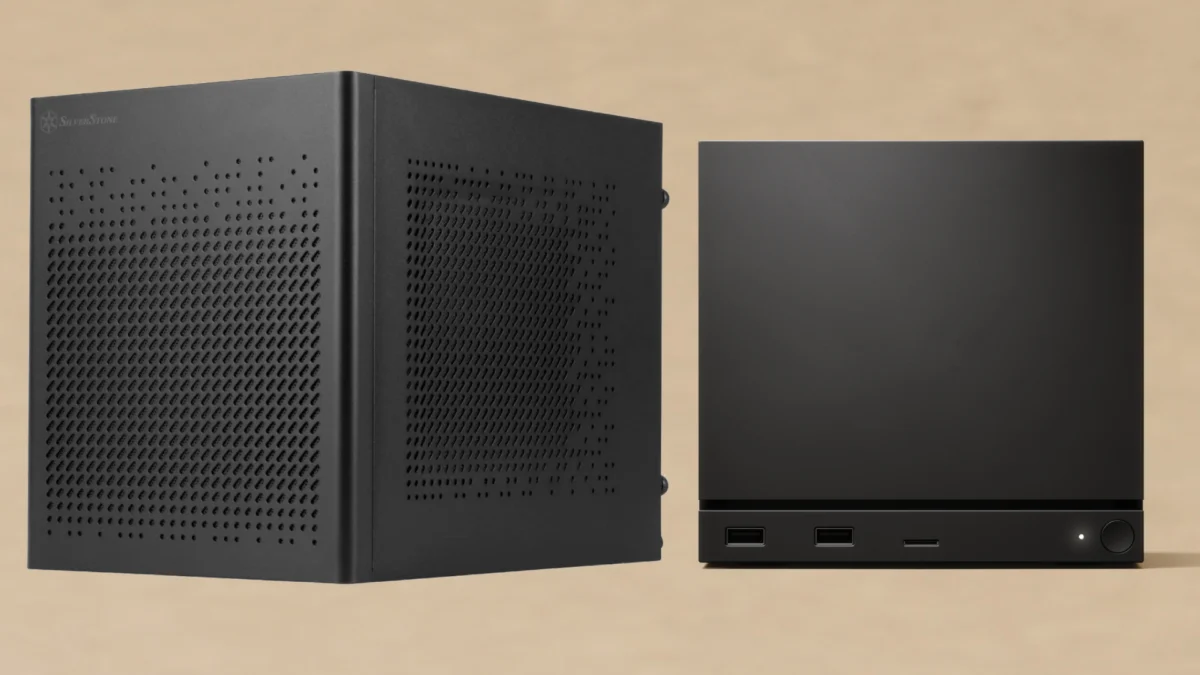
The gaming world is currently reeling from the long-awaited price reveal of Valve’s latest hardware venture: the Steam Machine. For years, the community held onto the hope that Valve would release a dedicated, console-sized powerhouse that could seamlessly bridge the gap between the living room and the desktop. Instead, the announcement has sparked widespread disappointment, with prospective buyers and industry analysts alike questioning the value proposition of a machine that feels outdated the moment it hits the market.
With entry-level configurations starting at a staggering $1,049 and premium models reaching $1,349, the Steam Machine enters a competitive space occupied by consoles that offer significantly better performance for half the price. By abandoning the consumer-friendly pricing model that defined the success of the Steam Deck, Valve has left many wondering: who is this device actually for?
The Price of Admission: A Breakdown of the Controversy
The core of the backlash lies in the stark contrast between expectation and reality. When Valve first teased a "console-sized" rival to the PlayStation 5 and Xbox Series X, the industry anticipated a machine that prioritized efficiency and accessibility. However, the current economic climate—defined by a persistent global RAM crisis and surging costs for high-speed flash storage—has clearly influenced the final MSRP.
The base model, priced at $1,049 (£879), offers a 512GB configuration, while the 2TB variant sits at a daunting $1,349 (£1,149). Perhaps most egregious is the lack of peripheral support; these price points do not include the updated Steam Controller, nor do they bundle a keyboard or mouse. Consumers are essentially paying a premium for a proprietary small-form-factor chassis that, by modern metrics, houses underwhelming hardware.
This pricing strategy represents a dramatic departure from the ethos that turned the Steam Deck and Steam Deck OLED into runaway hits. Those devices succeeded because they offered a "good enough" experience at a price that democratized PC gaming. The Steam Machine, conversely, feels like a luxury product with mid-range utility.
A Chronology of Valve’s Hardware Ambitions
To understand why the Steam Machine has caused such a stir, we must look back at Valve’s complicated history with home hardware.
2013-2015: The First Attempt: Valve’s initial foray into the living room, the original "Steam Machines," were a collective effort with third-party manufacturers. They failed primarily due to an immature SteamOS and a lack of optimized software support. They were clunky, expensive, and fundamentally misunderstood by the average consumer.
2021-2022: The Redemption Arc: The release of the Steam Deck was a masterclass in hardware design. It prioritized the user experience, leveraged a highly customized AMD APU, and benefited from a robust library of verified titles. It proved that Valve could compete in the handheld space by focusing on the "portable PC" narrative.
2024-2025: The Development Cycle: Valve spent these years refining the concept of a dedicated, high-performance home box. Early marketing materials hinted at "six times the horsepower of the Steam Deck," suggesting a console that could handle 4K gaming with ease.
2026: The Reveal: The official launch announcement finally confirmed the specs. The transition from the "six times the power" marketing pitch to the reality of an aging RDNA 3 APU created a disconnect that the company has struggled to bridge in the weeks since the reveal.
Technical Specifications: The "Cube" Under the Microscope
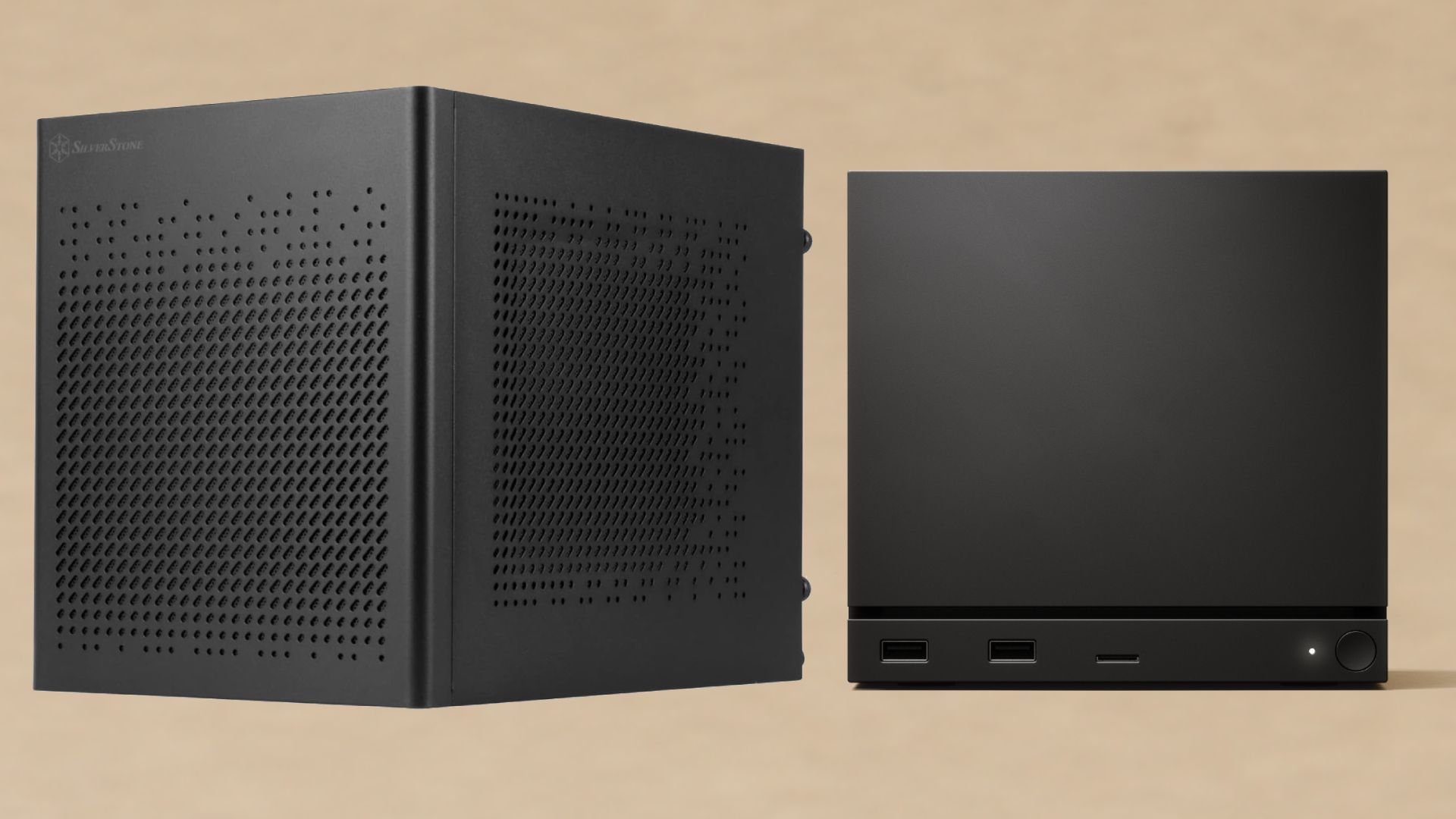
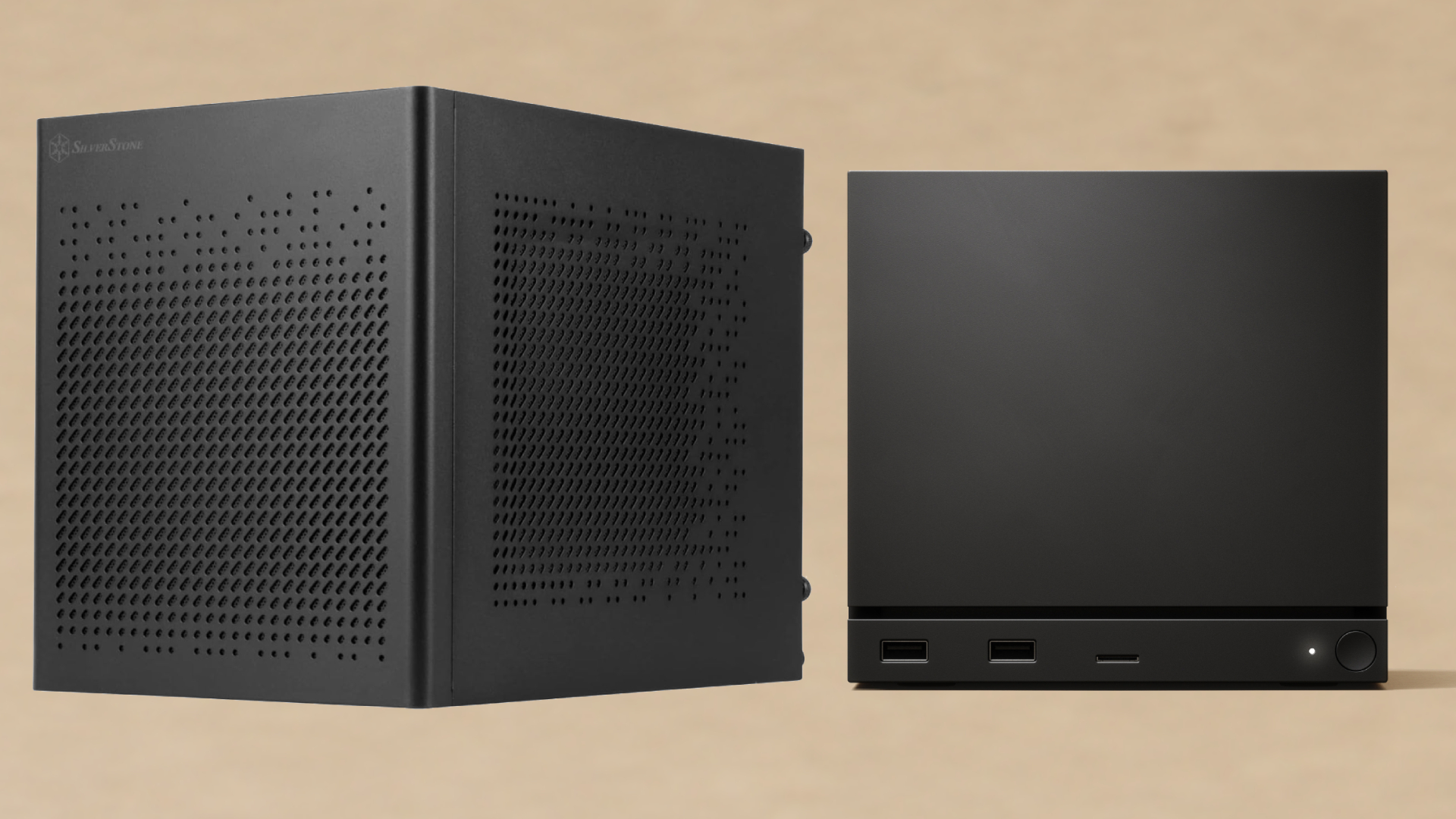
The Steam Machine is built around a small-form-factor (SFF) "cube" chassis measuring just six inches on each side. While the aesthetic is undoubtedly minimalist and sleek, the thermal and power limitations inherent in such a compact space have forced significant compromises.
The Baseline Specs:
- CPU: Semi-custom AMD Zen 4 (6C/12T)
- GPU: Semi-custom AMD RDNA 3 (28 CUs)
- RAM: 16GB DDR5
- VRAM: 8GB GDDR6
- Storage: 512GB – 2TB NVMe SSD + microSD support
- OS: SteamOS 3 (Arch Linux-based)
The decision to stick with the previous-generation RDNA 3 architecture is the primary technical failure of the device. In an era where ray tracing and advanced frame generation are becoming standard, an aging APU—even one with custom optimizations—struggles to keep pace. Benchmarks suggest that the device is heavily CPU-hamstrung, leading to inconsistent frame rates in modern titles.
The Reality of 4K Performance
Valve’s initial claims of 4K60 performance have been quietly walked back on the official product page, now replaced by the more cautious "Up to 4K gaming with FSR 4.1." This is a crucial distinction. Like the current generation of consoles, the Steam Machine relies heavily on dynamic scaling and temporal upscaling to achieve a 4K output.
However, unlike the PS5 or Xbox Series X, which were optimized specifically for this task over several years, the Steam Machine’s hardware simply lacks the brute force to sustain this at 60FPS. In testing, titles like Baldur’s Gate 3 barely maintain 60FPS at 1080p on low settings. While this meets the "Steam Machine Verified" badge requirements, it is a far cry from the "premium living room experience" that the price tag suggests.
The DIY Alternative: Why You Should Build Your Own
The most damning indictment of the Steam Machine is how easily it can be outperformed by a custom-built PC at the same price point. Using a standard Mini-ITX motherboard and a dedicated discrete GPU, users can build a machine that is not only more powerful but also more upgradeable.
Building a $1,049 Alternative
By opting for an AM4 build centered on an AMD Ryzen 5 5600 and pairing it with a modern mid-range GPU, a user can achieve native performance that dwarfs the Steam Machine. The inclusion of a discrete GPU removes the bottleneck of shared VRAM, allowing for higher textures and more stable frame pacing.
Building a $1,349 Alternative
At the higher price point, the DIY advantage becomes insurmountable. A build featuring the Ryzen 5 9600X and an RTX 5060 delivers enough overhead to play modern titles at 1440p with high settings, utilizing NVIDIA’s DLSS 4.5 for frame generation that makes the Steam Machine’s FSR-dependent output look archaic.
Official Responses and Market Implications
Valve has remained largely silent on the specific criticisms regarding the hardware’s performance, opting instead to maintain a strict waitlist policy. This scarcity-driven model suggests that Valve may be aware of the limited appeal and is attempting to manage supply to prevent the market from being flooded with unsold units.

The implications for the PC gaming market are significant. By positioning the Steam Machine as a premium product, Valve risks alienating the core enthusiast base that built their ecosystem. If this hardware fails to gain traction, it may lead to a permanent shift in how Valve approaches hardware: moving away from "box" products and focusing exclusively on handhelds and software services.
Conclusion: A Lost Opportunity
The Steam Machine is a curious relic of a design philosophy that should have stayed in the past. It attempts to sell a closed-ecosystem experience—the "console-like" convenience—at a price point that defies the very nature of PC gaming.
For the average consumer, there is little reason to choose the Steam Machine over a console or a well-planned DIY PC build. It is a machine that tries to be everything to everyone but ends up being a specialized, overpriced, and underpowered curiosity. Unless Valve pivots to a more aggressive pricing strategy or releases a hardware revision that actually justifies its cost, the Steam Machine is destined to be remembered as a footnote in the company’s otherwise stellar hardware portfolio.
As we look toward the future of home gaming, the lesson remains clear: hardware is only as valuable as the performance it provides per dollar. On that metric, Valve has failed to deliver.


 Asep Darmawan
 Asro
Asro