Asro
Asro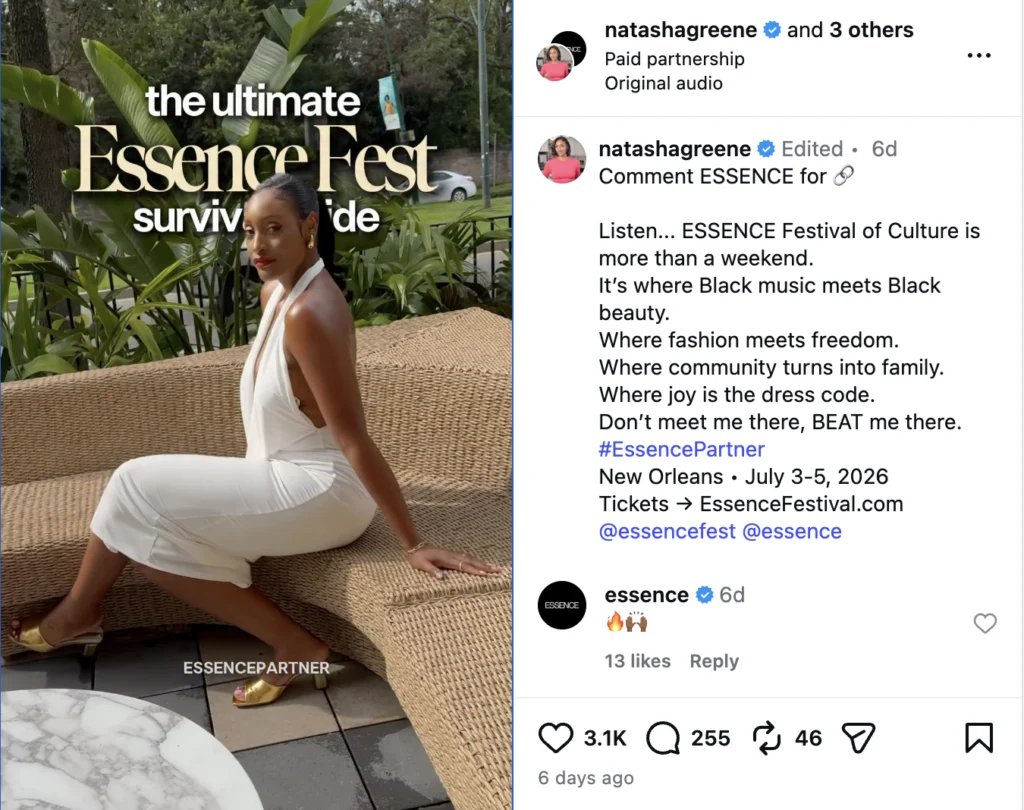
Welcome to the inaugural installment of the Social Futures Report. As we cross the mid-year threshold of 2026, the landscape of digital communication has undergone a seismic shift. The era of the "faceless corporate account" is rapidly receding, replaced by a mandate for human-centric, data-informed, and experience-driven social strategy.
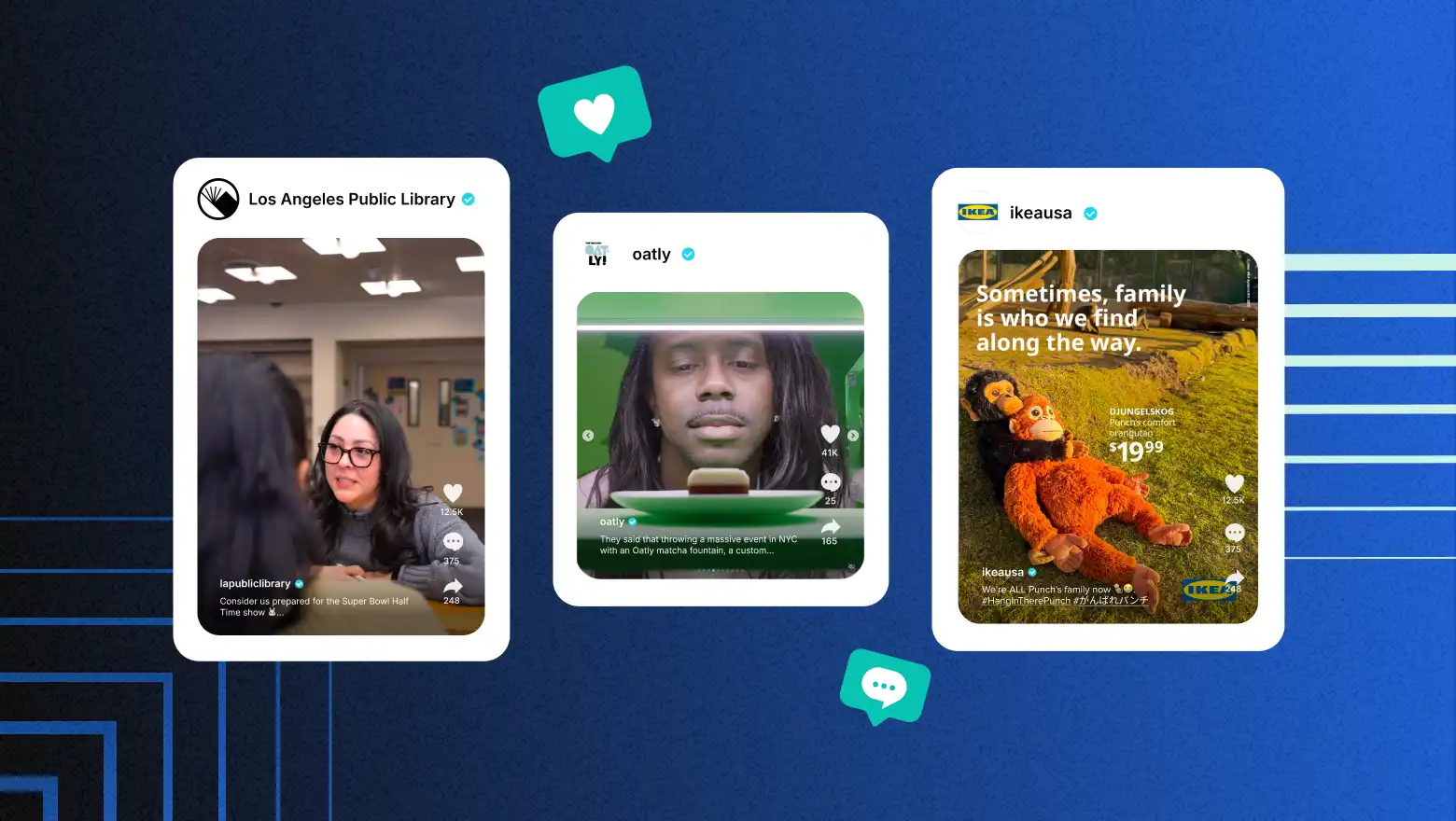
In this report, we analyze the brands that have defined the first half of 2026. These are not merely entities that post with high frequency; they are the organizations that stopped us mid-scroll, sparked genuine conversation, and bridged the widening gap between algorithmic fatigue and authentic human connection.
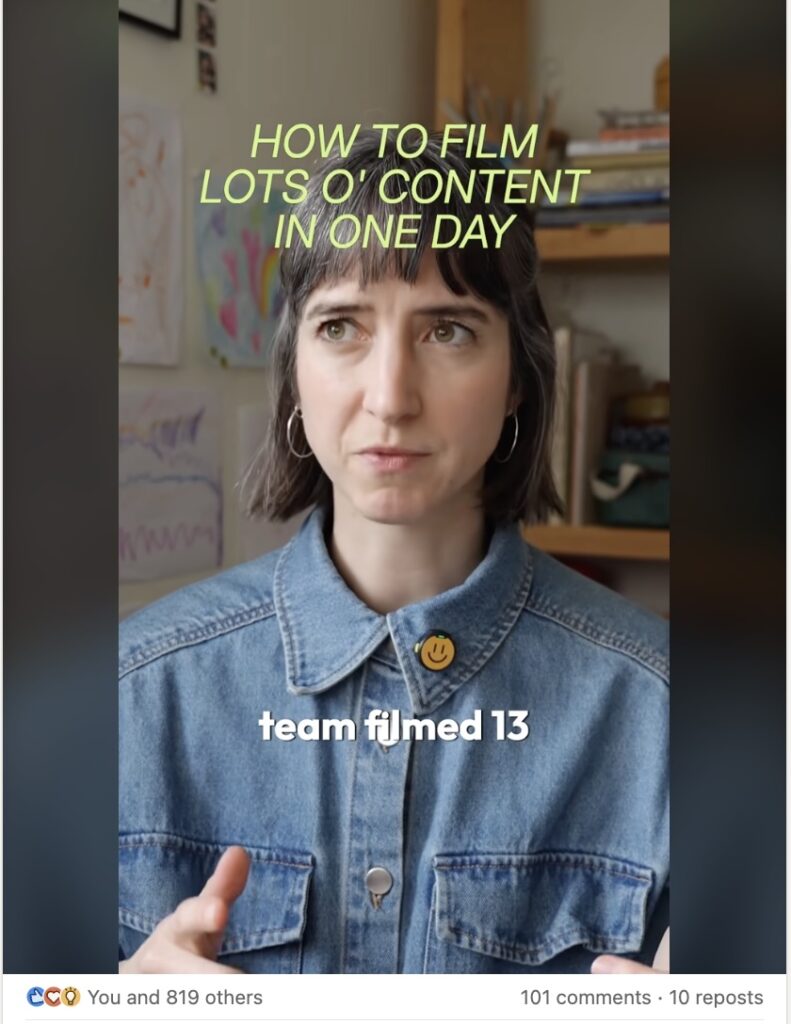
The Shift to Human-Generated Content
2026 has been a transformative year for Employee-Generated Content (EGC). In a digital ecosystem saturated with AI-generated synthetic media, consumers are signaling a profound preference for the "human touch."

The Data Behind the Human Pivot
According to Sprout Social’s Q2 2026 Pulse Survey, four in 10 consumers now frequently discover products through employee-created content. This figure climbs to 48% among Millennials and a staggering 62% for Gen Z. Perhaps most importantly, consumers explicitly state a desire to see frontline employees—the workers on the ground—rather than polished executive PR.
Case Study: Slate’s Content Ecosystem
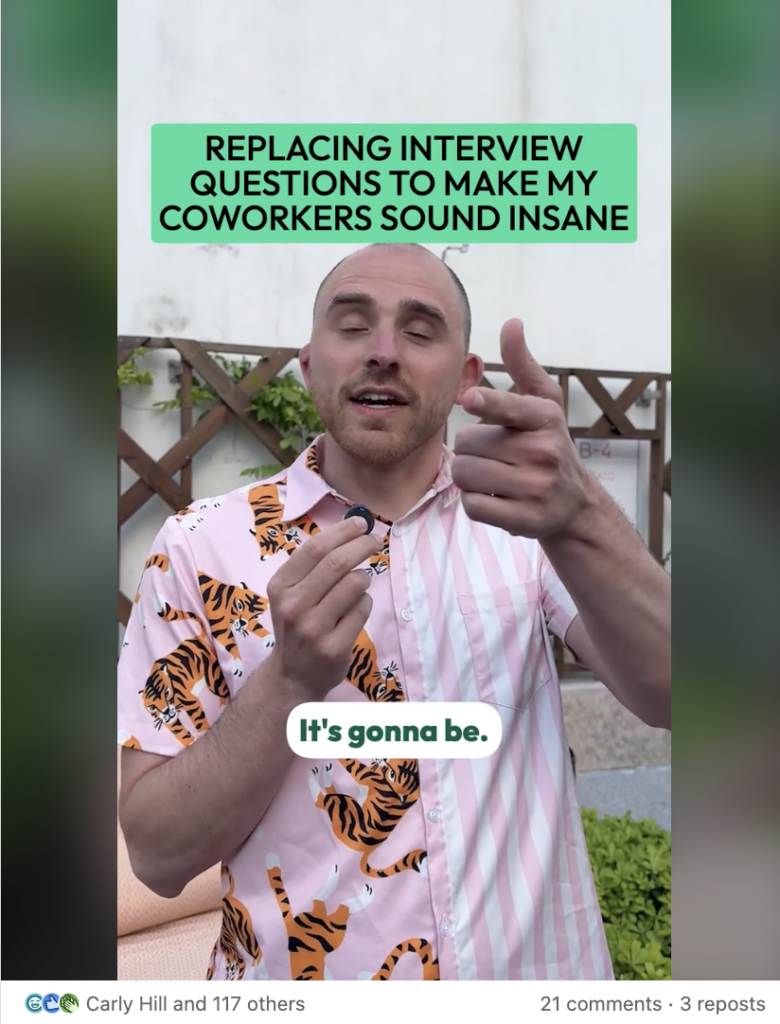
Slate, an AI-powered content creation platform, has mastered the art of the "human ecosystem." Rather than focusing solely on the brand’s primary handle, Head of Marketing Christina Le has pivoted to increasing the "surface area" of the brand through its employees. By empowering staff members to act as individual creators with personal brands, Slate has achieved a level of reach and trust that a singular corporate account could never capture. Whether it’s Content and Social Lead Carmen Vicente’s authentic storytelling or absurdist, personality-driven team interviews, Slate has proven that B2B brands can thrive by embracing the messiness and humor of human connection.
Creating the Third Space: IRL and Digital Convergence
The modern consumer is experiencing "algorithm fatigue." As passive scrolling yields diminishing returns for brand affinity, the most successful organizations are investing in "third spaces"—physical or virtual gathering points that exist outside the transactional funnel.
Chronology of the Experience Economy
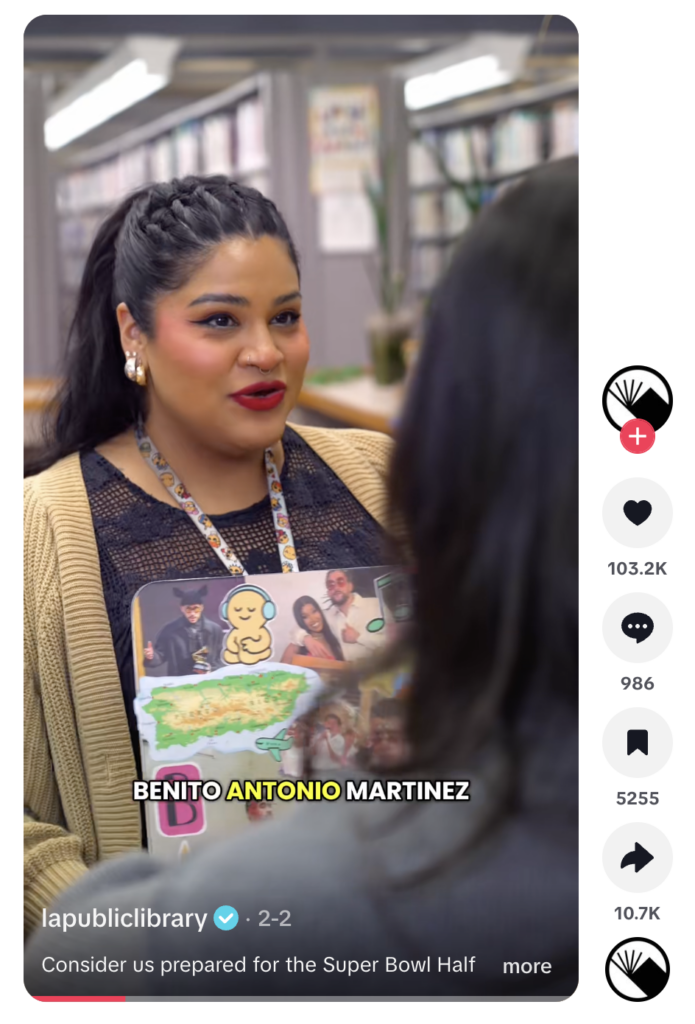
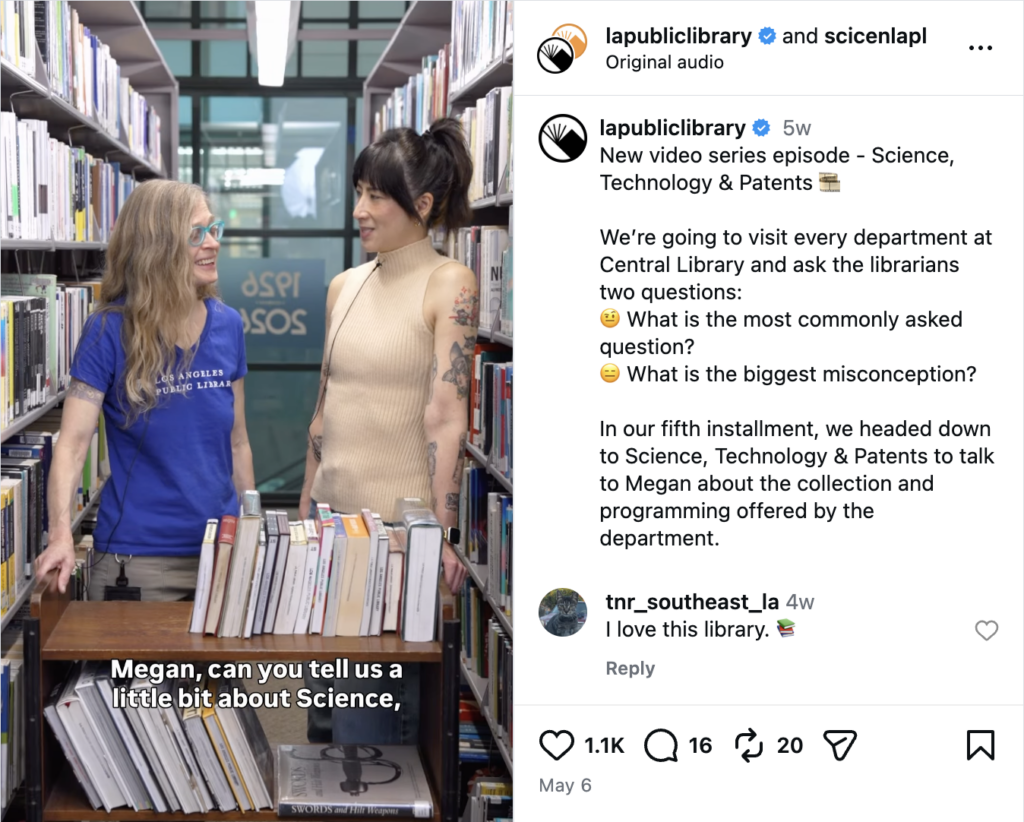
- Q1 2026: LA Metro launches a series of creator partnerships and community-centric content, effectively rebranding a transit system into a cultural hub.
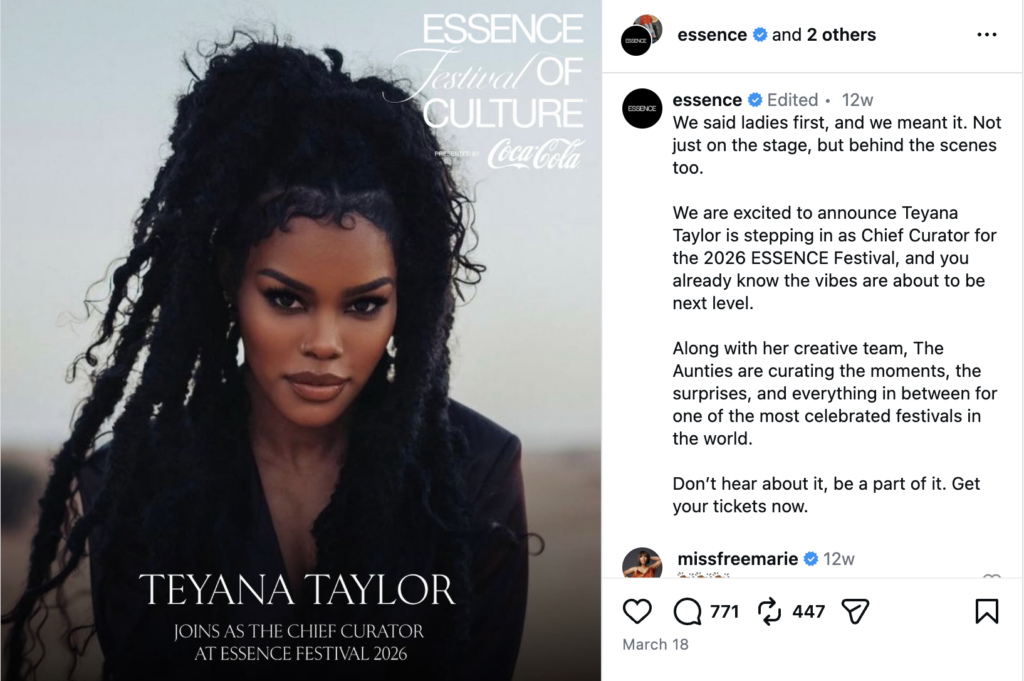
- Q2 2026: ESSENCE Festival of Culture redefines the brand-event relationship by appointing a Chief Curator, Teyana Taylor, turning a festival into a year-round cultural movement.
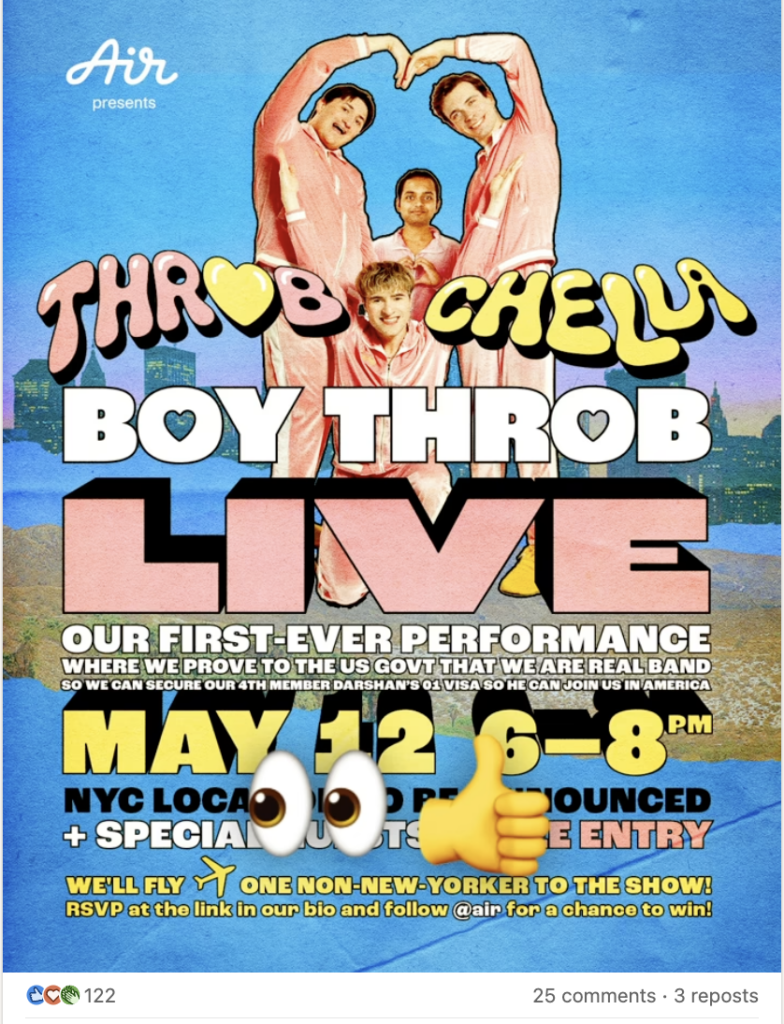
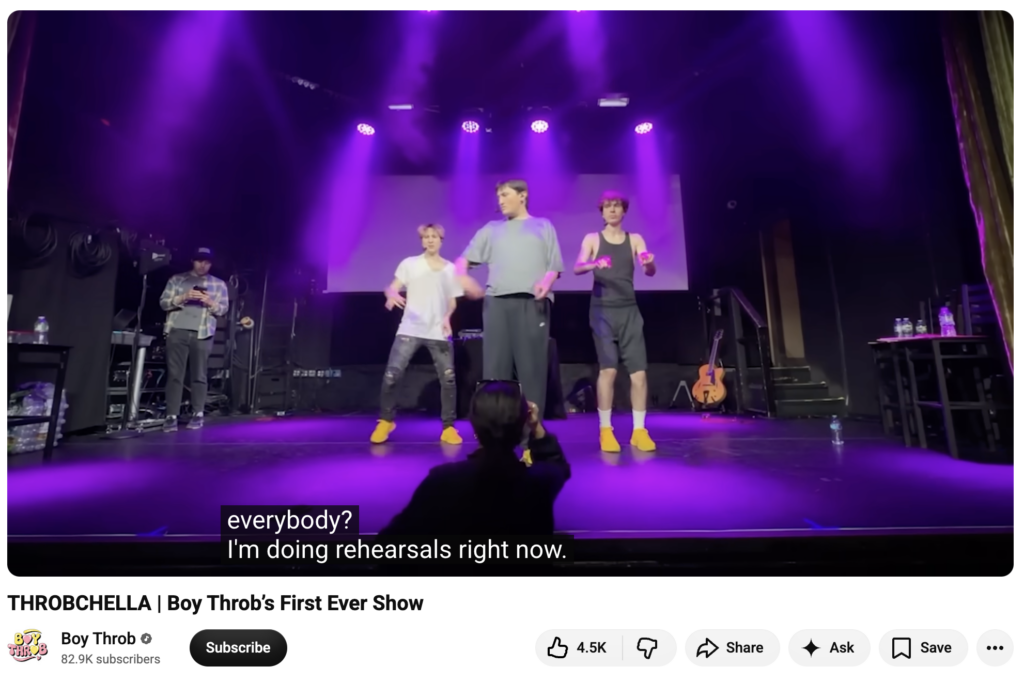
- Q2 2026: Air, a creative operations brand, facilitates a sold-out concert for the viral band "Boy Throb," proving that B2B brands can command massive attention by bankrolling genuine cultural moments.
The Implications for Public and Private Sectors
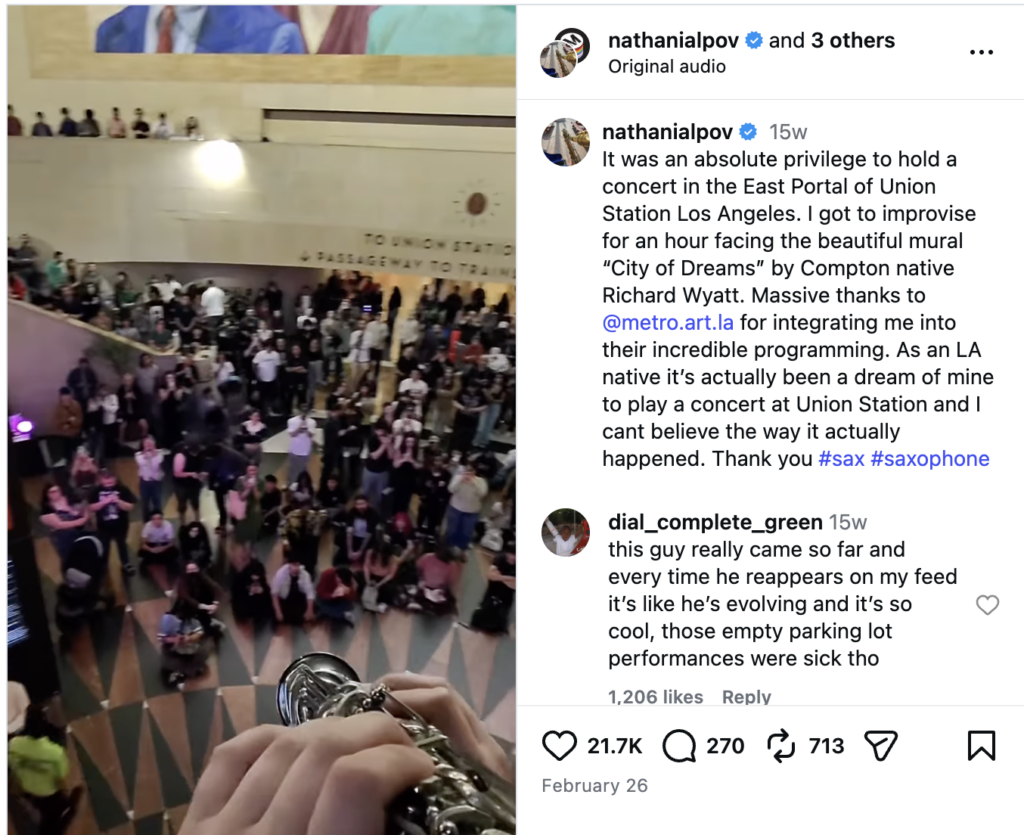
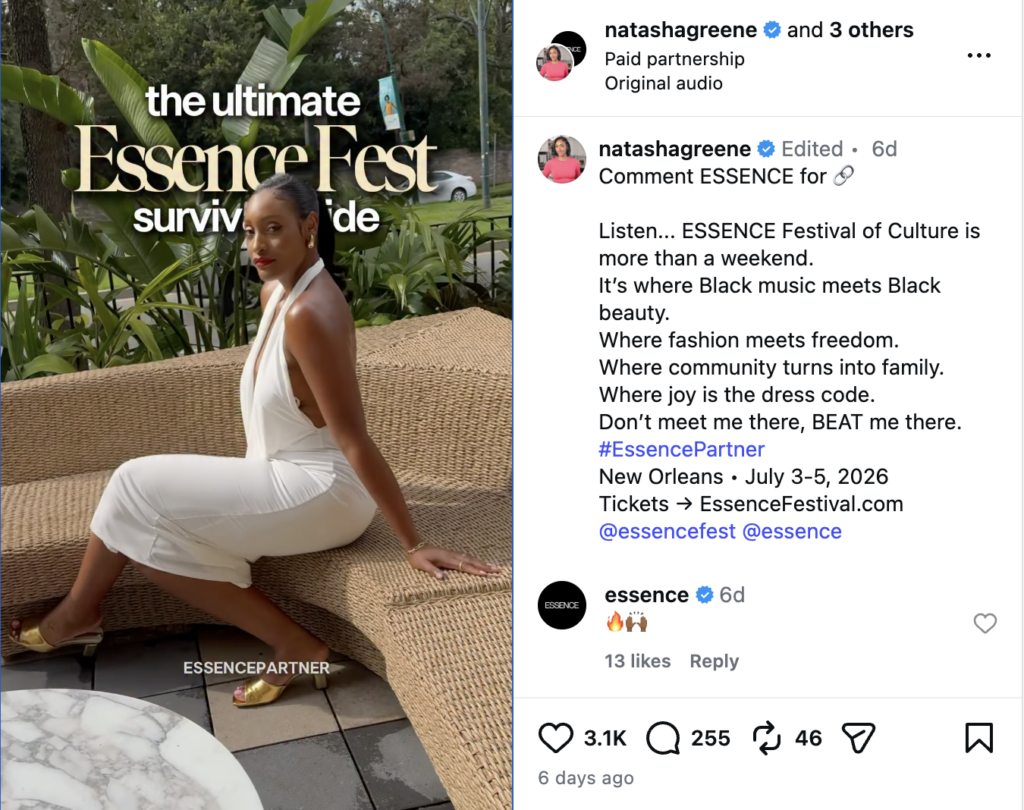
The success of LA Metro’s collaboration with creator @NathanialPOV—a saxophone performance at Union Station that garnered over five million views—demonstrates that government agencies can unlock massive positive sentiment by positioning their infrastructure as a stage for community expression. Similarly, ESSENCE Fest’s strategy of providing "survival guides" and solo-traveler tips transforms the event into a community resource rather than just a ticketed product.
Trendjacking vs. Originality: The 2026 Tightrope
Brands currently operate on a precarious edge. While 70% of social users believe brands do a good job of keeping up with cultural trends, 43% argue that brands are failing to produce truly original content. The solution, as demonstrated by the leaders of 2026, is to treat timely reactions and long-form original content as a dual-track strategy.
The "Backrooms" Phenomenon: McDonald’s Proactive Approach
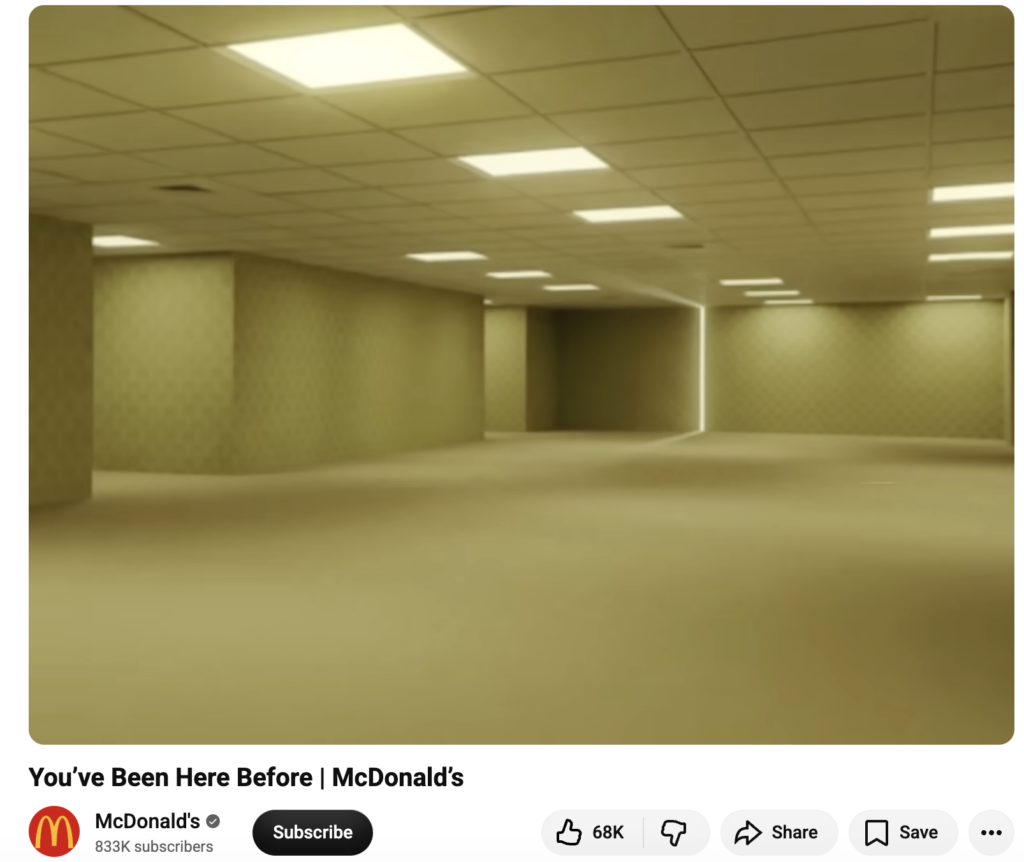
When the viral horror concept "Backrooms" took over social feeds, McDonald’s didn’t just react; they integrated. By releasing a parody video on the day of the film’s release, featuring first-person POV navigation through a liminal space branded with their products, they achieved a 7.38% engagement rate—nearly 11 times their typical YouTube benchmark. This illustrates the transition from reactive trendjacking to proactive cultural participation.
IKEA and the Responsive Project Team
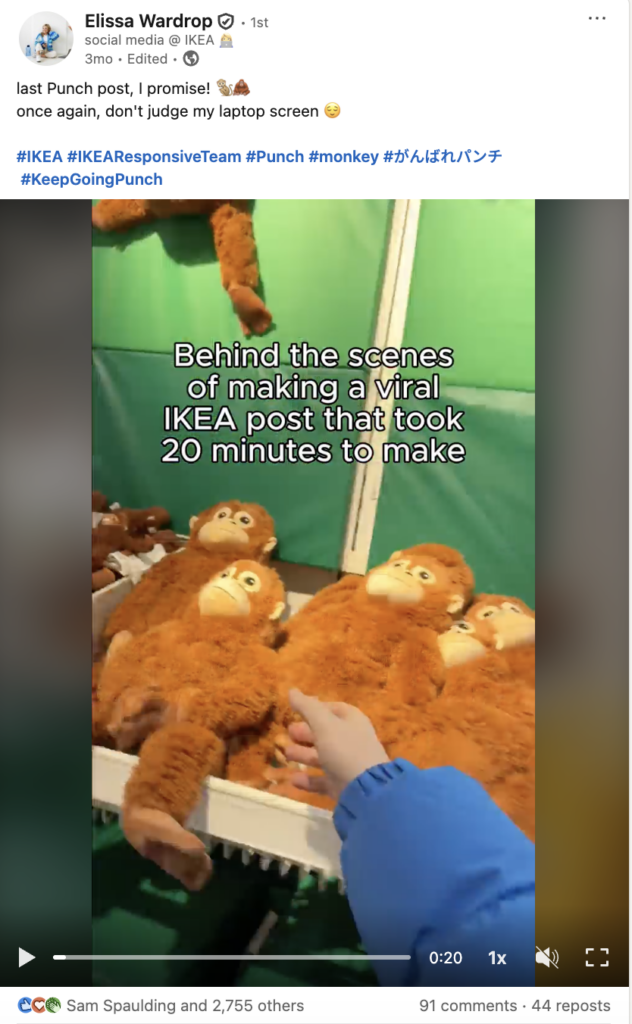
IKEA has formalized this necessity by creating a "Responsive Project Team." This internal production arm is dedicated solely to agility. By focusing on pop culture moments—ranging from Taylor Swift’s influence to niche internet memes—the team has managed to secure top-tier organic impressions across global markets. Their secret? Dedicated, specialized personnel whose primary KPI is the speed and creativity of their response.
Original Content: Building Brand Universes
Beyond the fleeting nature of trends, brands are increasingly building "Brand TV." This involves creating serialized, narrative-driven content that viewers actively seek out, rather than passively consume.
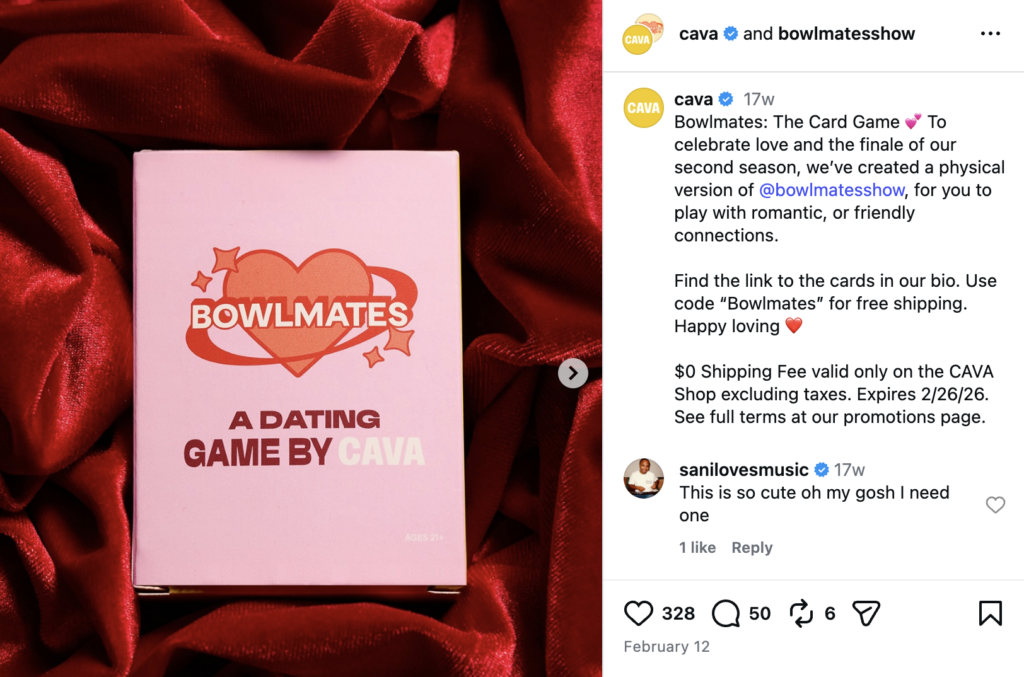
Cava’s Bowlmates
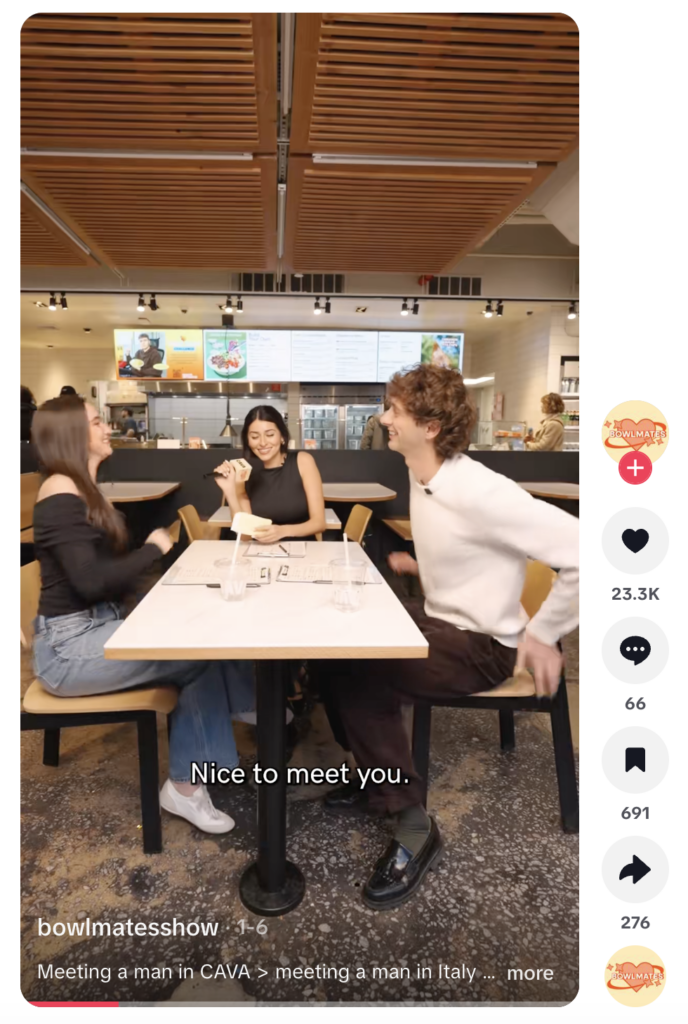
Cava’s dating show, Bowlmates, serves as a masterclass in original content. By gamifying the customer experience and turning it into a watchable, personality-driven series, Cava has transformed a quick-service restaurant into an entertainment entity. The release of a Bowlmates card game further cements the brand as a lifestyle staple rather than just a meal provider.
Yale School of Public Health: The Subversive Infographic
In an era of misinformation, the Yale School of Public Health has taken an unconventional approach to education. By using Gen Z-coded language—such as "Ask your besties which STI prevention method you are"—they have turned dry, clinical data into shareable, viral content. Their ability to make public health information "share-worthy" is perhaps the most significant achievement in institutional communications this year.
Social Intelligence as a Research Engine
A common failure in 2026 is the misclassification of social media as a mere "communications" channel. Data shows that only 36% of marketers use social data to inform broader business functions. The brands that are winning have broken down these silos.
Oatly and the Innovation Pipeline
Oatly’s success is not accidental. The company uses social listening not just to track sentiment, but to drive R&D. When they noticed influencers and niche bike racing communities discussing the use of Oatly in matcha lattes, the brand didn’t just post about it; they used that data as a primary proof point to justify a new product launch. This represents the pinnacle of social intelligence: moving from listening to action.
Burger King’s Mea Culpa
Burger King’s "There’s a New King and It’s You" campaign during the Oscars represents a landmark moment in corporate accountability. By publicly acknowledging customer complaints sourced directly from social media, the brand built massive amounts of trust. It was a tangible example of a corporation using social feedback to pivot their operational strategy.
Slack’s Agile Joy
Even simple insights can yield massive results. When Slack noticed users were keeping Huddles open just to listen to the hold music, they didn’t ignore the behavior. They packaged the tracks into YouTube playlists. This agility—turning "background noise" into a brand product—resulted in immediate, pure customer delight.
Strategic Implications for the Second Half of 2026
As we look toward the remainder of the year, three pillars emerge for any brand looking to remain relevant:
- Invest in Human Ecosystems: Move beyond the brand handle. Build a network of employees and creators who can act as the human face of your mission.
- Operationalize Agility: If you do not have a dedicated team or a specific workflow for responding to cultural trends, you are already falling behind.
- Social as R&D: Stop treating social data as a siloed metric. Integrate your social listening tools with your product, marketing, and executive leadership teams to ensure that consumer feedback is the heartbeat of your business strategy.
The brands that will define the end of 2026 are those that view their social presence not as a megaphone for announcements, but as a laboratory for human connection and a diagnostic tool for business growth. In an increasingly artificial world, the most authentic brands will always win.

 Laily UPN
 Ammar Sabilarrohman