Suro Senen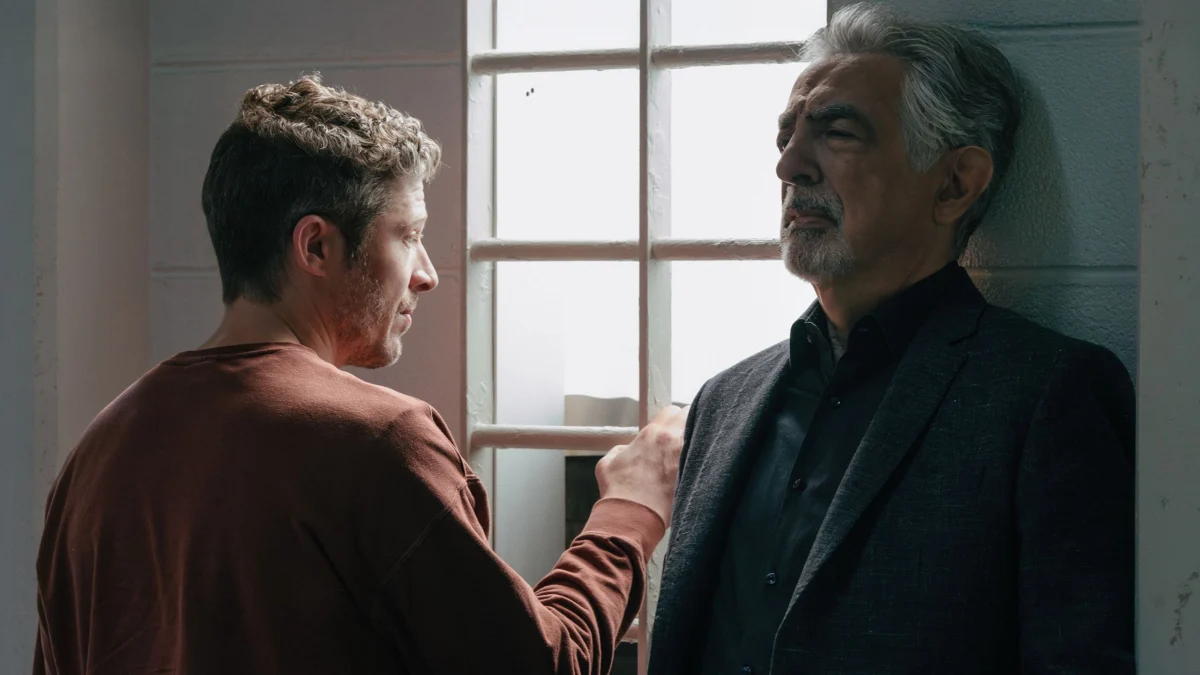
The long-running procedural Criminal Minds has spent nearly two decades defining the "case-of-the-week" television format. By balancing the clinical, high-stakes investigation of the Behavioral Analysis Unit (BAU) with the personal lives of its core agents, the series became a cornerstone of modern crime dramas. However, as the show has transitioned into its 19th season—the latest chapter in the Criminal Minds: Evolution era—the narrative structure has begun to shift in a way that is causing friction among its long-term fanbase. At the center of this evolution is the ongoing, increasingly isolated storyline of serial killer Elias Voit (played by Zach Gilford).
While the show has always flirted with serialized elements, the prominence of Voit’s arc in Season 19 marks a departure from the show’s traditional rhythm, raising questions about whether the series is outgrowing its own DNA or simply losing its way.
Main Facts: The Evolution of a Villain
Elias Voit was introduced as a sophisticated antagonist, a mirror to the BAU’s own pursuit of justice. For the past two seasons, the narrative has been deeply invested in his psychological deterioration and recovery. Following a traumatic brain injury, Voit—a man who once operated with cold, calculated precision—began exhibiting signs of recovered empathy. This plot point offered a unique opportunity for the writers: Could a monster learn to feel?
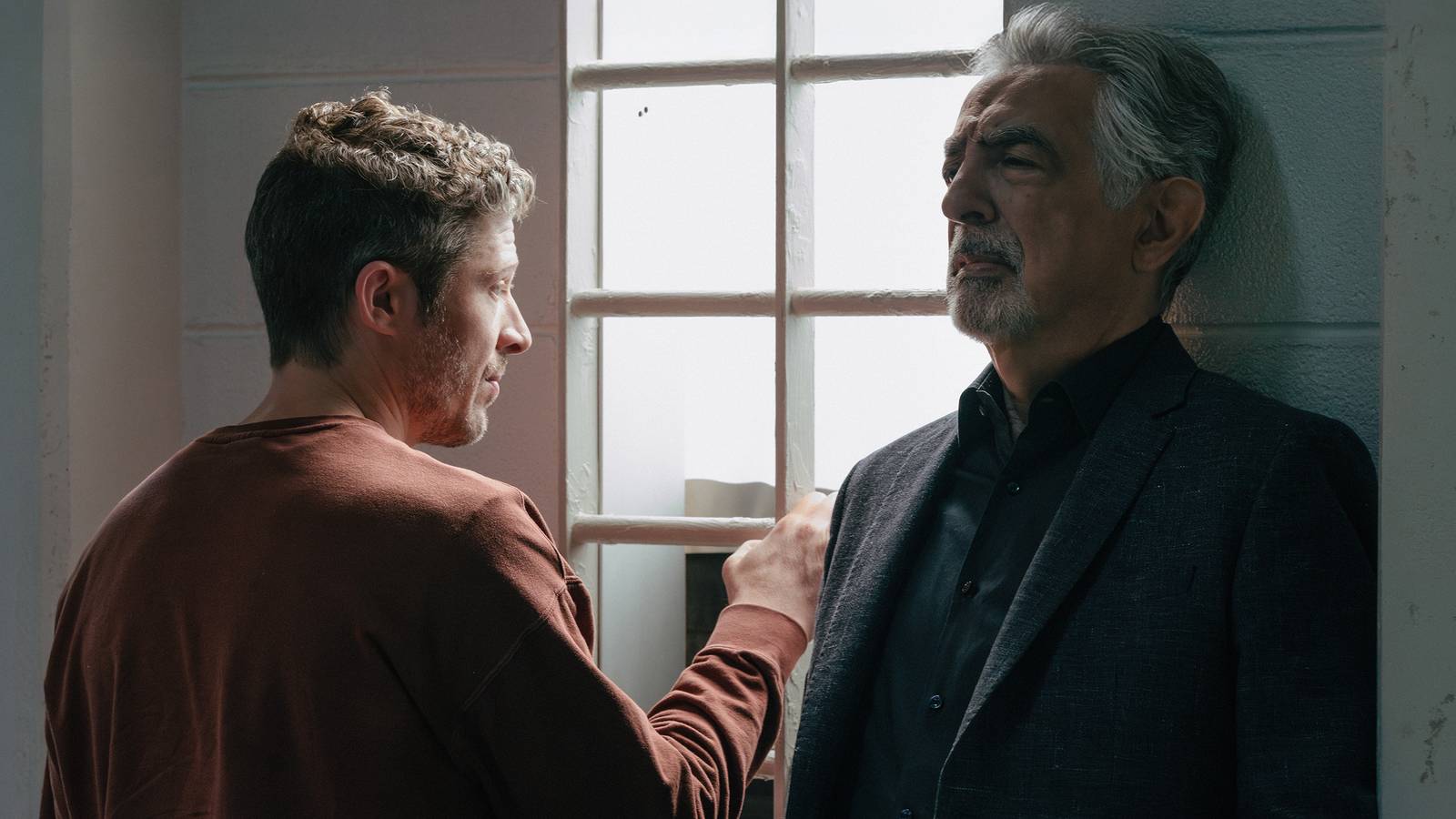
However, as Season 19 has progressed, the writers have pushed this concept further. Voit is no longer just a target for the BAU to analyze or a mastermind to be captured; he has become a standalone narrative device. His current trajectory involves him navigating a psychological labyrinth that often occurs entirely independent of the BAU’s active case files. This creates a dual-narrative problem: the audience is effectively watching two different shows—a procedural investigation and a character study of a serial killer—that only occasionally intersect.
Chronology: From Mastermind to Marginalized
To understand why the current season feels "broken," one must look at the timeline of the character’s integration.
- The Introduction: Voit enters as the primary threat, serving as the connective tissue for the Evolution reboot. His presence is tethered to the BAU’s objective, keeping the show’s focus on the team’s investigative process.
- The Transition: After his capture, the show attempted to humanize the character through his brain injury. This was a narrative risk that arguably paid off initially, as it allowed for intense, dialogue-heavy interrogations between Voit and the agents.
- The Current Era (Season 19): We are now seeing "The Fan" arc. In recent episodes, characters like Brian Garrity (Paul F. Tompkins) have been introduced to interact directly with Voit. These interactions occur in voids where the BAU is absent. By moving Voit’s development into his own "territory," the show has abandoned the essential tension of the profiler-versus-killer dynamic.
Supporting Data: The Disconnect in Engagement
Data analysis of viewer sentiment and engagement trends reveals that while audiences remain fascinated by Zach Gilford’s performance, there is a marked decline in satisfaction regarding the pacing of the season.

The Criminal Minds formula has always relied on the "investigation-to-resolution" loop. By pulling Voit out of this loop, the series removes the audience’s primary anchor: the BAU. When the team is not present to contextualize Voit’s actions, his scenes feel like fragmented vignettes.
Furthermore, the introduction of external characters, such as the enigmatic "Fan," serves to dilute the show’s core conflict. Rather than focusing on the BAU’s methodology—the cornerstone of the show’s success—the writers are forcing viewers to invest in a secondary, non-BAU mystery. This creates an "extra layer" of storytelling that many long-time viewers find unnecessary, as it takes time away from the team that fans tuned in to see in the first place.
Official Responses and Creative Direction
While showrunner Erica Messer and the writing team have defended the serialized nature of Evolution as a necessary step to keep the show relevant in the streaming age, the execution remains a point of contention. The goal was clearly to expand the scope of the show to match the quality of premium streaming dramas.

In internal creative discussions (as inferred from the narrative choices), the writers have suggested that the "villain-centric" approach is designed to provide depth to the show’s darkest corners. By allowing a character like Voit to have his own autonomy, they hope to mirror the success of other prestige crime dramas. However, the limitation of this approach is that Criminal Minds is inherently a team-based procedural. When you remove the team from the equation, you lose the "why" of the show.
Implications: Can the Formula Be Repaired?
The implications of this structural shift are significant. If Criminal Minds continues to isolate its antagonists from the BAU, it risks alienating the audience that values the show for its team dynamics. The current plot, where "The Fan" is taunting Voit, has created a secondary, parallel mystery that the BAU is not even fully aware of yet.
This creates a "waiting game" for the viewer. We are essentially watching a side-quest that we know will eventually force the BAU to arrive, but the path to get there feels unearned. The "broken" nature of the format stems from this feeling of unnecessary obfuscation.

The Path Forward
To regain its footing, the production team must consider three key adjustments:
- Re-centering the BAU: Every development in Voit’s life must be filtered through the lens of the BAU’s ongoing investigation. If they aren’t there to witness it or uncover it, the scene needs to be re-evaluated for its necessity.
- Streamlining the Antagonist Arc: The introduction of new, secondary characters like "The Fan" should be directly linked to an active BAU case file from the start. This maintains the "case-of-the-week" integrity while still allowing for a long-form story.
- Balancing Internal and External Conflict: Voit’s psychological journey is interesting, but it cannot be allowed to overshadow the investigative process. The show needs to remind the audience why the BAU is the best at what they do—not by having them react to events after they happen, but by having them drive the investigation forward.
Conclusion: A Turning Point for the Franchise
Criminal Minds: Evolution has done an admirable job of modernizing a classic. However, as Season 19 reaches its midpoint, the show is at a crossroads. It can either double down on its new, sprawling, and somewhat disjointed serialized format, or it can course-correct and bring the focus back to the unit that made it a household name.
The Elias Voit storyline, while bold, has exposed a fracture in the show’s foundation. If the writers do not bridge the gap between the character’s isolated existence and the BAU’s mission, the series risks becoming a show that is less than the sum of its parts. Fans of the franchise deserve a narrative that respects the legacy of the BAU while pushing the boundaries of the genre—not one that breaks the very rules that made the show an icon of television history. As the season progresses, the pressure will be on the creative team to resolve these threads in a way that feels cohesive, satisfying, and, above all, true to the spirit of the Behavioral Analysis Unit.


 Layla Zulfa
 Lina Hope