Nana
Nana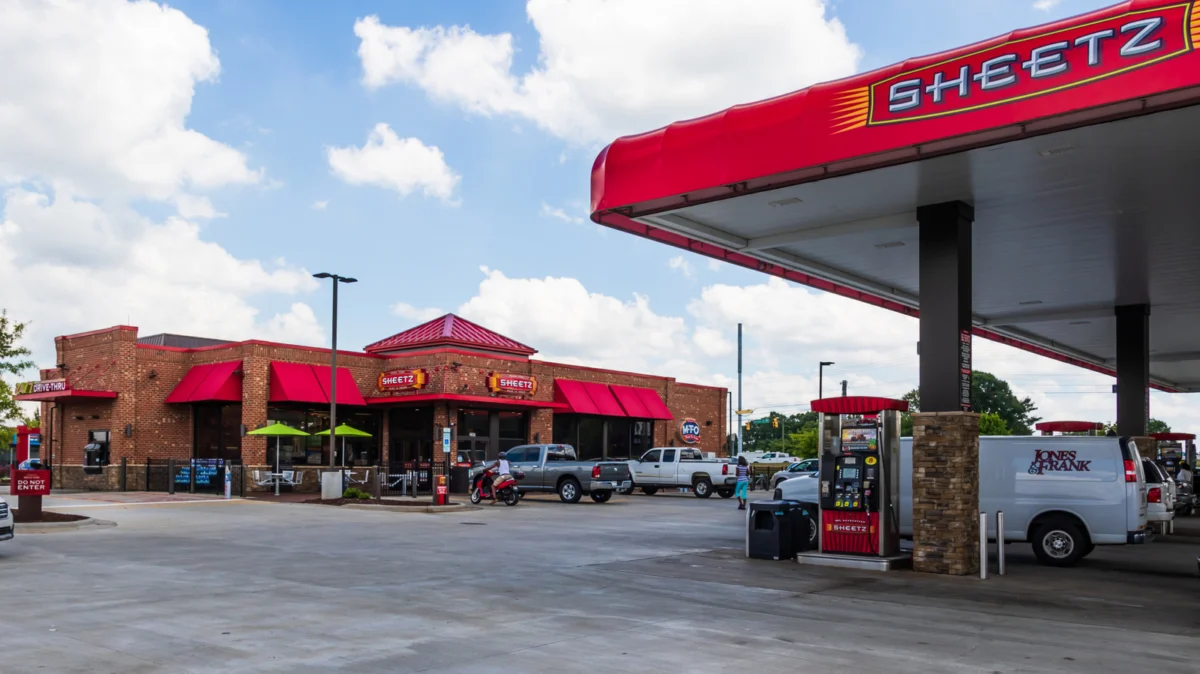
In the landscape of American roadside infrastructure, few brands have managed to bridge the gap between "gas station" and "culinary destination" as effectively as Sheetz. With a network of over 829 locations and an estimated annual revenue nearing $14 billion, the Pennsylvania-based convenience chain has transformed the traditional pit stop into a high-tech, service-oriented experience. However, as the brand’s popularity surges, so does the tension at the pumps. Navigating a Sheetz requires more than just a credit card; it requires an understanding of a specific, evolving set of social contracts designed to keep the lines moving and the coffee brewing.
The Evolution of the Convenience Paradigm
The concept of the modern convenience store—the marriage of high-volume fuel sales with a retail footprint—was pioneered in 1964 by John Roscoe. While the basic blueprint for the gas station hasn’t changed significantly in six decades, Sheetz has fundamentally altered the interior dynamics. Unlike traditional stations that rely on pre-packaged, shelf-stable snacks, Sheetz emphasizes made-to-order (MTO) meals.
This pivot to a "restaurant-first" mentality has been a massive commercial success, but it has created a unique logistical challenge: the disparity between the speed of fuel dispensing and the time required for culinary preparation. When a customer spends five minutes pumping gas and an additional ten minutes waiting for a customized sandwich, the physics of the parking lot begin to break down.
Chronology of a Modern Pit Stop
To understand the friction at Sheetz, one must observe the typical flow of a high-traffic location.
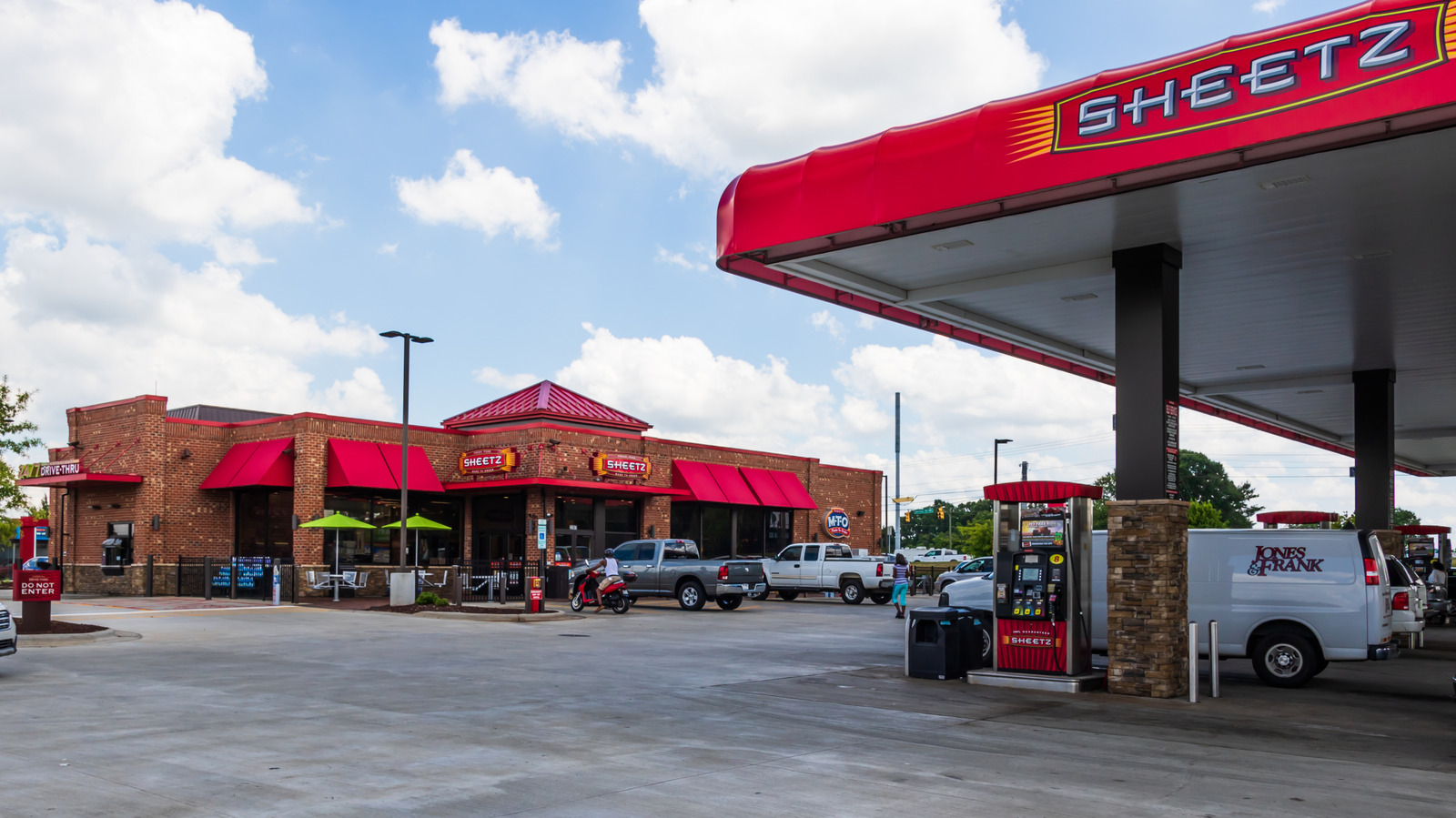
- The Arrival: Peak demand for fuel, according to GasBuddy data, typically hits between 4:00 PM and 5:00 PM. This is the "commuter crunch," where the need for efficiency is at its zenith.
- The Point of Friction: The most common point of contention occurs when a driver occupies a pump, locks their nozzle, and heads inside to place a complex MTO order. Because made-to-order food requires a non-trivial amount of labor, the vehicle often remains stationary at the pump long after the tank is full.
- The Payment Gap: A recurring hurdle for newcomers is the ordering process. The Sheetz workflow is tripartite: order at the kiosk, pay at the register, and pick up at the counter. A common "rookie mistake" is skipping the payment step, leading to confusion at the pickup window and a bottleneck that disrupts the entire kitchen flow.
The Pump Etiquette Crisis: A Deep Dive
The most contentious issue regarding Sheetz is the "pump-hogging" phenomenon. On various online forums, including Reddit’s r/mildlyinfuriating, customers have frequently vented about drivers who leave their vehicles at the pump while they wait for food.
From a logistical standpoint, the gas pump is a high-turnover resource. When a driver treats a pump as a premium parking space, they are effectively disabling a critical piece of infrastructure for other commuters. The consensus among the "Sheetz faithful" is clear: If you intend to order a meal, you must prioritize moving your vehicle to a designated parking spot after refueling. Failing to do so is seen as a breach of social decorum that penalizes those who simply need to fill their tanks and return to the road.
Decoding the Sheetz Drive-Thru
While many customers view the Sheetz drive-thru as an extension of a typical fast-food operation, the internal mechanics are vastly different. At a standard quick-service restaurant, the entire facility is built around the drive-thru window. At Sheetz, the drive-thru is often an auxiliary service, frequently managed by staff who are simultaneously balancing floor duties, stocking, and tobacco/alcohol sales.
The Reality of the Late-Night Rush
During the graveyard shift—specifically between 12:00 AM and 2:00 AM—the drive-thru becomes a magnet for late-night diners. However, the "drive-thru" label can be misleading. Because the kitchen is not exclusively dedicated to the window, wait times can stretch to 15 minutes or more.
Mitigating Delays: The Power of the App
The most effective tool in the modern Sheetz customer’s arsenal is the Sheetz mobile application. By ordering ahead, a customer can receive a projected completion time, essentially turning the kitchen into a "pick-up" service rather than an "order-and-wait" service. This bypasses the uncertainty of the kiosk queue and ensures that the meal is ready upon arrival, minimizing the time spent lingering at the facility.
Supporting Data and Economic Implications
The growth of Sheetz is not merely a result of good branding; it is a result of capital reinvestment into customer experience. The chain’s ability to generate $14 billion in revenue suggests that their model—catering to both the traveler in a hurry and the customer seeking a fresh meal—is a winning formula.
Furthermore, the brand’s move into electric vehicle (EV) infrastructure signals a long-term commitment to evolving with the automotive market. As EV adoption increases, the "charging time" at a station will likely become the new "food prep time." This presents a new challenge for the chain: how to manage the parking spaces occupied by EVs that require 20–40 minutes of charging, compared to the 3–5 minutes required for a traditional internal combustion engine vehicle.
Official Stance and Operational Strategy
While Sheetz has not issued a formal "rulebook" for customers, their operational design speaks volumes. By providing intuitive kiosks and a robust app, they are implicitly pushing for a more streamlined, digital-first interaction. Their customer service philosophy centers on convenience, but it relies on the user to understand the ecosystem.
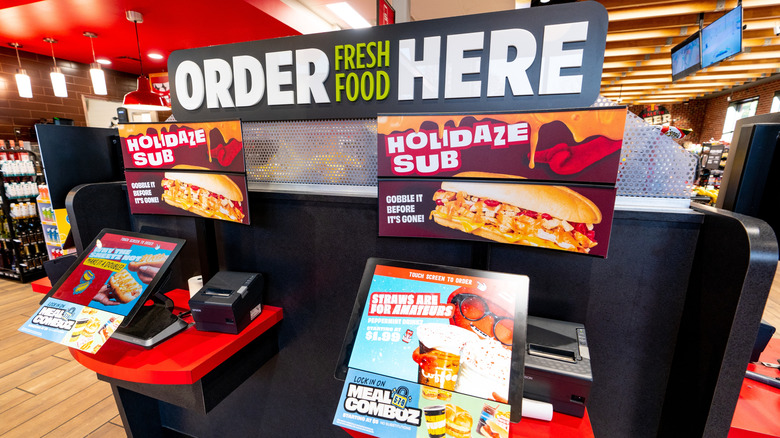
The company’s investment in technology suggests they are aware of the bottlenecks. By incentivizing app usage, they are essentially crowd-sourcing the efficiency of their own kitchens. The more customers who order ahead, the more manageable the floor traffic becomes.
Implications for the Future of Roadside Retail
The "Sheetz Effect" has implications that extend far beyond the gas station industry. It represents the "retailization" of travel. As consumers increasingly demand high-quality, fresh food even in transit, the standard for what constitutes a "convenience store" will continue to rise.
For the average driver, the takeaway is simple: as these locations become more complex, the requirements for a smooth experience become more stringent. Respecting the pump, understanding the order-pay-pick-up cycle, and leveraging digital tools are no longer just "pro-tips"—they are becoming necessary behaviors to navigate a space that is rapidly outgrowing the label of a mere "gas station."
Summary of Best Practices for Sheetz Visitors:
- Refuel, then Re-park: Never leave your vehicle at the pump while waiting for MTO items.
- Follow the Order Workflow: Ensure you have completed the payment step at the register before heading to the pickup area.
- App-First Ordering: For the fastest experience, especially during off-peak hours, use the app to place your order before you arrive.
- Manage Expectations: Understand that the drive-thru is not a dedicated fast-food window; expect longer wait times during peak late-night hours.
- Be Conscious of the Rush: Avoid the 4–5 PM rush whenever possible to ensure you get the best access to both fuel and food services.
As Sheetz continues to scale, the responsibility remains with the consumer to adapt to the changing environment. By adopting these unwritten rules, customers can ensure that the "Sheetz experience" remains a benefit to the road, rather than a point of frustration.

 Evan Lee Salim
 Suro Senen