Jia Lissa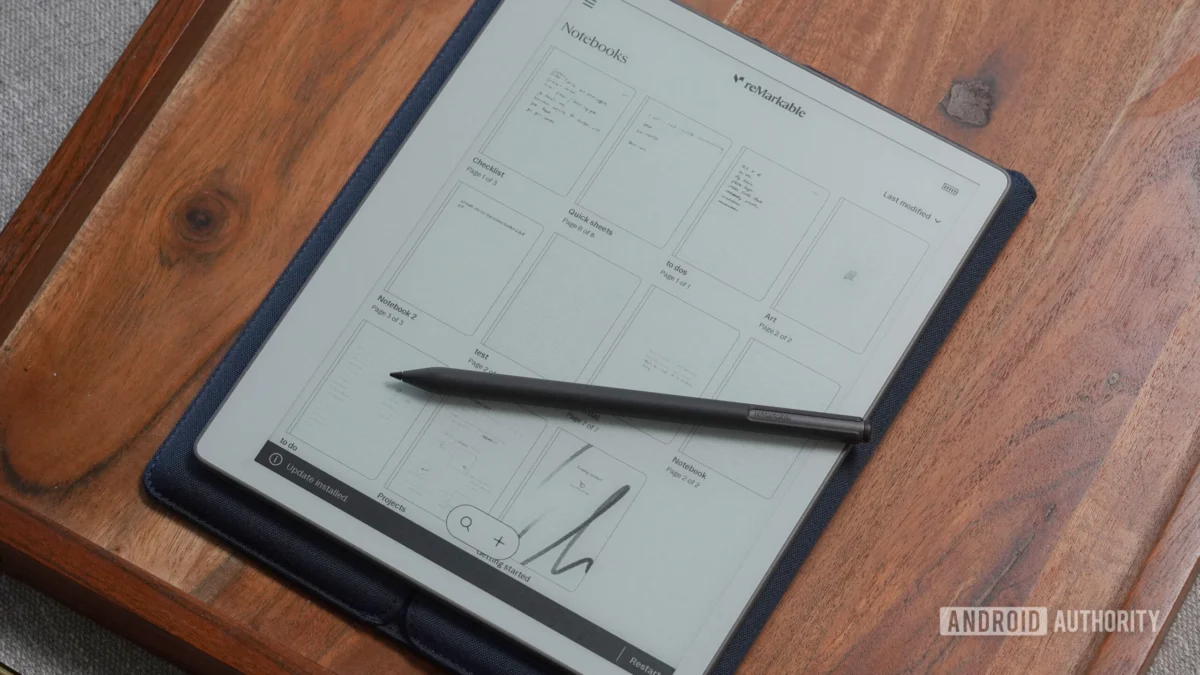
In an era defined by the relentless ping of notifications, the constant lure of social media, and the "productivity theater" of modern tablet computing, the reMarkable Paper Pure arrives as a radical act of defiance. While its competitors—the Kindles of the world and the increasingly complex Android-based E-Ink tablets—pivot toward AI integration, app ecosystems, and multimedia, the reMarkable Paper Pure doubles down on a singular, nostalgic premise: the humble, analog notebook.
After spending over a week with this device, it is clear that reMarkable isn’t just selling hardware; they are selling a return to cognitive focus. This is a device for the thinkers, the planners, and the scribblers who find that the digital world often gets in the way of their best ideas.
Main Facts: Stripping Away the Noise
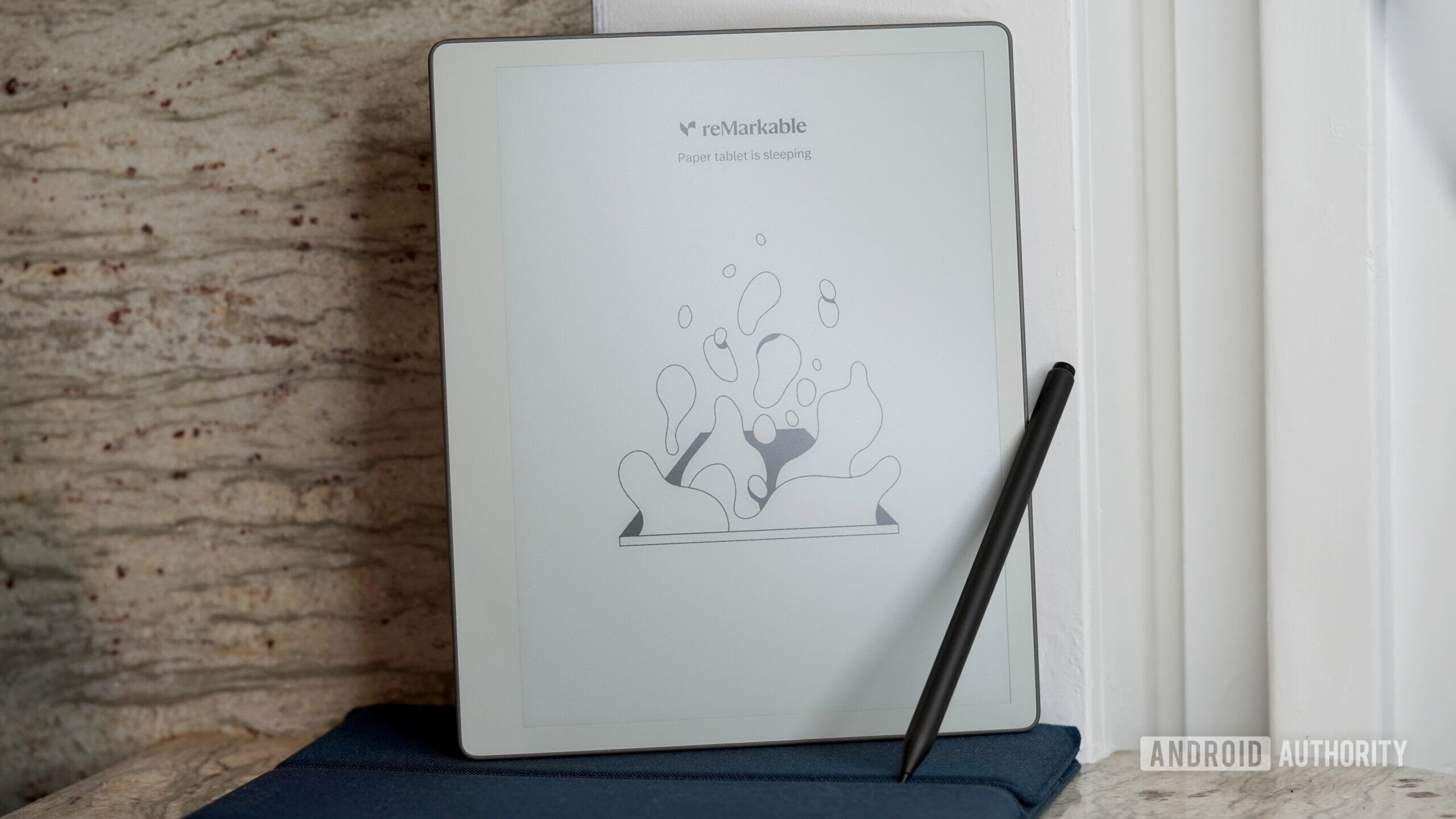
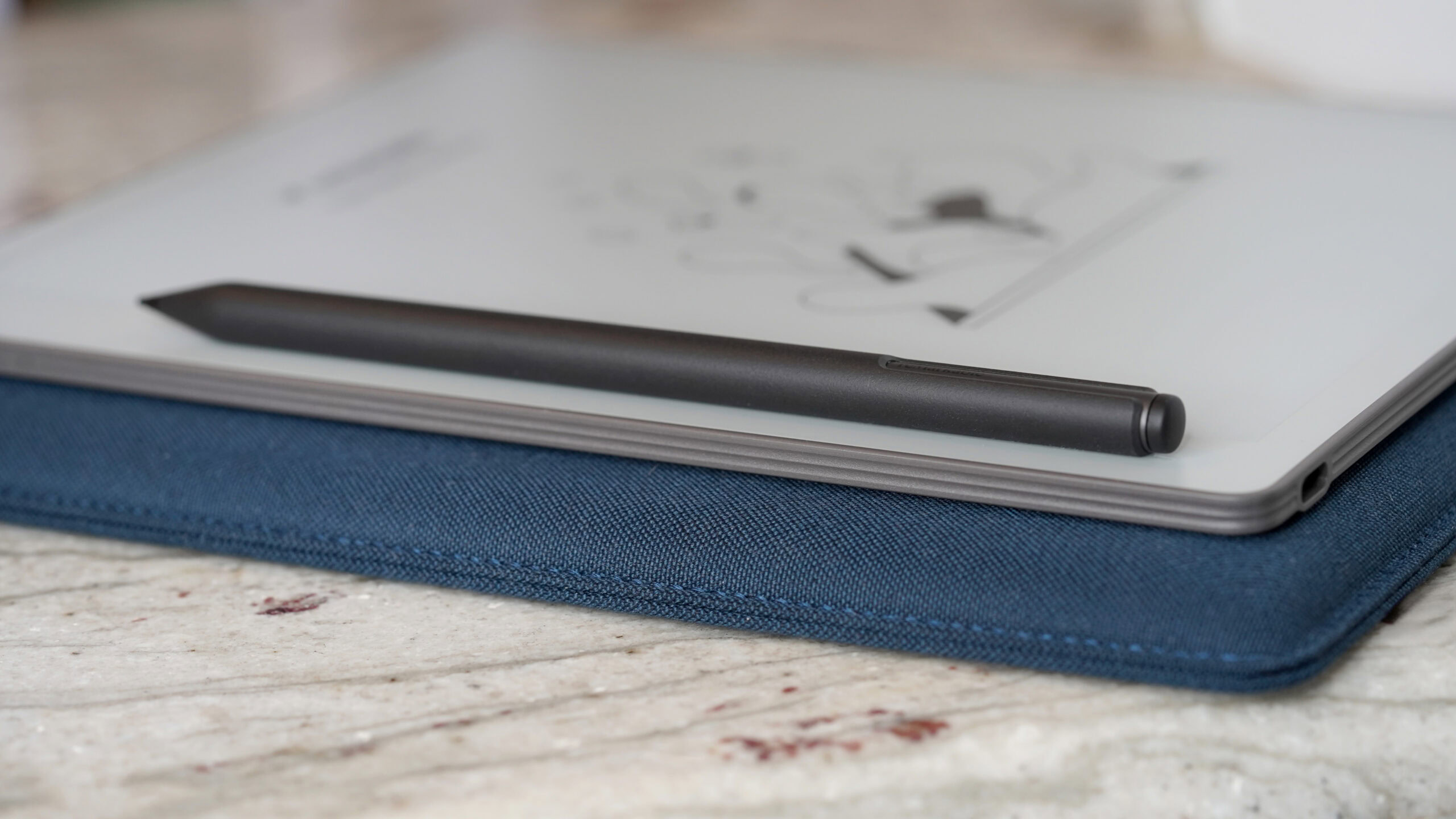
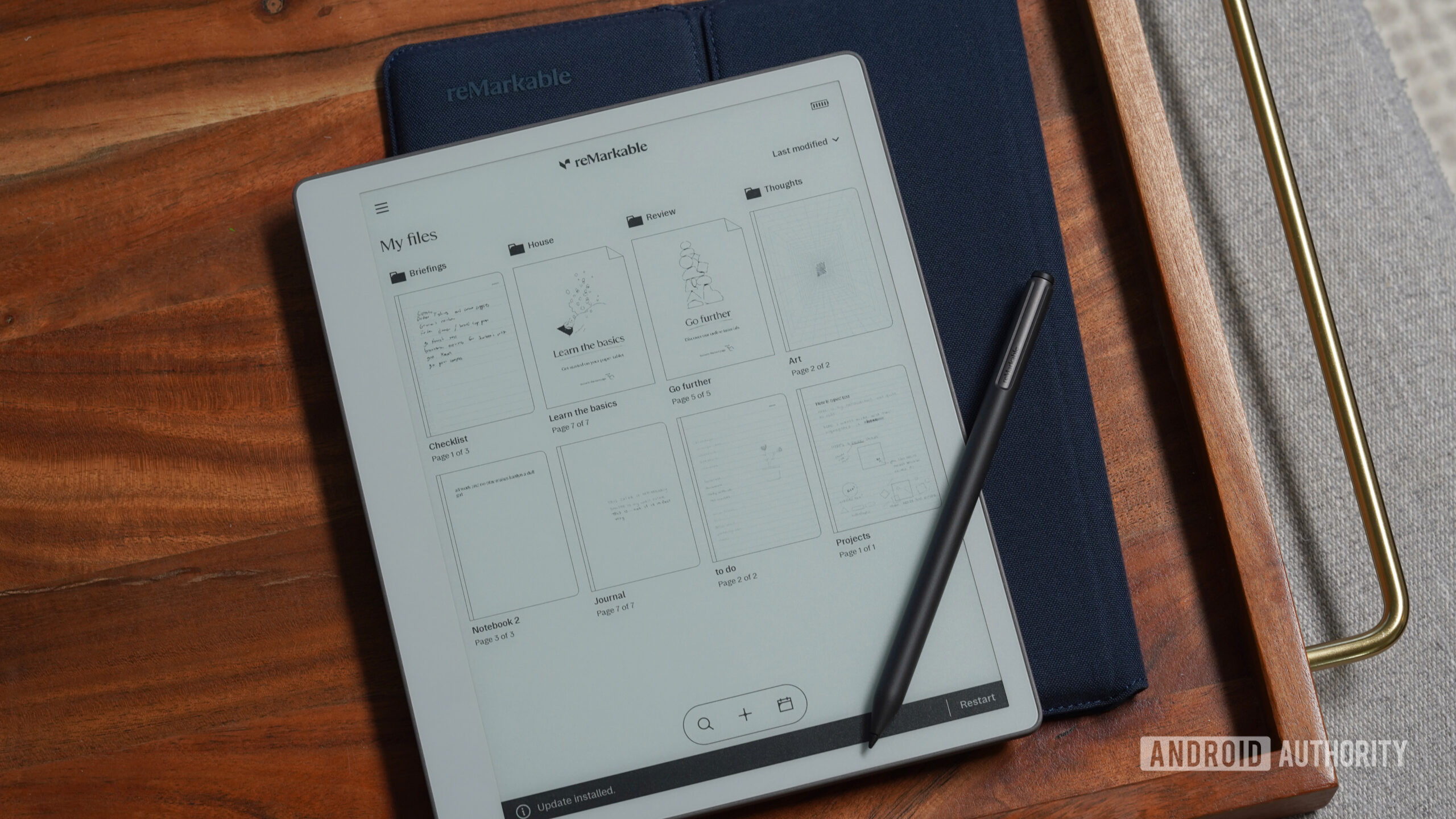
The reMarkable Paper Pure is a 10.3-inch digital notebook designed to replicate the sensation of pen on paper. At a mere 360g and 6mm in thickness, the hardware is exceptionally lightweight, feeling more like a Moleskine journal than a piece of high-tech silicon.
Key Technical Specifications:
- Processor: 1.7GHz dual-core Cortex-A55.
- Memory/Storage: 2GB RAM / 32GB internal storage.
- Display: 10.3-inch monochrome Canvas display (no front light).
- Battery: 3,820 mAh (up to three weeks of standby).
- Price: $399 (Base unit).
The most striking feature—and the one that will prove most polarizing—is the absence of a front light. By removing the lighting layer, reMarkable has achieved a sharper, more tactile writing surface that avoids the "glassy" glare of standard tablets. However, this means users are tethered to ambient light sources, forcing a return to the traditional pen-and-paper workflow where one must find a desk lamp or a sunny window to get work done.
A Chronology of the Modern Notebook
To understand the Paper Pure, one must look at the evolution of the digital stationery market. For decades, the "back-to-school" season was synonymous with color-coded spirals and tangled wires—a physical system of organization that many, even in the digital age, still crave.
- The Early Days: The first generation of digital writing tools struggled with latency. Writing on a screen felt like sliding a stylus over grease.
- The Mid-Transition: As E-Ink matured, tablets began integrating into the office. However, many manufacturers opted to turn their notebooks into secondary computers, complete with web browsers and email clients.
- The Present: With the launch of the Paper Pure, reMarkable has made a deliberate retreat from the "everything-tablet" trend. By ignoring the "feature-creep" that has plagued competitors like the Kindle Scribe or Boox devices, reMarkable has carved out a niche that appeals to those who view their technology as a tool, not a playground.
During the testing period, the device functioned as a constant companion. It replaced the "junk" notes found on various scraps of paper, sticky notes, and the fragmented digital memos in phone apps. It became a repository for everything from grocery lists to complex meeting minutes, successfully bridging the gap between the chaotic digital world and the quiet, ordered life of a physical notebook.
Supporting Data: Why "Less" Means "More"
The performance of the Paper Pure is not measured in benchmarks or frame rates. In a world where we obsess over clock speeds, the 1.7GHz dual-core processor might seem archaic. Yet, because the software is hyper-focused, the interface remains snappy and fluid.
Battery Longevity:
The 3,820 mAh battery is a testament to the efficiency of the device’s architecture. In our testing, the tablet lasted nearly three weeks on a single charge with moderate-to-heavy usage. This endurance is a critical factor for writers; a notebook that dies is useless. The Paper Pure, by contrast, feels as reliable as a fountain pen.
The Stylus Experience:
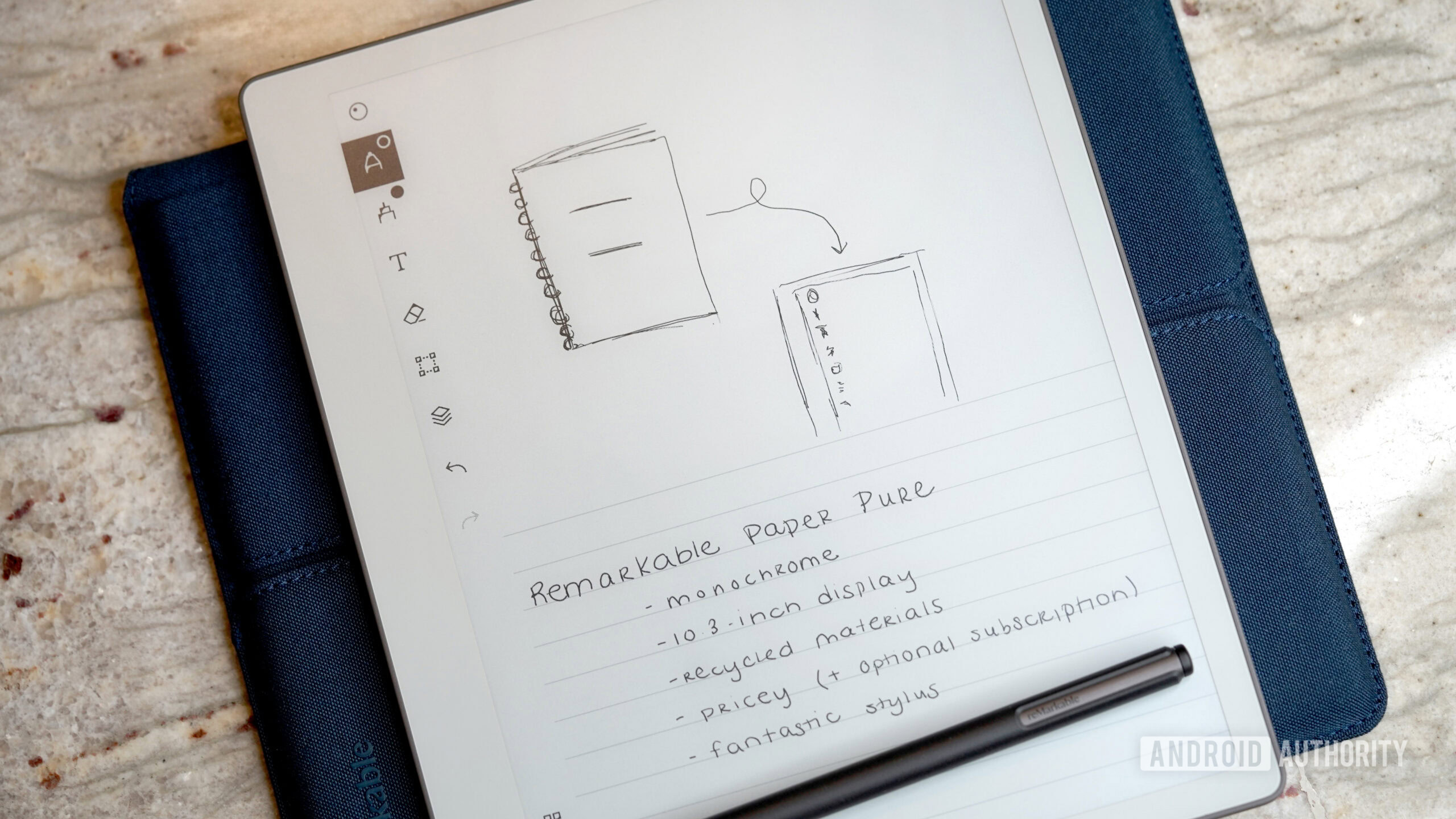
The Marker Plus is the heartbeat of the device. The textured display provides just enough friction to simulate paper without feeling like sandpaper. The low-latency input makes the digital ink appear almost exactly where the nib touches the screen, a feat of engineering that many tablets twice the price still fail to master. While the "convert to text" feature still struggles with complex formatting—often losing the structure of bulleted lists—the raw, hand-written notes remain perfectly legible and exportable.
Official Responses and Philosophy
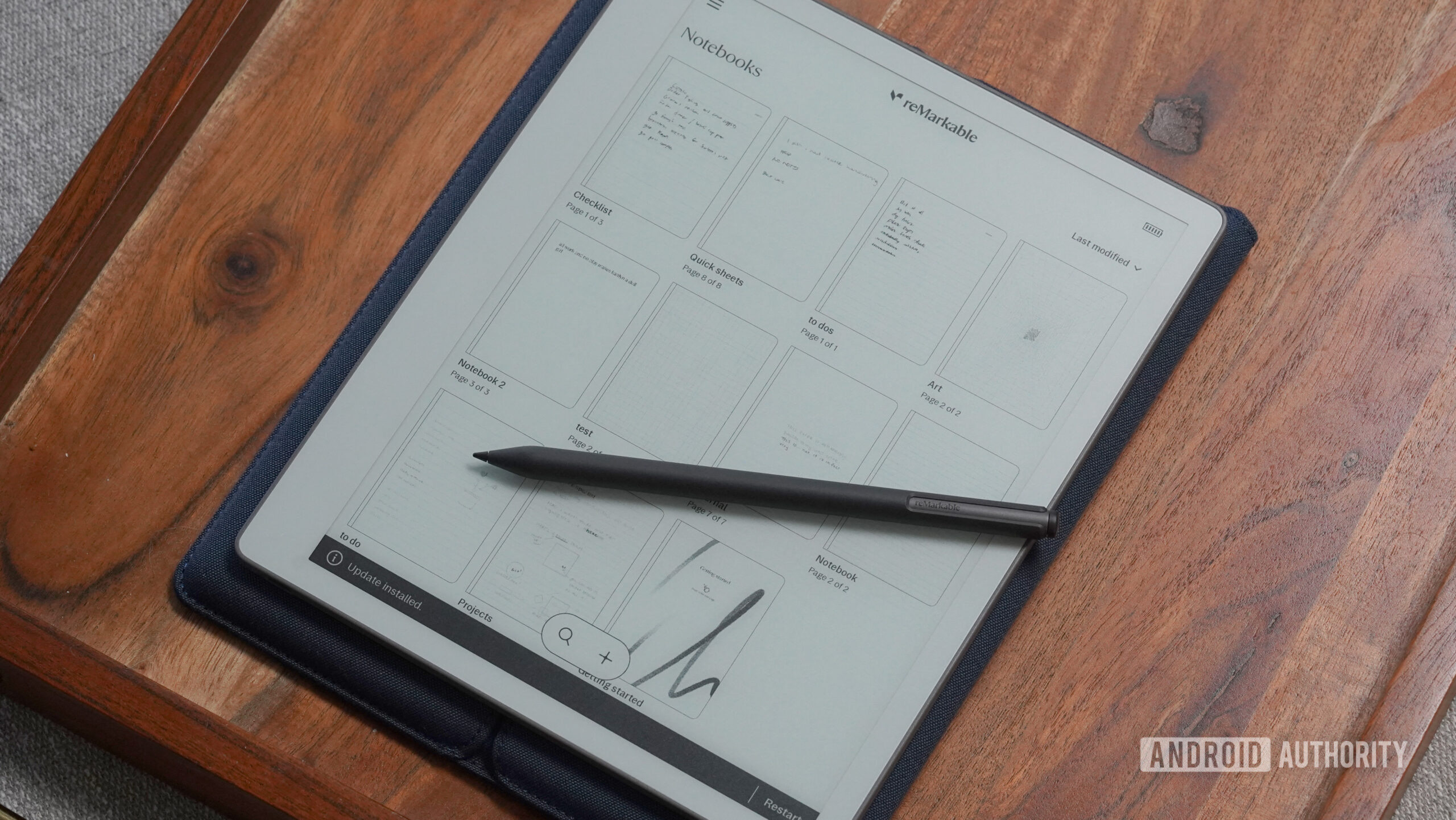
ReMarkable has remained steadfast in its philosophy: "Distraction-free." In various communications, the company has emphasized that the Paper Pure is not intended to be a tablet, but a "paper replacement."
They acknowledge that their decision to exclude features like web browsing, social media apps, and high-fidelity video playback is a feature, not a bug. By forcing the user to engage with the device solely as a creative or organizational tool, they claim to reduce the cognitive load associated with multitasking.

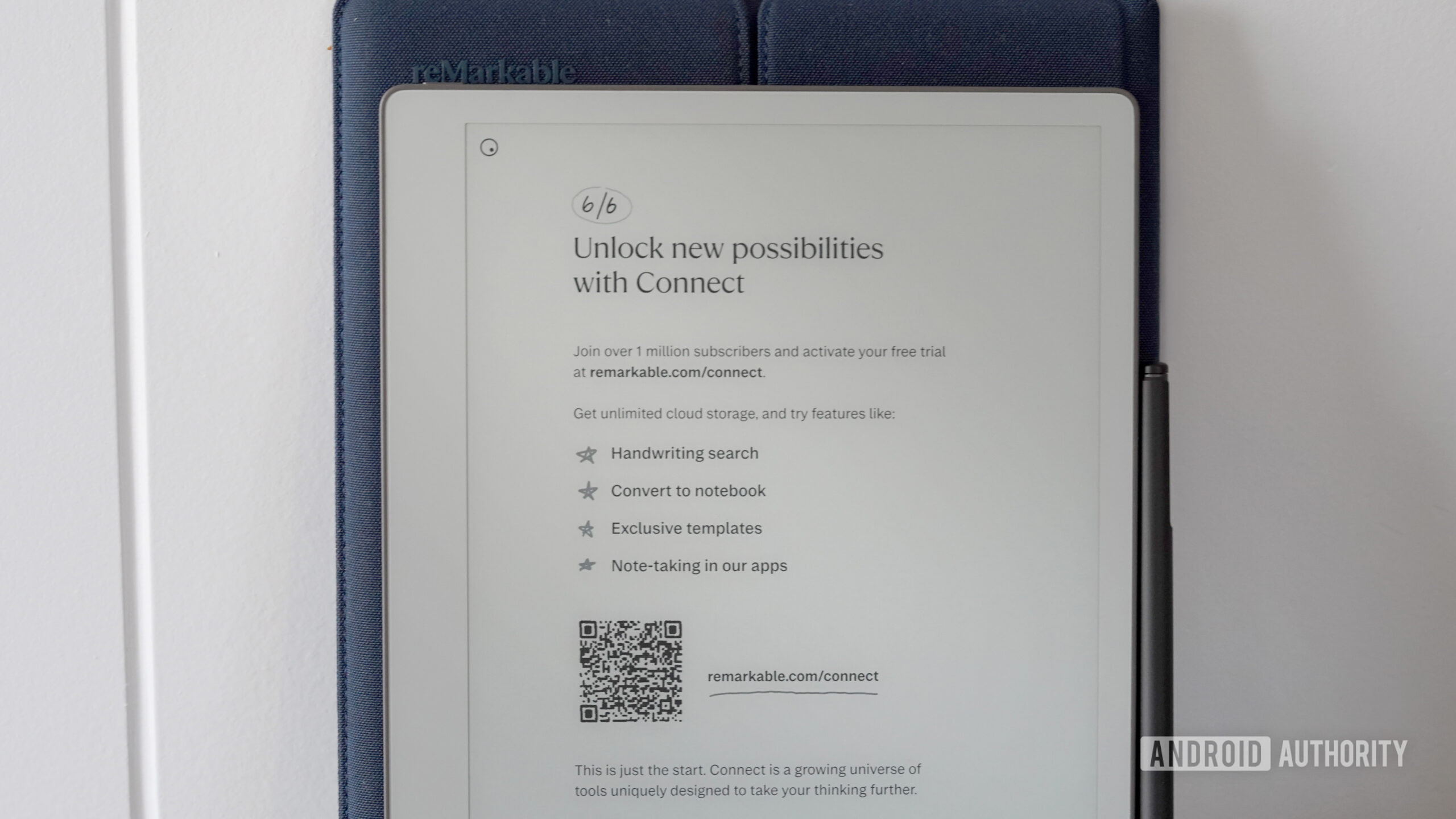
For the power user, they offer the "Connect" subscription ($3.99/month), which provides the bridge to the modern world: cloud synchronization, Google Calendar/Microsoft Outlook integration, and AI-powered summarization. This creates a tiered experience: a simple, zen-like notebook for the moment of creation, and a professional-grade office tool when it is time to sync and distribute work.
Implications: Who is this for?
The reMarkable Paper Pure is not for the person who wants to read e-books in bed or browse the web at a coffee shop. If you require an Android-based tablet with access to the Google Play Store, or if you need a built-in bookstore with millions of titles, the Boox Go 10.3 Gen II or the Kindle Scribe are objectively more flexible and feature-rich options.
However, the implications of choosing the Paper Pure are profound for the professional who struggles with focus. By removing the temptation to "check one more thing," the Paper Pure effectively creates a "flow state" environment.
The Financial Consideration
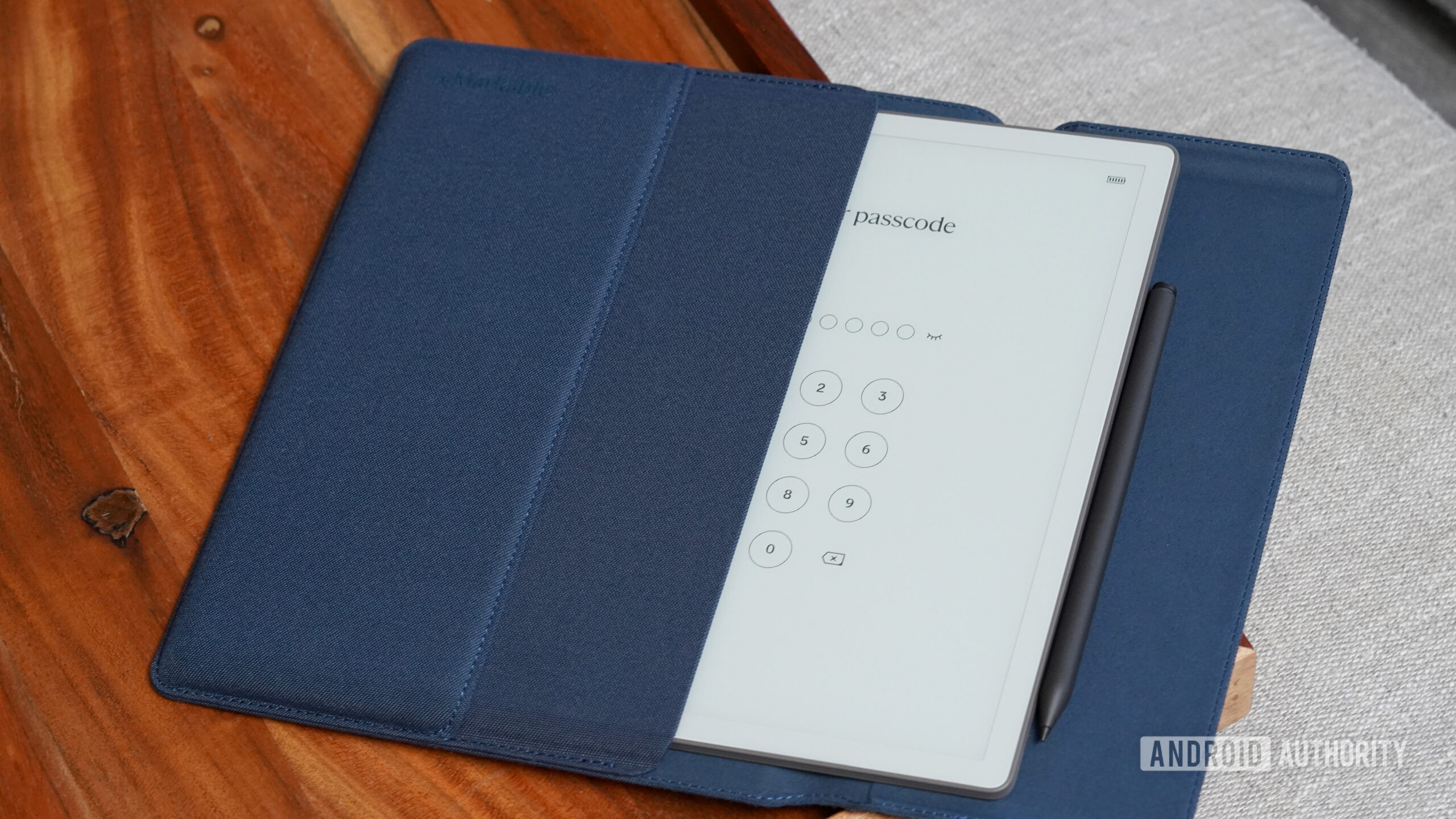
The barrier to entry is not just the $399 base price. When you factor in the necessity of the Marker Plus ($129) and a protective folio case ($69), the investment quickly crosses the $500 threshold. For some, this is a steep price for a single-purpose device. Yet, for those who value the sanctity of their concentration, the "cost per hour of focus" may be lower than any other piece of technology on their desk.
The Verdict: A Return to Purpose
The Paper Pure is a niche device that celebrates its own limitations. It is a sophisticated piece of hardware that manages to feel incredibly simple. While the lack of a front light remains a point of contention—requiring an external light source for evening work—it is a sacrifice the device makes to maintain the purity of its display and the responsiveness of its writing surface.
If you find yourself constantly distracted by the digital world, the reMarkable Paper Pure acts as a sanctuary. It brings the tactile joy of an elementary school notebook into the 21st century, proving that sometimes the best way to innovate is to remember exactly why we started writing in the first place.
Final Summary Table
| Feature | Assessment |
|---|---|
| Writing Feel | Industry-leading; tactile and responsive. |
| Distraction | Non-existent; the ultimate focus tool. |
| Versatility | Low; not designed for media consumption. |
| Battery | Exceptional; lasts weeks. |
| Value | High, provided you value focus over features. |
Ultimately, the reMarkable Paper Pure succeeds because it refuses to compromise its identity. It is, quite simply, the best digital notebook on the market, precisely because it refuses to be anything else.

 Asro
Asro