Neng Nana
Shibuya, Tokyo’s pulsating heart of youth culture, neon-lit skyscrapers, and relentless nightlife, is evolving. While the district is globally synonymous with the "scramble" of its iconic crossing and the height of urban consumption, a quiet, systemic shift is underway. In an effort to address the mounting waste generated by its massive tourism and convenience-driven food scene, the local government and private stakeholders have launched an ambitious pilot program: the Megloo service.
By replacing traditional single-use plastic containers with a sophisticated, multi-use packaging cycle, Shibuya is attempting to bridge the gap between high-volume urban dining and environmental sustainability. This initiative, centered around the Shibuya Cast building and stretching into the surrounding corridors of Harajuku and Yoyogi, represents a critical stress test for circular economy models in one of the world’s most densely populated urban environments.
The Core Facts: What is Megloo?
At its most fundamental level, the Megloo service is a subscription-based, circular infrastructure designed to eliminate "disposable culture." Operated by Kaman Co., Ltd., the system functions as a logistics network for high-quality, reusable food containers.
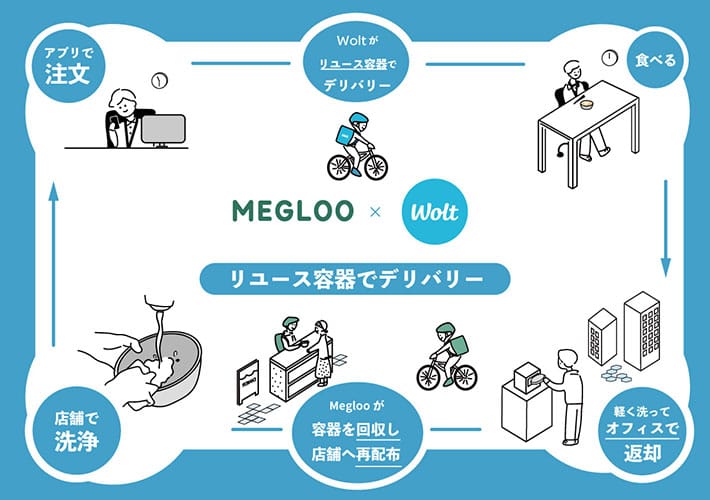
The mechanism is deceptively simple:
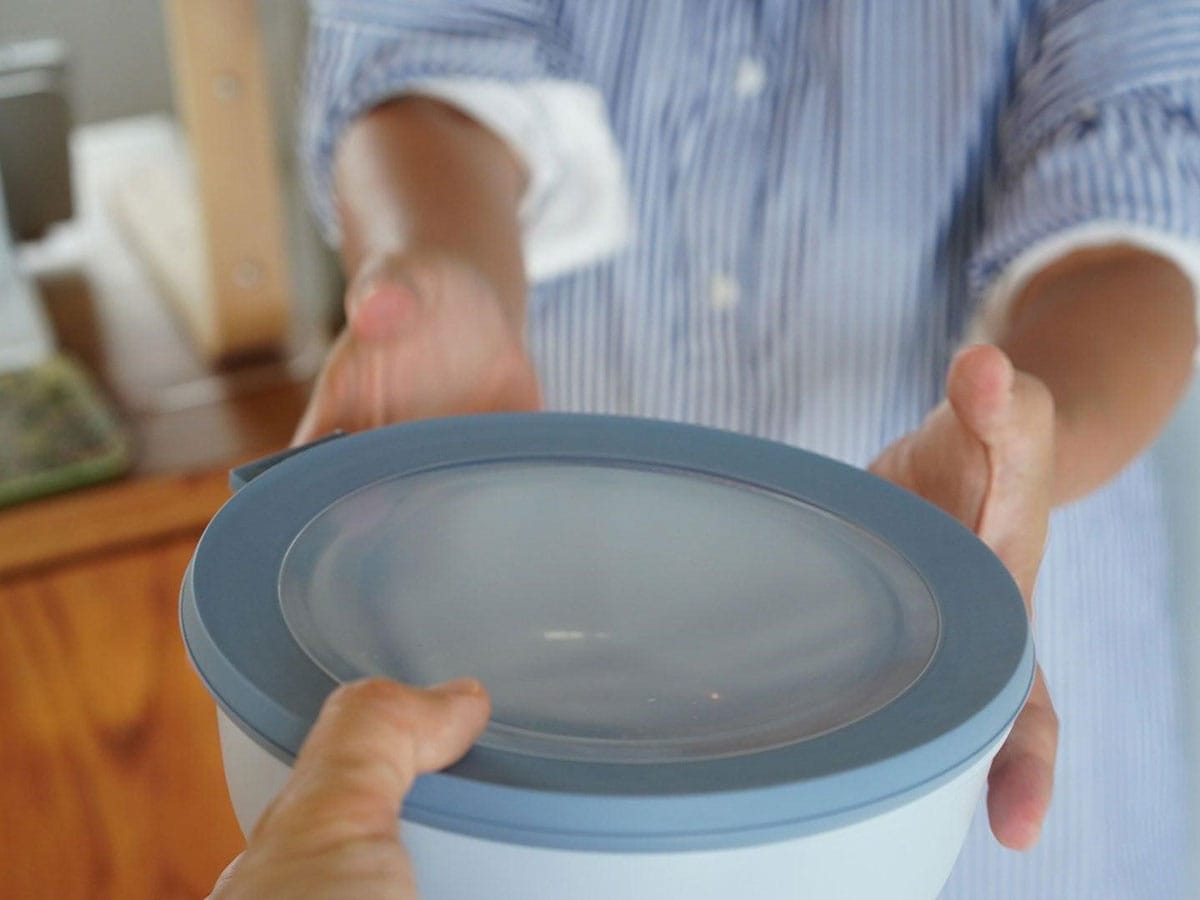
- Consumption: When ordering from participating eateries, customers receive their meals in durable, food-grade Megloo containers.
- The Rinse: Once the meal is finished, users are instructed to lightly rinse the container to remove food debris.
- The Return: Used containers are deposited into designated "Megloo Return Boxes" located throughout the district.
- The Loop: Kaman handles the collection, ensuring the containers are returned to the vendors, where they undergo professional, rigorous cleaning and sanitization before entering the cycle again.
This initiative is not merely a recycling program; it is a fundamental redesign of the consumption flow. By removing the need for single-use plastics—which currently plague Japan’s waste management systems—Kaman Co., Ltd. is positioning the city as a laboratory for modern, sustainable urban living.
Chronology of the Pilot Program
The pilot program was strategically designed to run from January 24th to February 23rd, 2023. This one-month window was chosen to gather sufficient data on consumer behavior, return rates, and the operational durability of the logistics chain.
- Pre-Launch (January 2023): Kaman Co., Ltd. finalized partnerships with a diverse array of stakeholders, including food truck operator Workstore Tokyo Do and the delivery giant Wolt Japan.
- January 24, 2023: The official launch of the pilot. Participating eateries began offering the option for "Megloo-enabled" takeout, and the first return boxes were installed at key transit and community points.
- Mid-Pilot Phase (Early February 2023): During this period, the organizers implemented a staggered rollout of services to gauge how different neighborhoods—ranging from the high-traffic Shibuya Station area to the boutique-heavy streets of Omotesando—interacted with the reusable infrastructure.
- February 23, 2023: The conclusion of the trial period. Data collection regarding container loss, user feedback, and sanitation efficiency began immediately following this date to determine the long-term viability of the program.
Supporting Data and Stakeholder Participation
The success of the Megloo initiative relies heavily on the diversity of its participants. By involving both stationary brick-and-mortar restaurants and mobile food trucks, Kaman Co., Ltd. aimed to capture a representative sample of Shibuya’s dining habits.
Participating Eateries (Takeout Focus)
The following establishments were pivotal in testing the in-person takeout model:
- Shibuya Station Vicinity: Contrail Shibuya and Marked Shibuya provided the urban core with stable return points.
- Shibuya Cast Garden: This area served as the testing ground for food truck logistics, with vendors such as Hanazen demonstrating how mobile operations can integrate into a circular system.
- Harajuku/Omotesando & Yoyogi: By including Marusei and the Alishan Park Cafe, the pilot tested the feasibility of the system in residential and tourist-heavy peripheral zones.
Wolt Delivery Integration
Perhaps the most ambitious aspect of the trial was its integration with Wolt Japan. Delivery services are notorious for generating high volumes of waste. By partnering with the following entities, the trial aimed to standardize reusable packaging in the delivery sector:
- ABURA NOODLE TOKYO RAIJIN
- Torisoba Juban 156 (Hiroo Branch)
- Itadaki Malatang (Shibuya Branch)
- Mijuri
- Spicy Tacorice Cafeteria "S" (Omotesando)
- WithGreen (Ebisu Branch)
The use of the Wolt platform is significant because it introduces the "last mile" variable. Managing returns when the delivery courier is involved requires a seamless app-based tracking system, which served as a primary technological benchmark for this trial.
Official Responses and Strategic Intent
The leadership at Kaman Co., Ltd. has framed this initiative as a long-term play. In official statements released during the pilot, company representatives emphasized that the goal was never just to conduct a one-off experiment, but to build a permanent, scalable infrastructure.
"Our goal is to create a system that is as convenient as single-use, but infinitely more responsible," a Kaman spokesperson noted. "If we can prove that users are willing to participate in the ‘rinse-and-return’ process, we have the foundation to expand this service to every corner of Shibuya Ward and, eventually, to other major urban centers across Japan."
The inclusion of the Shibuya Cast building as a central hub was intentional. As a space dedicated to community and innovation, it provided the ideal environment for the "return box" infrastructure to gain visibility and public trust.
Implications: A Sustainable Future for Tokyo
The implications of the Megloo pilot extend far beyond the borders of Shibuya. Japan has long been lauded for its meticulous waste sorting, yet the country remains one of the world’s highest per-capita consumers of single-use plastics.
1. Behavioral Shifts
The success of this program hinges on the "nudge" theory. By making the environmentally friendly choice the default, or at least an equally convenient one, Shibuya is testing whether residents and tourists will prioritize planet-friendly habits when the barriers to entry are low.
2. Economic Viability
For local businesses, the cost of single-use packaging is a rising overhead. If the Megloo system can scale, the cost of renting or participating in a shared, high-quality container pool could eventually become more economical than the constant procurement of disposable plastic.
3. Policy and Future Expansion
If the data collected between January and February 2023 demonstrates that containers are returned at a high rate—minimizing loss—it provides the empirical evidence needed for the Shibuya Ward government to consider subsidizing or mandating similar circular infrastructure in future urban development projects.
4. Cultural Resonance
As awareness of global environmental crises like ocean plastic pollution grows among Japanese consumers, the social pressure on businesses to adopt green practices has increased. The Megloo initiative is a tangible answer to this pressure. It allows consumers to participate in a visible act of stewardship without sacrificing the convenience that defines the modern Tokyo dining experience.
Conclusion: Looking Ahead
While the pilot program concluded in February 2023, the momentum generated by the Megloo initiative remains a reference point for Japanese urban planning. The lessons learned regarding the logistics of sanitization, the placement of return kiosks, and the integration of delivery apps are currently being analyzed by municipal planners and private firms alike.
For travelers visiting Japan, the Megloo project serves as a reminder to be mindful of consumption. Even in a city that facilitates convenience at every turn, there is a burgeoning movement to ensure that convenience does not come at the cost of the environment. While you should check local listings or social media channels like the Megloo Twitter account for the latest status of these specific return points, the spirit of the project—a cleaner, smarter, and more circular Shibuya—is undoubtedly the direction in which this district is heading.
By choosing to participate in systems like Megloo, both residents and visitors play a role in transforming Shibuya from a destination of high consumption into a global model for sustainable, modern city living.



 Asro
Asro