

In a significant move to fortify its ecosystem ahead of the highly anticipated Android 17 release later this year, Google has unveiled a robust suite of feature drops designed to fundamentally change how users interact with their devices. From sophisticated anti-impersonation technology that safeguards against sophisticated voice scams to AI-driven organizational tools in Google Photos and academic assistance in Play Books, Google is positioning Android as a proactive, rather than reactive, digital assistant.
These updates arrive at a critical juncture in the mobile industry, where the lines between genuine communication and AI-generated deception are increasingly blurred. By integrating deeper security protocols and smarter, generative AI applications, Google is not merely adding software patches; it is attempting to rebuild user trust in digital communication.
The Evolution of Security: Tackling the Impersonation Crisis
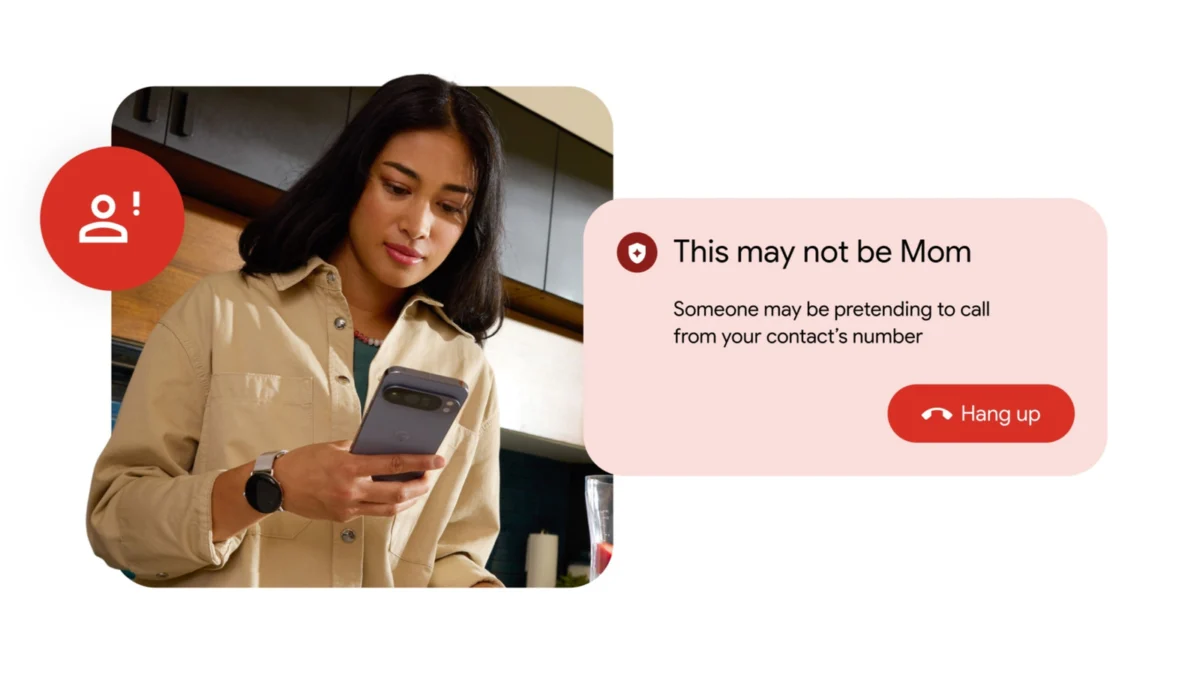
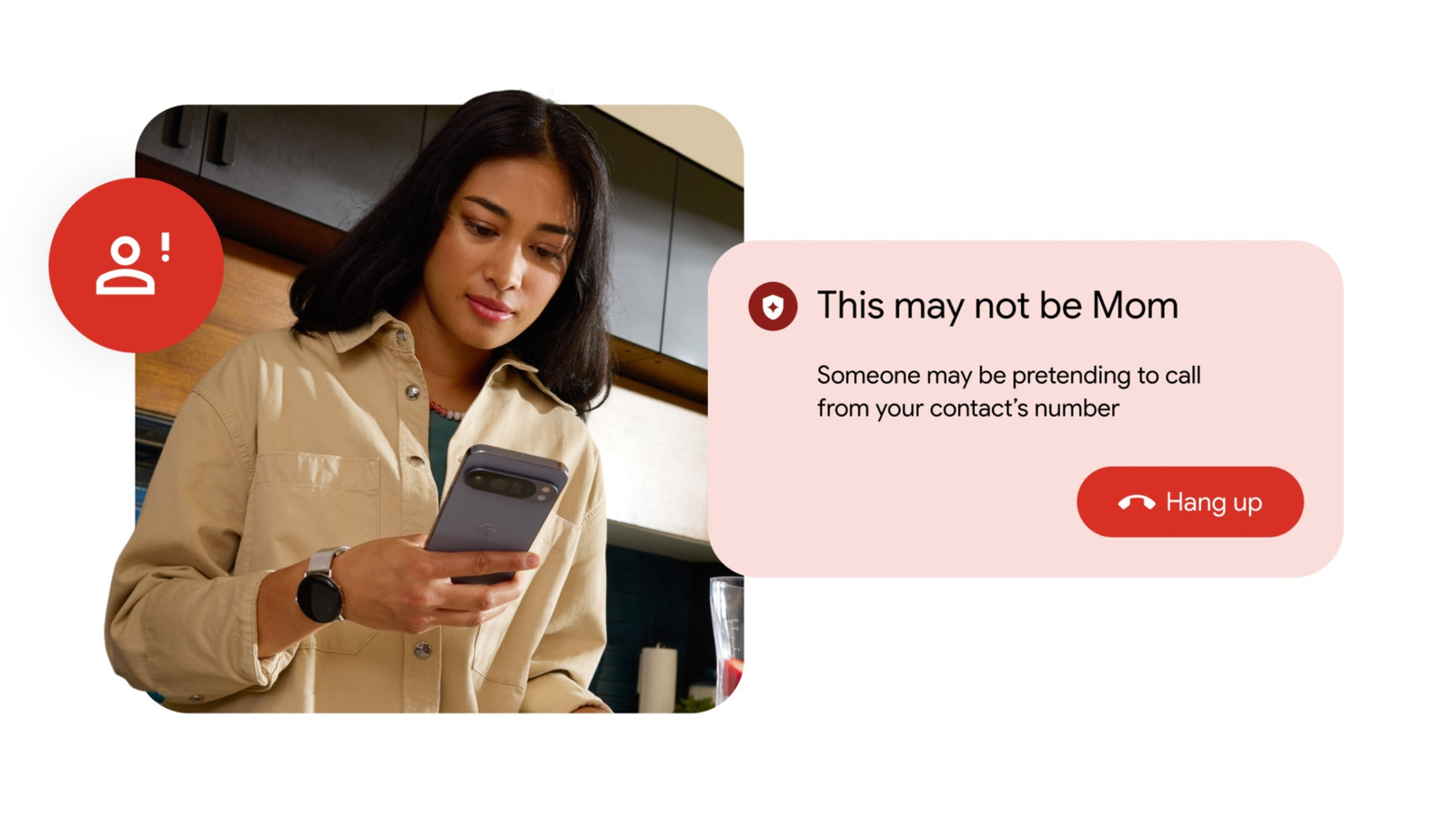
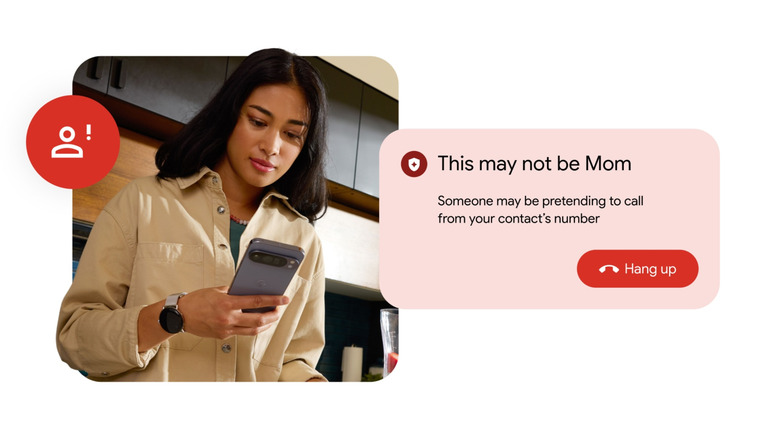
For years, Android has been at the forefront of spam call prevention. However, the rise of sophisticated AI voice cloning and "social engineering" attacks has necessitated a more granular approach to security. The new "Fake Call Detection" feature, integrated directly into the Phone by Google app, represents a paradigm shift in how devices verify the authenticity of an incoming call.
The "Digital Handshake" Explained
The core of this new protection is a silent, end-to-end encrypted verification process. When a user receives a call from a contact, the Phone app initiates a real-time, encrypted "handshake" using Rich Communication Services (RCS) technology. If the caller’s device fails to provide the expected cryptographic confirmation, the system flags the interaction as potentially fraudulent.
Google’s engineers designed this system to be both seamless and privacy-centric. Because the verification occurs via an encrypted channel, the metadata of the call remains private, ensuring that the user’s communication habits are not being tracked or logged by third parties. This feature is being rolled out to devices running Android 12 and higher, covering a massive segment of the active Android user base.
A Chronology of Google’s AI Integration
Google’s trajectory toward an AI-first operating system has been methodical. Understanding this evolution helps contextualize the current update cycle:
- 2024: Google launches initial "Live Scam Detection," focused on identifying common patterns of fraudulent calls in real-time.
- February 2026: Google debuts advanced "Circle to Search" capabilities on Samsung flagship devices, allowing for simultaneous multi-object identification.
- Mid-2026: Google announces the expansion of the Personal Safety app, lowering the age requirement to 13 to ensure younger users have access to emergency tools like car crash detection and medical info displays.
- Current Cycle: Deployment of "Wardrobe" scanning in Google Photos, AI-summarization in Play Books, and the integration of cross-platform Quick Share with Apple’s AirDrop.
Empowering the Next Generation: Personal Safety Updates
Perhaps the most socially significant update is the expansion of the Personal Safety app. By lowering the entry age to 13, Google is acknowledging that pre-teens and early teenagers are increasingly becoming independent smartphone users who require the same safety nets as adults.
This update allows younger users to store critical medical data, blood types, and emergency contacts directly on the device’s lock screen. In the event of an emergency, first responders can access this information without needing to bypass the user’s security. Furthermore, the inclusion of car crash detection technology provides a life-saving layer of security for young drivers and passengers, automatically alerting emergency services if the device’s sensors detect the G-forces characteristic of a severe collision.
The AI Transformation: Photos and Books
Beyond the security suite, Google is pushing the boundaries of how AI handles personal data and consumption habits.
Google Photos: The Digital Closet
The "Wardrobe" feature represents a sophisticated application of computer vision. By analyzing the user’s image library, the app can now categorize clothing items, allowing users to build a "digital closet." The implications here go beyond simple organization; the AI can suggest outfits, track what the user has worn to specific events, and even facilitate virtual try-ons. This feature is currently limited to select markets—specifically the US, India, and Brazil—for users on Android 10 and above.
Google Play Books: Contextual Intelligence
Reading is a solitary activity, but understanding complex texts can be a collaborative process. The new AI-powered recap tool in Google Play Books functions as a study partner. By highlighting sections of a text, users can receive instant summaries, historical context, or character breakdowns. This is a clear attempt by Google to modernize the digital reading experience, transforming static text into an interactive knowledge base.
Supporting Data and Technical Infrastructure
The effectiveness of these features relies heavily on the underlying infrastructure of the Android OS. The "Digital Handshake" for calls, for example, is only possible because of the widespread adoption of RCS. RCS has replaced the outdated SMS protocol as the standard for messaging, providing the necessary bandwidth for encrypted data exchanges.
Regarding "Circle to Search," the multi-object identification capability is powered by Google’s latest multimodal Gemini models. Unlike previous iterations that required a user to perform separate searches for each object in an image, the updated model can process an entire image contextually. A user can circle a handbag, a pair of sunglasses, and a watch simultaneously, and the search engine will return distinct, accurate results for all three items in a single query.
Official Responses and Strategic Implications
In a series of blog posts and public statements, Google executives have emphasized that these updates are part of a broader strategy to make Android the most "helpful and secure" mobile operating system on the market.
"We are moving past the era of generic smartphone utility," said a spokesperson for Google’s Android division. "The goal is to create a device that understands the user’s context—whether that is a suspicious caller, the clothes in their closet, or the complexity of the book they are reading."
Industry analysts view this as a direct challenge to Apple’s "walled garden" approach. By making Quick Share compatible with AirDrop, Google is actively working to dismantle the friction between competing ecosystems. This "open-door" policy, combined with a heavy investment in generative AI, is a calculated attempt to retain users who might otherwise be tempted to switch to iOS for its perceived cross-device harmony.
The Broader Implications: Privacy vs. Convenience
While these updates are largely welcomed, they raise important questions about the role of AI in our daily lives. The "Wardrobe" feature, for instance, requires the app to scan and categorize an individual’s entire personal photo library. While Google has assured users that this processing is handled with standard privacy safeguards, the centralization of such intimate personal data remains a point of contention for privacy advocates.
However, the consensus among tech analysts is that the trade-off—greater security against scams and increased personal productivity—is one that the average consumer is willing to make. By automating the mundane (organizing clothes) and securing the critical (verifying calls), Google is betting that the "helpful" AI is the key to maintaining dominance in the mobile market.
Conclusion
The latest Android update cycle is a testament to Google’s aggressive pivot toward integrated AI. Whether through the "digital handshake" that protects our privacy, or the intelligent organization of our digital lives, Google is shifting the definition of what a smartphone should do. As we look toward the release of Android 17, it is clear that the future of mobile technology will not be defined by raw hardware power, but by the intelligence of the software running beneath the glass. Users can expect a more secure, intuitive, and deeply personalized experience, provided they are comfortable with the invisible hand of AI guiding their interactions.












No comments yet. Be the first to join the conversation!